REVIEW · MOUNT TEIDE TOURS
Teide National Park: Guided Large Telescope Stargazing Tour
Book on GetYourGuide →Operated by Astrophototour · Bookable on GetYourGuide
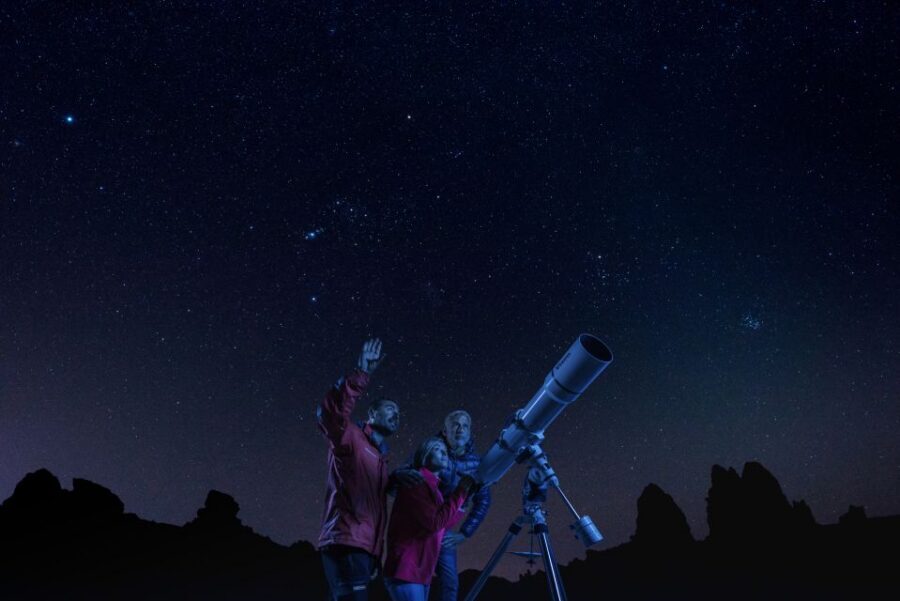
A 32-inch scope turns stars into objects. In Teide National Park, this 3-hour small-group tour lets you see galaxy detail and nebula structure with serious optics, led by Alessandro. I also love the way your guide steers the explanations to what you’re curious about, and I like that you get an actual photo package at the end. One thing to plan for: the mountain is cold and windy, so you may trade a perfect telescope session for an alternate plan or a postponement if conditions don’t cooperate.
You meet at a spot chosen for the night’s wind direction, then the guide helps everyone get time at the eyepiece. The included astro-camera work is set up so you leave with more than memories—there are images from that night and prior sessions too. If you want a twist on classic observing, the tour also offers a 12-inch Night Vision option that changes what you notice.
Most people will want the warm layers, the patience for the schedule, and comfy shoes. If you’re with kids, note that children under 5 aren’t suitable for this tour setup, and you’ll be standing around waiting for the sky to behave.
In This Review
- Key things that make this stargazing tour worth your time
- Teide National Park turns stargazing into a mountain-night mission
- Meet your guide: Alessandro’s teaching style is part of the product
- The 32-inch Grand Scope: what the big telescope really reveals
- Night Vision Voyage: when the 12-inch option feels new
- Exclusive Starlight: small-group privacy for couples and families
- How the astrophotography works (and why you’ll care)
- Timing and meeting point: how to show up without stress
- What to bring, what’s not allowed, and how to dress for the mountain
- Price and value: is $58 fair for a 32-inch telescope session?
- Who should book this Teide stargazing tour
- Should you book this Teide stargazing tour?
- FAQ
- How long is the Teide National Park stargazing tour?
- How big are the groups?
- What telescope options are included?
- Are photos included?
- What languages is the guide available in?
- Do I need hotel pickup?
- What should I bring, and what’s not allowed?
- What if weather conditions are poor?
Key things that make this stargazing tour worth your time
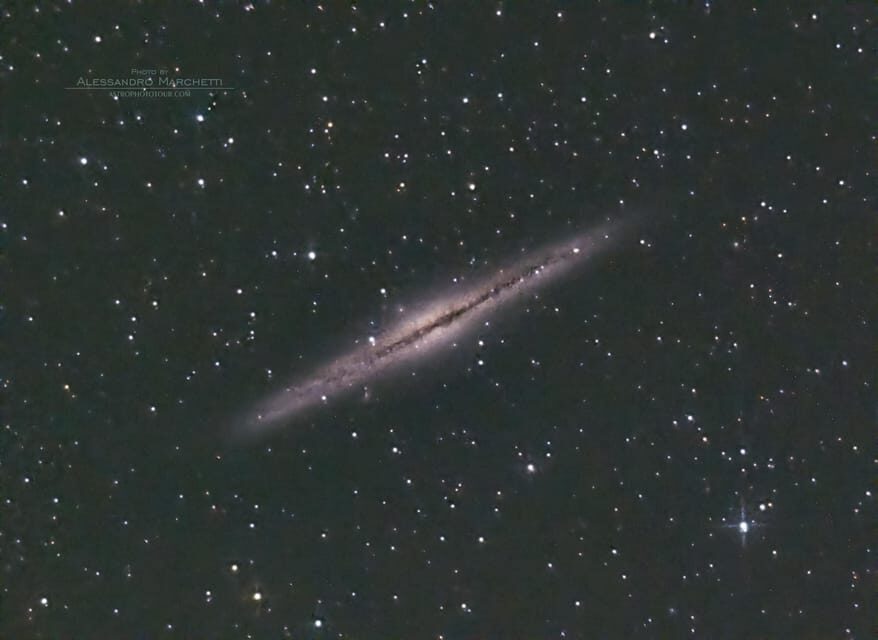
- A 32-inch private telescope (computerized) built for sharp, bright deep-sky views
- Small groups up to 12, so you actually get time to look, not just pass by
- Night Vision Voyage with a modified 12-inch scope for a different way to see
- Dedicated cooled astro-camera plus a professional photo package
- Alessandro (and sometimes Antonella) keep the pace flexible, with time for questions
- Warm comforts like tea/cookies and extra winter layers show up on colder nights
Teide National Park turns stargazing into a mountain-night mission
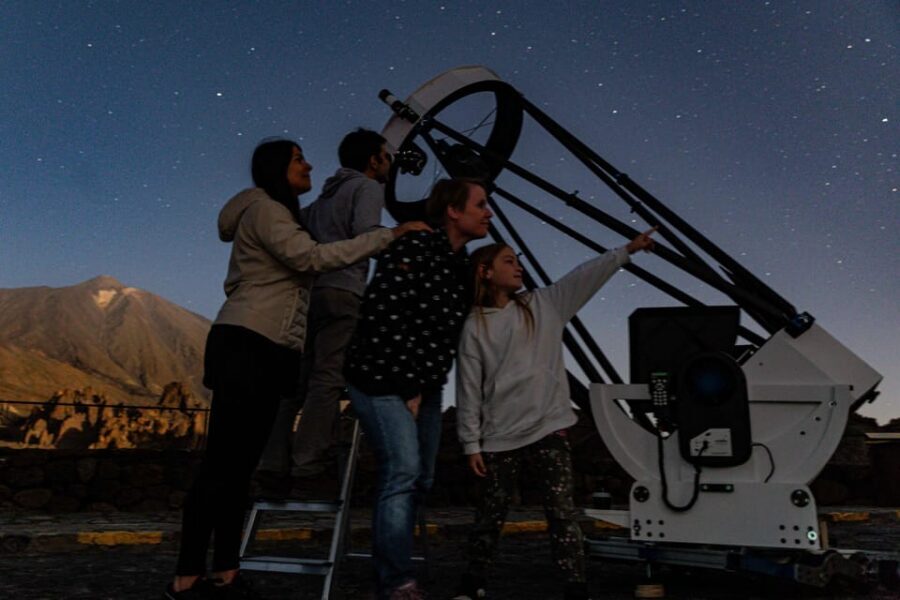
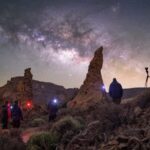
Teide National Park is one of those places where the sky feels close, but the real win is how the experience is organized around the night conditions. Starting time shifts with the sunset clock, and that matters because astronomy isn’t just “go at night.” You’re timing darkness and stability so the telescope can do its job.
Wind is also a big deal here. The operator picks your meeting point based on wind direction, because a large scope needs a calmer patch of air to hold steady. That’s why you shouldn’t expect a single fixed address—your GPS is sent by WhatsApp, so you can arrive at the right spot without guessing.
On nights where the sky won’t cooperate, you’re not stuck with a half experience. The tour can be postponed to the next day or you can get a refund. It’s not the kind of “we’ll figure it out” promise that usually disappoints; it’s built into how the activity runs.
You can also read our reviews of more guided tours in Tenerife
Meet your guide: Alessandro’s teaching style is part of the product
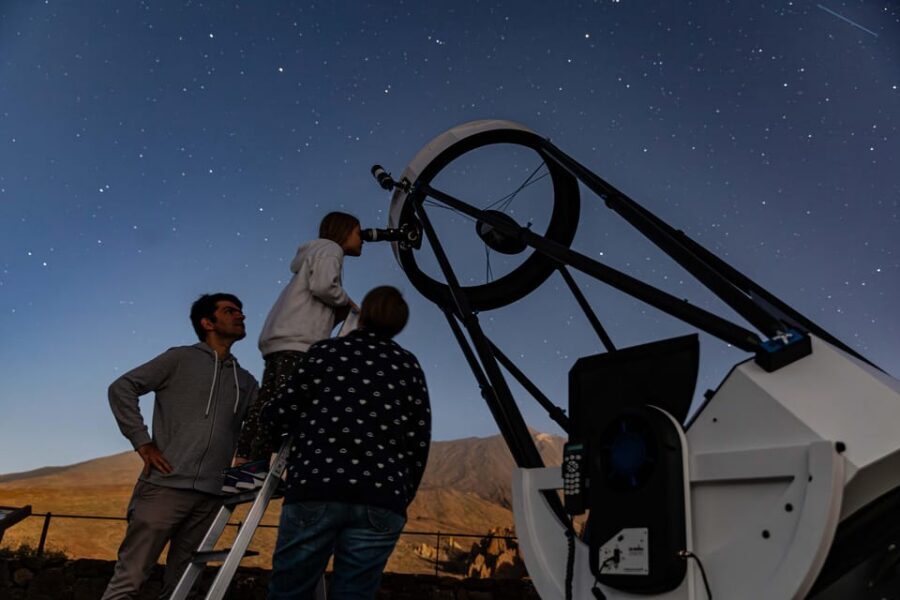
The guide for this tour is Alessandro, and he’s the reason a lot of people rate this so high. He’s patient at the eyepiece and really good at translating what you’re seeing into plain language. I like that he doesn’t treat beginners like they’re in the way—he starts you where you are and then ramps up if you want more.
What stands out is how he builds curiosity into the viewing. Instead of just naming objects, he helps you understand the story behind them—where they come from, what stage they’re in, and why they look the way they do through the scope. People who know a bit about astronomy say they still get advanced ideas, while first-timers say it stays understandable.
You’ll also notice small hospitality touches. On colder evenings, many guests mention warm tea and cookies, and winter coats for extra warmth. That’s not fluff. When you’re standing outside waiting to observe, comfort keeps you focused on the sky instead of thinking about your fingers.
The 32-inch Grand Scope: what the big telescope really reveals
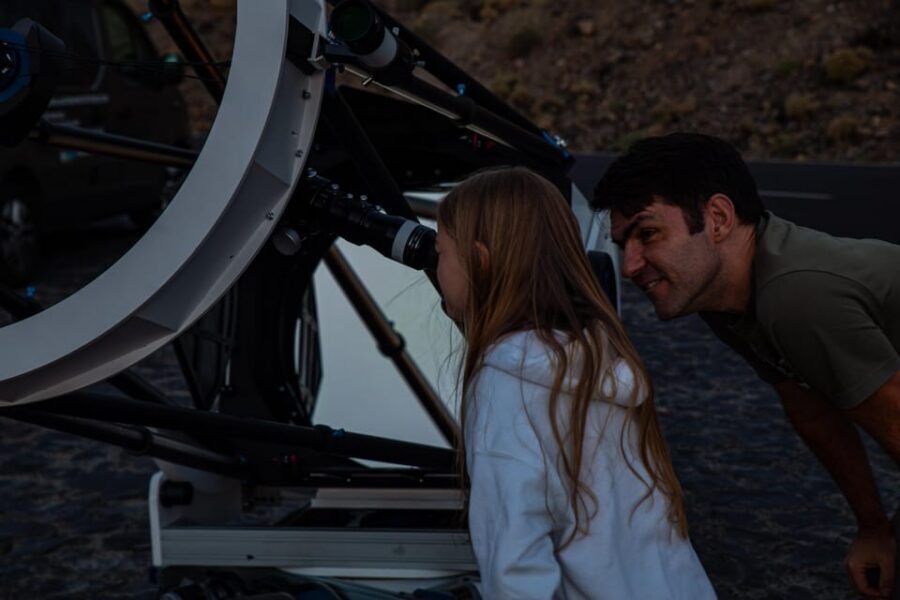
The headline option is the computerized 32-inch Dobsonian, described as the largest private telescope in the Canary Islands. That size isn’t just marketing. A telescope this large can pull more light from faint targets, which is what turns “a dot” into structure—especially with galaxies and emission nebulae.
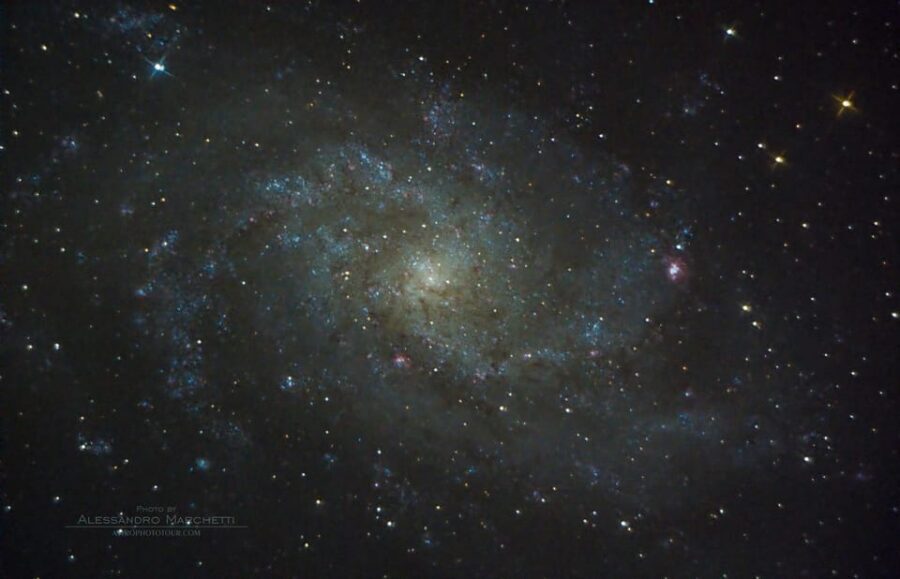
Through this scope, you can expect deep-sky views like galaxies, protostellar nebulae, and supernova remnants. Those are the kinds of objects that look flat or unimpressive in smaller setups. Here, the guide selects targets that fit the season, then walks you through what to look for so your eyes know where to rest.
Examples from different months include Saturn (plus its major moons), Jupiter, star clusters, and even planetary nebulae. Some guests also describe seeing objects like the Whirlpool Galaxy and its satellite. Since what’s visible depends on the sky and the time of year, treat these as “you might see” rather than guaranteed targets—but the tour is built around showing you things that most handheld stargazing can’t.
Two practical tips help you get the most out of the 32-inch session:
- Ask questions early, even simple ones like what you’re looking at or why it looks like that. Alessandro seems to use questions to shape the flow.
- Give your eyes a few minutes at the eyepiece. Deep-sky observing can look subtle at first, then suddenly sharp once your vision adjusts.
Night Vision Voyage: when the 12-inch option feels new
If you want a different vibe than the classic “look through a giant telescope,” the Night Vision Voyage uses a modified 12-inch telescope with a night-vision system. It’s smaller, but that’s the point: it changes how the sky looks in real time.
Night vision viewing can feel more immediate because it amplifies light you might miss in normal viewing. In practice, that means you’re not only hunting for faint fuzzies—you’re watching the sky take on new contrast and presence as you shift your attention. Guests who pick this option tend to like the hands-on, real-time feel.
Don’t read it as a “lesser” choice. It’s an alternate way to experience the sky during the same general session structure. If you’ve already done classic telescope stargazing elsewhere, this is the kind of option that can still feel fresh.
Exclusive Starlight: small-group privacy for couples and families
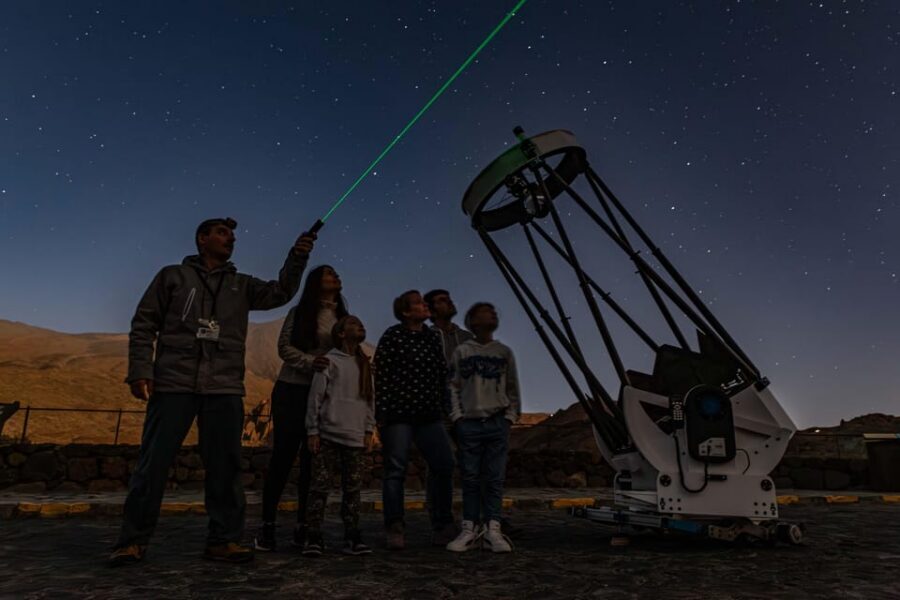
There’s also an Exclusive Starlight Experience, described as a private tour tailored for couples, families, or groups of friends. This is the right pick if you want fewer interruptions and more uninterrupted observing time. It also helps when you have multiple energy levels in one group—one person might want longer at one target while someone else wants a quicker overview.
In a normal small group (up to 12), the guide still gives plenty of attention, but private settings add breathing room. If you like asking more personal questions about astrophotography or telescope setup, privacy can make that easier.
How the astrophotography works (and why you’ll care)
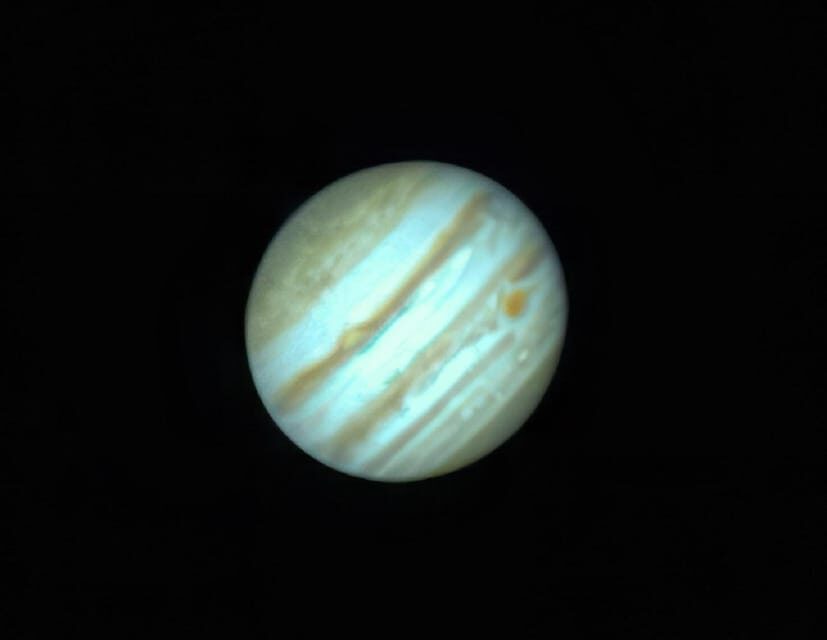
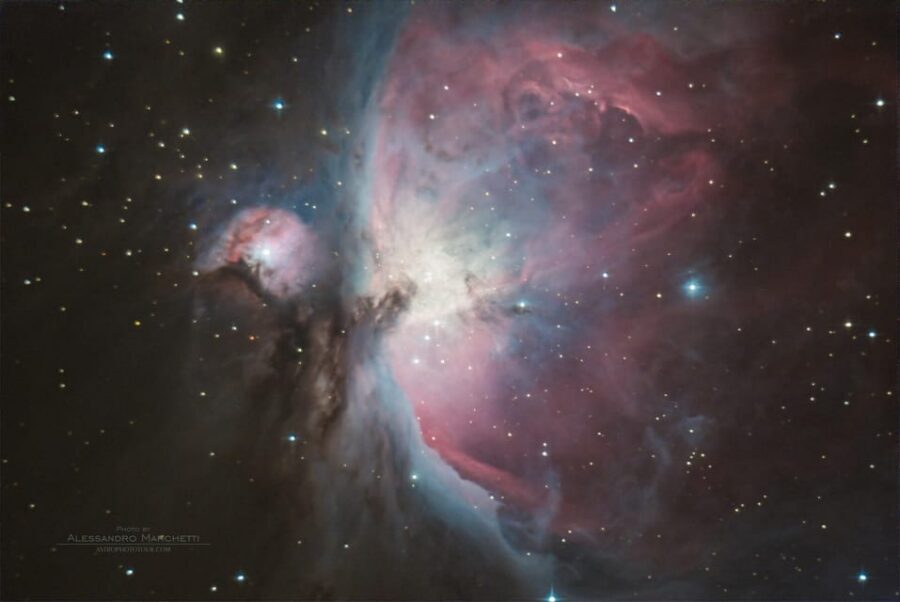
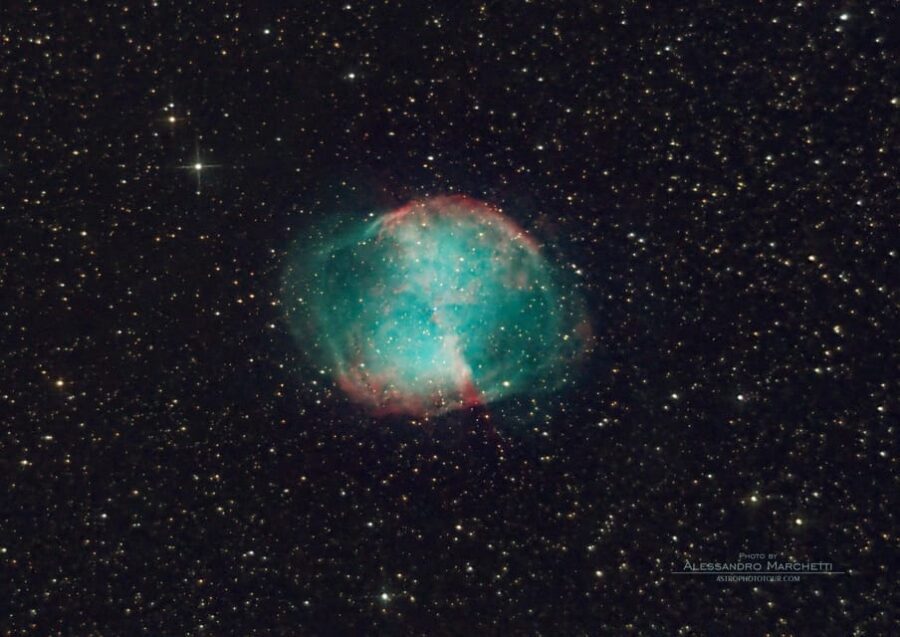
This tour includes a professional astrophotography package and a dedicated cooled astro-camera. That matters because astrophotography isn’t just taking a quick photo and calling it art. A cooled camera helps with noise, and the “astro” part is taken seriously enough to produce images worth keeping.
You also get a photos package that includes images from that evening and from previous sessions. Translation: you leave with something even if conditions shift or a target is harder than expected in that specific moment. That’s a big value point for anyone who wants “I was there” proof, not just memories in your phone.
At the end, guests often talk about getting a night-sky photo that looks genuinely cool. The best part is that you don’t need to bring a camera, learn settings, or worry about getting blurry results. The tour handles the imaging so you can focus on the experience.
Timing and meeting point: how to show up without stress
The tour is 3 hours, and the exact timing depends on sunset. That’s normal in astronomy, but it affects your planning on Tenerife. Don’t book a tight dinner reservation immediately afterward unless you enjoy living dangerously.
You’ll get the meeting point and time by WhatsApp around 9:30 am on the day of the tour, and the exact GPS location can shift based on wind direction. This is the kind of detail that makes people either show up fine or waste half their night scrambling—so check your phone and follow the coordinates.
Hotel pickup and drop-off aren’t included. That means you’re responsible for getting yourself to the meeting point. If you’re renting a car, you’ll want to plan for mountain roads and low-light navigation. If you’re using taxis, plan extra buffer time because you’re not waiting at a big hotel lobby; you’re waiting at a specific observing spot.
What to bring, what’s not allowed, and how to dress for the mountain
Bring warm clothing, even if you’re used to Canary Islands weather in the daytime. Multiple guests highlight how cold it can get up on the mountain during observation. Comfortable clothes matter because you’ll likely stand and shift positions while waiting for the guide to set up and move between targets.
Also bring snacks and water. Food and drinks aren’t included, so you’ll be happier if you arrive fed and hydrated. The warm tea and cookies mentioned by guests are a nice bonus, but you shouldn’t treat them as your full plan.
What not to wear:
- Shorts
- Open-toed shoes
- No flashlight
And one more practical thought: arrive with a clear head and patience. The tour’s success depends on conditions, not just enthusiasm.
Price and value: is $58 fair for a 32-inch telescope session?
At about $58 per person for a 3-hour experience, the value is strongest if you care about one of these:
- You want a major telescope experience without owning gear
- You want real astrophotography results delivered to you
- You like guided viewing where your guide helps you see more than you would on your own
This isn’t a casual “look at a couple stars” stop. The included package includes the telescope setup, a guide, a dedicated cooled camera, and photos. The small-group size also matters. With up to 12 people, you’re more likely to get time at the eyepiece and ask questions without feeling rushed.
If your goal is purely a quick photo for social media and you’re not interested in the explanations, you might feel this is pricier than alternatives. But if you want the full astronomy experience—targets selected for the season, guided viewing, and a proper photo keepsake—this price starts to look very reasonable.
Who should book this Teide stargazing tour
You’ll love it if:
- You’re the type who enjoys learning while watching
- You want telescope time with a 32-inch private instrument
- You’d like astrophotography delivered without doing any setup
- You’re traveling as a couple, small family, or mixed-interest group (the guide can adjust pace and explanations)
You might want to think twice if:
- You hate standing still in the cold (dress for it, but still)
- You’re traveling with very young kids (under 5 isn’t suitable)
- You expect no weather impact at all (conditions can lead to postponement or refund)
Should you book this Teide stargazing tour?
Yes, if you want a guided night sky experience that treats the sky like the main event. The combination of a 32-inch private telescope, small-group attention, and included photo results makes it a strong choice for first-time stargazers and repeat astronomers alike.
Book it especially if you’re curious but not sure what you’ll actually see. The guide’s teaching style is built for helping you interpret what you’re viewing, not just letting you watch. And if you’re not sure you’ll enjoy the classic telescope format, try the Night Vision Voyage—it’s a smart way to keep the night feeling fresh.
FAQ
How long is the Teide National Park stargazing tour?
It lasts 3 hours.
How big are the groups?
The tour is set up for small groups of up to 12 people, with private options also available (like Exclusive Starlight for couples, families, or friends).
What telescope options are included?
You’ll use either the computerized 32-inch Dobsonian telescope or the modified 12-inch telescope with a night-vision system, depending on the experience you choose.
Are photos included?
Yes. The package includes photos captured with the telescope setup, using a dedicated cooled astro-camera.
What languages is the guide available in?
The live guide speaks English, Spanish, and Italian.
Do I need hotel pickup?
No. Hotel pickup and drop-off are not included.
What should I bring, and what’s not allowed?
Bring warm clothing, snacks, and water, plus comfortable clothes. Shorts, open-toed shoes, and flashlights are not allowed.
What if weather conditions are poor?
If conditions are not good for observation, the activity can be postponed to the next day or you can get a refund.