REVIEW · MOUNT TEIDE TOURS
Tenerife: Mount Teide Observatory Guided Tour
Book on GetYourGuide →Operated by Volcano Teide · Bookable on GetYourGuide
Solar science on Teide feels unreal. This guided visit to the largest solar observatory on Earth sits around Mount Teide’s big sky view, and it’s built to make astrophysics feel hands-on rather than abstract. You’ll tour the facility, learn how the observatory works, and then use professional instruments aimed straight at the Sun.
I especially like the chance to see the Sun in two different ways: sunspots through one solar telescope and solar flares through another. I also like how the guides keep it clear and lively, with well-paced explanations and plenty of room for questions—people have credited guides like Jesus, Raquel, and Steffi for that same energetic, explain-it-for-real approach.
The main drawback to plan around is the altitude and conditions: you’re about 2,400 meters up, oxygen is thinner, and you’ll walk on gravel paths outdoors. It’s not a good fit if you have respiratory issues or limited mobility, and it can feel very cold or windy depending on the day.
In This Review
- Key things to know before you go
- Mount Teide Observatory: why this solar tour is different
- The 1.5-hour rhythm: what happens during the tour
- Sunspots and solar flares: your telescope time explained
- The night telescope stop: what you’ll learn from the big machinery
- Altitude, cold, and sun safety: what to pack for Teide
- Getting there and staying comfortable while you wait
- Languages and group experience: what to expect from the guide
- Price and value: is about $25 worth it?
- Who should book, and who should skip this one
- Should you book the Mount Teide Observatory guided tour?
- FAQ
- FAQ
- How long is the Mount Teide Observatory guided tour?
- What’s included in the ticket?
- Do I need to bring anything?
- What altitude is the observatory at?
- Is the tour suitable for people with mobility impairments?
- Is the tour suitable for respiratory issues?
- What will I see through the telescopes?
- What languages are available for the guided tour?
- Is transportation included?
- Can I cancel for a full refund?
Key things to know before you go
- Two solar telescopes, two Sun stories: sunspots and solar flares, shown through professional filtering.
- A night-telescope moment: you’ll visit one of the observatory’s nighttime telescopes to understand how night viewing works.
- Short, focused 1.5 hours: enough time for the tour plus telescope time without dragging on.
- High-altitude reality: around 2,400 m, gravel paths, and cooler temps at the top.
- Sun safety matters up here: even when it feels bright and clear, you’ll want the right protection.
Mount Teide Observatory: why this solar tour is different
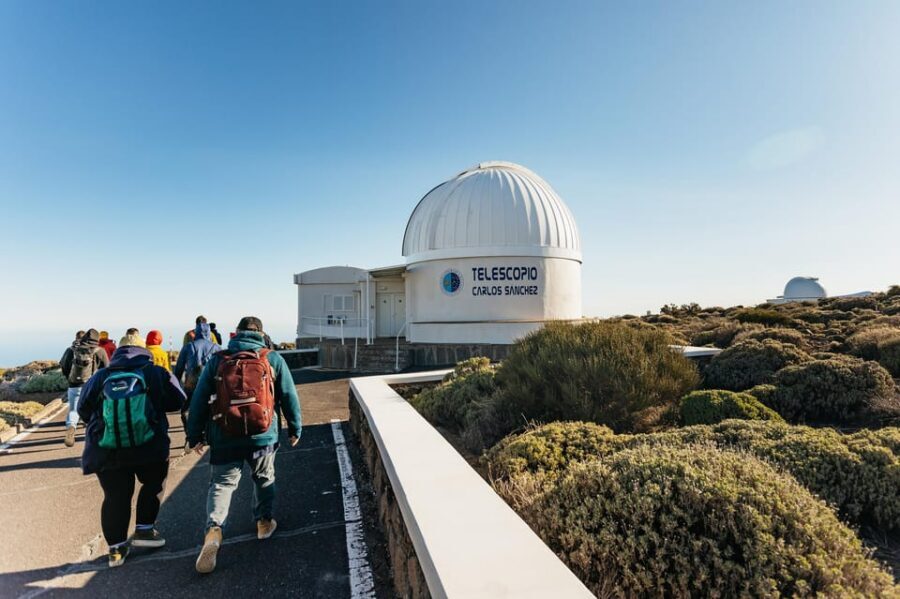
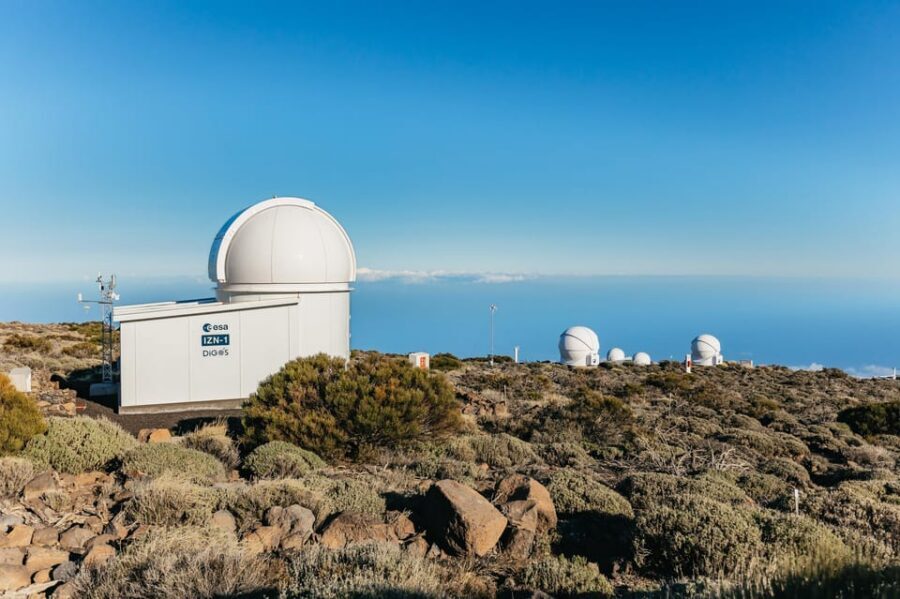
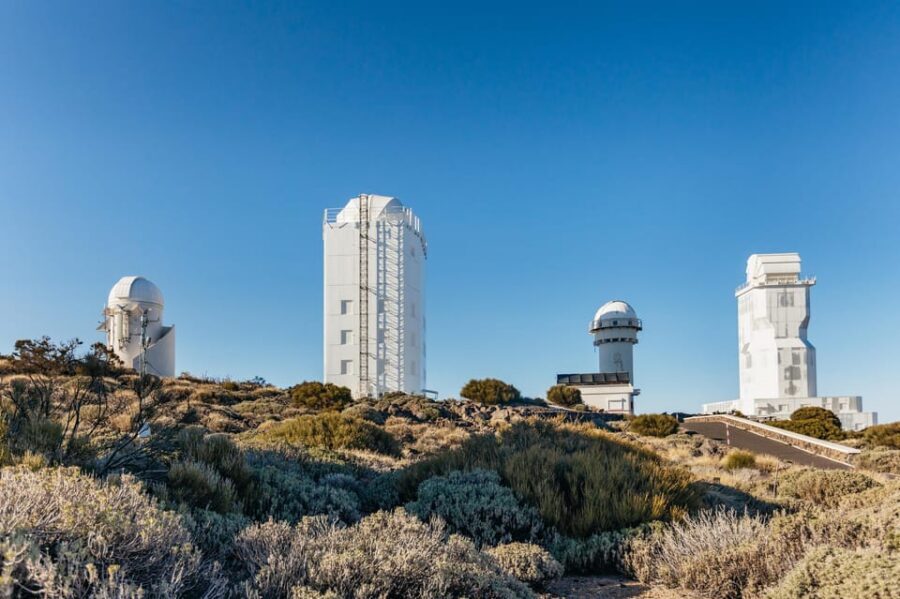
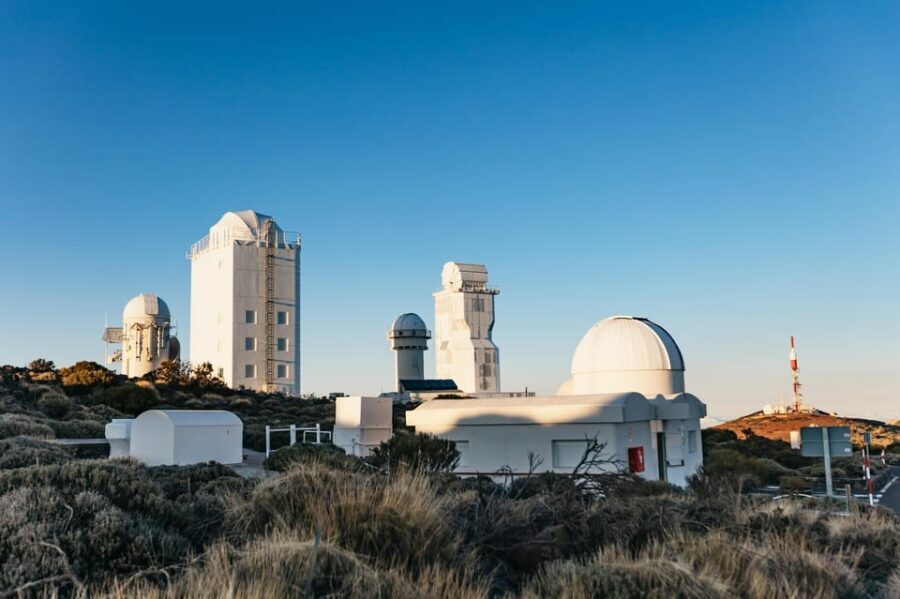
Mount Teide on Tenerife isn’t just a dramatic backdrop. The observatory there is set up to study our closest star—the Sun—with instruments designed for careful, filtered viewing. That alone changes the vibe from a typical sightseeing stop. Instead of “look at the view,” the focus is “look at the physics.”
The tour is also structured so the science lands in your brain fast. You start with an intro to what each part of the observatory does, then you watch a short video about the Canary Islands sky and how the scopes work at night. After that, your astronomy expert guide leads the walking portion of the facility tour and then gets you onto the telescopes. It’s a compact experience, but it feels like you’re being walked through a real working system rather than a demo.
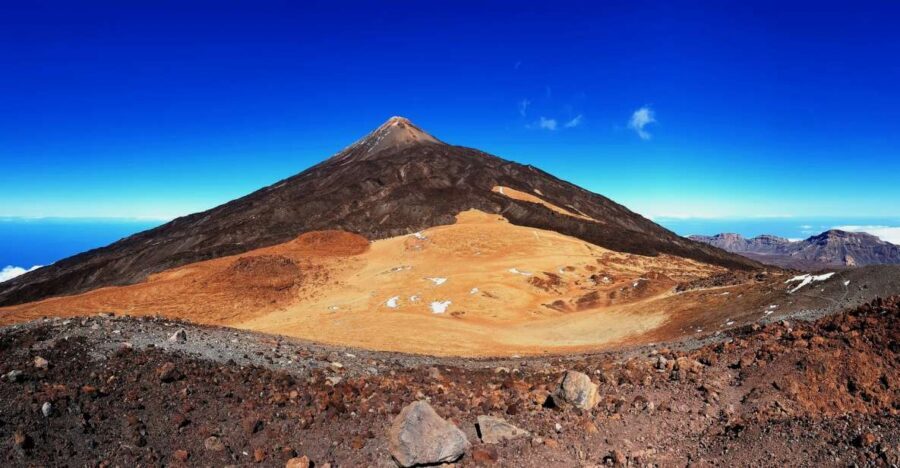
One small but meaningful detail: the observatory is set at about 2,400 meters above sea level. You’re not just sightseeing at altitude—you’re visiting an operating science site where breathing a bit harder is part of the deal. That’s why the tour isn’t recommended for people with respiratory problems or certain health conditions.
You can also read our reviews of more guided tours in Tenerife
The 1.5-hour rhythm: what happens during the tour
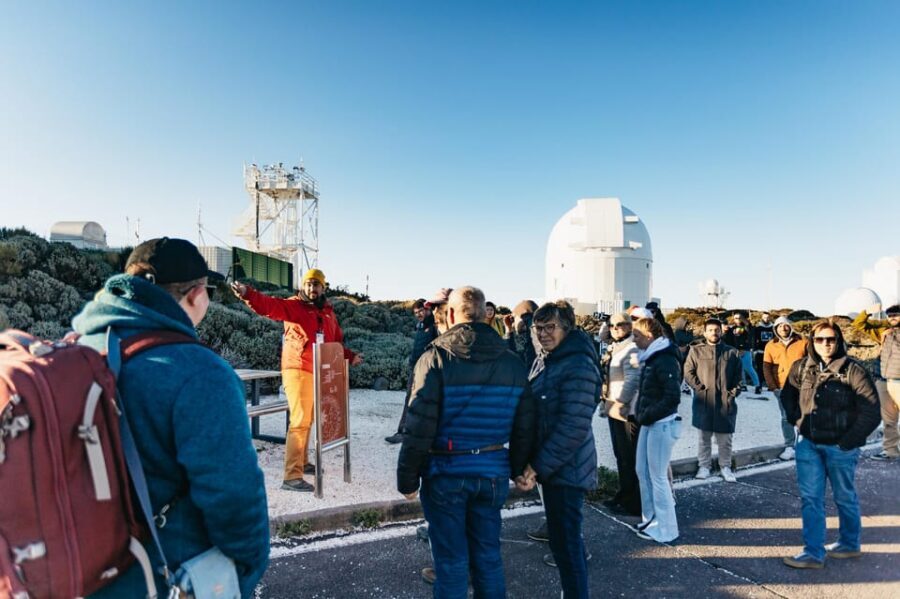
This is a short tour—listed at 1.5 hours—so it moves at a good pace. Here’s how the time typically flows, and why it matters:
First comes orientation. You’ll get an introduction to the different areas of the observatory so you understand why some things are indoors, why other spots are outdoors, and how the equipment is used for day vs. night observing. This helps a lot once you start seeing the instruments up close, because you know what you’re looking at.
Next is the “sky basics” portion. You’ll watch a short video about the Canary Islands sky and how the telescopes work at night. Even if you don’t know astrophysics vocabulary, the visuals and the guide’s explanations connect the dots. This part also sets expectations for what nighttime viewing generally involves, even if cloud cover or sky conditions limit what can be done on the spot.
Then you join the guided walk-through. Your guide takes you around the observatory, explaining what astrophysicists do and how solar observations fit into broader astronomy research. Expect explanations to be both technical and approachable—especially if you ask questions.
Finally, you hit the telescope moments:
- Two solar telescopes for direct Sun viewing (safely filtered)
- A stop at one of the nocturnal telescopes, so you can understand the scale and purpose of the nighttime observing equipment
Even with the fast timeline, the tour is designed so you don’t feel rushed while you’re at the instruments.
Sunspots and solar flares: your telescope time explained
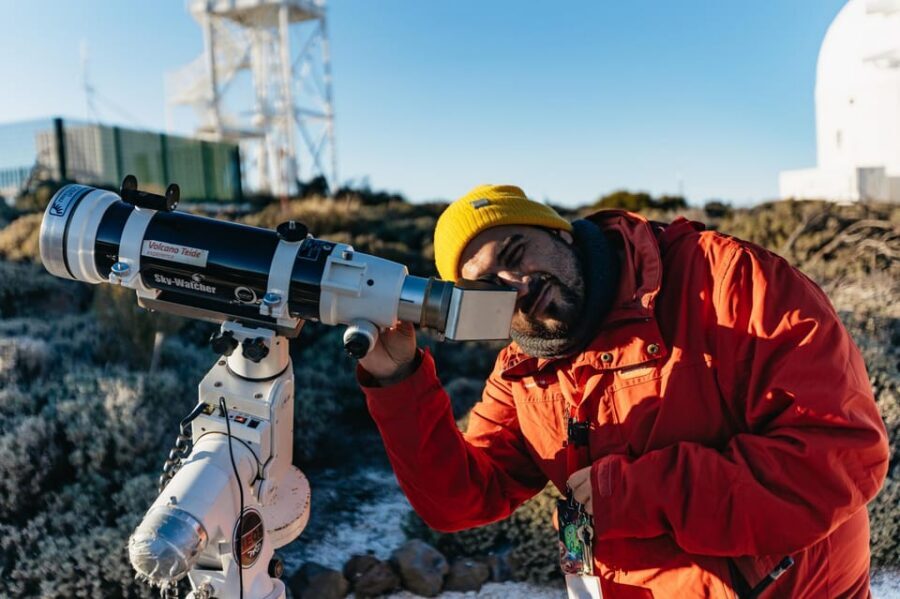
The highlight here is not generic “look at the sky.” It’s two different looks at the same star.
You’ll observe the Sun through 2 different solar telescopes:
- One telescope is set up to help you see sunspots
- The other is geared toward solar flares
Why that matters for you: sunspots and solar flares are different solar phenomena. Sunspots are tied to magnetic activity and make the Sun look darker in certain regions. Solar flares are sudden releases of energy that show up in specific wavelengths and instrument setups. Having two telescopes for two phenomena makes the tour feel like real science rather than a one-off “cool view.”
A practical expectation check: some people come in hoping for cinematic visuals or dramatic “explosions” on demand. The views are real and impressive, but they’re still scientific images filtered through specialized equipment. One visitor noted that, in their case, the solar viewing felt more subtle than they expected—think color and structure rather than spectacle. So if you’re after mind-blowing cinema, temper that. If you’re curious about how scientists actually study the Sun, you’ll likely love it.
The night telescope stop: what you’ll learn from the big machinery
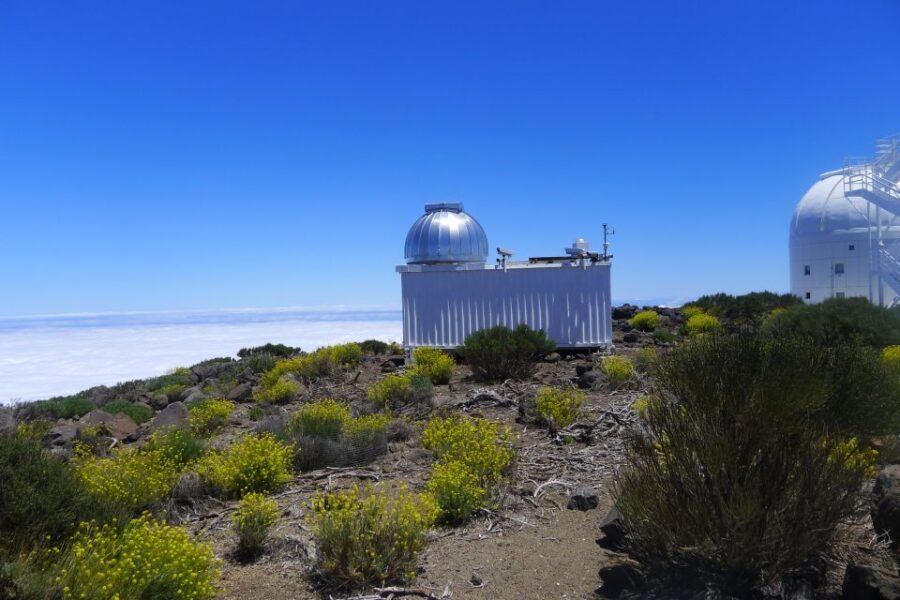
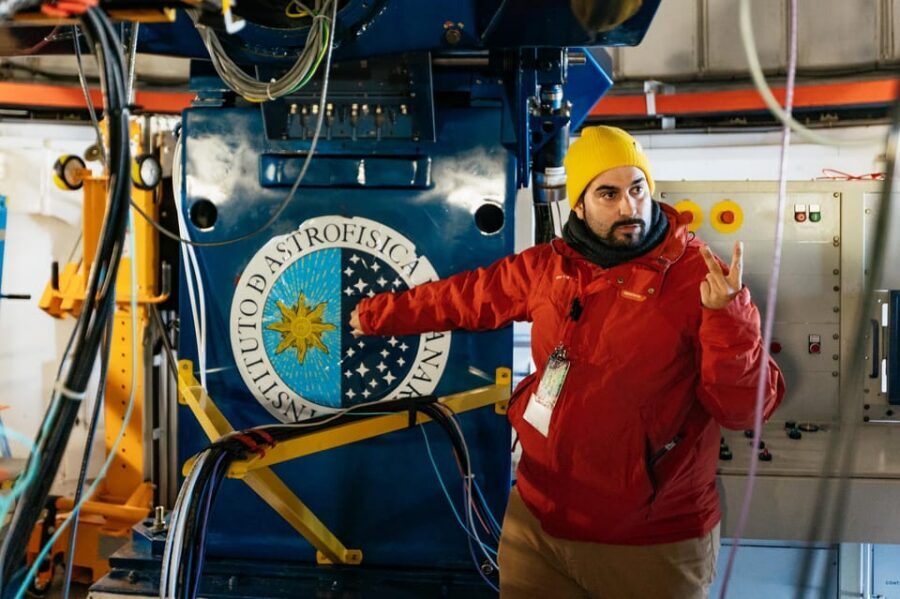
After the solar part, the tour shifts gears. You’ll head to one of the observatory’s nighttime telescopes and learn how it observes the night sky. This isn’t just a photo stop. The whole point is to show you the difference between solar setups and night observing gear, and how the observatory operates as a system.
You may not be able to replicate true night astronomy at home—but you can understand the purpose and the scale. One of the strongest reasons people recommend this tour is the feeling that you’re stepping into the observatory workflow: the guide explains what the telescope is doing and how astronomers think about sky targets.
Also, there’s a real human factor here. The tour guides put energy into explaining what you’re seeing and why it matters. Visitors have described guides as funny and enthusiastic, with real ability to answer questions in plain language. That combination makes the nighttime telescope stop feel less like a lecture and more like a guided “how it all works” moment.
Altitude, cold, and sun safety: what to pack for Teide
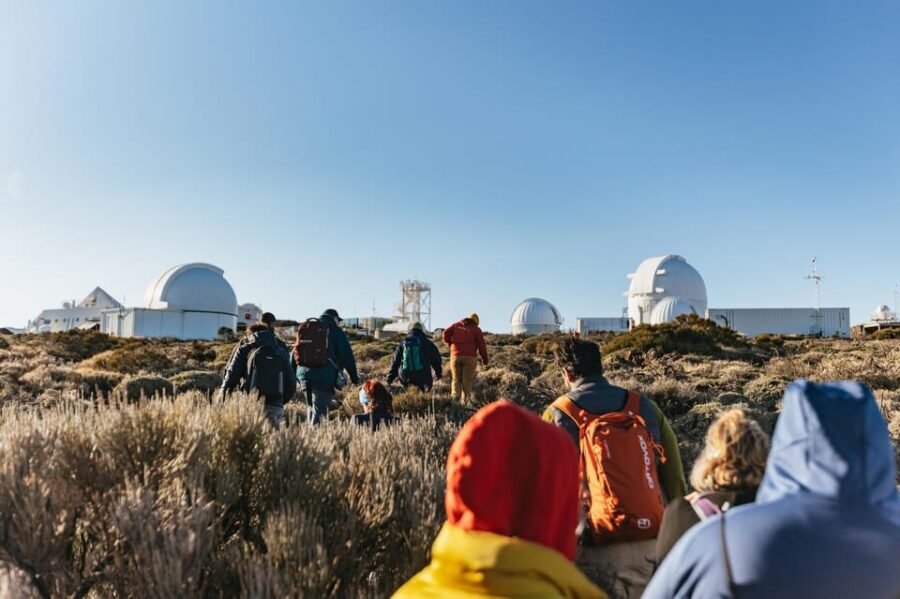
Teide can look bright and sunny, but the altitude changes everything. The tour info calls out the altitude (about 2,400 meters) and warns that oxygen diminishes. It also notes that groups move on gravel paths, which makes the walking portion a problem for people with general physical health issues, and it’s not recommended for mobility impairments.
So treat this as a “dress for the mountain” tour. Bring:
- Warm clothing (even if the lower area feels mild)
- Sunglasses
- Sunscreen
- Comfortable clothes
- For children: passport or ID card to confirm age
You’ll be outside for parts of the tour, and multiple reviews mention cold conditions up at the top. One person specifically suggested hat and gloves when conditions were chilly and windy. Another noted sun umbrellas were provided to help with protection during the outdoor stretches. Either way, plan for both extremes: strong sun glare and cooler air.
If you get wind, you’ll feel it more at altitude. If you’re sensitive to cold, layer up. This isn’t the place to underpack.
Getting there and staying comfortable while you wait
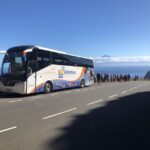
Transportation isn’t included, so you’ll need to plan your own way to the meeting point. The meeting point can vary depending on the option booked, so check your exact confirmation instructions.
One practical tip from experience-based notes: if you arrive early, there may be seating and a place to buy water while you wait. That matters because you’re going to step into bright, high-altitude conditions soon after.
Also, the road experience up to Teide can be intense for people who prefer calmer drives. One review called the ascent and descent a bit hair-raising for a flatlands driver. If you’re sensitive to winding roads, factor that into your plan—come prepared, and don’t schedule this right after you’ve already been stressed all day.
Languages and group experience: what to expect from the guide
This tour is offered with a live guide in English, Spanish, German, and French. That’s helpful because science jargon can throw people off—having explanations in your language turns “technical” into “understandable fast.”
The guide style is part of the value. Many reviews point to enthusiastic, engaging guides who stayed patient with questions. People have named guides like Jesus, Raquel, and Steffi, and praised them for mixing technical explanations with visual aids and humor.
Group size likely affects how much time you personally get at the telescopes, but the overall structure is consistent: you’ll get telescope access rather than just a quick peek. If you want a tour where the person leading it actually talks with you (instead of reading slides and moving on), this is the kind of activity that usually delivers.
Price and value: is about $25 worth it?
At about $25 per person for 1.5 hours, this isn’t priced like a long-day sightseeing ticket. The value comes from what’s included, not just the duration.
Included features:
- Entrance to Mount Teide Observatory
- Guided tour
- Use of 2 solar telescopes
- Access to a professional night telescope
What’s not included:
- Food and drink
- Transportation
So the math works best if you’re already planning to get to Teide and you’re excited by the telescope element. You’re not paying just for a building visit—you’re paying for telescope time plus guidance that explains what you’re seeing and why it matters.
If you’re on a tight schedule, this also works. Short tours can feel rushed, but here the timeline is built around telescope access and a tour that sets context first, so you’re not standing around wondering what’s happening.
Who should book, and who should skip this one
This tour is a great match if you:
- Like astronomy but want it explained in human terms
- Want a structured visit with telescope access (not just viewing from a distance)
- Enjoy learning how instruments work—especially how solar observations differ from night observations
It may not be a great match if you:
- Have respiratory issues (explicitly noted as not suitable)
- Have mobility impairments (explicitly not suitable)
- Struggle with walking on gravel paths at high altitude
- Need a fully indoor, climate-controlled experience (parts of the tour are outdoors)
If you fall into the “health question” category, it’s worth thinking carefully. At 2,400 meters, even fit people can notice the altitude. This isn’t a gentle hill walk at sea level.
Should you book the Mount Teide Observatory guided tour?
Book it if you want the most “science for your time” you can get on Tenerife. The tour’s biggest strength is its pairing of two solar phenomena (sunspots and solar flares) with a real look at how nighttime telescopes operate. That combination makes it more than a view—it turns your visit into understanding.
Skip or reconsider if altitude and outdoor conditions would be hard for you, or if you’re expecting purely dramatic visuals. The Sun observations are safe, real, and fascinating, but they’re scientific in nature. If that fits your mindset, you’ll get a strong payoff in 1.5 hours.
FAQ
FAQ
How long is the Mount Teide Observatory guided tour?
The tour duration is 1.5 hours.
What’s included in the ticket?
Your ticket includes entrance to Mount Teide Observatory, a guided tour, use of 2 solar telescopes, and access to a professional night telescope.
Do I need to bring anything?
Yes. Bring warm clothing, sunglasses, sunscreen, and comfortable clothes. Children must bring a passport or ID card to confirm their age.
What altitude is the observatory at?
The observatory is located at about 2,400 meters above sea level.
Is the tour suitable for people with mobility impairments?
No. The tour is not suitable for people with mobility impairments.
Is the tour suitable for respiratory issues?
No. The tour is not suitable for people with respiratory issues.
What will I see through the telescopes?
You’ll observe the Sun through 2 solar telescopes—one for sunspots and one for solar flares. You’ll also visit a nocturnal telescope to learn how it observes the night sky.
What languages are available for the guided tour?
The live guide is available in English, Spanish, German, and French.
Is transportation included?
No. Transportation is not included.
Can I cancel for a full refund?
Yes. Free cancellation is available up to 24 hours in advance for a full refund. Reserve now & pay later is also offered.