REVIEW · MOUNT TEIDE TOURS
Tenerife: Mount Teide Observatory Astronomical Tour
Book on GetYourGuide →Operated by Volcano Teide · Bookable on GetYourGuide
Teide turns the night sky into a hands-on lesson. On this Mount Teide astronomy tour, you go from solar science at the Teide Observatory in the afternoon to real telescope viewing after dark, with guides who help you connect what you see to the sky overhead.
I especially like the guided visit to the Teide Observatory, since it focuses on the scientific side of astronomy, not just sightseeing. I also love the star session itself, where you can look up with the unaided eye and then compare views through equipment built for serious viewing.
One consideration: it gets cold and windy at night, and the clothing rules are strict. If you show up in the wrong gear, you may not be allowed to join.
In This Review
- Key points worth your attention
- Why Mount Teide feels made for astronomy
- The 8-hour flow: pickup, scenic drive, observatory time, then stars
- Entering the Teide Observatory: afternoon solar viewing with a guide
- Sunset on the volcanic viewpoints: the visual reset before dark
- Night sky stargazing: unaided eyes plus powerful telescopes
- What makes the guidance feel different: real names, real teaching
- Dress code and packing: your comfort depends on it
- Weather changes the plan, but it won’t stop the learning
- Food and timing: plan to handle meals on your own
- Who this tour suits best (and who should skip)
- Should you book the Tenerife Mount Teide observatory astronomy tour?
- FAQ
- How long is the Mount Teide astronomical tour?
- Where does pickup happen?
- Is food and drinks included?
- What should I bring, and what can’t I wear?
- Is the tour suitable for children?
- What happens if weather limits star visibility?
Key points worth your attention
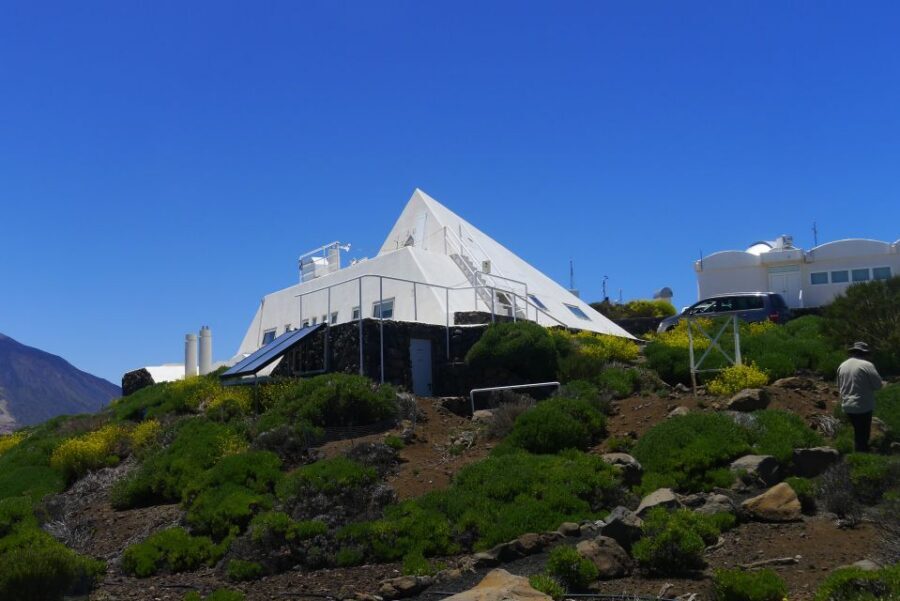
- World’s largest solar observatory stop before sunset, with guided telescope time
- Guided constellations and sky navigation, not random star staring
- Small-group transportation with pickup options across north Tenerife
- Weather backup plan: extra nocturnal telescopes and an audio-visual virtual sky tour
- Strict dress code for cold nights on the mountain
- A real astrophysicist vibe, with guides named Lucas and Micaela in recent experiences
Why Mount Teide feels made for astronomy
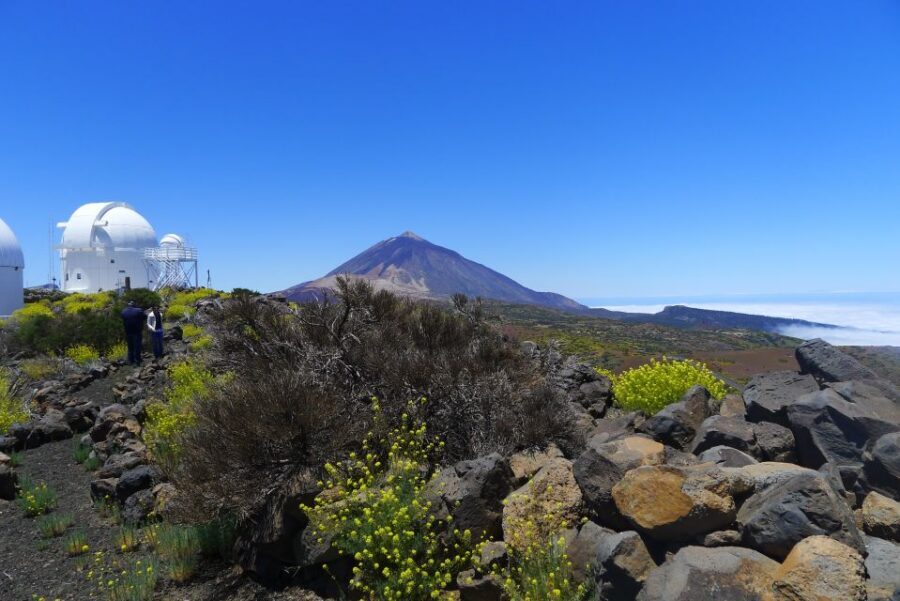
This is one of those Tenerife experiences that gives you a clear reason you’re out here. Mount Teide is not just a dramatic volcanic mountain; it’s also the setting for the Teide Observatory, including the world’s largest solar observatory. That matters because you’re not only learning about the universe in theory.
You’re doing two time-specific forms of astronomy in one outing: daytime solar observations at the observatory, then nighttime stargazing with guided help. The tour also positions Teide as one of the top places in the world to star gaze, so you’re aiming for big-sky conditions, not just a quick “look through a scope and go.”
And because the group size stays small, you’re more likely to get real attention when you ask questions. Several recent guides were praised for explaining things clearly and answering follow-ups rather than rushing everyone through.
You can also read our reviews of more tours and experiences in Tenerife.

The 8-hour flow: pickup, scenic drive, observatory time, then stars
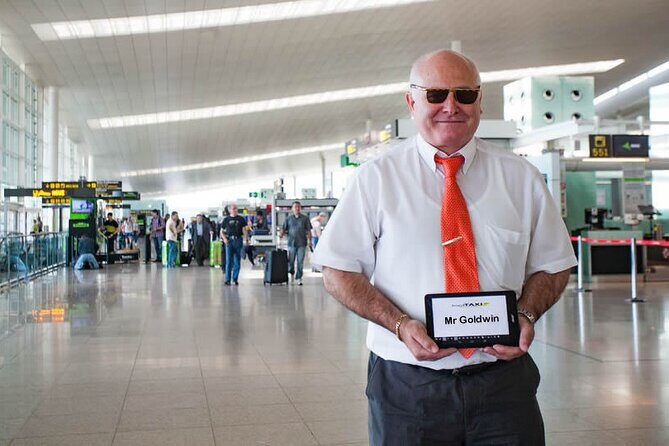
The full tour runs about 8 hours, and the actual pickup time shifts with the season and sunset timing. Pickup is included from hotels in north Tenerife, including (among others) Parque San Antonio, GF Noelia, Hotel Magec, Hotel Concordia, Tucán, Coral Teide Mar, Riu Garoé, CC La Cúpula, and Kiosko Paragüitas.
What that means for you in practice: plan for a half-day commitment and expect the schedule to flex based on the sky. Because pickup is spread across multiple hotels, you may also find that your exact departure time differs from your neighbors.
On the drive, the experience is more than just transport. One group noted a mini-bus route that included views along the west coast, including Las Gigantes cliffs. Even if you don’t get the same route, expect the transfer to include scenic driving time because you’re headed for a mountain observing window.
Entering the Teide Observatory: afternoon solar viewing with a guide
The afternoon is built around the Teide Observatory visit, where you spend time at the world’s largest solar observatory. The goal is simple: watch how solar targets are studied, guided by observatory experts.
If the sky cooperates, this is the part that makes the tour feel special. You’re not just learning constellations; you’re seeing astronomy that focuses on the sun—an entirely different ball game from night sky stargazing.
Recent experiences also highlighted excitement around observing solar activity in real time, including solar flares. If that’s your kind of moment, this afternoon stop is why you book.
If weather interferes, the tour has a safety-and-visibility rule: if proper visibility through the solar telescopes isn’t possible, the plan shifts. Instead of the solar telescopes session, you’ll visit two nocturnal telescopes instead of one, and you may also get an audio-visual virtual tour covering the night sky, constellations, and prominent objects you might have seen.
For you, that backup plan is a big deal. You’re not walking away with nothing just because clouds rolled in.
Sunset on the volcanic viewpoints: the visual reset before dark
After the observatory time, the tour includes time for sunset from one of the volcanic mountain viewpoints. This is one of the most useful transitions in the whole day.
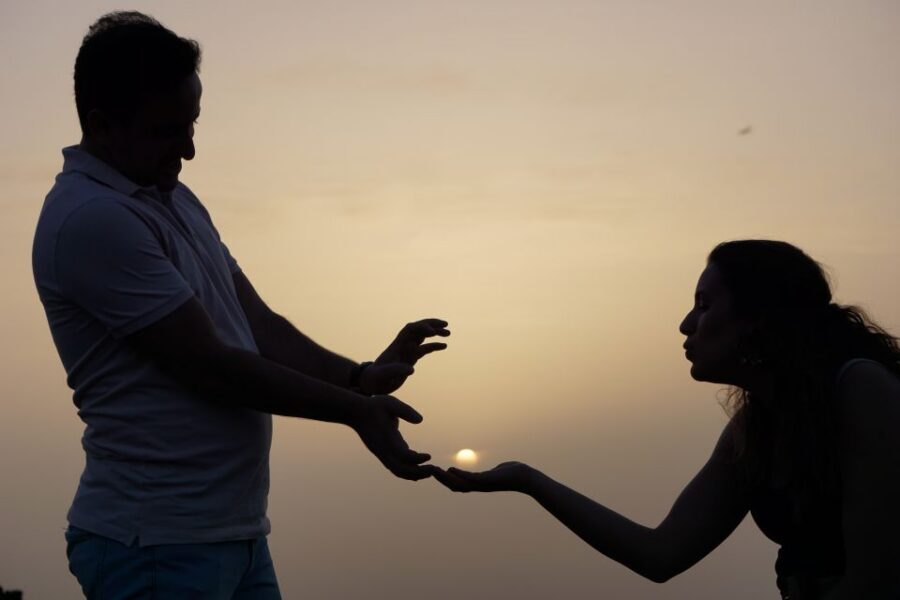
Here’s why: sunset gives your eyes time to adjust and sets the mood. It also breaks up the technical day with something more human-scale—viewpoints, timing, and the shift from bright sky to stars.
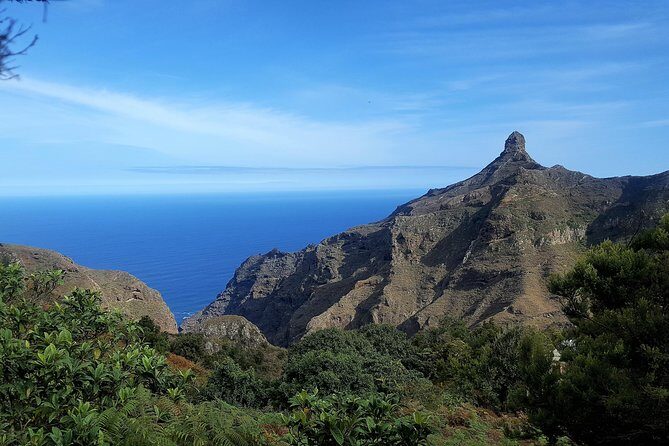
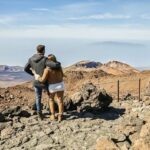
You also get a clearer sense of the environment you’re in: volcanic terrain, open air, and the feel of being above the clouds rather than simply “at a lookout.”
Night sky stargazing: unaided eyes plus powerful telescopes
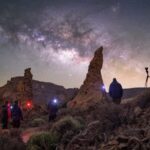
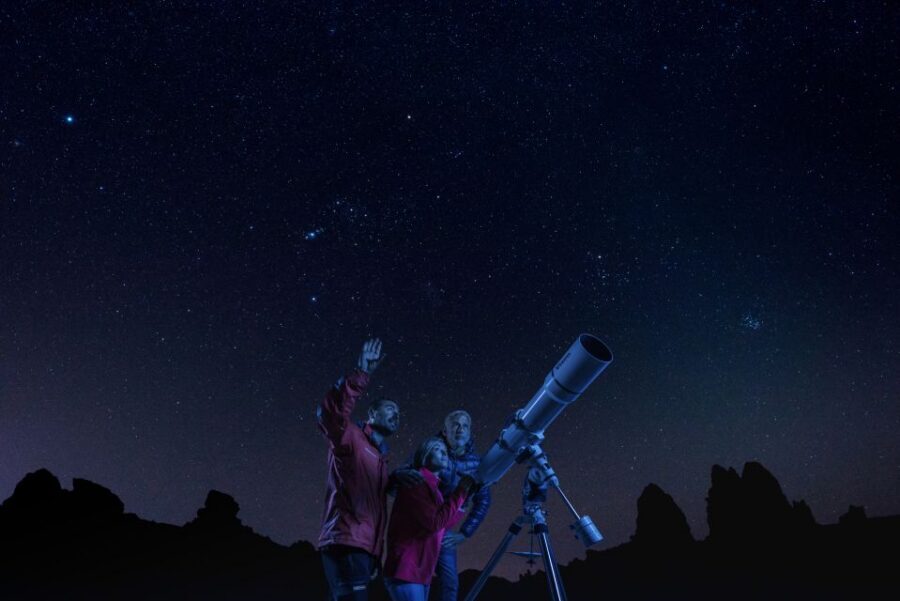
When the stars come out, the tour turns practical. You’re guided to use both the unaided eye and telescope viewing to explore constellations and prominent objects.
You should expect a guided format, not just a free-for-all with equipment. Some of the most praised moments involved guides teaching how to navigate using the stars and how to identify constellations during the session. A guide named Lucas, for example, was praised for explaining how telescopes work and helping people understand how you spot and interpret what you’re seeing.
Another reason this section gets strong reviews: the telescope work is described as high quality, and the guide’s explanations match what you’re looking at through the scope. One review also described an easy, friendly way of explaining the material, with the guide Micaela called professional and effective at making the science click.
In terms of what the “telescopes part” looks like, here’s what you can count on based on the tour rules:
- The tour includes astronomical observation using a long-range telescope
- If star visibility is threatened by weather, you’ll use two nocturnal telescopes instead of one
- If solar visibility fails too, you’ll also get an audio-visual virtual tour for targets you could not see
In past experiences, the number and setup of telescopes has varied. Some reports mentioned multiple large telescopes (including four) and others described viewing through two telescopes at several sights. So go in expecting a structured session where you’ll rotate between viewing targets, rather than one single view at one single instrument.

What makes the guidance feel different: real names, real teaching
This tour stands or falls on the guide. The good news is that recent experiences consistently mention guides who actively teach, not just point.
- Lucas was highlighted for teaching how telescopes work, helping people navigate using stars, and explaining the life cycle of a star. If you like the “why” behind the “what,” you’ll probably appreciate that teaching style.
- Micaela was praised for professional guidance and for making the content easy to understand, especially for those who care about astronomy.
- Natasha was mentioned for being informative and caring, and Frederico was named as a skilled driver in at least one experience.
Even if you don’t get the same guide, the theme is consistent: observatory-level understanding plus a willingness to answer questions. That’s one reason this tour tends to land well with astronomy lovers.
Dress code and packing: your comfort depends on it
This tour is outdoors for real stretches, and conditions at the mountain can be much colder than at sea level. The operator is clear: you’ll need warm layers and the right footwear, and you should not show up casually dressed.
What you should bring:
- Warm clothing
- Comfortable clothes and a long-sleeved shirt
- Long pants
- Closed-toe shoes
- Passport or ID card for children
What is not allowed:
- Sandals or flip flops
- Shorts or short skirts
- Sleeveless shirts
- Pets
And here’s the practical part you should take seriously: customers without the required clothing will not be allowed to join the excursion. If you’re the type who forgets one detail, set a reminder the night before.
If you’re unsure what “warm clothing” means for you, follow the conservative approach. One review described a big temperature swing, with warm weather at the hotel and colder, windy conditions at the cable car station. That’s why packing for wind matters just as much as packing for cold.
Weather changes the plan, but it won’t stop the learning
You’re in the sky business, so weather is always a factor. The tour handles this with a clear contingency plan.
If weather prevents proper visibility of the stars through the solar telescopes, or if it threatens the tour:
- You’ll visit two nocturnal telescopes instead of one.
- Your guides will use audio-visual equipment for a virtual tour of the night sky, including constellations and prominent objects you could have seen.
For you, that means you should still come prepared for a full experience even if it’s not perfectly clear. Bring the warm layers anyway. Clouds can limit viewing, but the tour is still designed to keep you learning during the same time window.
Food and timing: plan to handle meals on your own
Food and drinks are not included. That’s the main downside in plain terms, because you’ll likely be outside across multiple hours and you don’t want to spend your energy on hunger.
One experience noted that the cafe near the mountain area can be busy and not well stocked, and recommended taking food just in case, since you can’t rely on a guaranteed meal up there. You may also find yourself with time to eat around the cable car base in between parts of the evening.
So here’s my practical advice: pack something simple you can eat without fuss, like snacks and a filling sandwich, plus water. Keep it easy because you’ll be going from vehicle to outside viewing with limited patience for complicated food stops.
Who this tour suits best (and who should skip)
This is built for people who want real astronomy time in a real observing environment.
You’ll likely love it if:
- You’re an astronomy fan, or you want to learn enough to recognize things in the night sky
- You want a guided experience with actual telescope viewing, not just a sunset photo stop
- You value a small-group format where questions don’t get lost
You should think twice if:
- You have mobility impairments, since the tour is not suitable for people with mobility impairments
- You’re traveling with kids under 8 years old, since the tour is not recommended for children under 8
And regardless of your age, clothing rules matter. If you can’t meet them, the tour may not be the right fit.
Should you book the Tenerife Mount Teide observatory astronomy tour?
Book this tour if you want one outing that covers both solar observing and night stargazing with guided teaching. The value is strong for the price because it includes small-group transportation, a guide, a guided Teide Observatory visit, and telescope observation with an actual long-range setup. If the sky turns cloudy, the audio-visual backup plan helps protect your experience so it doesn’t collapse into disappointment.
Skip it if you hate cold outdoor time or if you can’t follow the dress code. Also, if stargazing is more of a casual interest for you and you don’t want telescope time, you may prefer something less rules-and-gear focused.
If you do book, pack warm, wear the required shoes, bring a few snacks, and plan to ask questions. This tour is at its best when you treat it like a night class in the sky, not just a look-and-go photo stop.
FAQ
How long is the Mount Teide astronomical tour?
It lasts 8 hours.
Where does pickup happen?
Pickup is possible from hotels in north Tenerife, including Parque San Antonio, GF Noelia, Hotel Magec, Hotel Concordia, Tucán, Coral Teide Mar, Riu Garoé, CC La Cúpula, and Kiosko Paragüitas.
Is food and drinks included?
No. Food and drinks are not included.
What should I bring, and what can’t I wear?
Bring warm clothing, long pants, a long-sleeved shirt, and closed-toe shoes. Sandals or flip flops, shorts, short skirts, sleeveless shirts, and pets are not allowed.
Is the tour suitable for children?
It is not recommended for children under 8 years old. Children must confirm their age with a passport or ID card.
What happens if weather limits star visibility?
If conditions prevent proper visibility, the guides will switch to visiting two nocturnal telescopes instead of one. They will also use audio-visual equipment for a virtual tour of the night sky, constellations, and prominent objects that could have been seen.