REVIEW · EVENING EXPERIENCES
Polestar SELF-DRIVE Sunset Stars Tour in Teide National Park
Book on Viator →Operated by Stargazing Tenerife · Bookable on Viator
Teide sunsets turn to starlight. This Sunset Stars night pairs a west-facing view with hands-on astronomy—so you’re not just watching darkness fall, you’re learning your way through it.
I especially loved the sunset setup at Mirador de los Poleos with cava, and the way the team uses a large computerized telescope to show more than just a Moon-shaped blur.
If you expect full independent driving, know this is more of a guided follow-along than total solo freedom.
In This Review
- Key Highlights That Make This Tour Worth Your Time
- Mirador de los Poleos Sunset: Cava With Views Over La Gomera and La Palma
- Inside Teide National Park: Volcanic Backstory, Then Up Toward the Stars
- Mount Samara Stargazing: The Computer Telescope Turns Confusion Into Targets
- Photography in Real Time: What to Shoot When the Sky Changes Fast
- Price and Logistics: Is $48.01 Good Value for This Teide Night?
- What to Expect From the Group and Language
- What to Bring: Teide Cold Is Part of the Deal
- Should You Book the Polestar Self-Drive Sunset Stars Tour?
- FAQ
- Is the tour in English?
- How long is the Polestar Self-Drive Sunset Stars Tour?
- What’s included with the ticket?
- Is dinner included?
- Where do I meet for the tour?
- Where does the tour end?
- Does the stargazing location ever change?
- Do I need good weather for this experience?
- How many people are in the group?
- Are service animals allowed?
- Should You Book the Polestar Self-Drive Sunset Stars Tour?
Key Highlights That Make This Tour Worth Your Time
- West-facing sunset from Mirador de los Poleos with a glass of cava (or a non-alcoholic drink)
- Computerized telescope + laser guide to help you find real targets in the sky
- Expert astronomy talk in English only, led by the team (Steve and Daniele, with other hosts like Phil and Pete on the crew)
- Short drive between viewpoints, so you’re not guessing where to go in a dark national park
- Weather-dependent stargazing location, decided on site for the best conditions
- Small-ish group size (max 45) for a more personal night under the stars
Mirador de los Poleos Sunset: Cava With Views Over La Gomera and La Palma
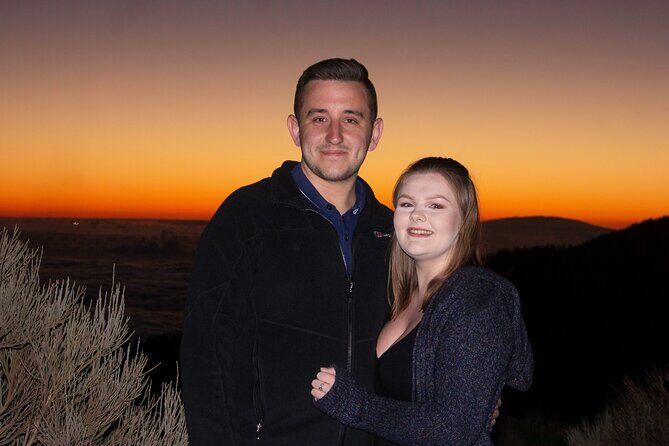
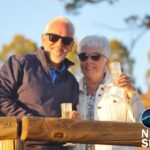
The night starts at Mirador de los Poleos (Santiago del Teide). You’re at a west-facing viewpoint, which means you’re lined up with the sunset as it drops and colors the clouds. And yes, there’s a glass of cava waiting—simple, festive, and perfectly timed for that first big orange light.
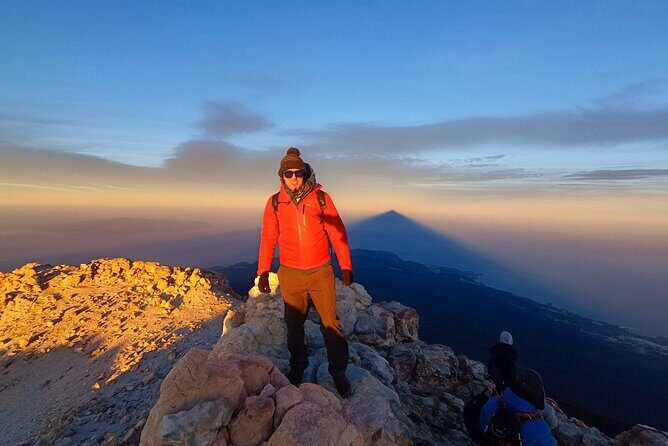
The view direction matters here. On clear evenings, you can see other Canary Islands—La Gomera and La Palma are mentioned as visible from the lookout. As the sun goes down, Mount Teide often picks up a reddish tint, and that’s when your photos have a chance to look dramatic instead of just “pretty sky.”
After the initial sunset, the mood shifts from celebration to planning the sky. It’s a smooth transition: you start with the landscape, then you start aiming your attention upward. You’ll also hear what to watch for after sunset—especially how the cloud cover can change the whole look of the sky.
You can also read our reviews of more evening experiences in Tenerife
Inside Teide National Park: Volcanic Backstory, Then Up Toward the Stars
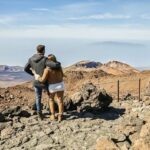
Once the sunset is done, you follow the team up into Teide National Park. This is where the tour turns from scenic to educational, with a focus on how volcanic activity shaped what you’re seeing around you. You’ll hear about the last recorded eruption in 1909, and the group uses the terrain and viewpoints to connect the dots.
This part is valuable because Teide can feel otherworldly even when you know nothing about it. The tour doesn’t just say, “Look at the volcano.” It gives you a timeline and a reason the area looks the way it does. That makes your photos feel more grounded, and your stargazing feels less random.
Expect a short move after this—on one night, the drive to the next stargazing point was about five minutes. It’s quick, but it’s long enough to feel like you’re leaving the last warm edge of sunset behind and heading into real darkness.
Mount Samara Stargazing: The Computer Telescope Turns Confusion Into Targets
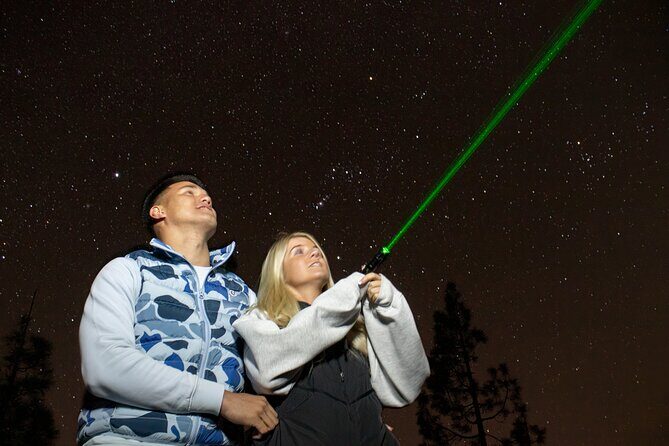
The stargazing part takes place at a lookout near Mount Samara, with the exact point decided on site based on weather. That weather-first approach matters in Tenerife, because cloud cover and sky brightness can seriously affect what you’ll see.
This is where I’d call the tour’s biggest advantage: the telescope is not a “just look through this” setup. They use a large computerized telescope and a laser guide to help you locate targets. You’ll look at the Moon, but you won’t stop there. On guided nights, the telescope has been used to view planets and deep-sky objects like galaxies, nebulae, and star clusters—so the experience stays interesting even if you’ve seen a telescope before.
If the sky is friendly, you might catch the Milky Way clearly. If it’s not as friendly, you’ll still get structure: the guides help you understand constellations and what you’re looking at rather than leaving you with a blurry “cool idea” photo.
One more real-world note: a full Moon can happen. When that’s the case, the night can still be memorable—especially watching the Moon rise over the mountains—but the full brightness can reduce how many stars you’ll see sharply.
Photography in Real Time: What to Shoot When the Sky Changes Fast
The tour includes expert advice for photography opportunities, and that’s not an empty promise. In practice, you’ll get help deciding what to aim for during the key transitions: the sunset glow, the shift into darker sky, and then the star targets once the telescope is up.
What I like about this approach is that it’s practical. You’re not left with “try long exposures” and crossed fingers. You’re timing your shots to conditions as they evolve, which is exactly what matters at night.
A few things you’ll want to do for your camera (and your sanity):
- Keep your hands warm so you can adjust settings without freezing
- Use a stable support (tripod if you have one) for long exposures
- Plan for changing light—sunset fades fast, and then the telescope adds bright points to frame
And don’t worry if you’re not a photographer. The guides’ job is to translate what you’re seeing into something you can actually capture.
Price and Logistics: Is $48.01 Good Value for This Teide Night?
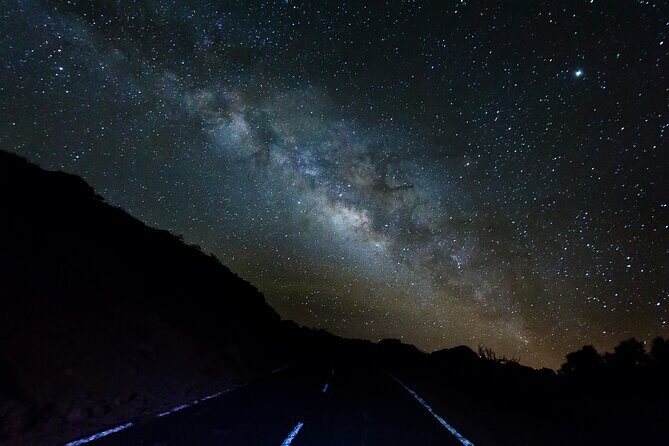
At $48.01 per person, you’re paying for a short, guided night experience that includes admission into what you need for stargazing time, plus a telescope and an included drink (a glass of cava or a non-alcoholic alternative). For a specialized night in a major location like Teide National Park, that’s a reasonable deal—especially because you’re not paying for guesswork or separate astronomy-only add-ons.
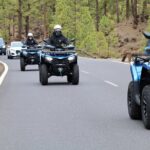
The one logistical trade-off is that the “self-drive” part isn’t total independence. I’d describe it as freedom to handle your own driving while still following the team’s timing and route between viewpoints. One review called out that this can feel like being on the outside looking in, and I agree it can be a mental adjustment if you want to roam completely on your own schedule.
Still, that structure is also the point. It helps you avoid getting lost in a dark park and makes sure you’re at the right spot when the sky is at its best.
What to Expect From the Group and Language
This is an English-only tour. Most people can participate, and the group limit is up to 45. That’s large enough that it feels like a real tour, but small enough that the guide can still talk to individuals when questions come up.
If you’re traveling with kids, note that it can be most enjoyable for ages 12 and up, especially if everyone in your group is comfortable with English. If you’re not, you might find the astronomy explanations harder to follow—but if your English is solid, it’s a great way to learn the sky instead of just staring at it.
Also, bring patience for the start point. The meeting area can feel crowded because multiple tours share the same sunset pickup spot. Once you move on, the vibe usually calms down quickly.
What to Bring: Teide Cold Is Part of the Deal
Dress for cold. Even in Tenerife, nights at these elevations can be freezing, and the tour runs into the darker hours. If you forget something warm, don’t assume you’re totally out of luck—on at least one night, the crew had thick jackets available to borrow.
You’ll likely stand around during sunset and again during telescope time, so plan for your body temperature to matter. Warm layers, a hat, and gloves make a big difference between “I’ll enjoy this” and “I can’t feel my fingers.”
Should You Book the Polestar Self-Drive Sunset Stars Tour?
Yes, I think you should book it if you want a two-part night: sunset views with cava, then real stargazing with a computerized telescope. This is especially worth it if you’d rather not spend your vacation trying to figure out where to go in Teide after dark.
I’d skip it—or at least set expectations—if you want completely solo wandering. The tour keeps you on a planned path to maximize the sky time, so it’s not “drive anywhere, do whatever” freedom.
If you’re flexible, pack warm, and show up ready to look up and learn, this is the kind of Tenerife night that sticks.
FAQ
Is the tour in English?
Yes. The experience is offered in English only.
How long is the Polestar Self-Drive Sunset Stars Tour?
It runs about 2 hours 30 minutes (approx.).
What’s included with the ticket?
You get telescope use, and you’ll receive a glass of cava (or a non-alcoholic drink).
Is dinner included?
No food or dinner is served.
Where do I meet for the tour?
You meet at Mirador de los Poleos, 38690 Santiago del Teide, Santa Cruz de Tenerife, Spain.
Where does the tour end?
The tour ends at Mirador de Samara, 38688 Guía de Isora, Santa Cruz de Tenerife, Spain.
Does the stargazing location ever change?
Yes. The stargazing point can vary and is decided on site depending on weather conditions.
Do I need good weather for this experience?
Yes. The experience requires good weather, and if it’s canceled due to poor weather you’ll be offered another date or a full refund.
How many people are in the group?
The tour has a maximum of 45 travelers.
Are service animals allowed?
Yes, service animals are allowed.
Should You Book the Polestar Self-Drive Sunset Stars Tour?
Book it if your ideal Tenerife evening is sunset first, then astronomy with equipment, and you’re okay with following the team between viewpoints. Skip it if you want total independent driving with no guided pacing, or if you’re not willing to plan for cold night temperatures.