REVIEW · EVENING EXPERIENCES
Tenerife: Sunset and Stargazing at Teide National Park
Book on GetYourGuide →Operated by DAS Experience Tenerife SL · Bookable on GetYourGuide
Stars begin at sunset here. I like the way your evening starts with Cava while Mount Teide and the lava fields shape the horizon, and I really love how the sky opens up once darkness hits with laser pointers and a 12-inch Dobsonian telescope. The only real catch is the cold and wind up at the viewpoints, so pack for winter weather even if Tenerife feels mild in town.
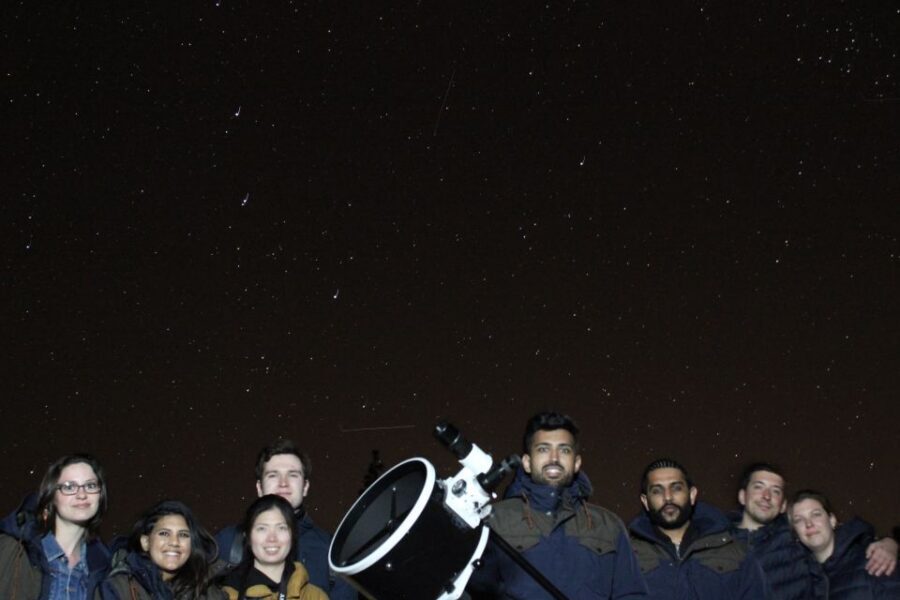
The small-group feel keeps the night from turning into a rushed show. Guides such as Peter, Phil, Roland, Daniele, and Jamie run the astronomy in plain language, then help you find Polaris using Ursa Major and track down the Andromeda galaxy using the Great Square of Pegasus (with a bit of Greek mythology for good measure). You also get an individual professional astrophotography photo made for you under the stars.
In This Review
- Quick hits
- Why Teide National Park Sunset + Stargazing Feels Special
- Price and What $47 Really Covers
- VIP Pickup or Self-Drive: How You Get to the Right Spots
- VIP option (easier if you’re staying on the south coast)
- Self-drive option (cheaper, but you drive the plan)
- Sunset Stop at 1,400m: Lava, La Gomera, and a Cava Toast
- Laser-Guided Stargazing Above the Clouds With a 12-inch Dobsonian
- Warmth helps your focus
- What You Can See by Season: Moon, Saturn Rings, Jupiter Moons, Pleiades
- Your Free Astrophotography Photo: A Souvenir That Fits the Moment
- Weather Changes the Plan, But the Night Isn’t Lost
- Practical Stuff to Bring (So You Can Actually Enjoy It)
- Should You Book This Tenerife Sunset and Stargazing Tour?
- FAQ
- How long is the sunset and stargazing experience?
- Where do you do the stargazing?
- Does the tour provide telescope viewing?
- Is a photo included?
- What drinks are included?
- Do I need a rental car?
- Are there toilets at the stargazing location?
Quick hits
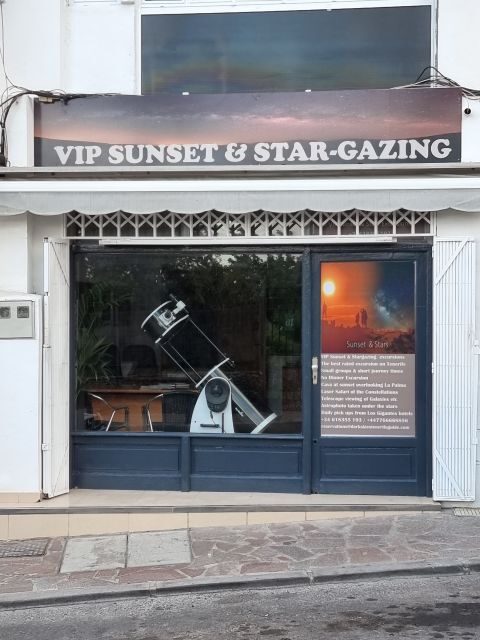
- Sunset views from 1,400m with La Gomera, La Palma, and El Hierro on the horizon
- Cava toast (or non-alcoholic drink) timed as the sky turns red and gold
- Laser-guided sky tour to find Polaris and Andromeda, step by step
- 12-inch Dobsonian telescope for targets like Saturn’s rings and Jupiter’s moons when visible
- Free pro photo taken using astrophotography techniques, just for you
- Weather-smart plan: if wind or clouds get bad, guides shift to a lower viewpoint that still works
Why Teide National Park Sunset + Stargazing Feels Special
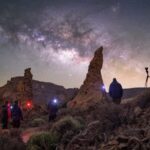
Tenerife’s Teide area is built for this exact timing: daylight fades fast, the air cools, and the sky gets dark enough to make star-hunting feel real instead of symbolic. You’re not just looking up from a random roadside pull-off. The viewpoints sit at around 1,400 meters, with views that can include the cloud sea below and Mount Teide in the same frame.
Another detail I like is the volcanic backdrop. The main sunset viewpoint is near a lava flow tied to an eruption recorded in the ship’s log of Cristopher Colombus in 1492. It adds a “this place has been busy for centuries” feeling that goes beyond pretty scenery.
And yes, every sunset is different. That means you’re not paying for a fixed “show time.” You’re paying for conditions to line up, the guides to point, and the sky to do its thing.
You can also read our reviews of more evening experiences in Tenerife
Price and What $47 Really Covers
At about $47 per person for 3–4 hours, this is strong value if your priorities are (1) a dark-sky stargazing session and (2) expert guidance without a long dinner-and-wait routine.
Here’s what you’re actually getting for the price:
- pickup/drop-off if you choose the right option
- a guided stargazing session with a starlight-certified guide
- telescope time with a 12-inch Dobsonian
- a glass of Cava (or non-alcoholic drink)
- a professional photo of you taken with astrophotography techniques
What’s not included matters too. Food isn’t included, and there are no toilets near the stargazing locations. If you’re the type who needs a snack or restroom access on a tight schedule, plan ahead before you leave.
VIP Pickup or Self-Drive: How You Get to the Right Spots
You’ve got two clean ways to do this.
VIP option (easier if you’re staying on the south coast)
If you pick VIP, you’ll be picked up and dropped off at your accommodation (or a close pickup point) within the south of Tenerife, roughly between El Medano and Los Gigantes. You must add your exact pickup address at least 24 hours before the tour, and you’ll receive the real pickup time by WhatsApp.
This is the best fit if you don’t want to think about parking, timing, and mountain roads before you’re already cold and tired.
Self-drive option (cheaper, but you drive the plan)
If you self-drive, you meet the group at the Mirador de los Poleos area (confirm the exact spot on Google Maps). After sunset, you follow the guides to the stargazing location yourself.
Two practical cautions from real-world experience:
- Arrive early for the first sunset stop. Parking can be crowded and the space is limited.
- The mountain roads can be a bit tough if you’re young or inexperienced behind the wheel, especially in cooler night conditions.
Also, meeting times can be confusing because the ticket time may be generic. The real timing comes through WhatsApp the day of, so check it.
Sunset Stop at 1,400m: Lava, La Gomera, and a Cava Toast
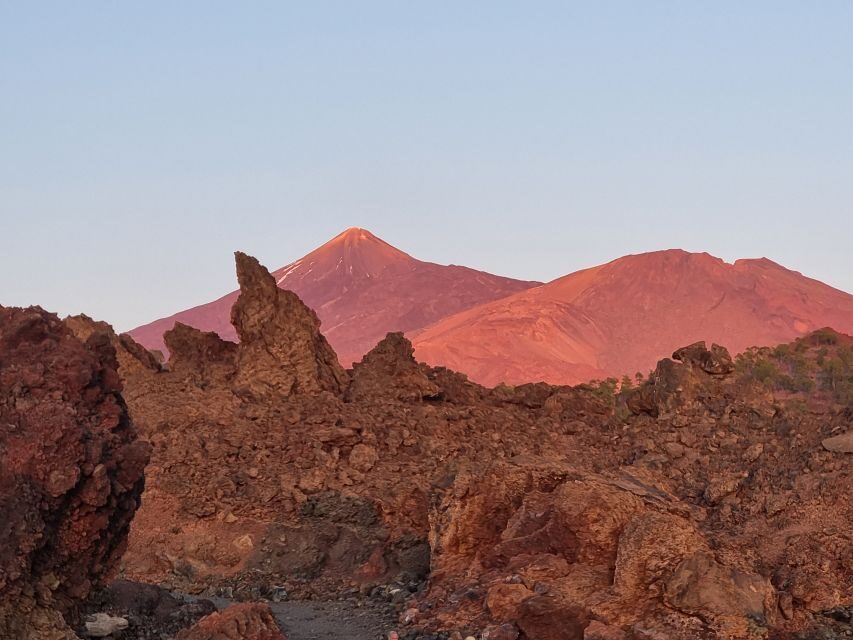
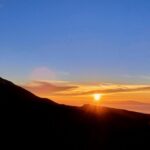
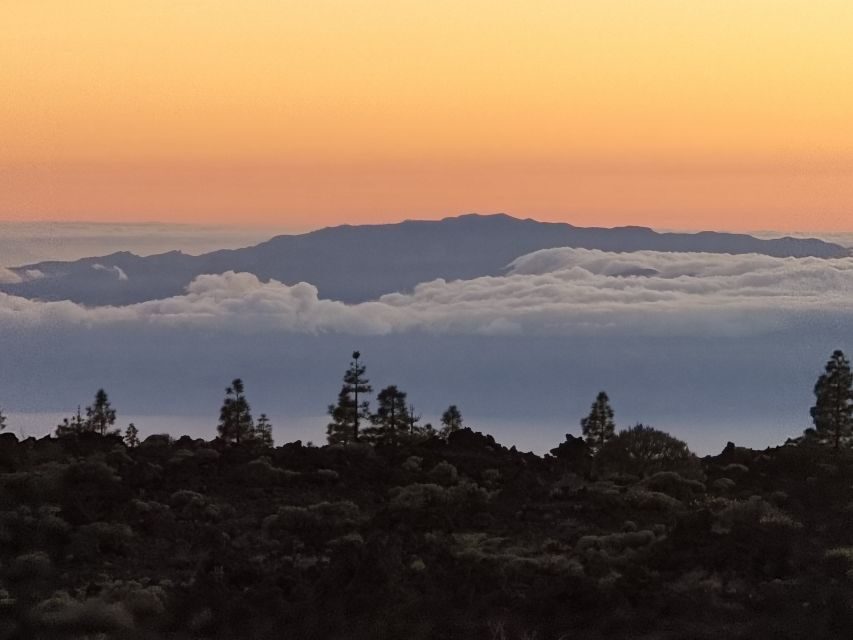
The evening starts with a van ride (about 45 minutes), then you settle at the first viewpoint for a photo stop and sunset watching. This stop is timed so you get the slow color shift as the sun drops over La Gomera, La Palma, and El Hierro.
You’ll likely notice three things quickly:
- The air feels sharper and cooler the higher you go.
- The volcanic texture shows up in the landscape in a more dramatic way at golden hour.
- Mount Teide can be part of the background even as the islands line up along the horizon.
And then comes the welcome moment: a glass of Cava (or a non-alcoholic drink). It’s a small thing, but it changes the vibe. You’re not rushing through a viewpoint. You’re staying long enough to watch the sky change, and the drink gives you a reason to pause.
One more practical point: at these public viewpoints you should assume no toilets nearby. If that’s a concern for your own comfort, handle it before you start the tour.
Laser-Guided Stargazing Above the Clouds With a 12-inch Dobsonian
After sunset, there’s a short transfer (around 5 minutes), then the real astronomy begins.
You’ll get guided explanations using a laser pointer and storytelling that makes the sky easier to read. The guides show you how to find Polaris (the North Star) using an asterism in Ursa Major, and they show how to locate the Andromeda galaxy using the Great Square of Pegasus. You’ll hear the myths while you learn the method. It’s not “facts only.” It’s the kind of lesson that sticks.
Then you get telescope time with a 12-inch Dobsonian, a size that’s big enough to make planets and bright deep-sky objects feel closer. When conditions are right and targets are up, guides point them out clearly and help you learn what you’re looking at.
This is also where the small-group dynamic pays off. In recent evenings, groups were sized so you weren’t waiting forever to look through the telescope. That matters, because stargazing is only fun when you actually get time at the eyepiece.
Warmth helps your focus
If you choose VIP, warm jackets are included for cold nights. Even so, you should dress like you’ll be outside for a while. Warm layers make the difference between enjoying the sky and simply enduring the wind.
What You Can See by Season: Moon, Saturn Rings, Jupiter Moons, Pleiades
This tour is built around what the sky is offering at the time of year, so you won’t get the same “best-of” list every month.
Expect these patterns:
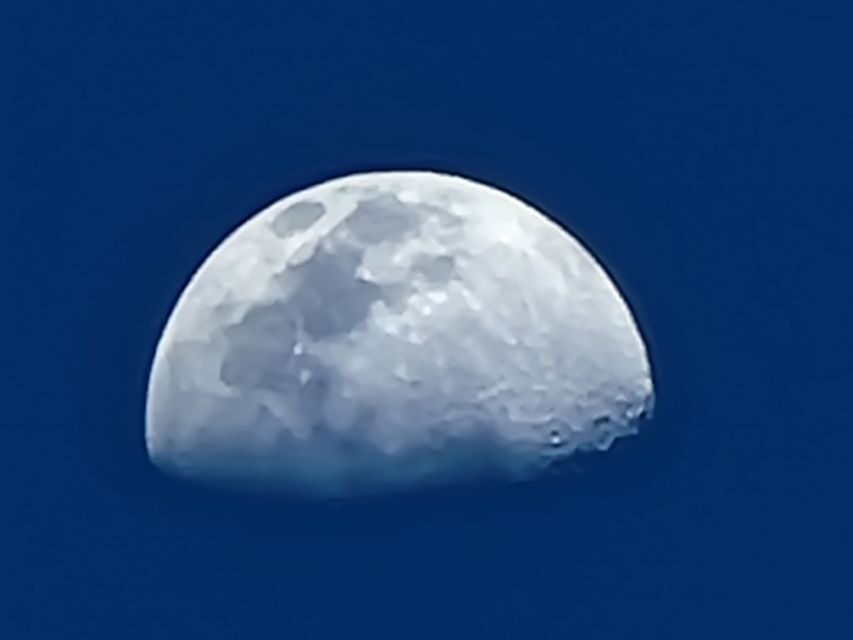
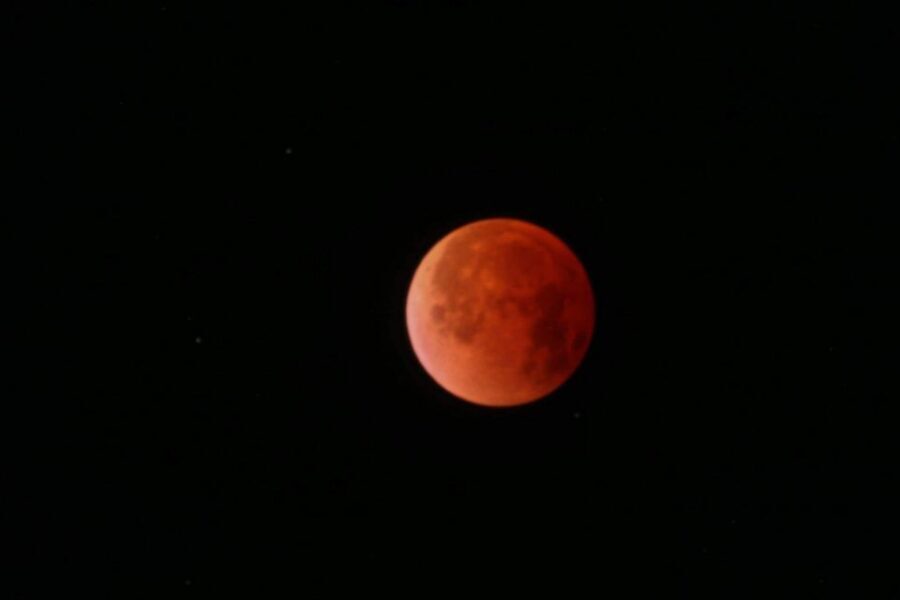
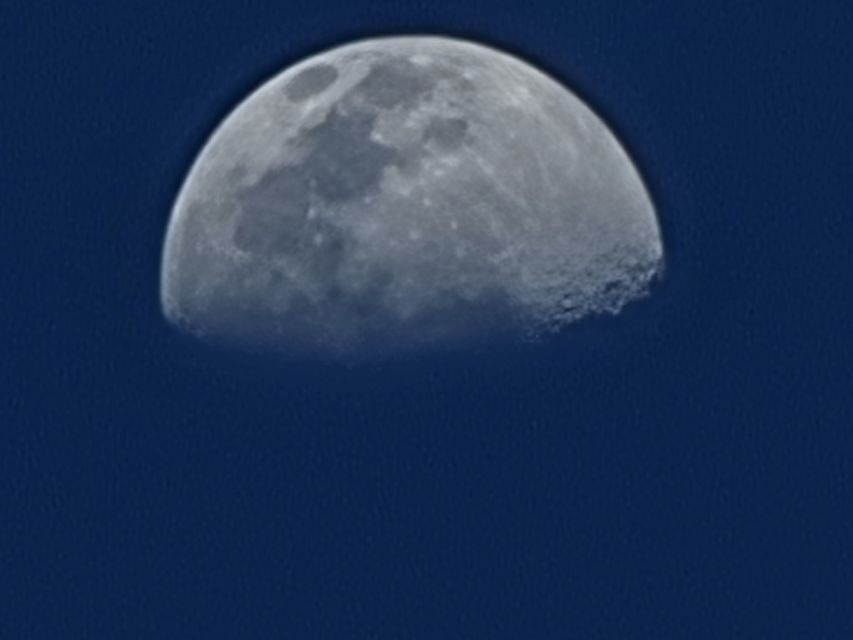
- Moon: the Moon becomes the main show in the days leading up to and including full moon. You’ll spend real time on it.
- Planets: planets like Saturn and Jupiter depend on visibility. When they’re up, you can see details like Saturn’s rings and Jupiter’s moons (often the Galilean moons) through the telescope.
- Winter deep-sky targets: in winter months, you can get views of the Pleiades, also known as the Seven Sisters in Taurus.
You might also catch additional highlights when luck and conditions cooperate, like the Milky Way on very clear nights.
A quick tip for your expectations: if the Moon is bright, it can reduce how faint some galaxies and nebulae look. That doesn’t ruin the experience, but it changes what will wow you most.
Your Free Astrophotography Photo: A Souvenir That Fits the Moment
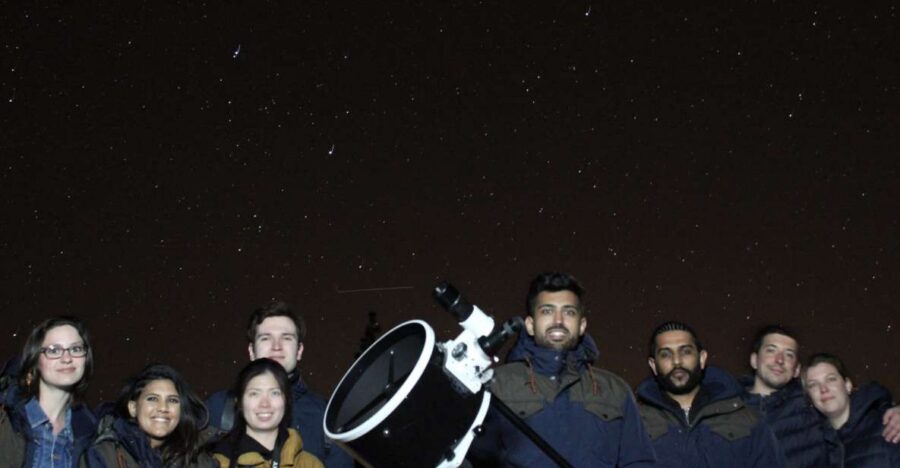
This is one of the most practical upgrades for me: you get an individual professional photograph of yourself under the stars, made using astrophotography techniques. It’s free, and it saves you from the usual problem of trying to set a camera on a tripod while someone in your group is freezing and you’re all arguing about settings.
Since it’s individualized, it feels less like a souvenir sticker and more like an actual memory. If you’re the type who wants the moment captured without doing any work, this part alone is worth paying attention to.
Weather Changes the Plan, But the Night Isn’t Lost
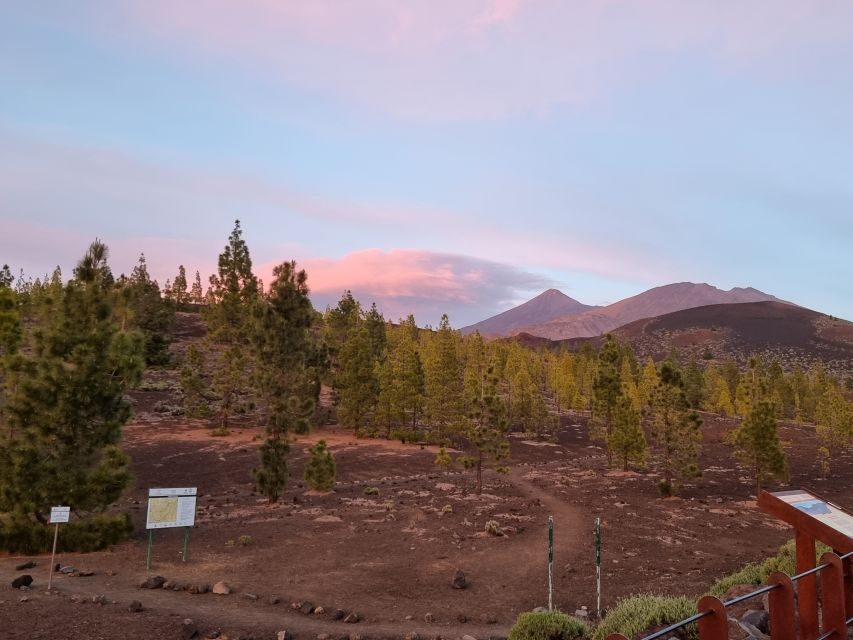
In Tenerife, weather can shift fast. The tour plan accounts for that. If the guides decide conditions are too rough—think high wind, clouds, or very low temperatures—they may choose to stay at the lower viewpoint rather than pushing higher.
That’s a good call because stargazing depends on stable sightlines. If the sky clears, you get the payoff. If it stays cloudy, the guides still keep the experience rolling with explanations and targets you can see.
I like that the approach isn’t panic mode. It’s problem-solving mode. You’re paying for the guided astronomy and the clear-sky odds, and they manage the evening accordingly.
Practical Stuff to Bring (So You Can Actually Enjoy It)
The right clothing is the difference between a “wow night” and a “why am I so cold” night.
Bring:
- comfortable shoes
- a warm jacket
- long sleeves and long pants
- sports shoes or warm footwear
- weather-appropriate layers
Not allowed:
- pets
- bikes
- baby carriages
Also keep in mind:
- This activity uses public viewpoints. It’s not the cable car. It’s not the Teide Observatory, and you’re not hiking to Mount Teide.
- People with altitude sickness shouldn’t take this tour.
- Kids under 5 aren’t allowed on the VIP option, but they’re welcome with the self-drive option.
- If you’re in a wheelchair, you should inform the organizers.
Should You Book This Tenerife Sunset and Stargazing Tour?
Book it if:
- you want a true night-sky experience without a long, complicated day plan
- you care about guidance that helps you find specific targets like Polaris and Andromeda
- you want telescope time and a free professional photo afterward
- you’re comfortable dressing for cold mountain air and staying outside for a few hours
Skip it if:
- you need guaranteed warmth and indoor comfort
- you get bothered by being outside in wind
- you absolutely need toilets and food on hand during the session
- altitude sickness is part of your health history
If you’re on the fence, I’d choose based on one thing: can you handle a chilly outdoor evening? If yes, this is one of the most efficient ways to enjoy Tenerife after dark, with the volcano views wrapped into the experience.
FAQ
How long is the sunset and stargazing experience?
It runs about 3 to 4 hours.
Where do you do the stargazing?
It takes place at public viewpoints, not on Mount Teide itself. Cable car, Teide Observatory visits, and hiking to Mount Teide are not included.
Does the tour provide telescope viewing?
Yes. You get a guided stargazing session using a 12-inch Dobsonian telescope.
Is a photo included?
Yes. You’ll receive an individual professional photograph taken using astrophotography techniques.
What drinks are included?
You’ll get a glass of Cava (Spanish sparkling wine) or a non-alcoholic drink, plus welcome refreshments.
Do I need a rental car?
Only if you choose the self-drive option. For VIP, pickup and drop-off are provided within the south pickup area.
Are there toilets at the stargazing location?
No. There are no toilet facilities at or near the stargazing locations.