REVIEW · HIKING & TREKKING
Tenerife: Teide Peak Hiking 3715m
Book on GetYourGuide →Operated by Vulcan Walkers · Bookable on GetYourGuide
Teide doesn’t ease you in. This hike takes you straight to Spain’s highest point, and at 3715 m the whole island feels a long way down. You’ll earn the summit with an official permit timed for your group, then you get the 360-degree panorama people dream about.
What I like most is the combination of qualified mountain guiding and real mountain gear. You’re not just buying a ticket to altitude; you’re getting a plan for the tough parts, including trekking poles and a headlamp. My only big caution: the schedule still depends on your summit time, and the return can be long, steep, and rocky, so it helps to be patient with a steady hiking pace.
In This Review
- Key things that make Teide Peak hiking worth it
- Teide at 3715 m: what makes it feel so different
- The 6-hour timing: what your day feels like from start to finish
- Summit permit and guide: why this hike runs smoother than DIY
- Going up: volcanic ground, traction, and that “we’re above it all” moment
- At the top: 360° views, photo stops, and making the most of limited time
- Return options: cable car down vs. hiking the 10 km Montana Blanca route
- Gear and clothing: what’s included and what you still must bring
- Weather on Teide: how cold, snow, and wind change the experience
- Price and value: does $199 make sense for a 3715 m hike?
- Who this tour suits best (and who should skip it)
- Practical tips for your Teide day
- Should you book this Teide Peak Hiking day?
- FAQ
- What’s the duration of the Teide Peak Hiking tour?
- Is the summit permit included?
- How many people are in the group?
- What languages are available for the tour guide?
- Can I go down by cable car instead of hiking?
- What should I bring with me?
- What’s the minimum number of people needed to start?
- Is the tour refundable if my plans change?
Key things that make Teide Peak hiking worth it
- Summit access with an official time permit so you’re not guessing or rushing
- Small group (up to 10) for a calmer, easier-to-manage hike at altitude
- Guide-led navigation and local context, including volcanic and park history
- Return choices: cable car down if you want it, or a longer hike via Montana Blanca
- Practical cold-weather support if conditions turn snowy or icy, with added traction gear when needed
Teide at 3715 m: what makes it feel so different
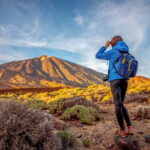
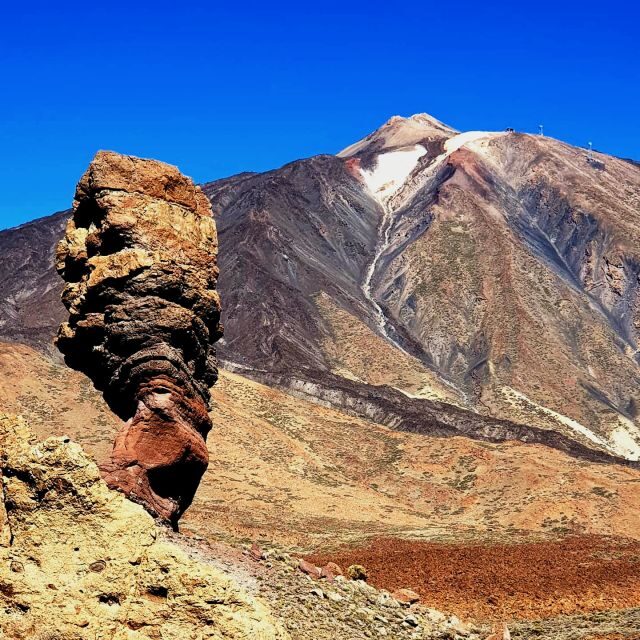
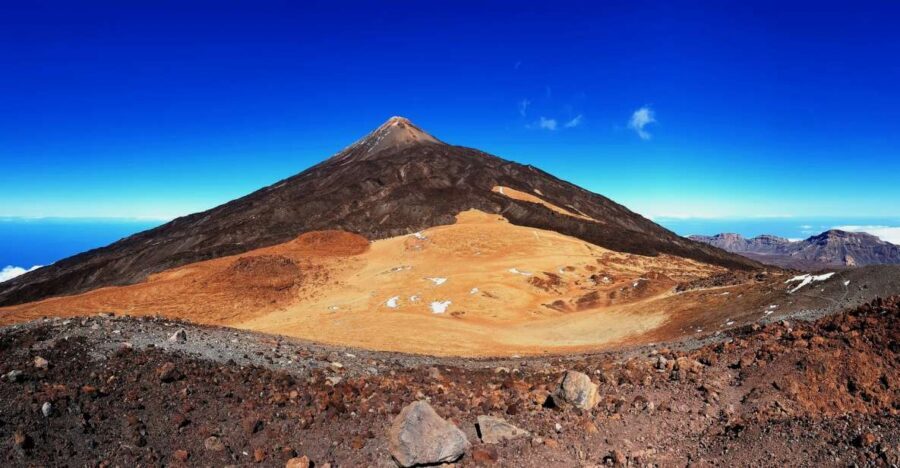
Teide is the highest point in Spain, and when you climb above 3000 m you stop thinking like you’re on a normal vacation hike. The air feels thinner, the ground turns into volcanic textures, and the colors of the rocks can look almost unreal—sand, ash, and broken stone shifting tones as the light changes.
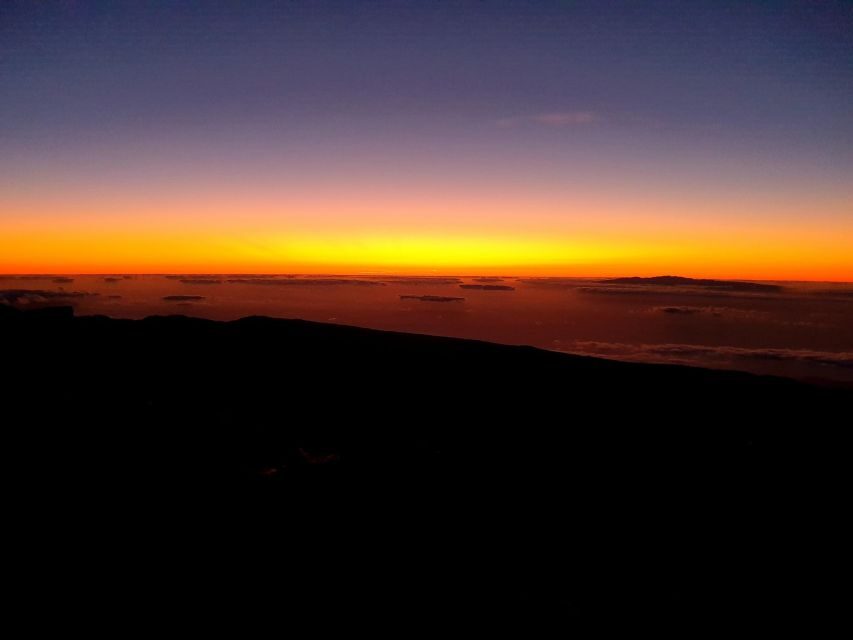
The summit payoff is the 360-degree view, the kind that makes you want to send photos immediately. On clear days you can see the surrounding islands and the Atlantic spread out below you, which is exactly what makes this hike a bucket-list day for so many people.
Still, don’t treat it as a casual walk. Even with help, Teide is about effort and attention. The altitude is real, and the trail can be uneven and exposed—especially when winter weather rolls in.
You can also read our reviews of more hiking tours in Tenerife
The 6-hour timing: what your day feels like from start to finish
This is a 6-hour experience, but the day doesn’t feel like six hours of nonstop walking. Your timeline is built around the summit permit, so your climb starts and peaks when you’re allowed to be at the top.
Once you’re moving, expect a steady rhythm: climb when you can, regroup when you need to, and keep an eye on the conditions. The climb is the “serious” part, and the biggest variable is what the mountain is doing that day—wind, cold, snow, or ice can change how the return feels.
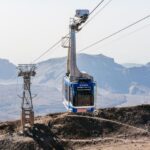
At the top, the time window is when you’ll want to slow down and soak in the views. Then you’ll handle the descent in one of two ways: cable car down for an easier finish, or hiking down via Montana Blanca for a longer, more intense end.
Summit permit and guide: why this hike runs smoother than DIY
The permit to reach the peak is included, and it comes with a time. That matters because Teide isn’t the kind of place where you simply show up and improvise your timing, then hope everything works out.
A qualified mountain guide also changes the whole experience. You’re not just following a route; you’re learning why this place looks the way it does and how the national park fits into the larger volcanic story of Tenerife. On recent groups, guides such as Peter and Evelyn have led hikes and talked through the terrain in a calm, practical way.
I also appreciate the way the guide helps you manage your pace. In a hike like this, one person walking too fast or too slow can throw off the group. Having a guide who can keep you moving safely—and still let you enjoy the scenery—makes a big difference.
Going up: volcanic ground, traction, and that “we’re above it all” moment
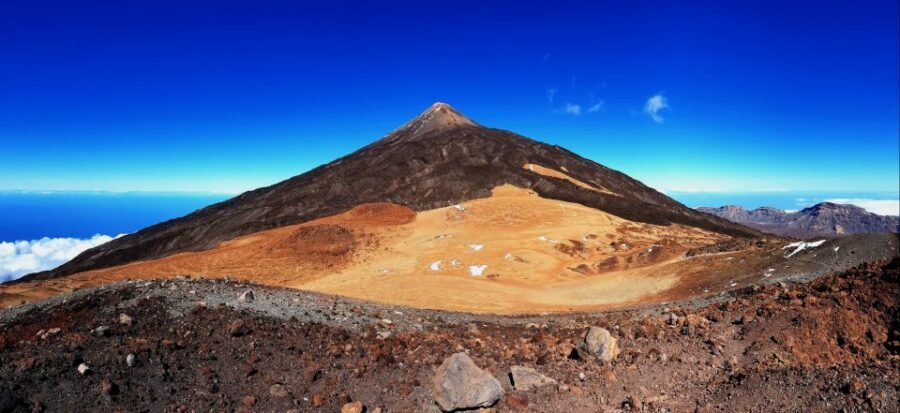
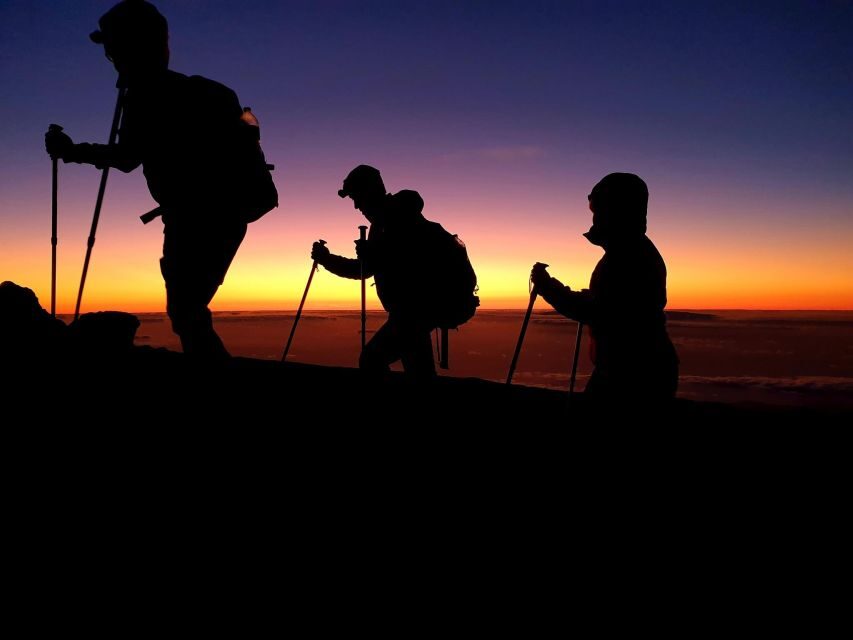
As you climb, the trail turns into a working lesson in volcanic geology—rock, sand-like areas, and color shifts that make the route look different every stretch. If the weather is mixed, you might need extra traction. On colder days, people have reported short sections where spikes/crampons were used because of snow, but the key point is that it’s handled with the right gear.
The best way to think about the ascent is: it’s challenging, but it’s guided and planned. You’ll have trekking poles, and you’ll be wearing proper footwear. If you’re used to walking on flat ground, remember that Teide asks your legs to work continuously, not just at the steeper bits.
Also, the summit can come with cold. Warm layers aren’t optional. Even if the day starts mild, temperatures can drop fast once you gain elevation.
At the top: 360° views, photo stops, and making the most of limited time
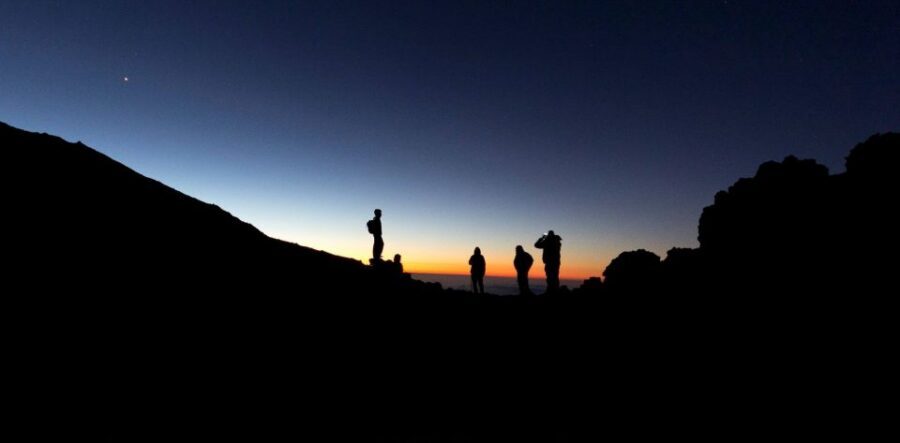
Reaching the summit is the clear highlight: Teide Peak at 3715 m with a true panoramic view around you. This is the moment that makes the entire hike make sense—the feeling of being on the top of the world, where the island curves away and the horizon becomes the main character.
You’ll want to plan your photos so you’re not zig-zagging around too much once you’re up there. Take your images early, then spend the rest of the time breathing, looking, and letting your brain adjust to the scale.
Some departures include extra moments beyond just summit photos. One group schedule included a stop for stargazing, and that kind of add-on is a reminder that this isn’t only about the summit—it’s about experiencing Teide as a whole environment.

Return options: cable car down vs. hiking the 10 km Montana Blanca route
Here’s the fork in the day. With the cable car, the finish can feel much easier. Without it, you’ll hike down via Montana Blanca, and that option is described as about 10 km with around 1400 m of elevation change.
That long descent is the main consideration for many first-timers. Even if you’re fit, knees and ankles will notice the time on uneven terrain. It also takes longer, so your day ends later—something to keep in mind if you’re trying to catch dinner plans or a specific evening shuttle.
If you’re choosing the hike-down option, I’d only recommend it when you’re genuinely comfortable with long downhill effort. It’s not about grit; it’s about protecting your body and enjoying the scenery instead of white-knuckling each step.
Gear and clothing: what’s included and what you still must bring
This tour doesn’t leave you empty-handed. You get trekking poles and a headlamp, plus ankle-high hiking boots if needed, and items like a coat, sweater, hat, and gloves to cover missing equipment for the hike. That gear support is especially helpful if you’re traveling light.
You still need to bring your own day essentials:
- daypack
- sunscreen
- sportswear
- warm clothing
- hiking shoes / comfortable shoes
- food and drinks
- water
- passport or ID card
One practical tip: pack snacks you can eat while you’re moving. A long hike means energy dips, and you’ll feel better if you’re not hunting for food at the worst possible time.
And yes, winter traction can matter. If snow or ice shows up, you may use crampons/spikes during short stretches, so be ready to follow the guide’s instructions quickly.
Weather on Teide: how cold, snow, and wind change the experience
Teide’s elevation doesn’t negotiate. Even if the forecast says “okay,” conditions can shift as you climb, especially during winter months.
When snow and ice are present, the trail can be slick even for short sections. On one winter day, people reached the summit in snow and ice, and the provided traction gear helped keep the footing manageable. If you’re going in colder season, expect the mountain to be less forgiving than a summer hike.
Wind is another factor you feel at altitude. It can make warm layers feel mandatory fast, and it can dry you out, so keep drinking water even if you don’t feel thirsty.
Price and value: does $199 make sense for a 3715 m hike?
At $199 per person for a roughly 6-hour guided hike, the value mostly comes from what’s included. You’re paying for the official summit permit at a timed slot, a qualified mountain guide, liability and accident insurance, and a package of mountain equipment and clothing support.
Compare that to a DIY approach: you’d still need a plan for the permit timing, you’d have to source trekking poles, and you’d be responsible for cold-weather readiness. Here, the tour handles the permit and stacks the day in your favor with gear support like headlamps and trekking poles.
There is one extra cost to budget for: cable car entry is not included. If you choose to take the cable car down, it costs +24€/person. Think of this as the trade-off: spend more to reduce downhill strain, or hike down for a longer, more intense finish.
Who this tour suits best (and who should skip it)
This Teide hike is best for people who are comfortable with altitude and a challenging trail profile. It’s also best for anyone who wants the summit without the stress of figuring out permits and logistics alone.
It’s small group too—limited to 10 participants—which helps the guide keep you together and handle gear needs.
On the flip side, it’s explicitly not suitable for:
- people over 65
- people under 120 cm (3 ft 9 in)
- pregnant women
- children under 12
- people with mobility impairments
- people with high blood pressure
If you fall into any of those categories, you’ll be safer choosing another kind of Tenerife day.
Practical tips for your Teide day
A few habits make this hike go smoother:
- Start early energy-wise: eat before you’re fully exerting yourself.
- Dress in layers you can adjust fast as the weather shifts.
- Wear boots you know. Blisters at 3715 m are not a fun souvenir.
- Bring a real daypack and keep water accessible.
- Have your ID ready; you’ll need passport or ID card.
Also, follow the meeting instructions exactly. You’ll meet outside of the barrel, and you should not head up to the cable car station without the guide. It’s a small detail, but it prevents confusion when everyone’s trying to stay on schedule.
Should you book this Teide Peak Hiking day?
If you want Spain’s highest point with less guesswork, book it. The permit, guide leadership, and gear support remove the biggest headaches, and the summit views are the kind you’ll talk about for years.
I’d especially recommend it if you like doing one “big” thing well on a trip. Teide is not a background activity; it’s the main event. With a qualified guide and small group setup, you can focus on the terrain, the views, and staying safe.
If your main goal is a relaxed day, this probably isn’t it—Teide is hard even with the cable car option. But if you’re ready to work for the views and you’re smart about weather and pacing, this is a strong way to experience Tenerife’s volcanic crown.
FAQ
What’s the duration of the Teide Peak Hiking tour?
The duration is 6 hours.
Is the summit permit included?
Yes. The tour includes the official permit to go to the peak at a specific time.
How many people are in the group?
The group is small, limited to 10 participants.
What languages are available for the tour guide?
The live tour guide is available in English, Hungarian, and Spanish.
Can I go down by cable car instead of hiking?
Yes, there is an option to take the cable car down. The cable car costs +24€/person and cable car timing affects the day’s meeting time.
What should I bring with me?
Bring a daypack, sunscreen, passport or ID card, sportswear, warm clothing, hiking shoes/comfortable shoes, food and drinks, and water.
What’s the minimum number of people needed to start?
The activity requires a minimum of 4 people to start. If fewer join, the tour can be canceled.
Is the tour refundable if my plans change?
Yes. It offers free cancellation up to 24 hours in advance for a full refund.