REVIEW · EVENING EXPERIENCES
Sunset & Stargazing Experience from Teide
Book on Viator →Operated by Tenerife Stars · Bookable on Viator
Teide at night turns your phone into stardust. You’ll do a sunset from high ground, then finish with guided stargazing near Teide and powerful telescopes, plus a 3-course dinner at Guia de Isora. I especially loved the dark-sky stargazing and the chance to see real night-sky targets through the scope, and the dinner stop is a proper sit-down meal with local wine. The main downside to plan for is crowding, which can shorten individual telescope time when the group runs full.
In this tour, the guide runs the show with laser pointers and sky stories, using clear English for most of the night. Start time is 3:30 pm for about 6 hours, and it’s capped at 55 people, so it’s not a tiny group. If you’re picky about quiet and long, hands-on telescope time, this may feel a bit rushed at the end.
In This Review
- Key things I’d circle before you book
- Guia de Isora dinner pickup: the calm start to a big night
- Mirador de los Poleos: sunset with island views you can point at
- Queen’s Shoe stargazing near Teide: why the sky looks different
- Telescopes and laser pointers: what you can realistically see
- Timing, crowds, and the gear you actually need
- Crowds and telescope queues
- Staring for hours means you need comfort
- Toilets: plan like there won’t be convenient ones
- Price and value: $78.19 for dinner, transport, and telescopes
- Photo sharing: great when it works, annoying when it doesn’t
- Who this tour is best for
- Should you book Sunset & Stargazing from Teide (Tenerife Stars)?
- FAQ
- What time does the tour start?
- How long is the experience?
- What is the price per person?
- Do they offer pickup?
- Where does the tour include meals?
- Is the tour in English?
- What is included for stargazing?
- Are admission tickets included?
- How many people is the tour limited to?
- What if the weather is poor?
Key things I’d circle before you book
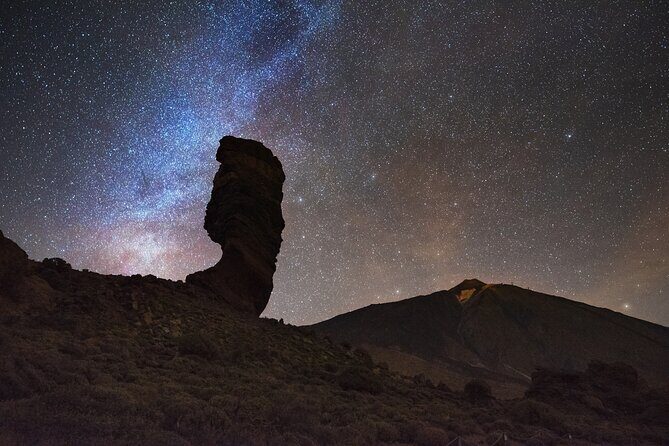
- High-altitude stargazing near Teide at around 2000 meters, where the sky gets dramatically darker
- Mirador de los Poleos sunset views with sightlines toward La Gomera, La Palma, and El Hierro
- 3-course meal at Guia de Isora with organic local wine, water, and soft drinks (plus veg options)
- Powerful telescopes and laser-pointer guidance for planets, stars, and nebula targets
- Photos shared with you from different moments, so you can focus on looking up
- Limited time per person if the group is at capacity, so manage expectations at the telescope stops
Guia de Isora dinner pickup: the calm start to a big night
Most of the magic here starts before sunset. The tour leaves at 3:30 pm and, if you’re staying in the south, you can get free pickup and return from points close to your hotel. The company confirms your pickup details by WhatsApp the morning of the experience, so keep an eye on your phone that day.
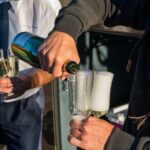
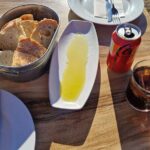
First stop is Guia de Isora, where you get a 3-course meal with organic local wine, water, and soft drinks. What I like about this set-up is that it turns the day into something you can actually enjoy, even before the stargazing. You’re not just rushing from photo stop to photo stop. You sit down, eat well, and you get a little breathing room in a relaxed setting with views and a chance to take a short walk around.
Meal reality check: this isn’t a quiet, romantic dinner-for-two situation. It’s set up for a group (and can feel busy during service). Still, you’re eating at a local place rather than a generic package meal. If you have dietary needs, the tour offers vegetarian or vegan meal options, which is a real plus for comfort during a long evening.
Practical tip: plan to dress for the evening in layers. You’ll be outside after dinner and again at the stargazing stop, and it’s easy to underestimate how fast temperatures drop once you get higher.
You can also read our reviews of more evening experiences in Tenerife
Mirador de los Poleos: sunset with island views you can point at
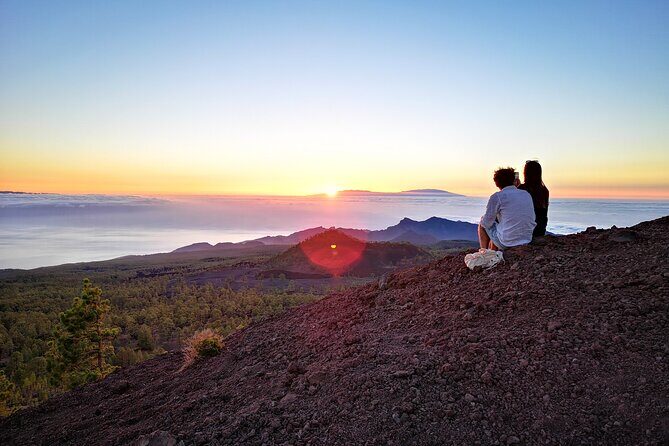
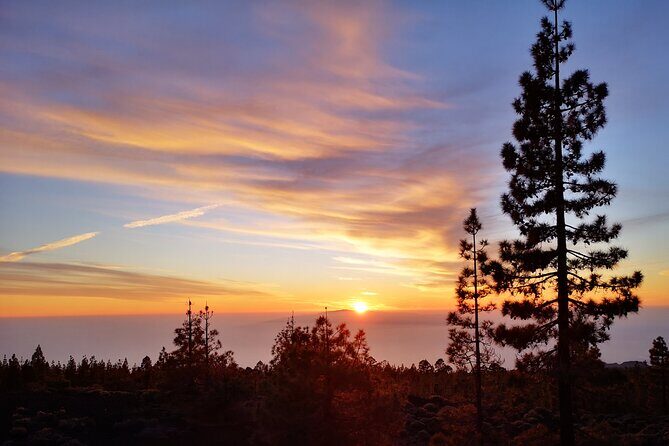
After dinner, the tour moves you to Mirador de los Poleos, one of those viewpoints where the sky suddenly feels huge. You get about 30 minutes here, which sounds short until you realize this is the window where the sunset colors shift quickly.
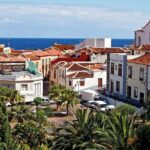
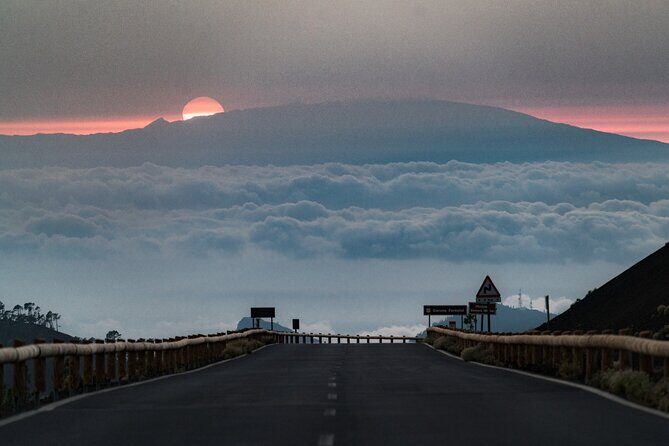
This is also where the “Tenerife from above” feeling clicks. From this lookout, you can see the islands to the west of Tenerife: La Gomera, La Palma, and El Hierro. Even if you don’t identify them by name in the first minute, the guide helps you connect what you’re seeing to where it sits in the Atlantic.
Photo time matters here. The stop is timed so you can get video and pictures while the light is good. What I’d do: take your wide shots first, then switch to a few tighter frames once the sky starts changing. That way, you don’t burn your whole sunset window trying to perfect one photo.
Small caution: with any popular viewpoint, it can get crowded—especially when multiple groups arrive around the same time. It won’t ruin the view, but if you hate pushing for angles, arrive mentally ready for some foot traffic.
Queen’s Shoe stargazing near Teide: why the sky looks different
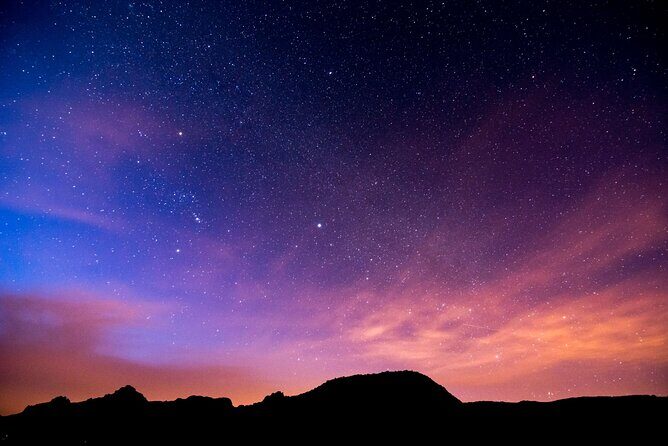
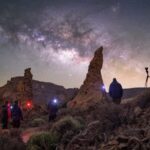
The final stop is Queen’s Shoe, where the tour delivers the main event: stargazing near Teide National Park, at around 2000 meters. You get about 2 hours here, which gives enough time for the sky to settle after sunset and for the guide to work through constellations and sky targets.
This is the part that makes Tenerife special for night photography and real astronomy sightseeing. At altitude, away from bright city lights, the sky opens up. People often expect “a few pretty stars.” What they tend to find instead is a huge number of stars and a darker background—so the brightest targets pop more clearly.
One more real-world factor: clouds happen. On some nights, the sky can partly cloud over, which reduces what you can see with your own eyes. If the conditions are good, you’ll likely spot far more detail than you expected, and the telescopes help bring you to planets, star clusters, and brighter nebula-type targets.
What to expect during the stargazing session:
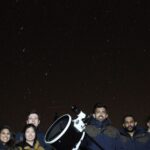
- The guide uses a laser pointer to help you find objects fast
- You’ll get orientation—constellations and how the sky moves
- The telescopes add detail you can’t realistically see with naked eyes alone
Telescopes and laser pointers: what you can realistically see
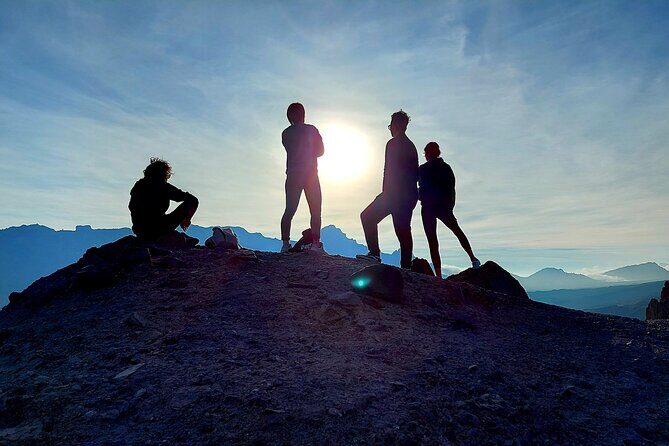
The telescopes are a major value driver in this tour. The big idea is simple: you get dark skies plus optical help, so you’re not left staring at a “mysterious dot” and hoping.
From firsthand comments tied to this experience, people have reported seeing targets like Saturn through the stronger telescopes. That’s a reminder that the telescope time isn’t just for show. You’re aiming at objects that are bright enough to reveal structure and contrast when viewed properly.
A few honest expectations to keep in mind:
- Naked-eye stargazing will be impressive, but it won’t show faint, galaxy-level details the way long-exposure astrophotos do.
- Telescope time is limited per group size. If the group is full, the line and turnover can tighten up.
- Your best photos usually come from experiments with your phone, because the guide can show you practical ways to try capturing the stars with a mobile camera.
My advice: treat this as a guided night-sky lesson with equipment support, not a private observatory session. If you go in knowing telescope time can be short, you’ll feel far less frustrated and far more amazed.
Timing, crowds, and the gear you actually need
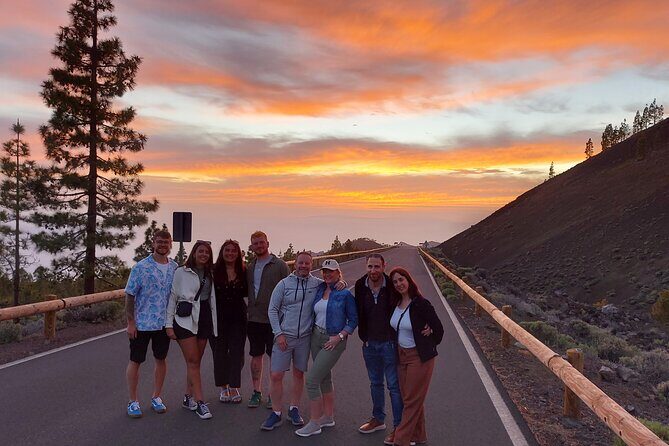
This tour runs close to sunset, includes a dinner stop, then finishes at the stargazing site. That schedule is great for value, but it does create a couple of stress points you should plan for.
Crowds and telescope queues
The tour caps at 55 travelers, which helps. Still, multiple people use the telescopes in a small area, and queues can form. That means you may not get as much time at the scope as you hoped. If you’re the type who wants to linger and compare views for a long time, this part can feel rushed.
Staring for hours means you need comfort
Many people recommend dressing warm. One account referenced conditions below 10°C, so bring real cold-weather gear, not just a light jacket. Good shoes also matter because you’ll be walking outside and standing still for long periods.
Bring:
- A warm layer (and another one if you run cold)
- Gloves or something hand-warm
- Shoes with grip for rocky or uneven ground
- A small headlamp or phone light for nighttime navigation (only use it briefly and kindly)
Toilets: plan like there won’t be convenient ones
The tour does not list restroom details in the core information you receive, but at least one detailed account described limited or unpleasant bathroom options at the stargazing area. So the smart move is to go in assuming you might not have easy access to clean facilities on the way and at the stop. Hydrate, but don’t overdo it right before the stargazing window.
Price and value: $78.19 for dinner, transport, and telescopes
At $78.19 per person for about 6 hours, the pricing makes sense if you care about three things bundled together: transportation, a proper meal, and equipment-based stargazing.
Here’s why it’s often good value:
- You get an air-conditioned vehicle
- You get a 3-course meal with local wine included (plus water and soft drinks)
- You get telescopes for planets and night-sky viewing
- You get photos shared after the experience, so you don’t have to rely only on shaky phone attempts
The trade-off is that the experience is designed for a group schedule, not a private pace. You’ll enjoy a lot in one evening, but you won’t control every minute at the telescope.
If you’re trying to compare, think in terms of what it would cost to book dinner + transport + a guided astronomy component separately. This tour groups it all into one ticket.
Photo sharing: great when it works, annoying when it doesn’t
The tour includes photo sharing from different moments during the experience. That can be perfect for sunset framing and for those “I was looking through the telescope, so my hands were busy” moments.
That said, at least one negative account complained about the number of photos received and difficulty contacting the provider. That doesn’t mean it’ll happen to you, but it is worth a quick reality check.
Do this before you get too excited:
- Ask what photo delivery includes and what to expect in terms of quantity and timing
- If photos matter to you for a special memory, confirm the process while booking
Who this tour is best for
This works especially well if you:
- Want a one-night plan that covers sunset + stargazing without extra organizing
- Like guided astronomy explanations and want help finding objects fast
- Appreciate a local meal stop before you spend time standing outside in the dark
- Are okay with a group atmosphere and time limits at the telescopes
It’s less ideal if you:
- Hate crowds and want long, quiet telescope sessions
- Are very specific about photo deliverables
- Need reliable restroom access at every step (given the stargazing area situation described by some guests)
Should you book Sunset & Stargazing from Teide (Tenerife Stars)?
I’d book it if your goal is a guided evening with real dark-sky time, telescope views, and a full dinner experience built in. The sunset viewpoint and the Teide stargazing are a strong combo, and the guide (often called Ozzi/Ozzy) is part of why people enjoy the night.
Just go in with the right expectations: the sky can be affected by clouds, telescope time can feel short at capacity, and the evening is group-paced. If you pack warm layers, accept the group rhythm, and treat telescope time as bonus viewing, you’ll likely leave with that wow feeling that makes stargazing travel worth it.
FAQ
What time does the tour start?
It starts at 3:30 pm.
How long is the experience?
The duration is about 6 hours.
What is the price per person?
The price is $78.19 per person.
Do they offer pickup?
Yes. Free pickup and return service is included from the south of Tenerife only, at meeting points close to your place of stay.
Where does the tour include meals?
A 3-course meal is included at the stop in Guia de Isora.
Is the tour in English?
Yes, English is offered.
What is included for stargazing?
The tour includes powerful telescopes for stargazing and pictures shared with guests from different moments.
Are admission tickets included?
At each stop listed (Guia de Isora, Mirador de los Poleos, and Queen’s Shoe), it notes admission ticket free.
How many people is the tour limited to?
The tour has a maximum of 55 travelers.
What if the weather is poor?
This experience requires good weather. If it’s canceled due to poor weather, you’ll be offered a different date or a full refund.