REVIEW · EVENING EXPERIENCES
Sunset and Stars at Teide National Park
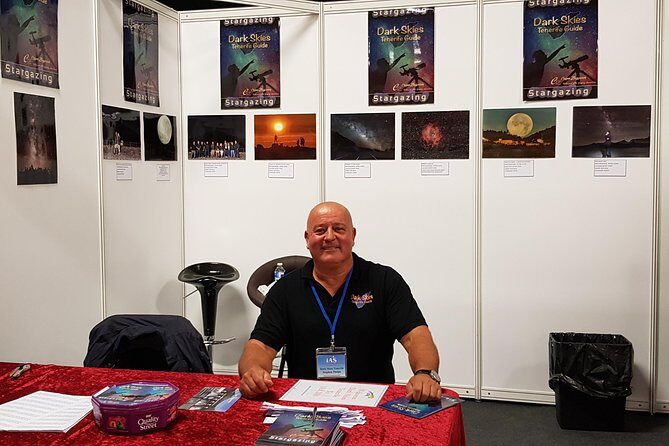
Book on Viator →Operated by Stargazing Tenerife · Bookable on Viator
Sunset over Teide feels like science class at night. This 4.5-hour Tenerife tour pairs a golden-hour sunset with hands-on stargazing in Teide National Park.
I especially like the private, air-conditioned transport. You get a straightforward evening flow, with a glass of cava included at sunset and a real telescope setup after dark.
One thing to consider: it can get cold and windy up on the viewpoints, and you’re mostly standing outdoors. If you’re expecting constant telescope use, also know that what you can see (and when) depends on sky conditions and the Moon phase.
In This Review
- Key highlights to know before you go
- Sunset and stars on Tenerife: what this tour really delivers
- Entering the sunset viewpoint: cava, islands, and real twilight
- A quick reality check about crowds
- Up to Teide National Park: why the drive matters
- Who is pickup for (and who it isn’t)
- Stargazing with a 12-inch Dobsonian: hands-on astronomy
- What to expect from the telescope time
- What you’ll see: Moon, planets, and seasonal deep-sky targets
- The Moon can become the main character
- Galaxies and star clusters depend on the season
- Planets are possible when conditions cooperate
- Laser pointers, Polaris, and the stories behind the stars
- Photos under the stars: a memory you can download
- Price and value: is $72.59 worth it?
- Cold night planning: what to bring so the tour feels good
- Group size, timing, and why it can feel busy
- Should you book Sunset and Stars at Teide National Park?
- FAQ
- Do they offer hotel pickup?
- What’s included in the price?
- Is alcohol included?
- How long is the tour?
- What telescope do they use for stargazing?
- What can I see at night?
- Are there age limits?
- Do they take photos?
- What happens if the weather is bad?
Key highlights to know before you go
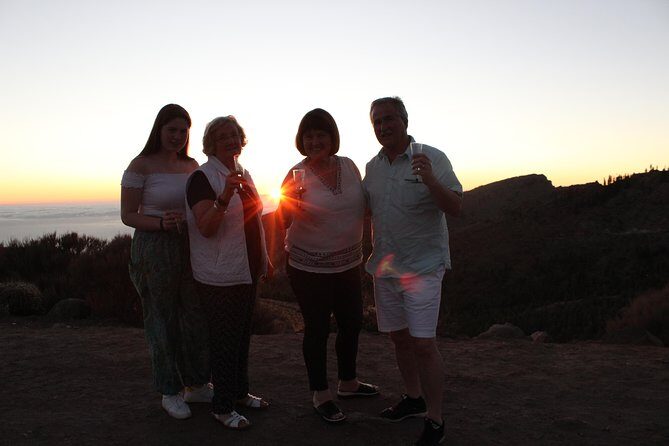
- Cava at sunset (or a non-alcoholic drink) at a sea-and-islands viewpoint
- Private transport included from hotels along the south coast
- 12-inch Dobsonian telescope for close-up sky views
- Laser pointers for navigation: Polaris and the Andromeda galaxy among the lessons
- Photo souvenir under the stars using astrophotography techniques
- You learn the sky, not just watch it with constellations and Greek mythology
Sunset and stars on Tenerife: what this tour really delivers
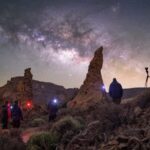
This is the kind of experience you remember later when you’re back home Googling star names. The best part is the timing. You don’t just catch a sunset and then rush to something else. You watch the sky change right before your eyes, then you switch into astronomy mode.
I like that it feels structured but not stiff. The sunset stop is for views and relaxed enjoyment, and then the guides shift into pointing, explaining, and getting you lined up with what to look for next. The tour also keeps the group small enough that you’re not stuck as a faceless number.
What you’re paying for is the combo: transport, a telescope experience, and guided sky lessons. Even the cava at sunset has a purpose. It marks the transition from daylight views to night-sky focus.
You can also read our reviews of more evening experiences in Tenerife
Entering the sunset viewpoint: cava, islands, and real twilight
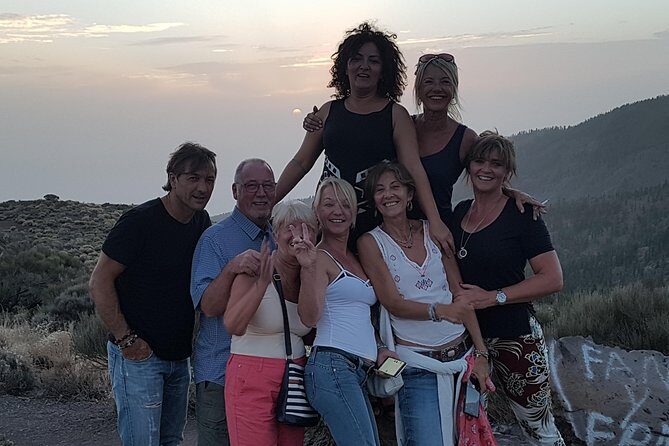
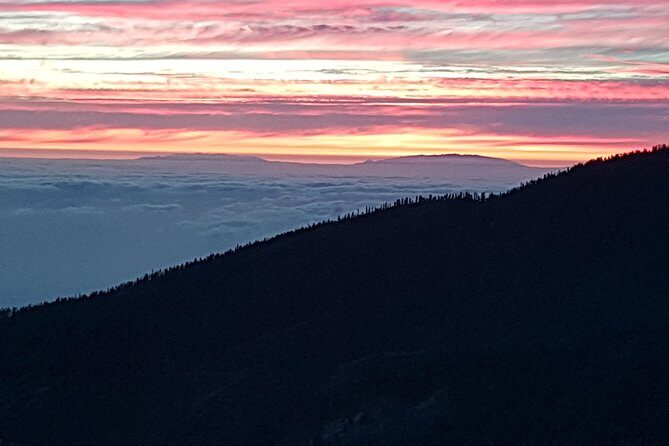
Your evening starts with pickup near your accommodation in the south of Tenerife. The route is designed to get you to a viewpoint first, so you can catch the sunset over the islands of La Palma, La Gomera, and El Hierro.
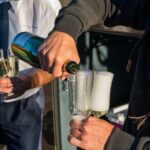
Before the sky fully turns, you’ll have a glass of cava (or a non-alcoholic drink). It’s a simple touch, but it makes the stop feel like a celebration instead of a quick photo stop. And yes, it’s also a fun reminder that you’re still in vacation mode even while you’re about to start learning the night sky.
A quick reality check about crowds
Your sunset viewpoint can be busy. The goal is the best viewing angle, and that often means shared space with other groups. If that bothers you, go into the evening with the mindset that the sunset is the warm-up. The payoff is what happens after dark at the stargazing location.
Also, weather can change everything fast. Cloud cover can blunt the sunset colors. If clouds roll in, the tour still tries to make the night worth it by moving higher later when possible.
Up to Teide National Park: why the drive matters
After sunset, the tour transfers you to another viewpoint in Teide National Park for stargazing. This is where the planning pays off. Higher, darker spots cut down on light pollution, and that makes star viewing dramatically better.
You’re in an air-conditioned vehicle, which matters more than you’d think when you’re heading toward cold night temperatures. The tour is about 4 hours 30 minutes total, and the schedule is built around daylight fading into darkness.
Who is pickup for (and who it isn’t)
Pickup runs along the south coast area between El Médano and Los Gigantes. You won’t be picked up from towns inland from the main TF1 highway. There are also specific areas not included, including Costa del Silencio, Las Galletas, and Palm-Mar.
To make it work, you need to provide a WhatsApp number. The exact pickup time and place are sent by message the morning of the tour. That’s not optional. If you don’t answer WhatsApp, you’ll miss the key details that keep everything running smoothly.
Stargazing with a 12-inch Dobsonian: hands-on astronomy
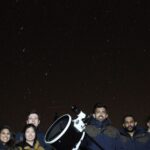
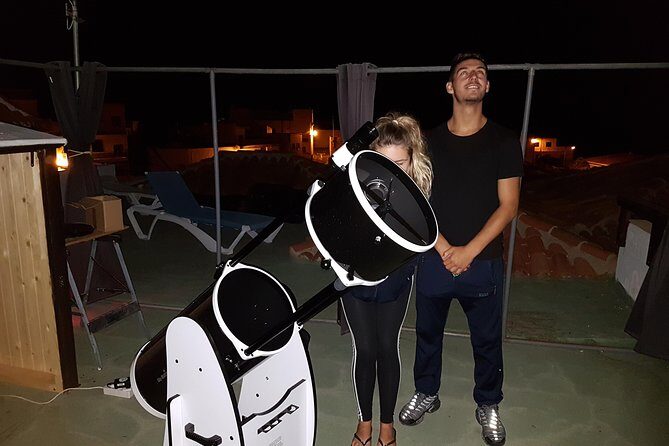
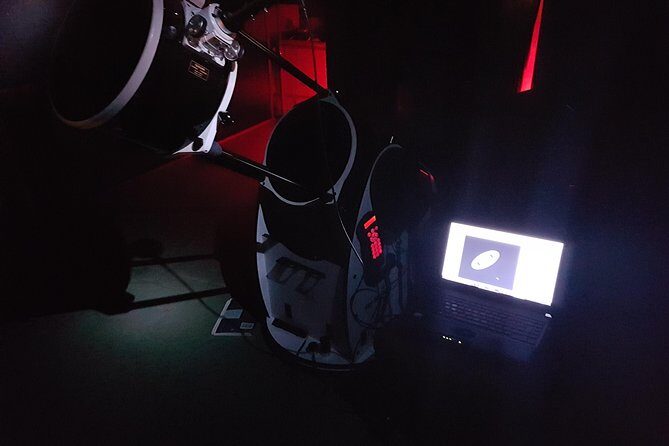
Once it’s dark enough, the guides bring out the 12-inch Dobsonian telescope along with tripods for people to use. This isn’t a passive talk. It’s more like guided stargazing with tools in your hands.
A lot of tours will show you a couple views and then move on. Here, the intention is to keep you learning. Guides use laser pointers to help you connect what you see in the sky with what they’re describing on the ground.
What to expect from the telescope time
Your actual telescope views can vary. That’s not just logistics. It’s astronomy: some objects are clearer at certain times, and the Moon can also brighten the sky. If it’s close to full Moon, you’ll get less contrast in the stars and more emphasis on the Moon itself.
Some evenings will feel like a fast carousel through the telescope. Other nights will let you slow down and spend more time on the best targets. Either way, the guides are aiming for the clearest, most satisfying views possible from the designated stargazing area.
What you’ll see: Moon, planets, and seasonal deep-sky targets
The tour adjusts what you’ll focus on depending on the time of year. Here’s the general plan, and what it means for you on the night.
The Moon can become the main character
If it’s the days leading up to a full moon, the Moon is often the central target. That’s not a disappointment. The Moon is bright enough to be detailed, and it’s great for learning how to read the night sky through the telescope.
Galaxies and star clusters depend on the season
Depending on the season, you may also see deep-sky treats like:
- the Pleiades, known as the Seven Sisters (in Taurus, especially in winter)
- other galaxies, nebulae, and star clusters
You may notice a pattern here. You’re not promised every single object every night. The sky changes. The tour follows what’s realistically visible.
Planets are possible when conditions cooperate
When the skies cooperate, people report views of bright planets like Saturn and Jupiter (including Saturn’s rings in favorable conditions). That’s the kind of thing that makes you stop talking for a second.
Laser pointers, Polaris, and the stories behind the stars
One reason people rate this tour highly is the teaching style. It’s not only naming objects. The guides also show you how to find them.
You’ll learn how to find Polaris, the North Star. You’ll also get help locating the Andromeda galaxy. On top of that, the guides bring in Greek mythology as part of how constellations and stories were historically connected.
In plain terms: after the tour, you’re not just thinking, Wow, stars. You’re thinking, I can actually point at that in the sky and know what it is.
Guides mentioned by name in past tours include Jaime, Filipe, Phil, Alessandro, Steven, Daniele, Marco, and Mike. If one guide clicks with you, it’s because they’re explaining in a way that feels usable, not just impressive.
Photos under the stars: a memory you can download
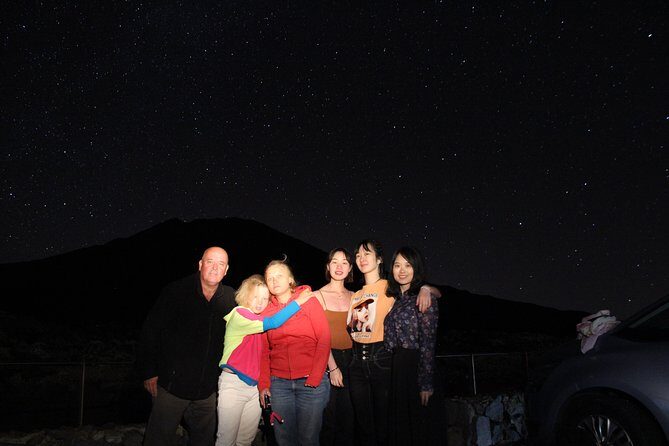
At the end, the team takes photos of guests individually using astrophotography techniques. These photos are designed to show a blanket of stars above you.
There’s a key detail: you can download the image from Facebook, but the high-resolution picture is not included. That’s not unusual for photo add-ons, but it’s worth knowing up front so you’re not surprised later.
Also, plan on a little waiting at the end. Individual shots take time, and when the group is larger, the last part can feel slow if you’re freezing. Bring patience and layers.
Price and value: is $72.59 worth it?
At about $72.59 per person for roughly 4.5 hours, this tour is not the cheapest thing you can do in Tenerife. But the value comes from what’s bundled together.
You’re paying for:
- private transportation (so you’re not relying on buses late at night)
- telescope and tripods provided
- guided astronomy with laser-pointer explanations
- cava included at sunset
- a photo souvenir (with download details)
If you tried to copy this yourself, you’d still need a dark-sky location, reliable timing, and some way to get telescope access. Solo stargazing in a big national park area can also be frustrating because you’re limited to viewpoints and miradors.
It’s also worth saying: value is emotional as well as financial. People remember telescope views of Saturn’s rings far more than a dinner they didn’t enjoy. If you’re the type who likes learning while doing, this price starts to feel more reasonable.
Cold night planning: what to bring so the tour feels good
This is where many evenings succeed or fail. You’ll be outdoors at viewpoints after sunset. Even if you’re warm at the start, the temperature can drop fast.
Bring:
- warm clothes (seriously)
- a hat and something to cover your ears
- gloves if you get cold easily
Many groups are given extra coats or warm jackets, but that’s not a guarantee you’ll get the perfect fit for your needs. One review mentioned using warm gear. Another mentioned chilly wind as a factor even for people who packed warm clothes.
Also remember: there may be limited toilet options. One guest specifically flagged that lack of facilities can be an issue in a tour of this length. Plan to take care before you head up.
Altitude can also be a factor for some people. One review mentioned altitude sickness on the return and ear pressure. It may not happen to you, but it’s smart to stay hydrated and go easy on the drive.
Group size, timing, and why it can feel busy
The tour runs with a maximum of 20 travelers. That sounds intimate, and in many cases it is. But some evenings can feel like multiple small groups join into one at the sunset stop or during the transfer.
A few practical things that can affect your comfort:
- pickup can include several hotel stops along the coast
- sunset viewpoints can be busy with other tour groups
- telescopes can only be set up in the designated areas
- if conditions are cloudy at first, you might spend more time waiting for the best moment to observe
Some people felt the stargazing portion could have used more telescope time per person. Others felt the guides handled it smoothly. Your best bet is to arrive with flexibility. Astronomy is not a movie schedule. It’s the sky, plus weather.
Should you book Sunset and Stars at Teide National Park?
Book it if you want a structured astronomy night in a place where the sky can actually deliver. I think it’s a strong choice for couples, small groups, and families with older kids who enjoy learning and questions.
Skip it or lower your expectations if:
- you hate cold-weather standing outdoors
- you need lots of bathroom stops
- you want a totally quiet viewing spot with zero car lights and zero crowding
- you’re expecting guaranteed constant telescope use like a theme park ride
If you do book, here’s my simple advice: dress for wind, stay calm if sunset gets cloudy, and treat the telescope time as the highlight it is rather than a timed schedule. When the night is clear, it can be the kind of Tenerife moment you talk about for years.
FAQ
Do they offer hotel pickup?
Yes. Pickup is offered from hotels on or near the coast between El Médano and Los Gigantes. Exact pickup time and place are sent on WhatsApp the morning of the tour.
What’s included in the price?
The tour includes private transportation in an air-conditioned vehicle, telescopes and tripods, and a drink at sunset (cava or a non-alcoholic option).
Is alcohol included?
Yes. You get a glass of cava at sunset, or a non-alcoholic drink if you prefer.
How long is the tour?
It’s about 4 hours 30 minutes.
What telescope do they use for stargazing?
They use a 12-inch Dobsonian telescope, along with tripods for people to use.
What can I see at night?
It depends on the time of year and sky conditions. The Moon is often a focus before full moon, and you may also see planets, star clusters like the Pleiades (Seven Sisters in Taurus), and other galaxies and nebulae.
Are there age limits?
Yes. Kids under 5 years are not allowed. For children, booster seats are only provided for children older than about 6 to 7 years.
Do they take photos?
Yes. They take individual astrophotography-style photos that you can download from their Facebook page. The high-resolution picture is not included.
What happens if the weather is bad?
The experience requires good weather. If it’s canceled due to poor weather, you’ll be offered a different date or a full refund.