REVIEW · EVENING EXPERIENCES
Hiking Summit of Teide by night for a sunrise and a Shadow
Book on GetYourGuide →Operated by 10X. TENerife eXperience. · Bookable on GetYourGuide
The climb starts in the dark, then turns cosmic. Hiking Mount Teide by night gives you a headlamp-lit ascent, a Milky Way sky overhead, and a sunrise that’s paired with Teide’s Shadow stretching toward the ocean. It’s a real high-mountain challenge inside Teide National Park, the UNESCO site on Tenerife.
What I like most is the way the guide keeps the group moving at a safe pace to hit the summit at the right time, plus the extra care: headlamps, poles, thermal blankets, hot tea, and plenty of support on the climb. The main drawback is the physical reality of altitude and cold wind up high: it’s a 6 to 6.5 hour hike (about 10 km and 1,380 m gain) and it’s not meant for people with major medical limits or low fitness.
In This Review
- Key things to know before you go
- Why this Teide sunrise hike feels different than a normal tour
- The night start: pickup, headlamps, and your first hard-earned meters
- The first long push (about 4 hours of hiking)
- The mid-morning reset: tea, picnic, and a chance to breathe
- Dawn timing: reaching the highest point and seeing the shadow
- How you finish: cable car descent and the last views
- What you get included: permits, gear, and the “why it runs smoothly” factor
- What to bring: the practical packing list that keeps you warm and sane
- Price and logistics: what $203 buys you (and what costs extra)
- Who this hike is for (and who should skip it)
- The guide factor: pacing, safety, and photos that make the effort worth it
- Should you book this Teide by night summit hike?
- FAQ
- How long is the Teide night hike, and when does it start?
- How difficult is the hike to the summit?
- What’s included in the price?
- Is pickup included, and are there extra transfer costs?
- Do I have to use the cable car to go down?
- Is this tour suitable for children or for people with medical conditions?
Key things to know before you go
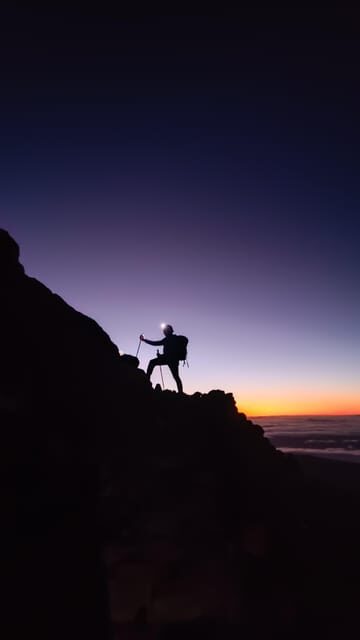
- Summit for sunrise at 3,718 m: you’re chasing dawn from the highest point in Spain.
- Teide’s Shadow over the Atlantic: the long silhouette is part of what makes this hike famous.
- Night-sky conditions matter: clear skies make the Milky Way and pre-dawn views much better.
- Small group size (max 8): more attention, less waiting, smoother pacing.
- Cold-weather kit is part of the plan: thermal blankets, wind gear on request, crampons in winter months.
- Cable car descent is optional: you’ll decide after you reach the summit (tickets cost extra).
Why this Teide sunrise hike feels different than a normal tour
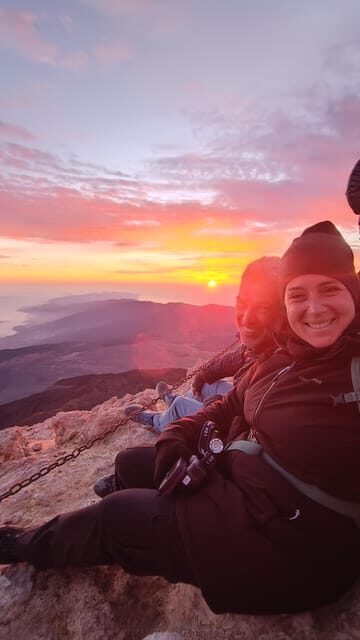
Mount Teide isn’t just another viewpoint. You’re hiking up a dormant volcano to Spain’s highest point (3,718 m), starting in the dark and finishing in daylight with a view that feels bigger than Tenerife itself. The promise here is simple: sunrise plus Teide’s Shadow—that dramatic, long volcanic silhouette cast across the terrain toward the ocean.
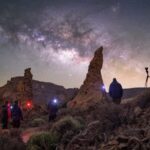
The “by night” part changes everything. Your first sense of place comes from your headlamp beam and the crunch of volcanic gravel under your boots. As you climb, the sky turns into the main attraction: stars overhead, and the Milky Way often visible above you when conditions are right.
This is also a guided experience, not a stroll. The route is timed for dawn, and the pace is managed for a group of up to 8 people, which matters when you’re gaining altitude in the middle of the night.
You can also read our reviews of more evening experiences in Tenerife
The night start: pickup, headlamps, and your first hard-earned meters
You’ll be picked up at one of five locations on the south side of Tenerife: Los Cristianos, Costa Adeje, Acantilados de Los Gigantes, Callao Salvaje, or Playa San Juan. The operator contacts you with the exact pickup time, and it’s normally in the night so you can begin the ascent around 1:00 a.m. (the exact start depends on sunrise timing).
Once you’re at Teide, you’ll hike with a live guide and use the gear provided. Plan on headlamps right from the start, plus hiking poles that help a lot on steep sections. This isn’t a long, flat grind—it’s up, and your body feels it early, especially because you’re climbing through high-mountain air.
A practical note for comfort: even if it’s pleasant lower down, Teide can be cold and windy at elevation. The tour includes wind jackets and warm clothes if you request them, and you’ll still want your own layers ready (more on what to pack later).
The first long push (about 4 hours of hiking)
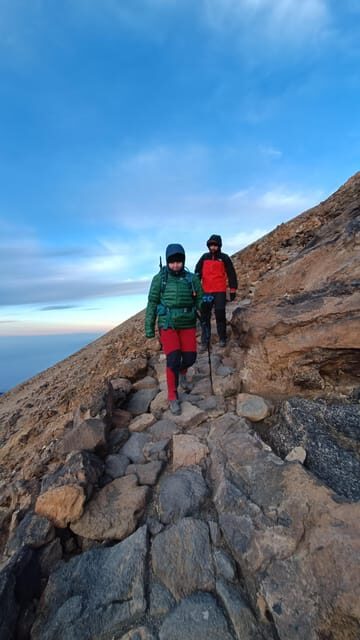
Your first hiking stretch is roughly 4 hours, with the guide staying with you and watching pace and footing. This is where the “real challenge in high mountains” becomes real in your calves and lungs. The ground is volcanic, and it can feel gritty underfoot—another reason poles help.
The value of a guide here isn’t just narration. It’s the constant rhythm: start steady, keep moving, don’t sprint. At altitude, saving energy for later matters, because you’re not done when the sky begins to lighten.
If you’re nervous about whether you’ll make it, this is usually the part that decides the mood of the entire morning. A small group helps the guide adjust attention fast, so you’re not stuck alone or left behind.
The mid-morning reset: tea, picnic, and a chance to breathe
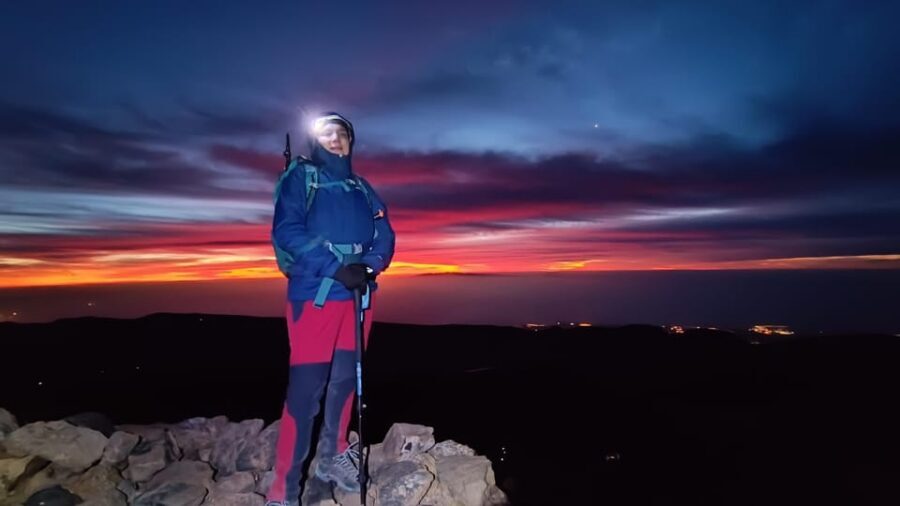
After the initial climb, there’s a planned break with tea and a picnic (about 30 minutes). This matters more than it sounds. At altitude, you’ll feel the difference between pushing hungry and pushing fueled.
You’ll get hot tea, plus some snacks, and you can take a moment to check your gear: gloves on, water sipped, layers adjusted. If you’re one of those people who forgets to drink until you’re tired, this stop is your reminder to reset early.
Also, this is when the pace decisions come into focus. You still have time to adjust, but you’re not at the leisurely stage anymore. Think of this break as the transition from climb-mode to summit-mode.
Dawn timing: reaching the highest point and seeing the shadow
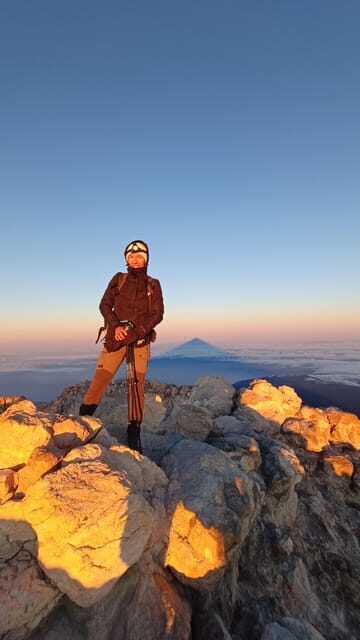
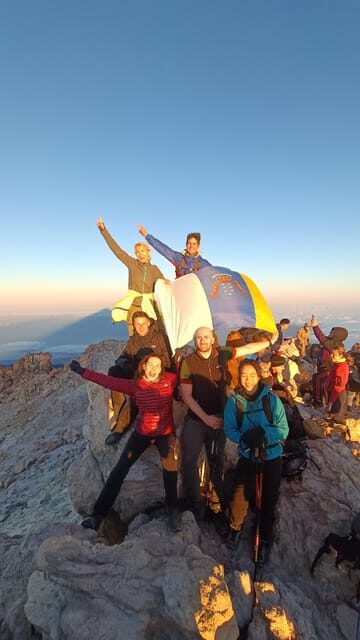
Then you move into another guided hiking stretch of about 1.5 hours, followed by a photo stop and sightseeing as you near the summit. You’ll also have a sunrise moment of about 30 minutes right where it counts.
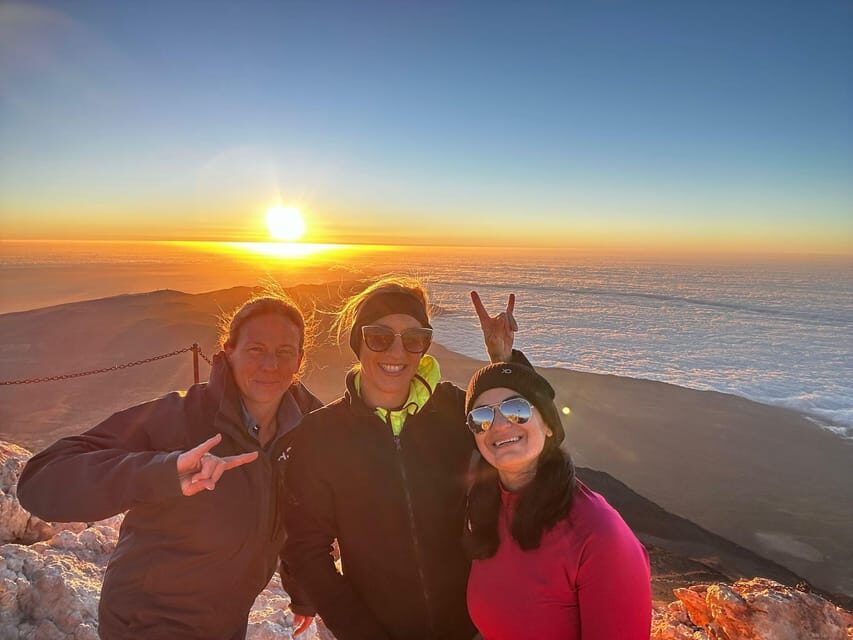
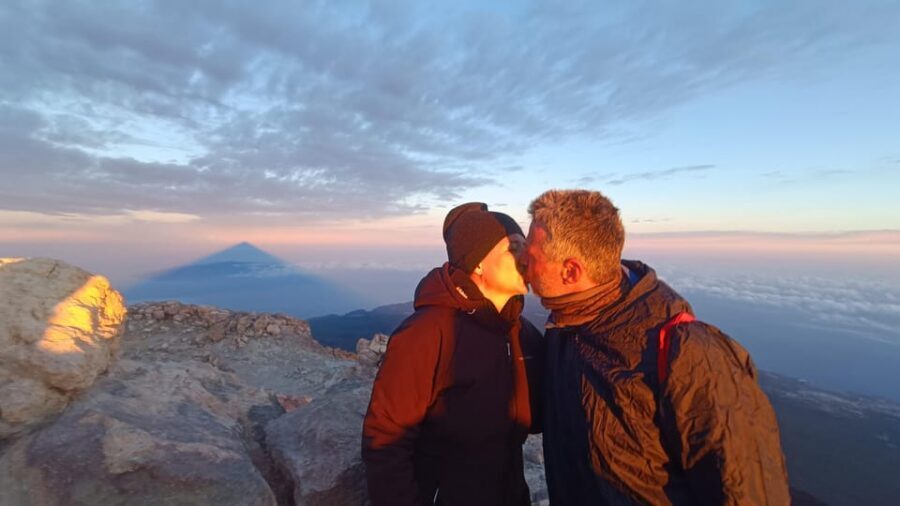
This is the heart of the experience: the shift from dark rock and stars into a horizon that glows gold and crimson. The big bonus is Teide’s Shadow, which stretches across the volcanic terrain and toward the endless Atlantic Ocean as dawn spreads. The shadow part is not a gimmick. It’s one of the rare “tour meaning” moments where you finally understand why people plan around timing.
One thing to aim for is clear conditions. If the sky is hazy, you might still get a spectacular sunrise, but the Milky Way effect and the crispness of the shadow can be less dramatic. Your best strategy is to show up ready to take advantage of the night you get.
You can also read our reviews of more hiking tours in Tenerife
How you finish: cable car descent and the last views
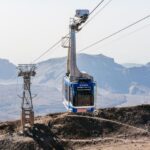
After the sunrise period and continued guided time (about 30 minutes of hiking plus scenic views on the way), you’ll reach the cable car area for descent. The cable car ride is listed as about 20 minutes.
Cable car descent is not included. Ticket cost is 23€ per person, and the group purchases tickets after reaching the summit. That means you keep flexibility at the end of the hike instead of committing in advance.
On nights when winds or conditions change, some groups may adjust the plan during the descent phase. It’s not guaranteed, but it’s smart to listen to your guide in the moment and follow the safest, most realistic option.
What you get included: permits, gear, and the “why it runs smoothly” factor
For $203 per person, you’re paying for more than a guide walking uphill. This trip includes permits (two permits per person), headlamps, hiking poles, and thermal blankets. In the colder months (November to April), you also get crampons, which can matter on steeper or icy patches.
You also get hot tea and some snacks during the hike, plus some wind jackets and warm clothes by request. That combination is big for value. It’s not just comfort; it’s also about keeping you functional in cold air long enough to enjoy the summit moment without your fingers freezing or your energy crashing.
You’ll still want to bring your own essentials (sun protection, water, and layers), but the core “night summit kit” is handled.
What to bring: the practical packing list that keeps you warm and sane
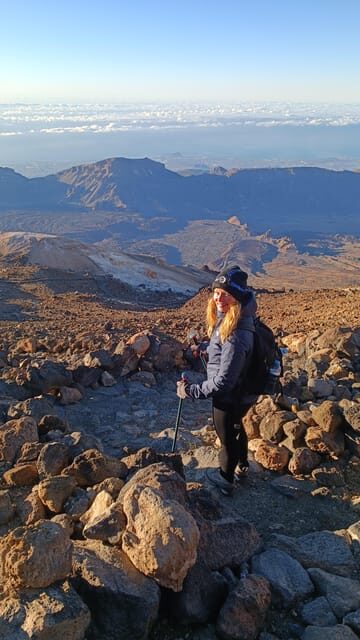
Teide is one of those places where packing wrong can ruin the experience. Use this list as your baseline:
- Warm clothing and layers you can adjust
- Windbreaker
- Sunglasses and sun hat (yes, even in the dark start)
- Hiking shoes and hiking pants
- Gloves
- Sunscreen
- Water
- Snacks
- Charged smartphone
- ID card (a copy is accepted)
- Credit card
If you’re relying on provided gear, do not assume it covers everything. Bring your own warmth. Wind is often the factor that makes things feel colder than the temperature alone suggests.
Price and logistics: what $203 buys you (and what costs extra)
At $203 per person for 10 hours, the price looks steep until you see what’s included: permits, specialist night gear, and a guide-led route designed to hit sunrise timing. The permits are a key cost driver, because they’re not the same thing as a standard walking tour permit.
The two most common extras to plan for are:
- Cable car descent: 23€ per person (paid after you reach the summit)
- Transfer: while pickup is included from the listed pickup points, the info also states an optional transfer from certain coastal areas is available for 50€ in total from one pickup location. If you’re outside the normal pickup zones or unsure, confirm your exact pickup arrangement during messaging.
The simplest way to think about it: you’re mostly paying for the climb and the permission and timing to do it.
Who this hike is for (and who should skip it)
This is best for people who are reasonably fit and comfortable hiking uphill for hours at altitude. It’s a long climb: about 10 km and 1,380 m of elevation gain, with a summit hike that starts around 1 a.m. depending on sunrise.
It’s not suitable for:
- Children under 15
- Pregnant women
- People with heart problems
- People with high blood pressure
- People with pre-existing medical conditions
- People with recent surgeries
- People with low level of fitness
- People who have been diving within 24 hours
Also, you’ll want to be honest with yourself about your stamina. Even if you’re athletic, hiking in the dark and at elevation feels different.
If you know you can hike 4 to 6 hours with a steady pace, bring warm gear, and handle cold wind without panicking, you’re the right match.
The guide factor: pacing, safety, and photos that make the effort worth it
The biggest reason this experience gets strong praise is the leadership style on the mountain. Guides from 10X. Tenerife eXperience keep things organized, watch your condition, and help you stay focused when the climb feels long.
Elena is repeatedly named as a lead guide, and Patrick is also mentioned as part of some guide teams. What stands out in the on-mountain approach is the blend of safety focus, empathy, and steady motivation—checking in, adjusting pace, and keeping the group engaged during the long night stretch.
The guide also plays photographer. You’ll get plenty of opportunities for images at dawn, and many participants come away with photos that feel better than solo shots because someone is timing and positioning the group in the right light.
For your day, that means less stress. You can spend mental energy on your footing and your breath, and just let the guide handle the timing to the minute for sunrise arrival.
Should you book this Teide by night summit hike?
Book it if you want a real summit morning, not a quick bus-to-viewpoint stop. This is the kind of Tenerife experience that delivers when you’re willing to handle a cold start, keep a steady pace, and show up ready for altitude.
Skip it if any of the listed medical limits apply to you, or if you’re not confident with a long, steep hike. Also, if cold wind and rough terrain are a hard no for you, this might be more misery than magic.
If you’re a “do it once the right way” traveler, this is one of the more meaningful ways to experience Teide: sunrise from Spain’s highest point plus the world-famous volcano shadow over the Atlantic.
FAQ
How long is the Teide night hike, and when does it start?
The full experience is listed as 10 hours. Start time depends on sunrise, but the summit climb begins around 1:00 a.m. at night.
How difficult is the hike to the summit?
The summit hike is about 6 to 6.5 hours, covering roughly 10 km with around 1,380 m of elevation gain to reach 3,718 m.
What’s included in the price?
The tour includes a guiding service, permits (two per person), headlamps, hiking poles, thermal blankets, hot tea, and some snacks. Crampons are provided from November to April. Wind and warm clothing may be available by request.
Is pickup included, and are there extra transfer costs?
Pickup is included from the south-side locations listed (Los Cristianos, Costa Adeje, Acantilados de Los Gigantes, Callao Salvaje, Playa San Juan). The info also notes a separate transfer option may cost 50€ in total from one pickup location in the coastal area, so confirm your exact pickup details.
Do I have to use the cable car to go down?
No, but the standard descent option includes the cable car (about 20 minutes) with tickets costing 23€ per person, purchased after you reach the summit.
Is this tour suitable for children or for people with medical conditions?
No for children under 15 and no for pregnant women. It’s also not suitable for people with heart problems, high blood pressure, pre-existing medical conditions, recent surgeries, or for anyone who has dove within 24 hours.