REVIEW · WHALE & DOLPHIN WATCHING
Whale Watching and Marine Science Tour
Book on Viator →Operated by BIOSEAN Whale Watching and Marine Science · Bookable on Viator
Whales and dolphins meet hands-on science. This Tenerife boat trip blends marine wildlife spotting with guided ocean listening using underwater sound gear. I like the small group cap of just 10, and I also love that a marine biologist guide keeps the focus on animals, not just cruising. One thing to plan around: there’s no restroom on board, so you’ll want to keep that in mind before you go.
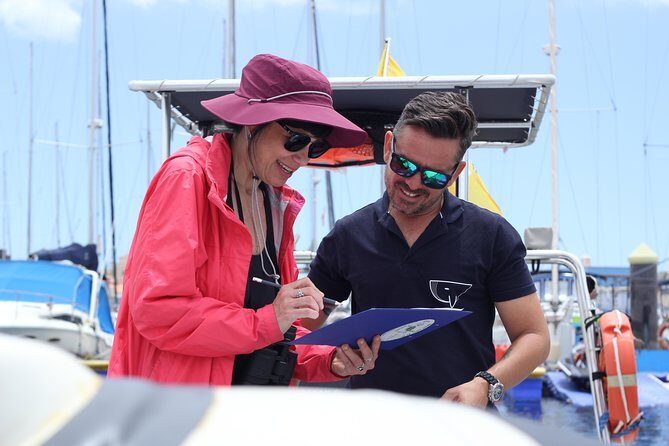
You also get more than standard spotting. You’ll use science tools like a hydrophone and a sound recorder, and you can ask questions while you’re out there. In real terms, that turns the trip from watch-and-wait into learn-and-listen, and multiple guides have been praised by name, including Raoul, Misa, and Nico.
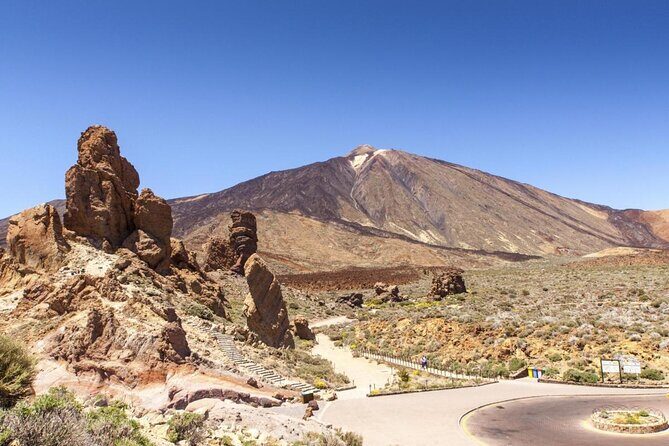
If you’re hoping for the best views of El Teide, timing and sky conditions matter. The tour includes the Teide viewpoint when skies are clear, but when the weather isn’t cooperating, don’t count on a perfect sightline.
In This Review
- Key highlights to know before you book
- Marine science whale watching in Tenerife: what you’re really buying
- Getting to Biosean at Marina del Sur in Las Galletas
- Stop by stop: Rasca lighthouse and the Malpaís de Rasca volcanic coast
- El Teide from the water: the classic view, with a weather catch
- Hydrophones and sound recorders: the marine science part that actually sticks
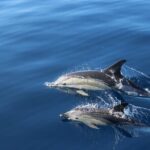
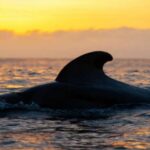
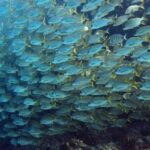
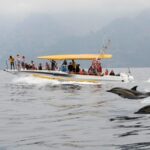
- What you can expect to see: whales, dolphins, and other sea life
- Why the 10-person limit changes the whole feel
- Guide names, intern support, and that good-cause feeling
- Price and value: $90.70 for 2.5 hours of science + spotting
- Practical planning for your day on Tenerife
- Who this tour fits best
- Should you book this BIOSEAN Tenerife whale watching and marine science tour?
- FAQ
- FAQ
- Where does the whale watching and marine science tour start?
- How long is the tour?
- What is included in the price?
- Is there a restroom on board?
- Are snacks provided?
- How large is the group?
- Is the tour offered in English?
- Does the tour require good weather?
- What is the cancellation window?
Key highlights to know before you book
- Max 10 travelers for a more personal guide experience (and easier questions on the spot)
- Marine biologist-led science while you watch whales and dolphins
- Hydrophone + sound recorder so you can hear what’s happening underwater
- Rasca lighthouse and Malpaís de Rasca volcanic scenery during the coastal pass
- El Teide views when skies are clear—a classic Tenerife backdrop from the water
- Bottled water included, but snacks and a restroom are not
Marine science whale watching in Tenerife: what you’re really buying
This is billed as whale watching and marine science, and that mix is the whole point. You’re not just searching for a sighting and then heading back in. The guide brings a science angle and expects you to participate: listening, learning, and asking questions while you’re out on the water.
The small-group size is a big part of the value. Ten people doesn’t sound dramatic until you’re on a boat with a guide trying to explain behavior, communicate what to watch for, and manage safety while the marine life is moving around. With a smaller group, you’re more likely to hear explanations clearly and get answers that fit what you’re seeing.
The other big value marker is the hands-on sound experience. The hydrophone and sound recorder are not just a gimmick. They change how you experience the wildlife because you’re not relying only on sight. You can hear calls and activity while you scan the water surface—especially useful when visibility and animal behavior aren’t perfectly predictable.
You can also read our reviews of more whale watching tours in Tenerife
Getting to Biosean at Marina del Sur in Las Galletas
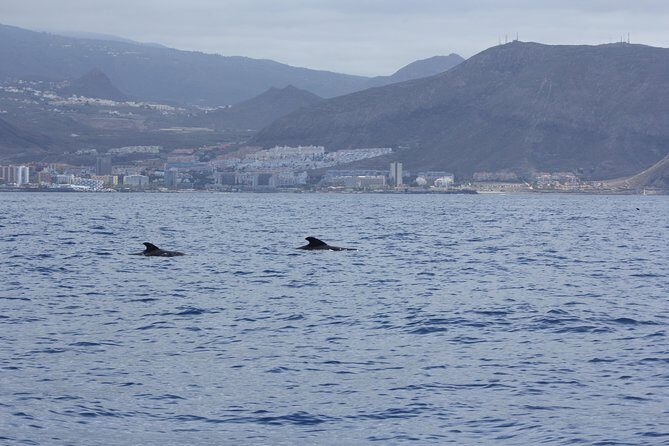
The tour starts at Biosean – Whale watching & marine science, at Marina del Sur, Pantalán 4, Las Galletas. It ends back at the same meeting point.
A few practical notes matter here. You get a mobile ticket, and the meeting point is near public transportation, which makes it easier to fit into a Tenerife day without needing a complex transfer. Also, the experience is listed as English offered, and confirmation is provided at booking, so you’re not left guessing about whether you’re on the right departure.
Stop by stop: Rasca lighthouse and the Malpaís de Rasca volcanic coast
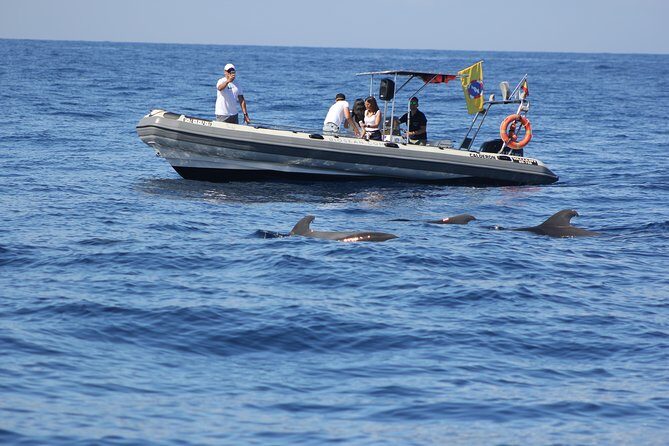
One of the tour’s first scenic beats is the pass by the southernmost point of Tenerife, including the Rasca lighthouse and the protected volcanic area called Malpaís de Rasca. Even if you only know Tenerife as volcano country (and El Teide is the star), this stretch gives you a different look at what the island’s geology looks like from the sea.
Why it’s worth paying attention to: volcanic formations aren’t just visual texture. They also help frame the coastline you’re cruising along, and that context often makes the marine spotting feel more grounded. You’re not just offshore; you’re moving through a specific part of the island where the shoreline and sea conditions meet.
This stop also sets the mood. You’re out early enough that the coast is still in view, and you get that sense of traveling along a protected area rather than doing a generic loop.
El Teide from the water: the classic view, with a weather catch
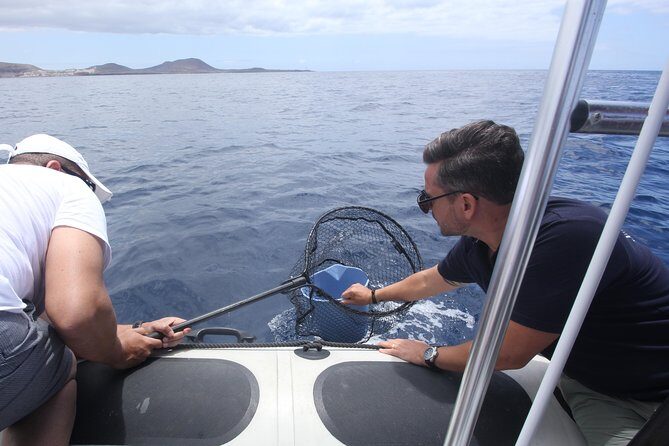
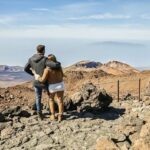
During the tour, you may enjoy magnificent views of El Teide when the skies are clear. This is the kind of moment that makes whale watching feel like more than a wildlife hunt.
The practical consideration is right in how the plan is written: the Teide view depends on conditions. If it’s hazy, cloudy, or visibility is limited, you may still be watching animals and learning marine science, but the big volcano backdrop might not be as dramatic.
Still, the fact that Teide is included at all tells you something. This isn’t set up as a purely utilitarian trip. It’s designed to give you Tenerife scenery while the boat is doing its marine rounds.
Hydrophones and sound recorders: the marine science part that actually sticks
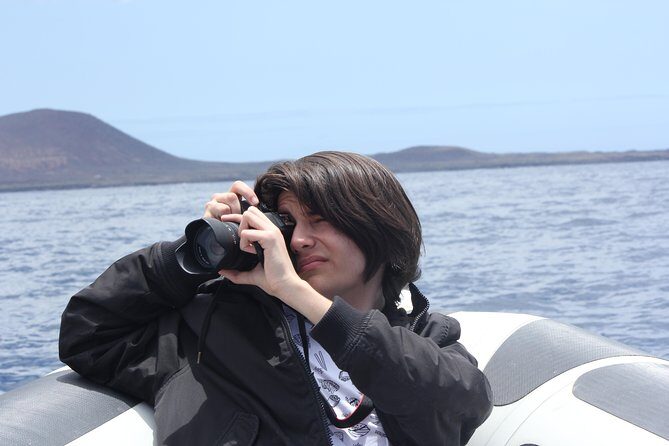
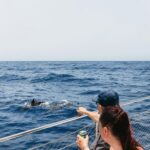
This tour really leans into marine science with tools you can use, including a hydrophone and a sound recorder. In plain language: you’re not only looking for whales and dolphins; you’re also listening for them.
A strong theme from the experience feedback is that guides share what you’re hearing and tie it to what you’re seeing. That matters because whale and dolphin behavior doesn’t always mean you’ll see the biggest display. Sometimes you hear or detect something first, or the animals stay just at the edge of your attention. When the guide connects the sound to real behavior, the trip feels like it has a clear purpose.
You’ll also have time for questions. This is one of those tours where the guide isn’t just presenting facts on a loop. With the capped group size, you’re more likely to get answers that fit what you’re currently spotting.
What you can expect to see: whales, dolphins, and other sea life
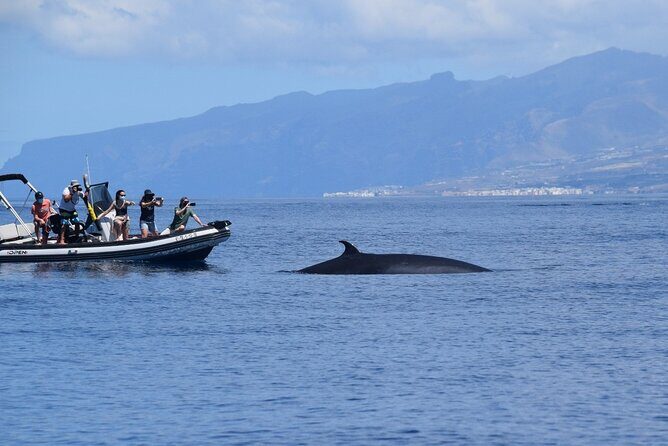
Wildlife sightings aren’t guaranteed on any whale watching trip. But the range of animals people have reported gives you a good sense of what the operator is aiming for.
Across high ratings, I see mentions of:
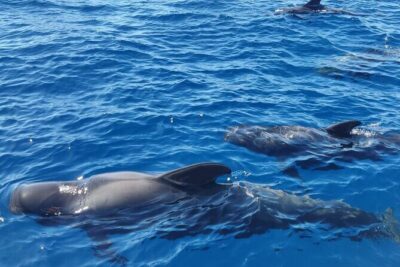
- Pilot whales and bottlenose dolphins
- Grind whales (including sightings described as very close at times)
- Dolphins doing active surface behavior like leaping
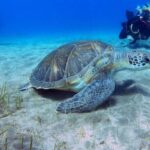
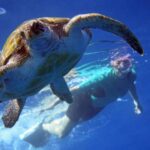
- Sea turtles, including a loggerhead turtle mentioned in an experience
- Other marine life like sharks and even rays spotted in-port in at least one account
- Occasional extras like a flying fish and other ocean wildlife sightings
The key takeaway is that the trip is set up to be animal-friendly. One of the best comments centers on respectful watching that doesn’t treat the wildlife like a spectator show. That’s the difference between chasing a moment and participating in responsible observation.
And yes, multiple reviews mention the role of listening through an underwater microphone while watching. It’s not just a science demo; it’s part of how you track animal presence.
Why the 10-person limit changes the whole feel
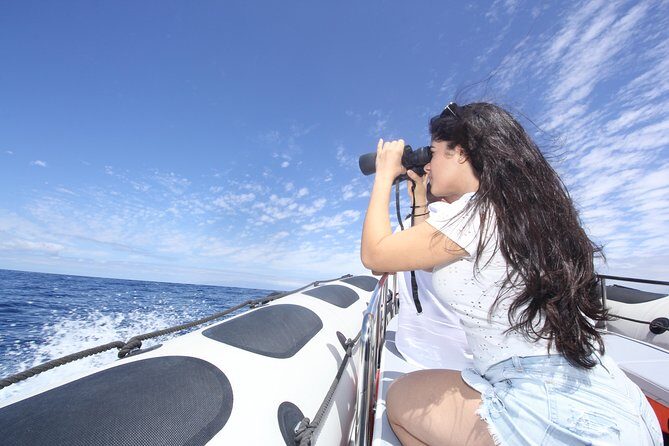
A boat can feel crowded fast. Here, the cap is 10 travelers, and that’s a meaningful quality control choice.
With fewer people onboard, the guide can:
- explain what you’re seeing in real time
- keep attention focused while animals are moving
- handle questions without cutting everyone short
- spend actual time at the moments that matter most
This also shows up in how guides are described. Named guide praise includes Raoul, Misa, and Nico, with comments highlighting both expertise and respectful handling of sightings. I take that as a signal that the operator values quality interaction, not just filling seats.
Guide names, intern support, and that good-cause feeling
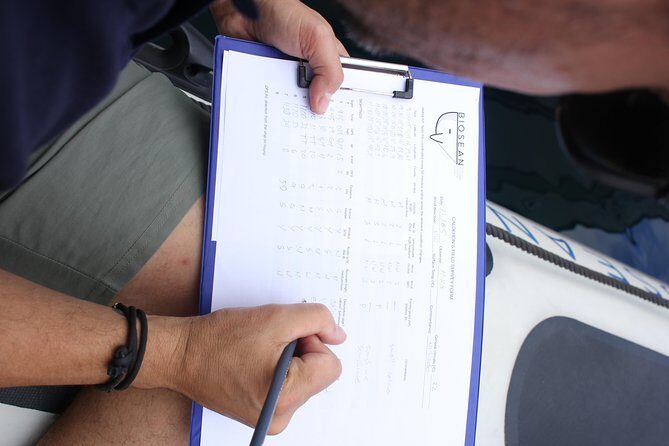
One review point that caught my attention was the idea that the driver works with young people in an internship, giving them a chance to observe marine life and learn. That doesn’t change whether you see whales and dolphins, but it does change the vibe.
There’s a subtle difference between tours that feel like pure consumption and tours that feel like a working educational program. When the team structure supports learning and marine science, you usually get better explanations and more consistent care.
If you’re trying to spend your money in a way that feels aligned with conservation and education, this kind of operational culture is a plus.
Price and value: $90.70 for 2.5 hours of science + spotting
The listed price is $90.70 per person, and the tour runs about 2 hours 30 minutes (most feedback places it just under 3 hours). That price is not just for boat time. What you’re paying for includes:
- A guide leading marine science and wildlife spotting
- Hands-on sound tools (hydrophone and sound recorder)
- Bottled water
- All fees and taxes included
On a pure “how many animals did I see” level, you could argue it’s expensive. But on a “did I learn something that changes how I understand whale and dolphin behavior” level, it holds up better. The sound equipment and the Q&A time are the parts that make the learning concrete.
Two practical cost notes:
- Snacks are not included, so budget for something small if you get hungry.
- There’s no restroom on board, which affects comfort more than cost, but it still should factor into your planning.
Practical planning for your day on Tenerife
This tour needs good weather, and it’s also easier to get the El Teide view when skies are clear. That means you shouldn’t stack your schedule with tight time margins. Give yourself flexibility so you’re not stressed if the sea state changes the plan.
Also, because there’s no restroom on board and snacks aren’t included, I recommend thinking like this:
- Eat beforehand or bring a snack you can handle comfortably.
- Keep bathroom timing in mind before you leave the marina.
- Bring a patient mindset. Wildlife timing is the main variable out there, not the clock.
If you’re choosing among departure times, there’s advice in the experience feedback to go with the early time slot when you can. Early departures can help you start with better conditions, and it can feel less rushed on a vacation day.
Who this tour fits best
This is a great match if you:
- like wildlife watching but also want why it’s happening, not just what you’re seeing
- enjoy structured learning and guided Q&A
- are traveling with families and older children who can handle an active science-focused outing
- want a more intimate experience rather than a big group on a boat
If you’re only looking for the easiest, hands-off activity, you might feel like the science component is extra effort. But if you enjoy questions and listening for animal activity, the format works.
Should you book this BIOSEAN Tenerife whale watching and marine science tour?
I’d book it if you want Tenerife wildlife with substance. The combo of marine biologist guidance, underwater sound science, and a 10-person cap makes it feel designed for real learning, not just a quick animal sighting.
Skip it (or at least rethink timing) if your comfort needs a restroom onboard or if your day has zero flexibility for weather. And if you’re not into listening/learning and would rather keep everything purely visual, you may find yourself thinking less about the science tools and more about the sightings.
If you match the vibe—curious, respectful, and ready to pay attention—this is the kind of tour that leaves you talking about what you heard as much as what you saw.
FAQ
FAQ
Where does the whale watching and marine science tour start?
It starts at Biosean – Whale watching & marine science at Marina del Sur, Pantalán 4, 38631 Las Galletas, Santa Cruz de Tenerife, Spain.
How long is the tour?
The duration is listed as approximately 2 hours 30 minutes.
What is included in the price?
The tour includes bottled water plus all fees and taxes.
Is there a restroom on board?
No. A restroom on board is not included.
Are snacks provided?
No. Snacks are not included.
How large is the group?
The tour has a maximum of 10 travelers.
Is the tour offered in English?
Yes, the tour is offered in English.
Does the tour require good weather?
Yes. The experience requires good weather, and if it’s canceled due to poor weather you’ll be offered a different date or a full refund.
What is the cancellation window?
You can cancel up to 24 hours in advance for a full refund. If you cancel less than 24 hours before the start time, the amount paid is not refunded.