REVIEW · CRUISES & BOAT TOURS
Tenerife: Whale Watching Boat Tour with a Marine Biologist
Book on GetYourGuide →Operated by Biosean Whale Watching and Marine Science · Bookable on GetYourGuide
One of Tenerife’s best animal experiences is on the water. This whale watching cruise with a marine biologist takes you along the dramatic Malpaís de Rasca lava coast from Las Galletas, with a focus on respectful viewing and real science at sea. I especially love how the hydrophone turns whale-watching into hands-on understanding, not just spotting at a distance. I also like the small group size, which makes the whole trip feel calmer and more personal.
There is one thing to consider: this trip involves moving around a boat and spending time at sea, so it is not suitable if you have recent surgery or back/neck problems. If you’re in that situation, it’s worth thinking twice before you commit.
In This Review
- Key things that make this Tenerife whale watching stand out
- From Las Galletas, the Lava Coast Sets the Mood
- Marine Biologist Guidance You Can Use, Not Just Admire
- The 15-Minute Safety Briefing Sets the Pace
- Small Boat, Big Difference: Why 10 People Matters
- Malpaís de Rasca: Watching from a Respectful Distance
- Hydrophone Listening: Turning Whale Watching into Real Sound
- Field Study Touches That Make It Feel Like Science
- What You Might See: Dolphins, Turtles, and the Real Whale-Spotting Odds
- Practical Value: Is $77 Worth It?
- What to Bring (and What to Skip) for a Comfortable Trip
- Getting to the Dock: Las Galletas Meeting Point Made Simple
- Who Should Book This Whale Watching Cruise
- Should You Book Biosean Whale Watching and Marine Science?
- FAQ
- How long is the Tenerife whale watching tour?
- Where does the tour depart from?
- Where exactly do I meet?
- How many people are on the boat?
- What’s included in the price?
- Is food included?
- What language is the guide available in?
- Do I need to bring anything?
- What conditions make the tour unsuitable?
- Is there free cancellation?
Key things that make this Tenerife whale watching stand out
- Small group (10 max) keeps the experience focused and less crowded on the water
- Marine biologist-led science gives you context for what you’re actually seeing
- Hydrophone listening helps you connect whale activity to sound you can hear
- Malpaís de Rasca lava coast route blends geology and wildlife watching in one outing
- Respectful distance rules mean you observe without chasing or disturbing marine life
From Las Galletas, the Lava Coast Sets the Mood
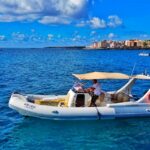
If you’re doing Tenerife for the sea, start with this side of the island. The tour leaves from Las Galletas, and the early part of the trip feels like it’s built for quick visual payoff: rocky black lava formations along the southern coast, with Tenerife’s coastline stretching out ahead. Even before you see any animals, the scenery helps you understand why this region gets attention from marine scientists.
You’ll also get the benefit of a wider “map view.” On clear days you can spot the island of La Gomera in the distance, which makes the trip feel less like a short boat ride and more like a real excursion along the waterline. This matters because whale watching is partly about patience and spacing. When you’re already enjoying the coast and horizon, waiting becomes easier.
You can also read our reviews of more boat tours in Tenerife
Marine Biologist Guidance You Can Use, Not Just Admire
This is not a generic wildlife cruise where the guide only talks about sea life in passing. You’re traveling with a marine biologist guide, and the payoff shows up in the way information gets explained during the viewing time. You don’t just hear what whales are; you learn how they live in this habitat and why the sounds you’re hearing matter.
One of the best parts is that the guide is ready to answer your questions as they come up. In practice, this makes the tour feel like a working science lesson with a friendly tone. In one of the experiences I heard about, the guide name was Raul, and people praised him for being prepared and for sharing thoughtful explanations that matched what they were seeing in real time.
If you’re the kind of person who likes knowing what you’re looking at, you’ll feel rewarded. If you’re not, you’ll still get value because the guide’s explanations help you track behavior instead of just staring at splashes.
The 15-Minute Safety Briefing Sets the Pace
Before you go marine-mammal hunting, you start with a safety briefing that lasts about 15 minutes. It might sound boring, but it’s useful. You’ll learn how the boat will run, what to do if conditions change, and how the crew expects you to behave around the wildlife and on deck.
That matters because this cruise runs for about 2.5 hours total, so you’ll want to be settled and comfortable early. You don’t want to lose your momentum while everyone is still figuring out what’s happening. The short briefing also supports the focus on respectful observation, which is a theme throughout the experience.
Small Boat, Big Difference: Why 10 People Matters
A lot of Tenerife tours advertise whale watching, but crowd levels can vary a lot. Here, the group is limited to 10 participants, which changes the vibe. Less movement, fewer voices, and easier viewing angles mean you can actually watch rather than just react.
On a small boat, you also feel the sea more. That can be part of the fun, but it’s the reason I keep repeating the suitability note. If you’re sensitive to rough water or have mobility issues, this is one of those trips where comfort and balance matter. The small size makes the experience feel more personal, but it also keeps the tour team from giving you the same kind of space a large vessel might.
Malpaís de Rasca: Watching from a Respectful Distance
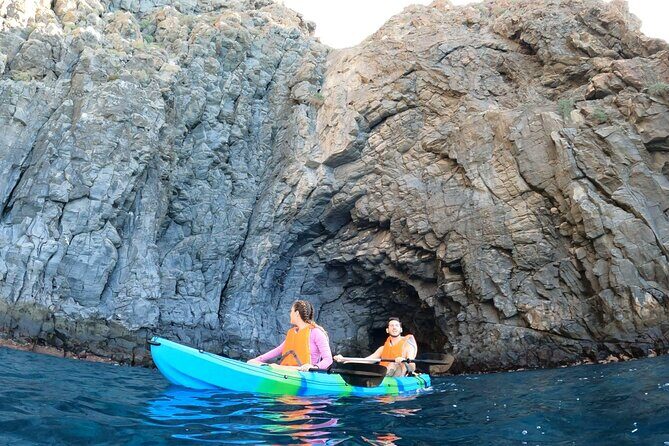
The core “route story” is along the Malpaís de Rasca, a rugged stretch of lava formations on Tenerife’s southern coast. As you cruise, the guide will help you scan for marine life while keeping a respectful approach. You’re not there to chase animals, and you’re not there to crowd them.
This kind of viewing is more enjoyable than it sounds, because it lets you observe natural behavior. You can watch for patterns: how animals surface, how they move relative to the boat, and how they respond to sound and motion. When you understand that, a sighting becomes more than a moment for photos. It becomes an actual observation.
Also, the lava coast plays a practical role. It creates a dramatic contrast in the waterline—dark rock, bright sea, and sky that often feels crisp against the horizon. That visual clarity makes spotting easier, especially when the guide tells you what to look for and where to look next.
You can also read our reviews of more whale watching tours in Tenerife
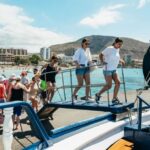
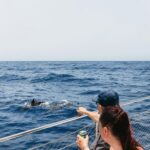

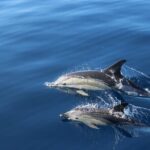
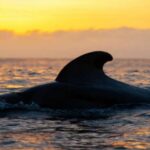
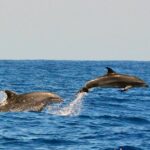
Hydrophone Listening: Turning Whale Watching into Real Sound
Here’s the part that makes this tour feel scientific in the best way: you use a hydrophone to listen to underwater sounds and whale activity. Instead of only guessing what’s happening beneath the surface, you get a chance to hear calls and vocal activity.
You’ll learn why sound matters for cetaceans in this habitat, and the hydrophone helps connect theory to what’s going on right now in the water. In real terms, it can shift your attention from searching for a single splash to noticing activity patterns. Even when you don’t immediately see a whale, the sound experience keeps you engaged.
If you like nature experiences with a brain attached, this feature is a big reason the reviews are so strong. It also helps you feel connected to the animals without rushing to get close.
Field Study Touches That Make It Feel Like Science
Along with whale watching, the experience includes a field study element that makes the day more interactive. You’re not just sitting while someone narrates. You’re participating in a way that encourages you to observe carefully and think about what you’re seeing.
The exact tasks aren’t spelled out here, but the intention is clear: you’re learning how to interpret behavior and how cetaceans use their environment. That’s what separates a “fun boat trip” from something you’ll remember and talk about later, because you’re practicing attention rather than just consuming sights.
And because you’re on a small boat, the guide can keep the pace and explanations tuned to the group. That helps the field study part land instead of feeling like an add-on.
What You Might See: Dolphins, Turtles, and the Real Whale-Spotting Odds
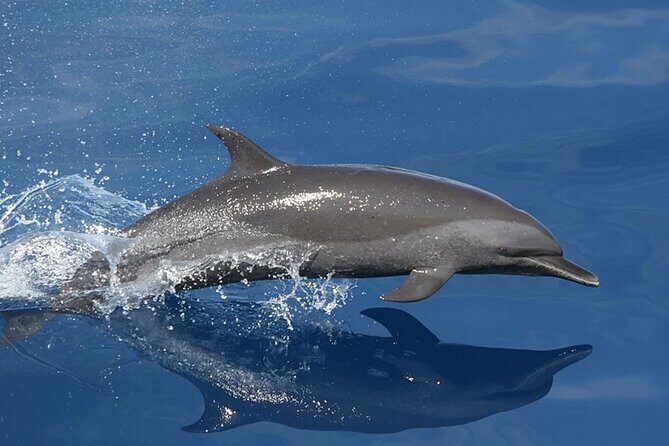
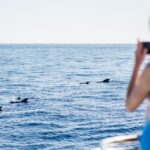
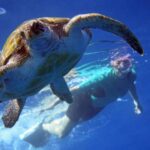
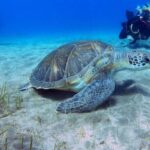
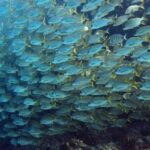
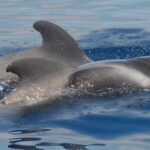
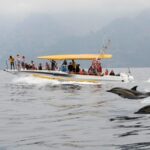
Animal sightings are never guaranteed, but the experience clearly aims at more than one type of marine life. Based on what people described, it’s realistic to see dolphins and turtles during the cruise. The small boat setup and careful scanning help you catch these moments when they happen.
Some trips can get lucky with whales. One standout report mentioned a group of capodogli, which is Italian for sperm whales. That’s a big deal for whale watching anywhere, and it matches the tour’s focus on cetaceans and their habitat.
Here’s the practical advice: if you’re hoping for whales, go with an open mindset. You’ll still likely get value from the route, the marine biologist explanations, and the hydrophone listening even on a day when sightings are lighter.
Practical Value: Is $77 Worth It?
At $77 per person for about 2.5 hours, the price sits in a mid-range spot for Tenerife wildlife tours. Where the value comes in is how the experience is structured around small-group science and specific equipment.
You’re paying for:
- A marine biologist guide rather than a general host
- Hydrophone listening, which adds a unique educational component
- A maximum of 10 passengers, so you get more attention and less crowding
- A route along the Malpaís de Rasca lava coast, plus time at sea for scanning
If you compare this to tours that only promise “chance of whales” with minimal instruction, the hydrophone and field-study angle push the value higher. You’re not just chasing animals; you’re learning how they communicate and how to observe responsibly.
Also, the tour runs long enough to feel like more than a quick coastal cruise. Two and a half hours is a good window for both whale-search time and for meaningful time listening and learning.
What to Bring (and What to Skip) for a Comfortable Trip
This is a boat outing, so pack like you expect sea spray and changing light. I’d bring:
- Sunglasses and a hat for sun on open water
- Sunscreen (the glare can be intense)
- A jacket even in warmer months, since conditions can cool off at sea
- Comfortable clothes you can move in easily
- Camera (and keep your fingers ready, because sightings happen fast)
Don’t bring heavy items. Luggage or large bags are not allowed. Also, alcohol and drugs aren’t allowed, and you should follow all wildlife rules, including no touching marine life.
Getting to the Dock: Las Galletas Meeting Point Made Simple
You meet at Biosean — Whale watching & marine science. The specific instructions are to go to Dock Number 4, gate 4. There’s a big free parking lot in front of the beach next to the port, and parking inside the port is listed at €1.20 per hour.
If you hate last-minute stress, I’d arrive early enough to park and walk at an easy pace. On these tours, showing up calm helps you settle before the safety briefing.
Who Should Book This Whale Watching Cruise
This trip fits best if you:
- Want Tenerife whale watching with a marine biologist
- Like hands-on science, especially hydrophone sound listening
- Prefer a calmer boat experience with a 10-person limit
- Enjoy learning how wildlife uses its habitat, not just collecting sightings
If you’re traveling with kids, the experience description doesn’t mention age limits here, so you’d need to check directly with the operator for any child-specific guidance. If you have recent surgery, or back and neck problems, take the warning seriously. The boat environment and movement around deck can be a deal-breaker.
Should You Book Biosean Whale Watching and Marine Science?
I’d book this tour if your priority is respectful, science-led whale watching rather than a big crowded spectacle. The small group size, marine biologist guidance, and hydrophone listening are strong reasons to choose it, even if your animal sightings are mixed that day.
Skip it only if the boat and sea movement would be a problem for you, or if you’re in one of the stated medical categories. If you’re in good shape for being on the water and you want a meaningful Tenerife sea experience, this one is a solid choice.
FAQ
How long is the Tenerife whale watching tour?
The tour lasts about 2.5 hours total.
Where does the tour depart from?
It departs from the port area in Las Galletas, meeting at Biosean — Whale watching & marine science.
Where exactly do I meet?
Go to Dock Number 4, gate 4.
How many people are on the boat?
It’s a small group with a maximum of 10 participants.
What’s included in the price?
Included are the whale watching cruise, a marine biologist guide, and a hydrophone to listen to cetaceans.
Is food included?
No, food is not included.
What language is the guide available in?
The live guide is available in Spanish, English, French, and Italian.
Do I need to bring anything?
You should bring sunglasses, a hat, sunscreen, a jacket, comfortable clothes, and a camera if you want photos.
What conditions make the tour unsuitable?
It’s not suitable for people with recent surgery, back problems, or neck problems.
Is there free cancellation?
Yes. You can cancel up to 24 hours in advance for a full refund.