REVIEW · MOUNT TEIDE TOURS
Tenerife. Stargazing at the Teide National Park
Book on GetYourGuide →Operated by Astroguide Tenerife · Bookable on GetYourGuide
Teide turns the night into a classroom. This Tenerife stargazing tour pairs high-end telescope viewing with calm, guided lessons on the sky’s stories and science, all in a small group. You’ll learn how the constellations move, how to spot key stars, and what to look for once the stars come out in earnest.
What I like most is the pace. This is not a quick look-and-go situation; it’s unhurried astronomy with time for questions and proper observing. The second big win is the way you get help finding things in the sky, using laser-style explanations and hands-on observing with both a telescope and astronomical binoculars.
One thing to consider: it starts 40 minutes after sunset, and Teide nights can feel cold fast. Also, transfers are not included, so you’ll want to be ready to get yourself there (or plan parking).
In This Review
- Key highlights you’ll actually feel during the 2 hours
- Why Teide National Park makes stargazing click
- Meeting at Ermita de las Nieves: timing and what to do before you go
- Inside the tour: how the sky lesson stays calm and practical
- The telescope experience: what the equipment helps you see
- Constellations, myth, and the kind of Q&A that matters
- The guide factor: Starlight training and Roberto’s storytelling style
- Photos at the end: why they’re worth something
- Price and value: is $40 worth it?
- Who this tour suits (and who might want a different plan)
- Practical expectations for a smooth night at Teide
- Should you book this Teide stargazing tour?
- FAQ
- How long is the stargazing experience?
- When does the tour start?
- Where do I meet the guide?
- What’s included in the price?
- What’s not included?
- What language is the live guide?
- Is it suitable for all ages?
- Is the tour wheelchair accessible?
- Is there free cancellation?
Key highlights you’ll actually feel during the 2 hours
- Starlight-accredited guidance that focuses on clear sky interpretation, not just pointing upward
- High-end telescope plus astronomical binoculars so you can switch between wide views and sharp targets
- Laser-style sky explanations that help you learn constellations and movements without guessing
- Small group atmosphere that makes it easier to ask questions and take your time at the eyepiece
- Free photos taken during the experience, so you’re not stuck with only blurry phone shots
Why Teide National Park makes stargazing click
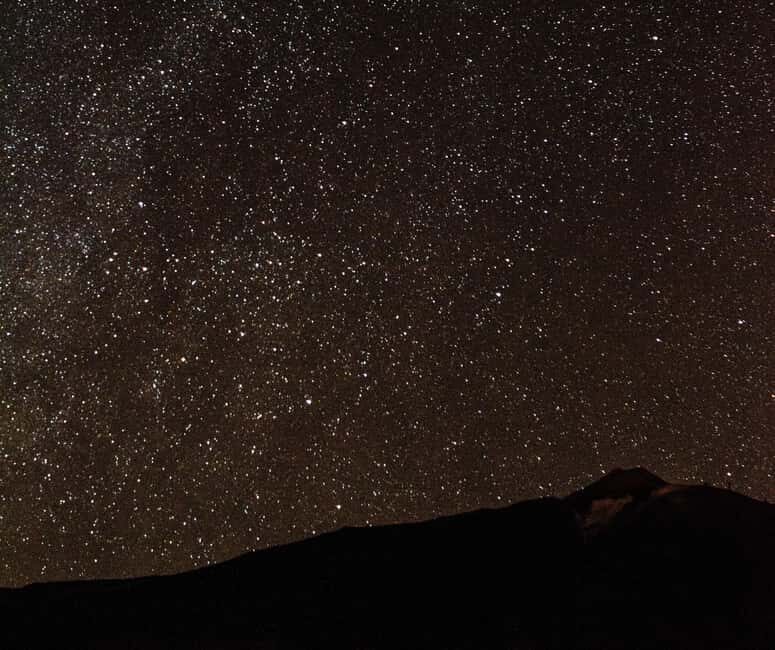
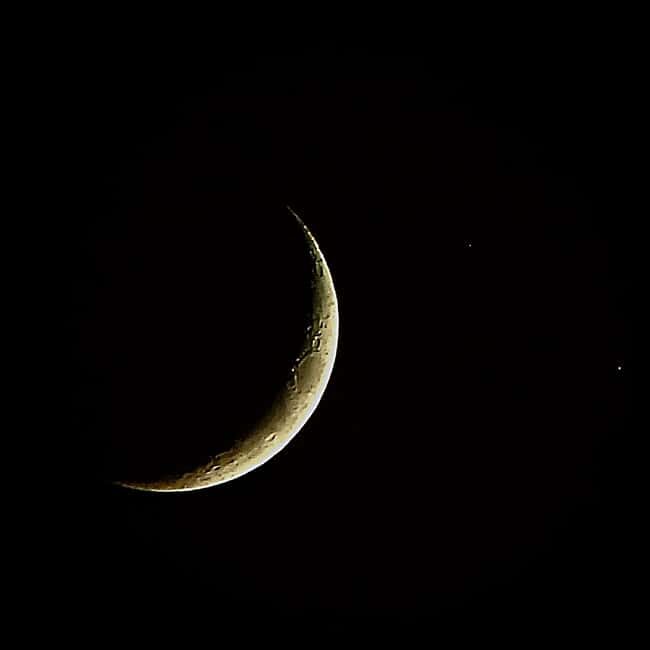
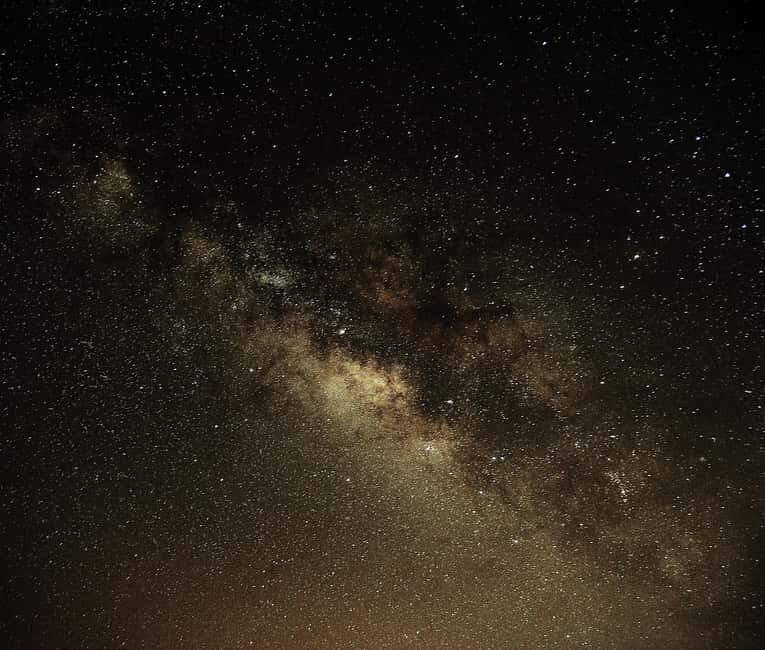
Teide National Park is ranked among the best places in the world for stargazing, and you can feel why the moment you’re looking up. Tenerife’s high altitude and dark-night conditions make stars look brighter and more “reachable,” like you’re not just viewing, you’re discovering.
This tour leans into that advantage. Instead of treating stargazing like a passive show, you’re guided into understanding what you’re seeing: constellations, important stars, and how the sky’s patterns change over time. That context matters, because it turns random dots into something you can name and follow.
And if you’re the kind of person who likes the old stories, you’ll get that too. Learning the sky’s mythology alongside the science gives the whole night a human shape, not just a technical one.
You can also read our reviews of more tours and experiences in Tenerife.


Meeting at Ermita de las Nieves: timing and what to do before you go
You meet next to the Ermita de las Nieves inside Teide National Park. The start is scheduled 40 minutes after sunset, and that timing is one of the smartest parts of the plan.
Why? Because you want the sky dark enough for real observing, but you also want a bit of evening light at the edges for comfort and orientation. It helps you settle in without sprinting into the full-night cold.
Because transfer is not included, plan your arrival carefully. If you’re driving, it helps that the area is described as easy to find, with plenty of parking reported by people who rent cars. If you’re not driving, you’ll need to arrange your own way to the meeting point.
What to bring is simple: weather-appropriate clothing. People consistently flag how cold it can be, so think warm layers, not just a jacket you’d wear for dinner in town.
Inside the tour: how the sky lesson stays calm and practical
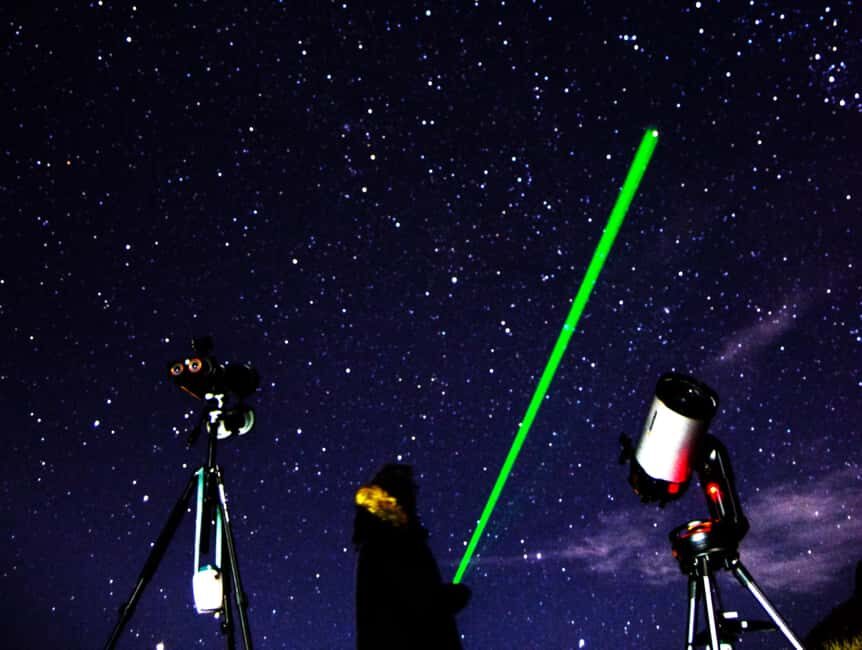
The experience runs for about 2 hours, and it’s structured around learning plus viewing. The guide brings the story of the sky, but they also help you understand the mechanics: how the celestial sphere seems to shift, and why constellations appear to move even though the stars are staying put.
Early in the session, you’ll focus on getting your bearings—where to look and how to spot key points. The goal isn’t to memorize everything. It’s to help you recognize patterns faster, so the telescope time feels rewarding rather than confusing.
You’ll also learn the difference between what you can see with binoculars and what comes alive through a telescope. Astronomical binoculars are great for sweeping views and finding shapes; the telescope is where specific targets show up in a more dramatic way. This two-tool approach makes the whole hour feel active, even when you’re standing still.
The telescope experience: what the equipment helps you see
You come to a stargazing tour expecting a telescope. What makes this one feel “high-end” is how the equipment is paired with explanation, so you’re not just lining up an eyepiece and hoping.
The tour includes a telescope and astronomical binoculars. You’ll also get explanations using laser technology, which is a big deal because it helps connect the lesson to the real sky above you. When a guide can trace an idea across the stars, you understand faster and you enjoy the observing more.
From what people describe, the telescope viewing can reveal visible planets and other impressive objects when conditions cooperate. You might even catch shooting stars if the night is steady, and the guide’s knowledge of what’s in the sky makes those moments feel intentional rather than random.
Constellations, myth, and the kind of Q&A that matters
This isn’t just a science lecture. The tour mixes history and mythology of the firmament with practical stargazing skills. That blend is useful because it keeps the night from turning too academic, while still giving you real understanding.
You’ll learn how to locate constellations and identify some of the most important stars. You’ll also work on understanding the movements of the celestial sphere, which helps you predict what you’ll see over the next minutes. That’s how stargazing becomes something you can repeat, not just something you did once.
Small-group size is a hidden superpower here. With fewer people around, you’re more likely to get answers that match what you’re curious about. And if you want to ask the classic questions—what am I looking at, why does it move, how do I find it again—there’s time to do that.




The guide factor: Starlight training and Roberto’s storytelling style
A huge part of why people rate this tour so highly is the guide, including Roberto, who’s repeatedly described as professional, passionate, and funny in a way that keeps the information easy to follow. He’s also noted for answering questions with patience, which is what you want when you’re learning something new in the cold.
The guide also seems to balance two skills at once: teaching you what to look for and making sure the group actually gets time at the equipment. That balance is what turns “stargazing” into a real experience.
One detail to know: people mention extra comfort items like warm layers, plus small snacks and drinks. Those perks aren’t listed as part of the formal inclusions, so don’t plan around them as a guarantee. Still, they line up with the overall vibe: comfortable, friendly, and focused on the experience rather than rushing you through it.
Photos at the end: why they’re worth something
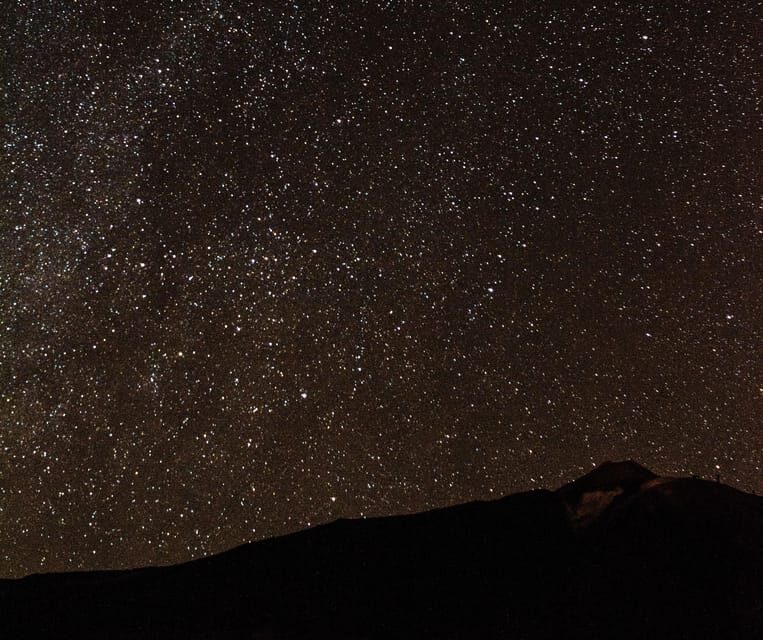
You receive free photographs of the experience. That sounds like a small perk until you remember what stargazing is like: you’re usually holding still, blinking in the cold, and looking through gear that makes phone pictures tricky.
Having professional-style photos taken during the session means you get a way to remember the night that isn’t just a handful of blurry attempts. And if the sky was especially clear, that matters.
Even better, people mention photos being taken at the end, which usually gives you a clean wrap-up moment instead of interrupting the best telescope time.
Price and value: is $40 worth it?
At about $40 per person, this tour sits in the affordable-to-mid range for guided stargazing with high-end equipment. The value comes from what’s included and what it replaces.
You’re paying for:
- a telescope experience you can’t easily replicate on your own
- a guide who explains the sky’s patterns, myths, and science in a structured way
- both binoculars and telescope time
- free photos
If you’ve tried to do DIY stargazing around Teide without much astronomy knowledge, you probably know the frustration: you can see stars, but you struggle to connect them to names, stories, and recognizable shapes. This tour essentially buys you that connection, plus the equipment and guidance to use it properly.
Transfers aren’t included, but that’s common. If you already have a plan to get to the meeting point, the rest of the cost feels tied to the actual experience rather than logistics or extras.
Who this tour suits (and who might want a different plan)
This tour is a strong fit if you want a guided night where you learn how to look at the sky. It’s also great for couples and small groups because the group size stays manageable, which makes questions and telescope time feel fair.
You’ll also enjoy it if you’re curious about both the science and the myths behind constellations. The balance of history, mythology, and practical observing is exactly what makes stargazing feel human, not intimidating.
It may be less ideal if you’re expecting long, silent observing time with no teaching at all. This is calm, but it’s still a guided session with explanations throughout.
Practical expectations for a smooth night at Teide
A few things help you get the most out of the 2 hours:
- Dress in warm layers, because the start is 40 minutes after sunset
- Expect a small group experience, so you should bring your questions if you have them
- Know that food and drink are not included as part of the official inclusions, even though some people report small comforts
- Bring the right attitude: this works best when you’re willing to look, listen, and learn as you go
Also, it’s offered in English and Spanish, and it’s described as wheelchair accessible. If you have specific needs around cold-weather comfort or mobility, it’s worth messaging ahead so you can plan clothing and positioning.
Should you book this Teide stargazing tour?
I’d book it if you want Teide’s famous dark skies plus a guide who helps you actually understand what’s up there. The combination of a Starlight-accredited guide, a high-end telescope, laser-style explanations, and a small group format is the right mix for a night that feels calm and memorable, not rushed or confusing.
If you hate the cold or you’re unsure about getting to the meeting point on your own, you might think twice. Otherwise, for a first stargazing experience on Tenerife, this is the kind of tour that makes the sky stick in your memory.
FAQ
How long is the stargazing experience?
The tour lasts 2 hours.
When does the tour start?
It starts 40 minutes after sunset, and specific starting times depend on availability.
Where do I meet the guide?
You meet next to the Ermita de las Nieves in Teide National Park.
What’s included in the price?
The experience includes a telescope, astronomical binoculars, and explanations with laser technology, plus free photographs of the experience.
What’s not included?
Transfer, food, and drink are not included.
What language is the live guide?
The live tour guide is available in English and Spanish.
Is it suitable for all ages?
It is not suitable for babies under 1 year.
Is the tour wheelchair accessible?
Yes, the activity is wheelchair accessible.
Is there free cancellation?
Yes. You can cancel up to 24 hours in advance for a full refund.