REVIEW · SNORKELING
Tenerife : Snorkeling underwater with freediving Instructor
Book on GetYourGuide →Operated by Apnea Chikabal · Bookable on GetYourGuide
In This Review
- Breathing first, then fish
- Key things I’d circle before you book
- How a Radazul snorkeling session becomes a breathing skill
- The 3-hour plan: what happens at each stop, and why it works
- 1) Av. Colón, 22: getting oriented
- 2) Radazul wooden platform: class, safety briefing, workshop (about 1 hour)
- 3) Radazul water time: photo stop + guided tour + snorkeling (about 1.5 hours)
- 4) Break at Radazul: aperitif / picnic / local snacks (about 30 minutes)
- 5) Back to Av. Colón, 22
- What makes the breathing and Qigong prep actually useful
- Gear and comfort: what you need, and what to plan for
- Glasses, contacts, and masks
- Weather reality
- Safety and who this fits best (and who should skip it)
- Price and value: why $52 can make sense here
- The underwater experience you will actually remember
- Should you book this snorkeling + freediving instructor session?
- FAQ
- What is the duration of the experience?
- Where do I meet for the tour?
- What’s included with the price?
- Do I need to bring my own snorkeling gear?
- Is there a warm-up before snorkeling?
- What about ear equalization?
- Can I wear glasses?
- Do I have to be able to swim?
- Is the activity always outdoors?
- Who is the activity not suitable for?
Breathing first, then fish
This small-group session turns snorkeling into a calm, skill-based experience. I like the way the instructor blends yoga, stretching, and breathing before you even hit the water, and I also like the focus on real safety basics like ear equalization. One possible drawback: it happens outdoors, so if wind or waves crank up, plans may shift.
The best part is that you are not just floating and hoping for the best. You get coached on how to relax, how to handle the first moments underwater, and how to use the gear so you can actually enjoy the seabed around Radazul.
If you cannot swim confidently or you rely on glasses, read the requirements carefully. This activity uses a mask and requires glasses to come off for the water part.
Key things I’d circle before you book
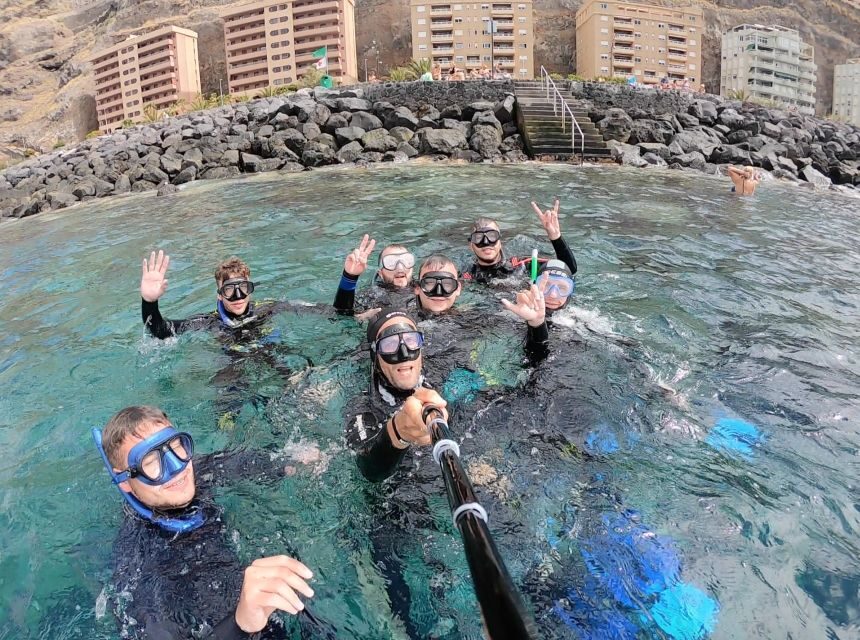
- Breathing coaching (yoga, Qigong, conscious breathing) to help you feel steadier in the water
- Ear equalization guidance so you can dip without stress
- Small group size (max 10) for more personal attention
- Freediving-style preparation that goes beyond ordinary snorkel instructions
- Photos and video capture so you do not miss the moment you finally relax
You can also read our reviews of more snorkeling tours in Tenerife
How a Radazul snorkeling session becomes a breathing skill
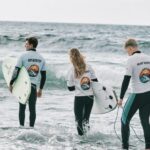
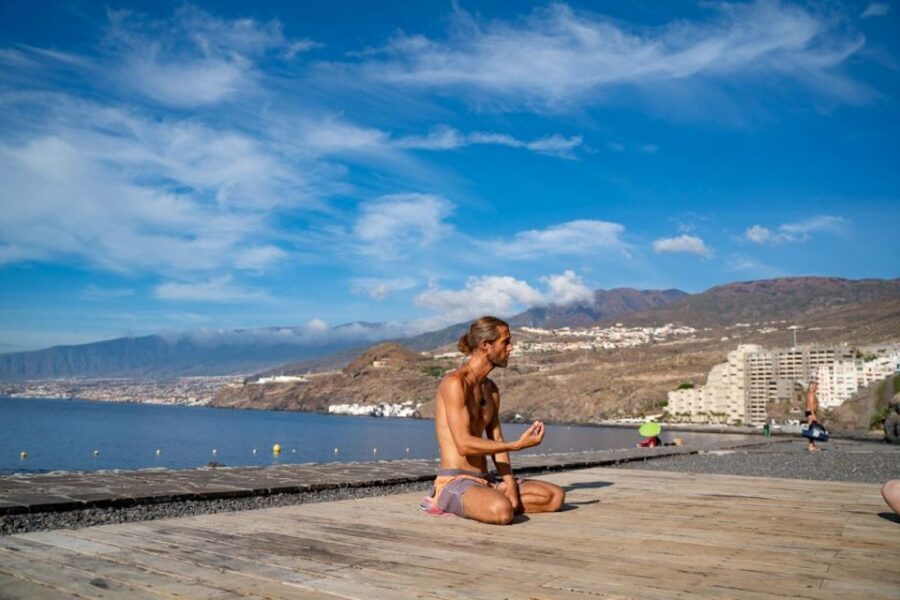
Radazul Beach is a smart place to start if you want easy-to-reach, ocean-front instruction. The whole flow is built around preparation first, fun second. You begin at Av. Colón, 22, then head to the Radazul meeting area where the session starts on a wooden platform in front of the ocean. That “platform first” setup matters: it lets you learn movements, breath cues, and safety basics while you are dry, so the water part feels less like a shock.
The tone is practical. The instructor’s job is not just to show you marine life. It is to help you feel capable—especially around the two things that most beginners struggle with: staying relaxed and managing the sensations that show up in your ears once you go under.
What you learn fits the type of snorkeling you actually want to do. Instead of thinking about panicking, you follow cues, breathe intentionally, and focus on your comfort. In the coaching, names you may hear include Carlos as the main guide (often leading the warm-up and breathing flow), and Sandra in communication. Even with different languages available, the structure stays consistent.
The 3-hour plan: what happens at each stop, and why it works
1) Av. Colón, 22: getting oriented
You meet at Av. Colón, 22, with the activity centered around Radazul afterward. This is useful if you are staying somewhere on the island but want a clear starting point with a short transfer. You are not left guessing where to go or what to bring beyond the essentials.
2) Radazul wooden platform: class, safety briefing, workshop (about 1 hour)
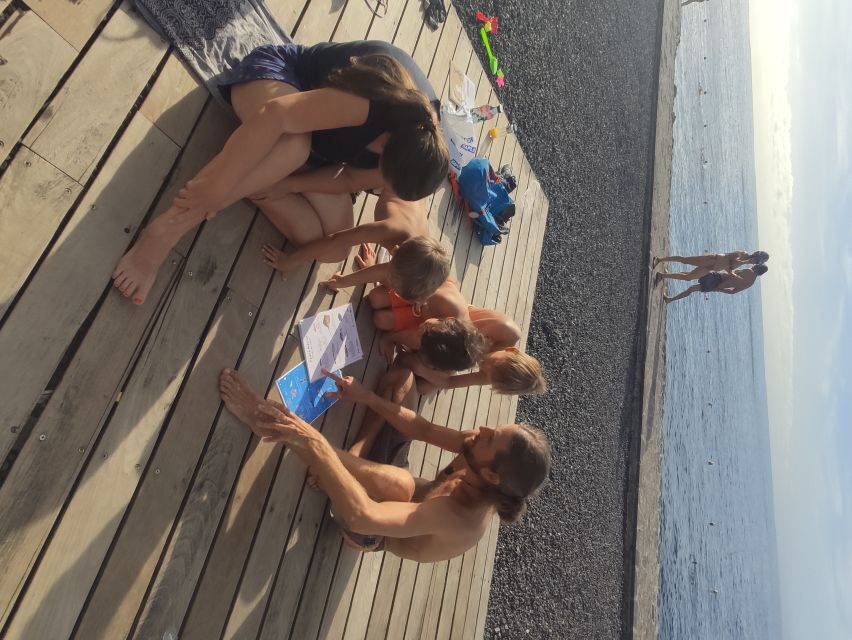
On the front platform, the session starts with a safety briefing and a short workshop. This is where you get the foundation you will use later in the water—especially the practical part about how to compensate for your ears. If you have ever avoided going down because it feels uncomfortable, this is the part that makes snorkeling feel less intimidating.
After the briefing, you do a “dry” set of prep: stretching, plus relaxation through conscious breathing. The session also includes Qigong, which can feel unusual if you only associate snorkeling with fins and masks. But the goal is simple: teach your body to slow down so your breathing stays controlled later.
You also get geared up here with the essentials:
- mask
- snorkel tube
- fins
- wetsuit
- belt of apnea with weights
That last one is important. A weights belt can seem intimidating if you have never used one. Here it is part of controlled instruction, not something you guess your way through. The payoff is that you will understand how your body position and comfort affect how you move in the water.
3) Radazul water time: photo stop + guided tour + snorkeling (about 1.5 hours)
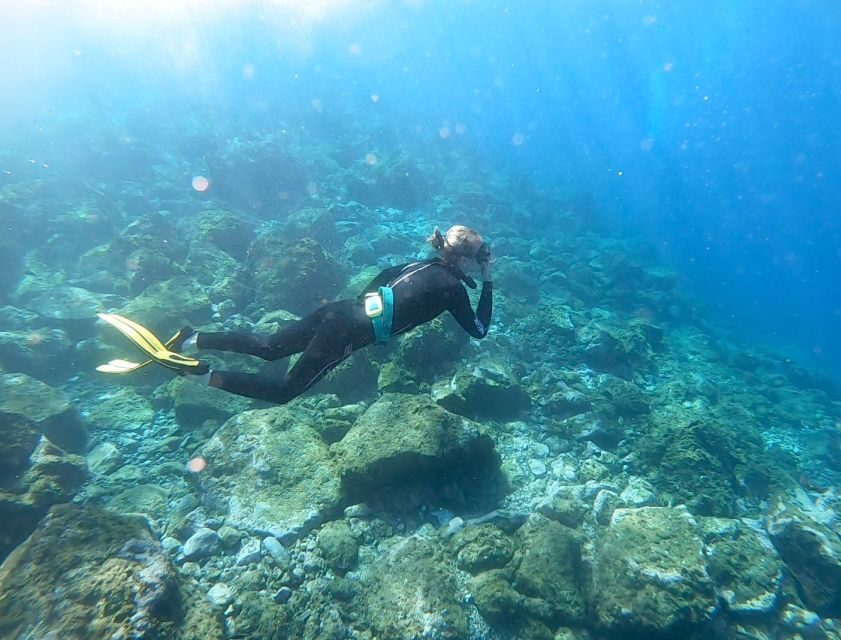
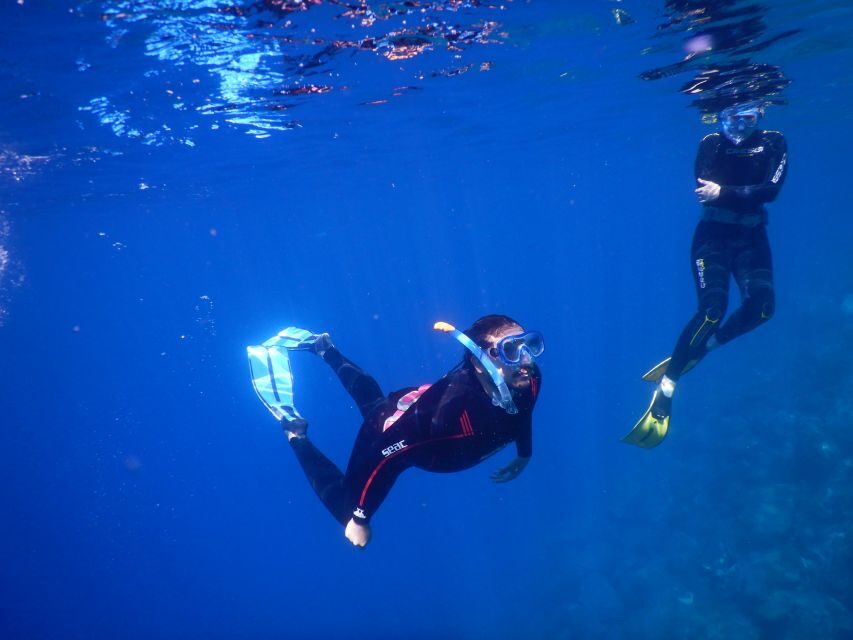
Once you are ready, you do a photo stop and then the guided tour and snorkeling part. This is the time you will be looking at the underwater world for about an hour, while the instructor keeps the group together and guides you through what to focus on.
The “freediving instructor” angle shows up in the coaching style. You are not only being shown where fish are. You are coached on how to stay calm and how to use your breath so your body cooperates. In particular, those breathing prep exercises tend to make the experience feel smoother once you are actually floating and observing.
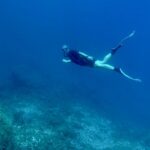
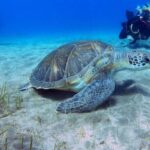
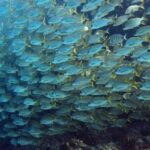
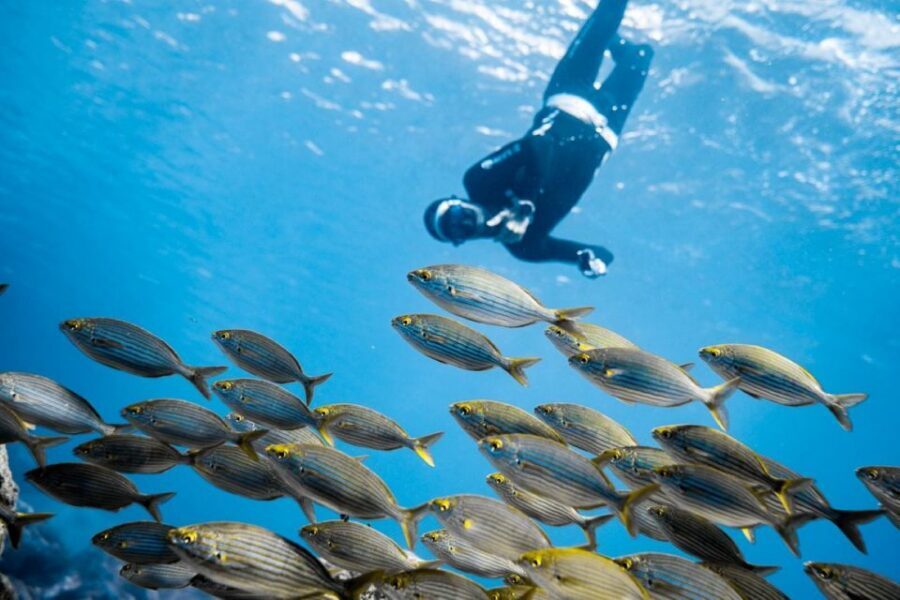
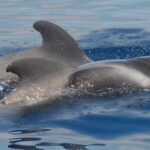
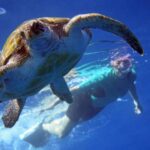
You are likely to see colorful reef fish, and there is at least one confirmed highlight from past participants: a ray was spotted during the tour. That is the kind of moment you remember because it feels like you are moving through a living landscape, not just staring at water.
4) Break at Radazul: aperitif / picnic / local snacks (about 30 minutes)
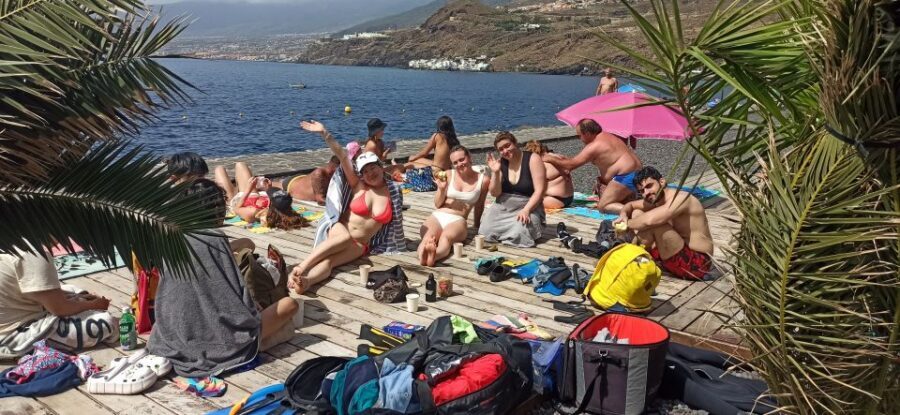
After you leave the water, you get a healthy snack. Then there is a short break period that includes an aperitif and local snacks. It is a nice way to transition: warm up, settle your breathing, and let your body recover before you head back.
If you are thinking about comfort, this is also practical. Snorkeling can make you colder than you expect, even in a warm climate. The snack and break time help you come back to normal so you do not just feel wiped out.
5) Back to Av. Colón, 22
The activity ends back at the meeting area at Av. Colón, 22. The whole experience is designed to fit into a 3-hour block without turning into a half-day logistics headache.
What makes the breathing and Qigong prep actually useful
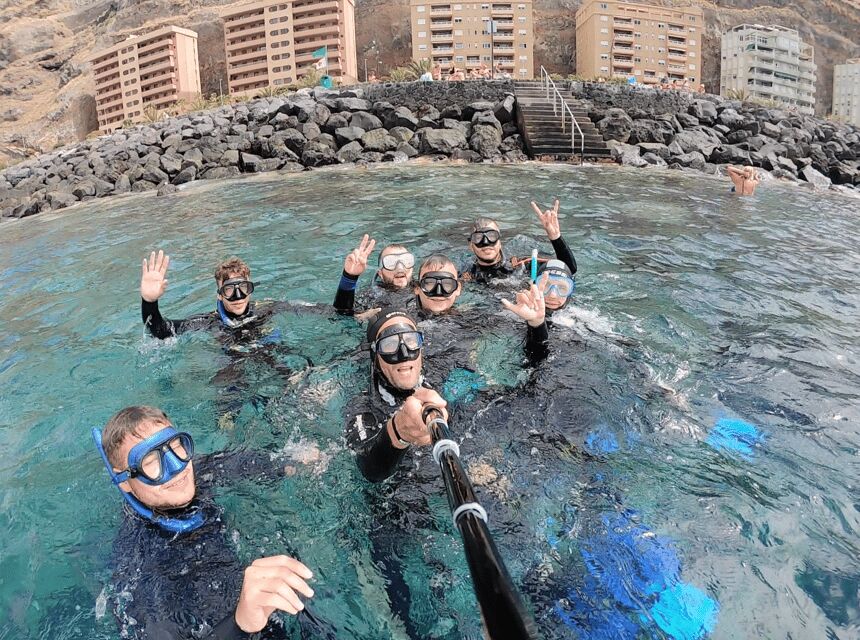
A lot of snorkeling is “show up, gear up, go.” This one is different. The warm-up is built around breathing control and relaxation, including yoga/stretching, Qigong, and conscious breathing.
Here is why that matters for you:
- When you are relaxed on the surface, you are less likely to tense once you start going under.
- Controlled breathing cues help you avoid the spiral of shallow breaths and panic.
- The group does the exercises together, so you are not left figuring things out alone while water sensations kick in.
From past experiences shared with this course, the breathing section helped people later during snorkeling. That makes sense. If you can slow your breathing on land, you have a reference point when you feel your body react underwater.
And the instructor coaching style seems to be a key part of the value. People have described Carlos as welcoming and calm, with solid knowledge that makes the safety and breathing feel clear rather than abstract. If you like instruction you can trust, this should fit.
Gear and comfort: what you need, and what to plan for
This tour supplies most of the gear, which is a big part of the price value:
- sports equipment, fins
- mask and snorkel tube
- wetsuit
- belt of apnea with weights
- photos and videos during the session
- a snack when you get out of the water
You still need to bring your own basics:
- swimsuit
- towel
- sunscreen
- and a good attitude
You are also told to avoid eating during the hour before the activity. That is a sensible rule for anyone who gets easily queasy or wants to feel light and comfortable once you enter the water.
Glasses, contacts, and masks
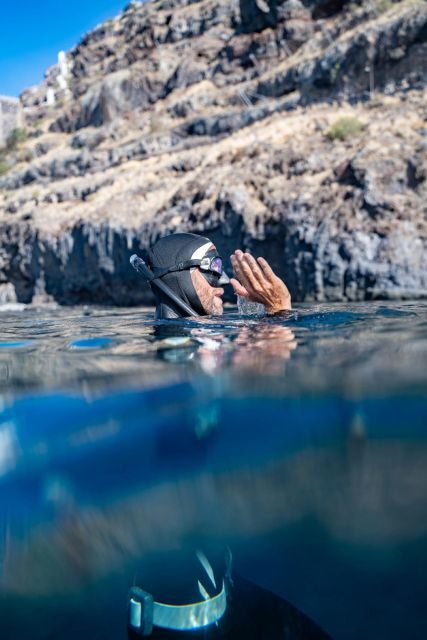
You will have to remove glasses for the water portion. You can use contact lenses in the water. If your prescription is very strong, the team can offer advice on where to find special lenses that fit the snorkel mask. That is one of those details that can quietly make or break the experience if you wear glasses, so take it seriously.
Weather reality
It is outdoors, which means the session can be rescheduled depending on rain, strong wind, or wild ocean waves. In other words: do not plan this like a guaranteed sit-at-a-table activity. Check the conditions and be ready for an alternate time if the sea is not cooperating.
Safety and who this fits best (and who should skip it)
This is designed for people who want hands-on instruction. Still, there are hard requirements:
- You must know how to swim
- It is not suitable for children under 6
- It is not suitable for non-swimmers
- It is not suitable for visually impaired people
That list matters. Even though it is a snorkeling experience, it uses freediving-style preparation and includes a weight belt. The course is safer when everyone in the group is physically comfortable and can follow instructions quickly.
If you are an adult beginner who wants structure, this is one of the better options because you learn ear equalization and breathing before the water part. If you are already comfortable snorkeling, you may still enjoy it because it adds skills and a calmer mindset rather than just adding fish-spotting.
Price and value: why $52 can make sense here
At $52 per person for about 3 hours, the value depends on what you count as included—and here, quite a lot is bundled in.
You are paying for:
- gear (mask, snorkel, fins, wetsuit, and the weights belt)
- a coached warm-up (yoga/stretching/Qigong/breathing)
- instruction focused on safety skills like ear equalization
- photos and videos taken during the session
- a snack and post-water recovery time
If you have ever rented gear and then paid for separate instruction or ended up skipping photos because you were too busy swimming, you can see why this can feel like a fair deal. The small group size (limited to 10 participants) also supports the idea that you are not just a number.
The only value risk is weather. Since it is outdoors, you may need to adjust if conditions are rough. If you are flexible with your schedule, that risk drops.
The underwater experience you will actually remember
This course is about being in communion with the ocean, but it does it in a grounded way. You are not just chasing something pretty. You are learning how to slow down, stay safe, and observe.
During the guided snorkeling segment, you will view marine life and wildlife around Radazul. Based on prior highlights, the seabed can be full of colorful fish, and you might even catch a larger visitor like a ray. The key is that you are guided well enough to notice what is there without turning it into stressful busywork.
You also walk away with a digital record. Since the team takes photos and videos, you get proof of the moment when everything clicked—when your breathing was steady and your attention shifted from equipment to the sea.
Should you book this snorkeling + freediving instructor session?
Book it if you:
- want snorkeling that includes real coaching, not just gear and a route
- like breathing practice and want to learn how to relax before going underwater
- want a small-group setting with an instructor who explains safety clearly
- care about photos/video so you can focus on the experience while they capture it
Skip it (or consider another option) if:
- you do not swim confidently
- you cannot remove glasses for the mask portion and cannot use contact lenses
- you get stressed by weight belts or have medical concerns you are not prepared to discuss with the team
- you absolutely cannot adjust your schedule if the ocean conditions require a reschedule
If you want your Tenerife snorkeling to feel thoughtful, safe, and genuinely guided, this is a strong choice.
FAQ
What is the duration of the experience?
The experience lasts about 3 hours.
Where do I meet for the tour?
You meet at Av. Colón, 22, and the water activity is based at Radazul Beach at one of the three wooden platforms in front of the ocean.
What’s included with the price?
Sports equipment is included, along with fins, mask, snorkel tube, wetsuit, a belt of apnea with weights, a snack after the session, and photos/videos taken during the activity.
Do I need to bring my own snorkeling gear?
No. The mask, snorkel tube, fins, and wetsuit are provided, but you should bring a swimsuit, towel, and sunscreen.
Is there a warm-up before snorkeling?
Yes. There is a dry session on the wooden platform with a safety briefing plus stretching, yoga, Qigong, and breathing/equalisation preparation.
What about ear equalization?
The briefing covers how to compensate for your ears so you can dip in the water more comfortably.
Can I wear glasses?
You need to remove glasses for the water activity. Contact lenses are allowed, and the team can offer advice if your prescription is very high.
Do I have to be able to swim?
Yes. You must know how to swim. It is not suitable for non-swimmers.
Is the activity always outdoors?
Yes, it takes place outdoors, so it may be rescheduled if there is rain, strong wind, or wild ocean waves.
Who is the activity not suitable for?
It is not suitable for children under 6, non-swimmers, and visually impaired people.