REVIEW · SCUBA DIVING
Tenerife – Discover Scuba Diving Experience with Instructor
Book on GetYourGuide →Operated by DiveBase Tenerife · Bookable on GetYourGuide
Breathing underwater feels unreal, in a good way. This Discover Scuba experience in Tenerife is built for first timers, with a PADI instructor and a relaxed pace in a safe, calm setting. I especially like that you get hands-on guidance from start to finish, and that the meeting spot puts you close to a well-known house reef area called Baja de la Tortuga (Turtle Bay). One thing to consider: you’ll need to follow the required medical paperwork and you should not plan a flight for at least 12 hours after the experience.
You also get real structure, not just gear and guesswork. The training includes a theory and safety briefing (about 45 minutes), then you move into the water for roughly an hour of supported practice and underwater viewing. I like the small group size (max 4 participants), because it makes it easier for the instructor to correct your body position and keep nerves steady. The main drawback is simple: this is not for everyone, so if you have restrictions like back/heart/respiratory issues, pregnancy, or you’re not a confident swimmer, you’ll want to skip it.
In This Review
- Key things to love about this Tenerife scuba intro
- Why Alcalá and Turtle Bay are ideal for your first underwater session
- The small group format: you get support, not a crowd
- Safety briefing and gear time: the quiet part that makes everything easier
- Your first breaths underwater: what the training is really about
- The underwater experience: calm conditions and real marine life viewing
- The itinerary in human terms: what happens at each stop
- Price and value: why $91 can make sense for first-timers
- Logistics that matter: what to bring, what not to do
- Before you go: the PADI app and the mandatory medical form
- Who should book, and who should skip this scuba intro
- The best type of instructor support you’ll want for first time nerves
- Should you book this Tenerife Discover Scuba experience?
- FAQ
- How long is the Discover Scuba experience in Tenerife?
- Where do I meet the instructor?
- Do I need previous scuba experience?
- Is equipment included?
- What about insurance and instructor qualifications?
- How long is the underwater part?
- What do I need to bring?
- What languages are available?
- Are there health or participation limits?
- When can I fly after the experience?
Key things to love about this Tenerife scuba intro
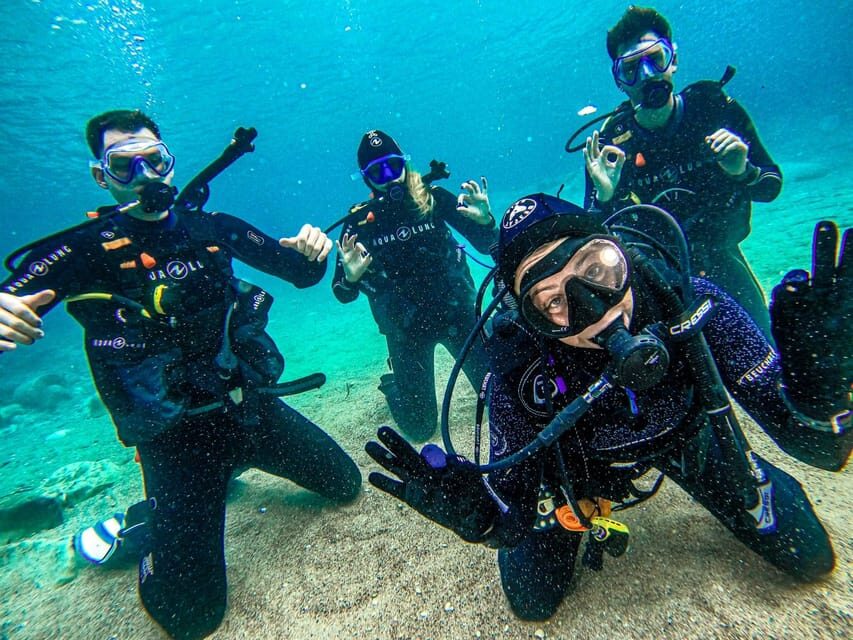
- Small group of 4 means you get more personal attention
- PADI instructor-led training with a clear safety briefing and equipment check
- Baja de la Tortuga (Turtle Bay) is right by the meeting area, so you’re close to the water
- About 1 hour underwater plus a certificate afterward
- English, Spanish, and Italian instruction options
- Reviews highlight patient instructors who can handle beginner anxiety calmly
Why Alcalá and Turtle Bay are ideal for your first underwater session
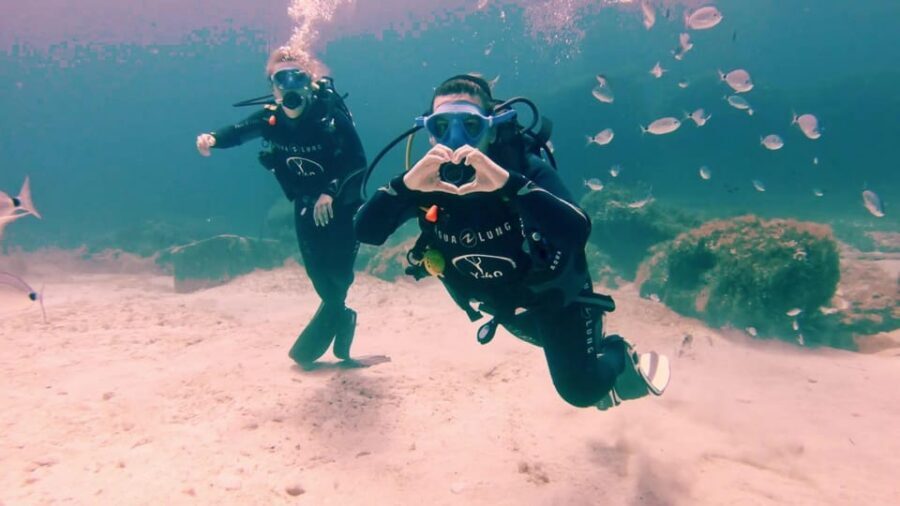
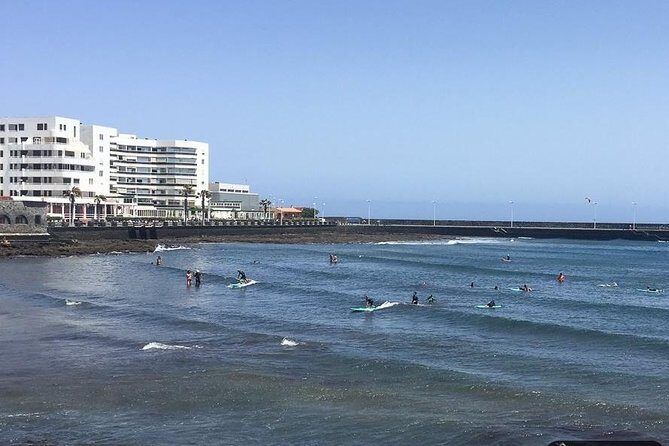
Alcalá on Tenerife’s west coast has that laid-back seaside feel that makes a first scuba experience easier on your nerves. The meeting point is right in the main square of Alcalà, next to the ocean, and very close to the house reef area known as Baja de la Tortuga (Turtle Bay). That matters more than people think.
If you’re new, the “getting there” part can drain confidence. Here, you spend less time traveling and more time focusing on what you actually came for: learning how scuba gear works and how breathing feels underwater. Being near a known reef area also tends to support a calmer, more controlled setup than you’d get if you had to travel far offshore just to practice.
For value-minded travelers, the location is a plus: you can reach Alcalá easily by car, or by bus (line 477, bus stop number 7219). It’s one of those trips that fits well with a beach day vibe, only with training built in.
You can also read our reviews of more scuba diving tours in Tenerife
The small group format: you get support, not a crowd
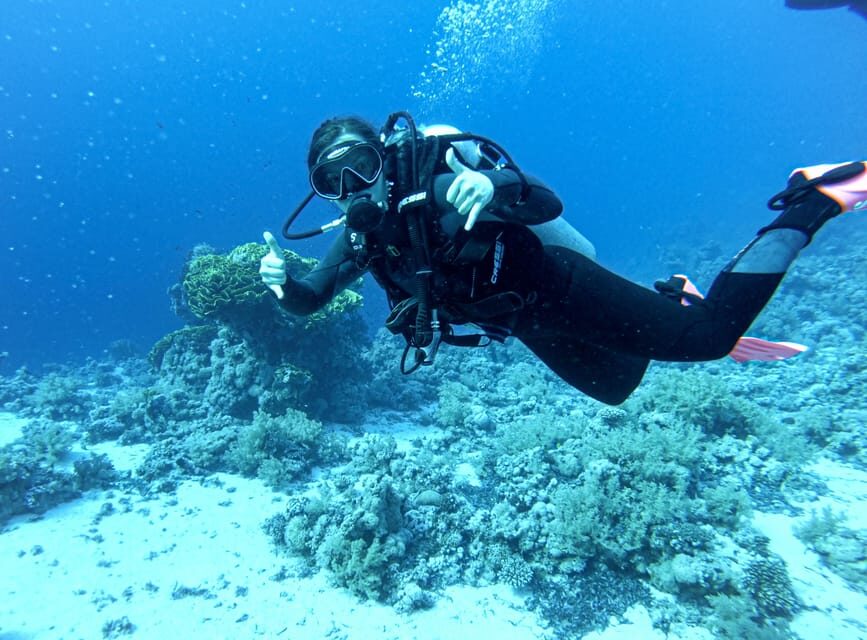
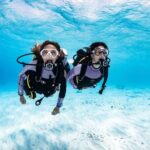
This experience is capped at 4 participants, which is a big deal for a first-timer course. With a small group, you’re less likely to feel rushed. You also get more chances to ask the question you’re too nervous to ask at the start.
I like that the experience emphasizes constant instructor support. That usually means they can slow down when your breathing or comfort level needs adjustment. It also helps with the equipment fitting and positioning—small changes can make you feel much more relaxed once you’re in the water.
The reviews put a spotlight on instructors who stay calm even when beginners get panicky. That’s exactly what you want in a short intro like this. Scuba is not hard, but it is new, and new things can trigger weird feelings. A good instructor helps you translate those feelings into simple steps: breathe, relax your body, and follow the process.
Safety briefing and gear time: the quiet part that makes everything easier
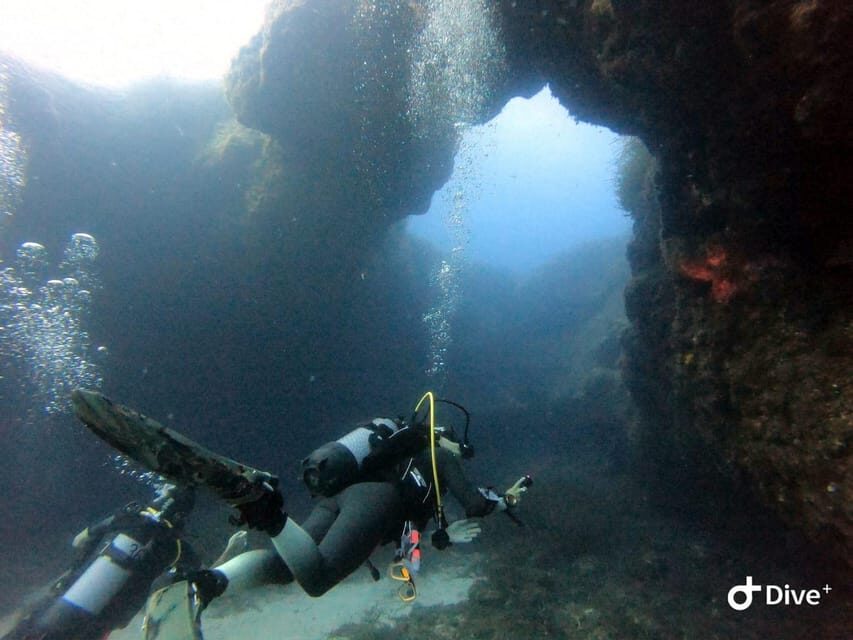
Before you head into the water, you get a theory session and safety briefing that runs about 45 minutes. This isn’t just paperwork. It’s where you learn the basics of how to use the equipment and how to stay safe while you’re underwater.
You also get complete scuba equipment included, so you’re not trying to rent gear you don’t understand. For a first experience, that’s one of the best value points. Buying or renting random parts later turns into hassle fast. Here, you’re handed a full setup and coached on how it should feel.
Another practical value add: you get full diving insurance as part of the package. Even if you’re doing a beginner-friendly program, insurance is one less stress on your travel brain.
One more thing you should know upfront: no touching marine life. That keeps the ocean safer for animals and protects you from “oops” situations that can happen when people reach out too quickly.
Your first breaths underwater: what the training is really about
The headline moment is the one people remember: the feeling of breathing underwater and the non-gravity sensation. It’s a strange shift at first—your brain expects the usual pull of gravity, and scuba flips the script.
But the real win is how they guide you through it. The program is designed for people with no previous experience, so you’re not being thrown into the deep end with zero explanation. You learn the basics, practice under supervision, and keep moving step by step.
If you’re worried about panic or feeling overwhelmed, don’t ignore that instinct. Listen to it, but don’t let it control you. The reviews specifically praise instructors who can handle panic in beginners and bring you calmly back into the process. That tells me this program is set up for real beginners, not just “beginner on paper.”
I also like that the instructor is fluent in English, Spanish, and Italian, depending on the session. Clear communication is everything when you’re trying to process breathing cues while managing buoyancy.
The underwater experience: calm conditions and real marine life viewing
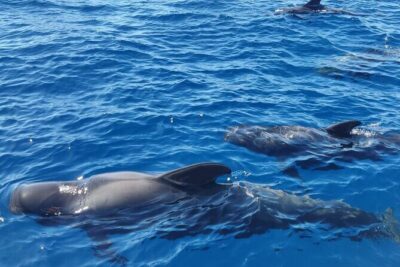
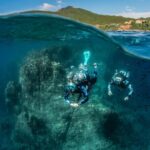
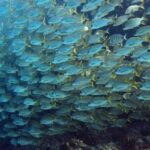
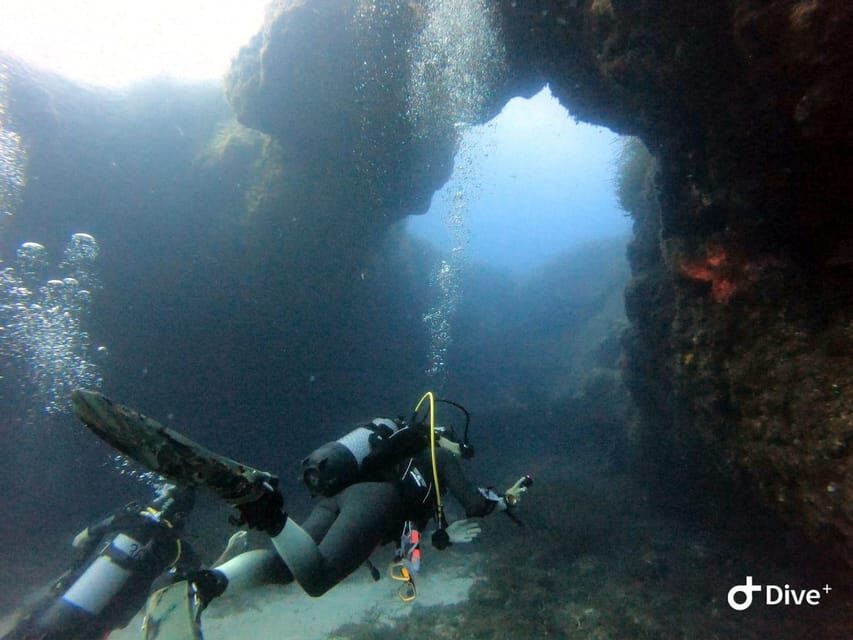
Once you’re in the water, the plan is straightforward: you spend about 1 hour underwater, swimming alongside colorful fish and looking at the marine life that lives off Tenerife’s coast.
Since the meeting point connects you with the house reef area nearby, you’re likely to get a more relaxed, controlled underwater experience than a far-travel open-water setting. For first timers, that’s a quality-of-life upgrade. Less current stress and fewer moving parts makes it easier to enjoy the whole moment.
Also, it helps that the experience is described as safe, pleasant, and calm. In practice, that usually means you’re not expected to perform complicated maneuvers or “do everything” right away. Instead, you’re learning to be comfortable with the gear and enjoy what’s around you.
And yes, it’s still ocean. You’re still a guest in someone else’s environment. The rule about not touching marine life is a reminder that you should observe, not reach.





The itinerary in human terms: what happens at each stop
Here’s how the flow feels, in plain language, and why it works for beginners.
Stop at the dive center (Alcalà): class + safety briefing (about 45 minutes).
This is where you get the basics, hear the safety points, and go over equipment. If you pay attention here, the water part gets easier quickly. If you tune out, you’ll likely feel confused later, especially when you’re trying to remember gear functions while breathing steadily.
Heading to the local water area: guided session and marine life viewing (about 1 hour).
This is the practical part. You’ll wear your gear and get coached as you practice the underwater skills. The goal isn’t speed. The goal is comfort and understanding.
Back after the underwater session: return for your certificate.
The program includes getting your certificate after you return to the center. That’s important because it turns the experience from a one-off thrill into a step you can build on later if you want to keep exploring.
One small consideration: the overall experience is about 3 hours total. That’s not long, but it’s long enough that you should show up ready—full attention during the briefing helps.
Price and value: why $91 can make sense for first-timers
At around $91 per person, this isn’t a budget “try it” stunt with minimal support. You’re paying for structure: a PADI instructor-led format, equipment included, a safety briefing, and full diving insurance.
For first-time scuba, value is usually less about the absolute price and more about what you’re not paying for later:
- No need to figure out gear rentals piece by piece
- No need to guess safety procedures
- No need to find an instructor who will spend time coaching beginners
Also, the small group size (up to 4) supports the idea that you’re paying for instruction quality, not just a ticket to a location.
If you’re comparing options, look for programs that include equipment and a real briefing—not just a coastal walk and a quick splash. This experience checks those boxes.
Logistics that matter: what to bring, what not to do
This is one of those tours where the “simple” rules protect both you and the environment.
Bring:
- Swimwear
- Towel
You should also plan around the fact that you’re not provided with bikinis or towels for rental. If you show up empty-handed, you’ll need to scramble. Bring what you need.
Not allowed:
- Touching marine life
- Smoking
- Alcohol and drugs
- Alcoholic drinks in the vehicle
Those rules aren’t just for discipline. They reduce distractions right before you’re suiting up, and they keep everyone safe when you’re dealing with water and equipment.
One more timing factor: you cannot take a flight for at least 12 hours after the experience. So think about this if your itinerary includes short hops between islands or quick international connections.
Before you go: the PADI app and the mandatory medical form
This program comes with pre-checks. You’ll be asked to:
- Download and use the PADI app
- Start reading about the Discover Scuba program using the provided eLearning material (you can choose your preferred language)
You also must complete a medical form. It’s mandatory for every participant. If you answer yes to any questions, you’re instructed to contact the DiveBase team because a doctor’s certificate might be needed.
I like this approach, even if it’s one extra step. It saves headaches later and helps the team match the safest plan to your body and health status. If you’re prone to ignoring medical forms, take this one seriously. It’s part of why the experience is kept calm and controlled.
Who should book, and who should skip this scuba intro
This is a beginner-friendly experience, but it has clear limits.
It’s not suitable for:
- Children under 12
- Pregnant women
- People with back problems
- People with heart problems
- Non-swimmers
- People with respiratory issues
If you fall into any of those categories, I’d steer you toward a different water activity that doesn’t involve scuba equipment and underwater safety procedures.
If you’re a non-scuba traveler who wants a guided first step, this fits well. It’s also a good match if you want instruction in a group that stays small and attentive.
The best type of instructor support you’ll want for first time nerves
The reviews are consistent on one theme: the instructors are patient and engaging. One named instructor, Angie, is praised as superb—patient and able to share her passion. Another review describes very expert instructors who can guide a beginner even when panic shows up, getting you back to the process calmly.
That’s what you should look for when choosing a first scuba experience. You don’t want only technical instruction. You want emotional steadiness too, especially when you’re coordinating breathing with new body positions underwater.
Should you book this Tenerife Discover Scuba experience?
If you want your first scuba experience in a small group, with full equipment, a real safety briefing, and instructor support that’s known for handling beginner nerves, this is a strong choice. I also like the fact that the meeting point is in Alcalà and close to Baja de la Tortuga (Turtle Bay), which makes the day feel simpler.
I’d think twice if you have any of the listed health restrictions, if you’re not a confident swimmer, or if you can’t plan around the no-flight window (12 hours). And do the pre-work: the PADI app and the medical form aren’t optional busywork.
My practical advice: book it if you’re curious, you can follow the safety rules, and you’re ready to learn at a calm pace. Skip it if you’re hoping for a casual, no-prep outing. This program works best when you show up ready to pay attention.
FAQ
How long is the Discover Scuba experience in Tenerife?
The total experience is about 3 hours, including the briefing and the time in the water.
Where do I meet the instructor?
You meet at DiveBase Tenerife in the main square of Alcalà, next to the ocean and close to the house reef area called Baja de la Tortuga (Turtle Bay).
Do I need previous scuba experience?
No previous experience is needed. The program is designed for beginners.
Is equipment included?
Yes. You get the use of complete scuba equipment as part of the experience.
What about insurance and instructor qualifications?
The experience includes full diving insurance and is led by a PADI instructor.
How long is the underwater part?
Your underwater session lasts about 1 hour, give or take, with an instructor guiding you.
What do I need to bring?
Bring swimwear and a towel. Bikinis and towels are not available for rental.
What languages are available?
The instructor can teach in English, Spanish, and Italian.
Are there health or participation limits?
Yes. It’s not suitable for children under 12, pregnant women, people with back problems, heart problems, respiratory issues, or people who are non-swimmers.
When can I fly after the experience?
You should not take a flight for at least 12 hours after the experience.