REVIEW · SCUBA DIVING
Tenerife: 2-Dive Private Scuba Discovery Course
Book on GetYourGuide →Operated by Iki Dive Tenerife · Bookable on GetYourGuide
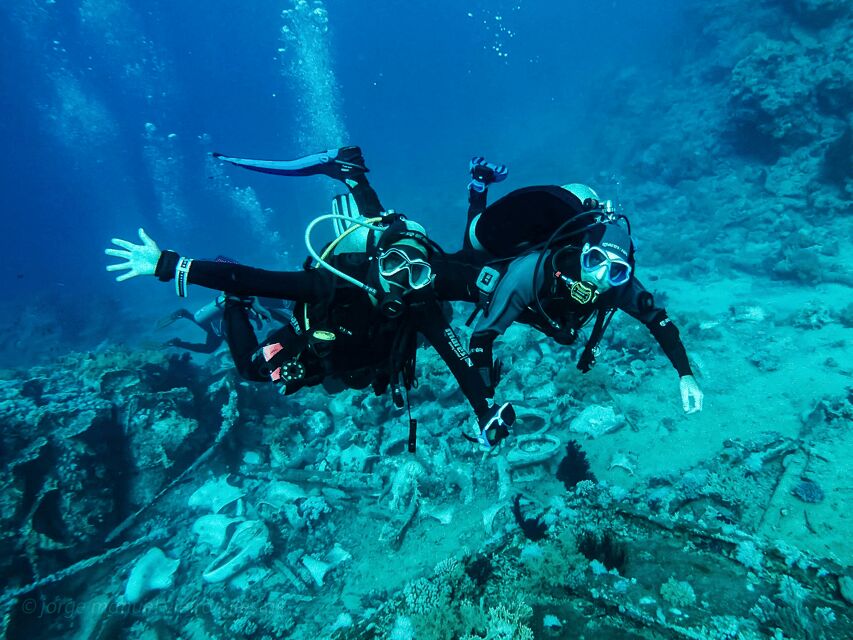
Your first time underwater gets real fast. This private 2-session scuba discovery experience in Tenerife pairs hands-on coaching with a DSD certification card and a private instructor, so you learn the skills you’ll use for future underwater trips. Just know there’s no hotel pickup, so you’ll need to reach Scuba Point on your own.
In about 5 hours, you’ll get brief theory, a quick equipment run-through, then hop out on a speedboat for two underwater sessions in clear Canary Islands water. The overall vibe is calm and safety-first, especially with instructors like Amara, who explains everything from the basics and then coaches you step by step.
In This Review
- Key Points That Matter Most
- What You’re Actually Buying in Tenerife: Two Sessions Plus a Certification Card
- Meeting at Scuba Point: Where Your Day Starts (and What to Bring)
- Gear, Quick Training, Then Out on the Water
- First Underwater Session: Basics That Help You Stay Calm
- Second Underwater Session: Variety, Wildlife Chances, and a Practical Contingency Plan
- DSD Certification: The Real-World Meaning of “Up to 12 Meters”
- Marine Life Rules: How to See It Without Messing It Up
- Price and Value: Is $147 a Good Deal Here?
- Who This Course Fits Best (and Who Should Skip It)
- Timing and Safety After Your Session: Altitude Matters
- Photos, Videos, and What You’ll Take Home
- What the Best Instructors Do Differently (From Amara, Elena, and Gabi)
- Should You Book This Tenerife Private Course?
- FAQ
- What is included in the private scuba discovery course?
- How long is the experience in Tenerife?
- Where do I meet the instructor?
- Do I get pictures or videos?
- Is this a private experience?
- What certification do I receive?
- Are there height or flight restrictions after the course?
- What should I bring with me?
- Who is this course not suitable for?
- What marine life rules do I need to follow?
Key Points That Matter Most
- Private, small-scale coaching with an instructor focused only on you (or your private group)
- DSD certification card that supports future underwater experiences up to 12 meters with an instructor
- Two underwater sessions from a speedboat for more variety and time in the water
- Clear rules for marine life, including no touching and no feeding
- Rain or shine, so you plan around weather rather than canceling the whole day
What You’re Actually Buying in Tenerife: Two Sessions Plus a Certification Card
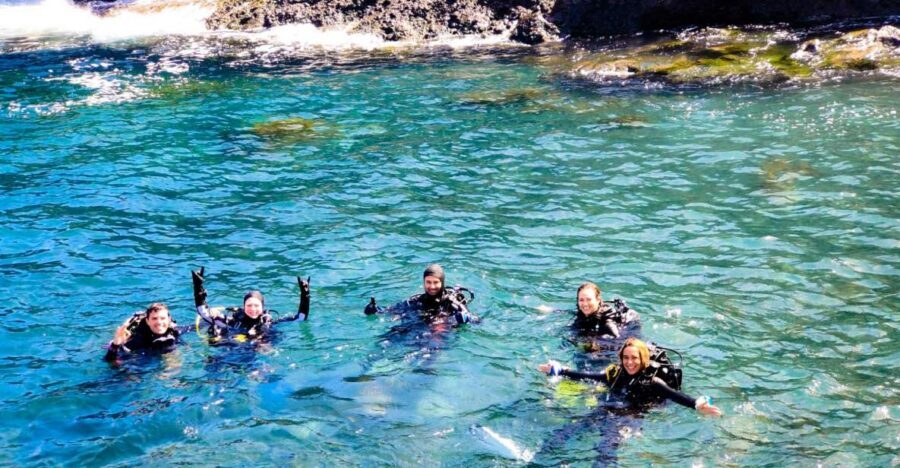
This is not a one-and-done “just float around” outing. You’re paying for a structured private introduction that leads to DSD certification you can carry forward. In plain terms, that means you’re not only getting time in the water, you’re also getting the paperwork and the training foundation to do it again with confidence.
I like how the format is built for real beginners. You’ll start with practical instruction before you ever go underwater, and the day is paced so you don’t feel rushed. From the feedback I’m using to shape this review, instructors such as Amara are praised for moving from very basic knowledge to hands-on training in the water, with lots of patience.
One more value point: you get an instructor who stays with you. That matters more than people think, especially the first time you breathe compressed air. A calm, close coach helps you keep your head on straight, not just your fins.
You can also read our reviews of more private tours in Tenerife
Meeting at Scuba Point: Where Your Day Starts (and What to Bring)
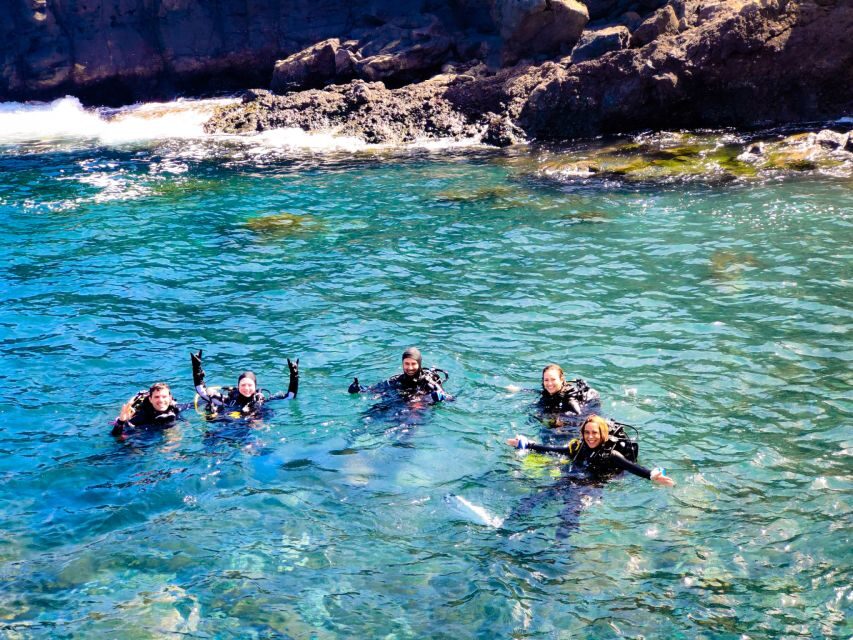
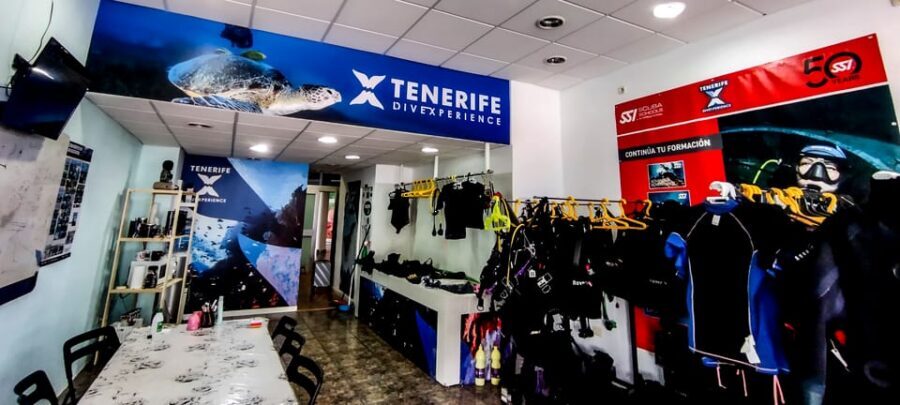
Your meeting point is Scuba Point, located on the back side of the Commercial Center building. That’s helpful because it’s a specific landmark, not a vague “meet somewhere near the harbor” situation.
Also plan for no hotel pickup. Bring your own way to get there, because your day begins at the meeting point, and the experience ends back where you started.
Pack like you’re going to the water and then back to land:
- Passport or ID card
- Swimwear
- Change of clothes
- Towel
- Water
It’s a small list, but it saves you from that post-session scramble when you’re already tired and cold-damp.
Gear, Quick Training, Then Out on the Water
Once you meet your instructor, you’ll get:
1) A quick introduction to how to use your equipment
2) Practical theory that sets expectations for what happens underwater
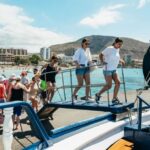
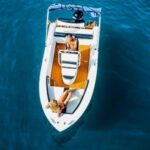
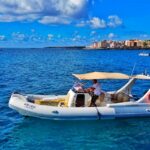
Then you board a speedboat to get to your underwater site. The key idea here is momentum. You’re not spending hours just waiting around—your time is organized so you’re learning and then using what you learned right away.
The course is designed to run rain or shine. So if you’re the type who checks the sky nonstop, treat the weather as “possible delay, not a cancellation.” Tenerife’s day-at-sea rhythm is part of the experience.
First Underwater Session: Basics That Help You Stay Calm
Your first underwater session is where the training becomes real. You’ll go in with guidance from your private instructor, and the emphasis is on comfort, safety, and clarity.
What stands out from the coaching style described in the feedback is how instructors build understanding before asking you to perform. One well-mentioned approach: you start with basic concepts, then practice the movements and control points underwater. That’s exactly the pattern that helps first-timers feel like they know what’s going on.
If you’re worried about the mental side of scuba, this matters. It’s easier to relax when you understand why you’re doing each step. That’s why Amara’s teaching approach—explaining thoroughly and then training underwater—gets called out repeatedly.
Second Underwater Session: Variety, Wildlife Chances, and a Practical Contingency Plan
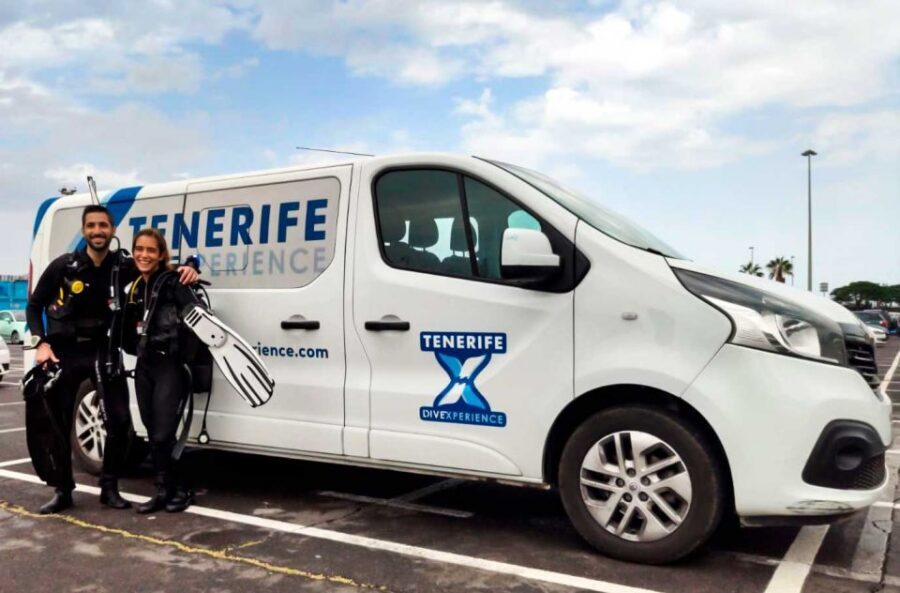
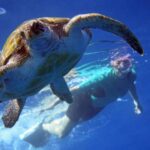
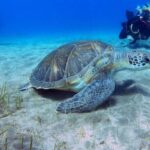
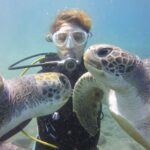
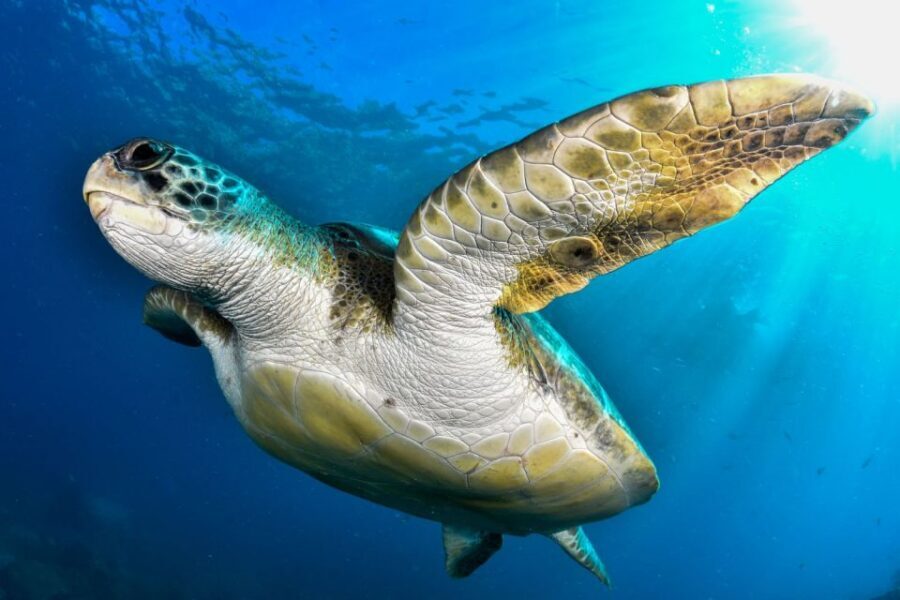
The experience includes a second underwater session, and there’s an interesting option that can add excitement: on the second stop, it’s possible to go to a site where you may commonly meet marine turtles and rays.
Here’s the practical catch: it’s not guaranteed. The alternative depends on conditions, your preferences, your adaptation to the marine environment, and the operator’s availability. In other words, you’re not being promised wildlife like a billboard. You’re being given a chance—based on what’s safe and workable that day.
Also note the instruction that your second session is by boat to another spot in a common turtle/ray area. That’s useful because it can change what you see without adding extra logistics you have to manage.
Either way, your goal in both sessions is the same: see local marine life in its natural habitat while you build control and comfort underwater.
You can also read our reviews of more scuba diving tours in Tenerife
DSD Certification: The Real-World Meaning of “Up to 12 Meters”
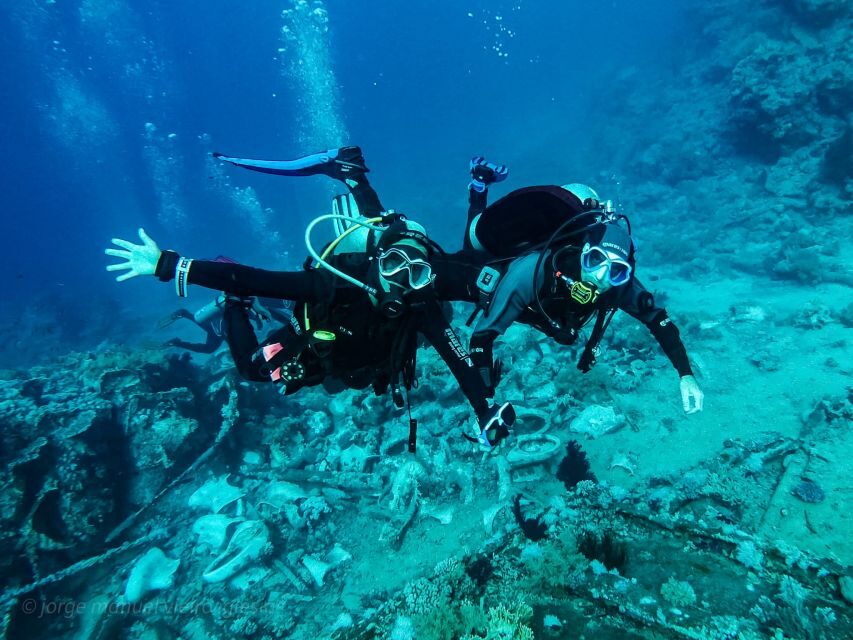
The day ends with a DSD certification card (and access to an online platform) intended to support future underwater trips. The important practical detail: it allows you to go to 12 meters as long as you have an instructor.
That’s a big deal for two reasons:
1) It clarifies your next steps. You’re not left wondering what your certification actually lets you do.
2) It keeps things responsible. The course structure is set up so you build skills first, then expand within the boundaries of guided instruction.
The online platform access is also a quiet value booster. Even if you don’t use it right away, having training resources can help you refresh what you learned when you’re planning your next underwater day.
And yes—insurance is included. That doesn’t replace safety habits, but it’s part of the course package.
Marine Life Rules: How to See It Without Messing It Up
This is the part that makes the day feel respectful, not like a theme-park activity. Your session includes clear rules:
- No fishing
- No alcohol or drugs
- No feeding animals
- Do not touch marine life
Those rules aren’t just “nice.” They directly protect wildlife and they also protect your own safety. Touching marine animals can lead to injuries for you and stress for them. The no-feeding rule prevents the kind of behavior that turns wild animals into opportunistic beggars.
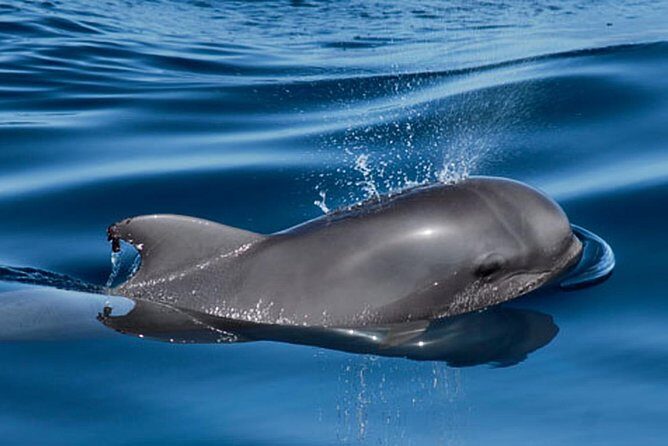
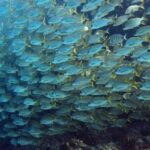
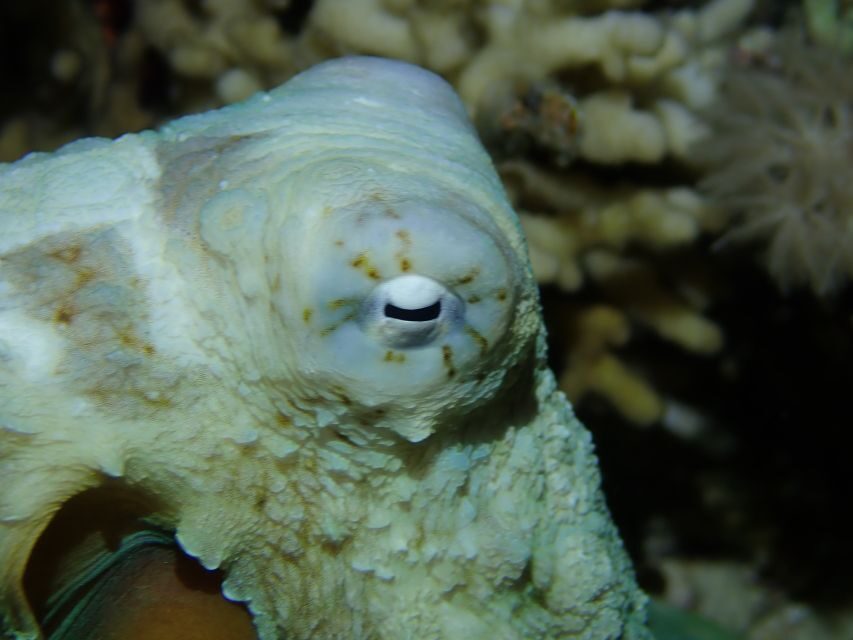
You’ll likely see canarian tropical fish and other local marine life. With the right distance and calm movement, the ocean gives you plenty to watch without needing contact.
Price and Value: Is $147 a Good Deal Here?
The price is $147 per person, with a 5-hour total duration (starting times vary). At first glance, it might feel like a lot or a bargain, depending on what you compare it to. Here’s why it’s often good value for the right person.
You’re getting:
- A private instructor
- Diving equipment
- Two underwater sessions
- Practical theory
- A DSD certification card
- Diving insurance
- Ongoing access to an online platform
The value piece isn’t only the “two sessions.” It’s the private instruction. In many travel activities, you pay extra for time in the water but not for focused coaching. Here, the coaching is built into the package, and that’s what helps beginners progress and feel safe.
You also get structure: meet point, equipment intro, speedboat travel, then training in the water. That reduces the chances of a chaotic experience where you waste half your time figuring things out.
Who This Course Fits Best (and Who Should Skip It)
This course is listed as not suitable for:
- Children under 10 years
- Pregnant women
- People with heart problems
- People with respiratory issues
- People with pre-existing medical conditions
- People with high blood pressure
- People with recent surgeries
- Wheelchair users
So if you have any medical concerns, you’ll want to think carefully before booking and follow the operator’s guidance.
Who it fits well:
- True beginners who want a calm introduction with a private instructor
- People who prefer instruction that starts with basic concepts and builds step by step
- Travelers who want certification, not just a quick sightseeing water moment
The “private group” format is also ideal if you don’t want to share attention with strangers while learning a new skill.
Timing and Safety After Your Session: Altitude Matters
After your underwater sessions, there’s an altitude caution: you should not fly or climb to altitude (for example, Teide) for at least 12 hours after diving.
This is the kind of rule that feels annoying until it keeps you safe. Plan your schedule like a local: treat the rest of the day as a “stay put and hydrate” window. If your Tenerife plans include cable cars, mountain trips, or a flight soon after, you’ll need to adjust your itinerary.
Photos, Videos, and What You’ll Take Home
The course includes your DSD certification card and training resources online. But pictures and videos are not included.
So if you want underwater photos, you’ll need to handle that outside the included package (or ask the operator directly about options). It’s better to know this up front than to assume you’ll automatically get a gallery after you get your logbook-worthy day.
What the Best Instructors Do Differently (From Amara, Elena, and Gabi)
Several names show up for the teaching quality, and it helps you choose with your gut:
- Amara is praised for patience and for taking students through details from basic knowledge to underwater practice. The result: many first-timers say they felt comfortable and safe because they understood what was happening and why.
- Elena and Gabi are also highlighted for calm, reassuring guidance and for being present in the experience with clear support.
That theme matters: the strongest part of the day isn’t just the ocean. It’s the instructor’s approach when you’re learning. If you’re nervous, you want someone who teaches slowly and explains clearly. This course’s reputation suggests you’ll get that style.
Should You Book This Tenerife Private Course?
If you want a first scuba skill day that’s structured, private, and ends with certification, this is a strong pick. It’s especially worth booking if you:
- Care about feeling safe and informed from the start
- Want private coaching rather than a big group scramble
- Are motivated to learn, not just to see fish
Skip it if you can’t meet the basic requirements. Don’t book if you’re in any of the listed non-suitable categories, and make sure your schedule can handle the 12-hour altitude rule after your sessions. Also, be honest about logistics: no hotel pickup means you’ll need to get yourself to Scuba Point.
If all that checks out, you’ll likely come away with the best kind of souvenir: knowledge, a certification card, and enough underwater comfort to plan your next trip with less fear and more control.
FAQ
What is included in the private scuba discovery course?
It includes two underwater sessions, a private instructor, diving equipment, a basic certification that allows reaching 12 meters with an instructor, permanent access to an online platform, and diving insurance.
How long is the experience in Tenerife?
The total duration is listed as 5 hours, with starting times depending on availability.
Where do I meet the instructor?
You meet your instructor at Scuba Point, which is on the back side of the Commercial Center building. The activity ends back at the same meeting point.
Do I get pictures or videos?
Pictures and videos are not included.
Is this a private experience?
Yes, it’s listed as a private group experience with a private instructor.
What certification do I receive?
You receive DSD certification and a basic certification that allows you to reach 12 meters as long as you have an instructor.
Are there height or flight restrictions after the course?
Yes. You should not fly or climb to altitude (such as Teide) for at least 12 hours after your underwater sessions.
What should I bring with me?
Bring a passport or ID card, swimwear, a change of clothes, a towel, and water.
Who is this course not suitable for?
It’s not suitable for children under 10, pregnant women, people with heart problems, people with respiratory issues, people with pre-existing medical conditions, people with high blood pressure, people with recent surgeries, and wheelchair users.
What marine life rules do I need to follow?
You must follow the rules including no fishing, no feeding animals, and no touching marine life (along with no alcohol or drugs).