REVIEW · 2-HOUR EXPERIENCES
Private 2 hour Whale Watching Tour
Book on Viator →Operated by Whale Watch Tenerife · Bookable on Viator
Small boat, big ocean moments. This private 2-hour whale watching trip from Puerto Colón keeps things calm and science-led. You get a biologist briefing, a careful approach under local rules, and a hydrophone so you can hear whales and dolphins.
I particularly like two parts. First, I love that you get to listen for whale and dolphin sounds using the hydrophone right on the water. Second, I like that the guide handles the close-up photo moments, then sends the photos to you afterward so you can actually watch instead of filming the whole time.
One consideration: this is on a small 8-meter boat, so motion sickness can be a real issue if you’re sensitive to rocking seas. Also, bring your own non-alcoholic drinks and snacks since food isn’t included.
In This Review
- Key things that make this tour work
- Puerto Colón Marina: easy to reach, built for departing at sea
- The 2-hour plan: briefing on land, then a rule-following approach offshore
- Biologists onboard: not just facts, but context for what you’re seeing
- Hydrophone listening: hearing communication, not just spotting a spout
- What you might spot off Tenerife (based on real sightings)
- Photos after the tour: a real quality-of-life upgrade
- Comfort, seasickness, and who should think twice
- Private tour value: what you’re really paying for
- Tips to make your 2 hours go smoothly
- Should you book this private whale watching tour in Tenerife?
- FAQ
- What’s the duration of the private whale watching tour?
- How many people are in a private group?
- Where do we meet for the tour?
- What’s included in the price?
- Are food and drinks included?
- What languages do the guide and staff speak?
- Who might not be able to join due to restrictions?
- What happens if the tour is canceled due to weather?
Key things that make this tour work
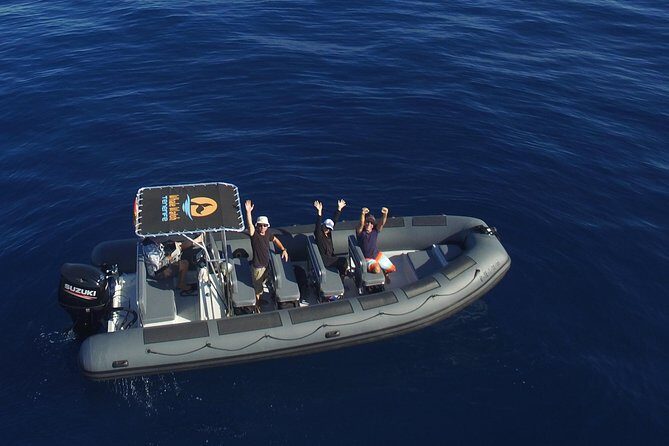
- Private group size (up to 10) on an 8-meter custom boat, so you’re not getting shuffled with big crowds.
- Biologist-led commentary with didactic materials to help you spot and understand what you’re seeing.
- Hydrophone included, so you’re not just looking—you’re also hearing whale and dolphin communication.
- Respect-first approach: the captain slows down and follows whale watching regulations, staying cautious and measured.
- Photos sent after the tour via email, letting you enjoy the encounter without constantly raising your phone.
- You might get more than whales: sea turtles, flying fish, and multiple dolphin or pilot whale pods can show up.
Puerto Colón Marina: easy to reach, built for departing at sea
This tour starts at Whale Watch Tenerife in Puerto Colón Marina, dock Pantalán Number 3 (Pantaloon No.3). Plan to arrive about 15 minutes early so you can meet the staff and get settled before departure. If you’re driving, parking is right there at the marina, and it’s described as around €1 per hour.
What I like about this setup is that it feels practical. You’re not hunting down a remote meeting point, and the marina area has bathrooms and places to eat nearby, so you can handle basics before you board.
You can also read our reviews of more private tours in Tenerife

The 2-hour plan: briefing on land, then a rule-following approach offshore
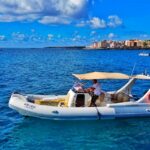
Once you’re onboard the custom 8-meter boat, you meet the captain and get a short safety briefing. Then the biologist staff explains the local marine ecosystem and which cetaceans you’re most likely to encounter. You’re also given didactic materials, which is helpful if you want more than just a scenic outing.
After that, the captain heads out to the current “hot spot” for observing whales and dolphins. The usual target is not more than about 3 miles off shore, which matters because it often keeps the ride shorter and the experience feeling more accessible.
When you reach the area, the captain slows the boat for a careful approach and follows the relevant whale watching regulations. In at least some trips, you may see the team take extra care like cutting engines so the animals aren’t disturbed. That kind of restraint is one of the reasons people describe the encounters as being on the animals’ terms.
Biologists onboard: not just facts, but context for what you’re seeing
I like that this tour is built around live commentary by marine biologist staff. Instead of vague narration, you get explanations tied to the species you’re seeing and the behaviors you might notice in real time.
Guides you may run into include names like Ion, Carlota, and John, and the through-line is the same: they talk with clear passion for cetaceans and the marine reserve. The goal is simple. When you understand what you’re looking at—calves, pod behavior, or how animals react to a boat—you tend to enjoy the sighting more, even when it’s brief.
Hydrophone listening: hearing communication, not just spotting a spout
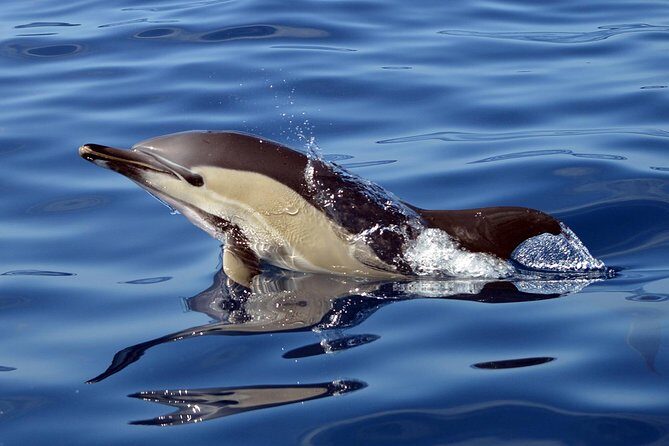
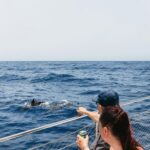
The hydrophone is included, and this is one of the most memorable parts for many people. Instead of only scanning the horizon, you can listen to the sounds whales and dolphins make as they move through the water. It changes the whole feel of the tour because it turns a visual sighting into something more “physical” and immediate.
On some outings, the hydrophone may be lowered as the animals pass near the boat, which helps you catch more of the sounds while you’re watching. You don’t have to be a science person for this to feel cool. Even if you just enjoy the moment, hearing communication can make the animal behavior feel clearer.
What you might spot off Tenerife (based on real sightings)
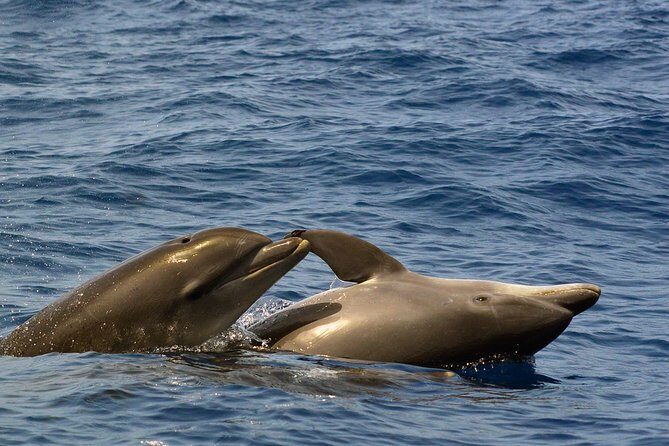
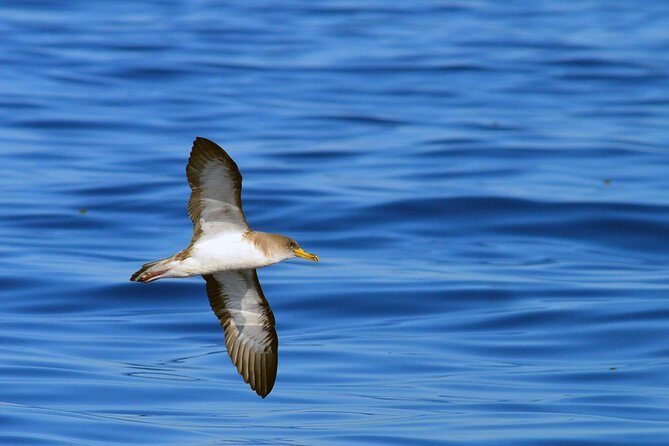
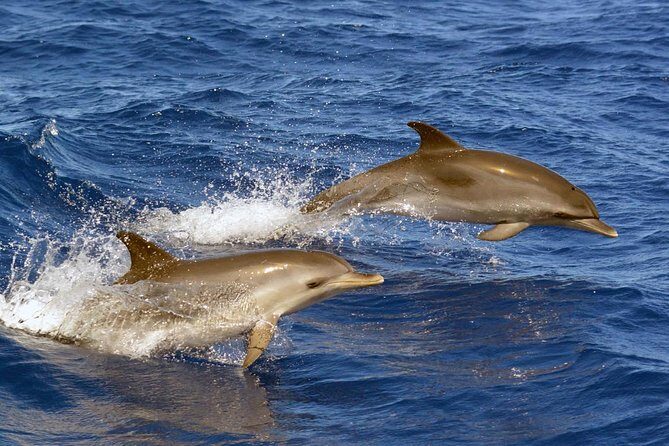
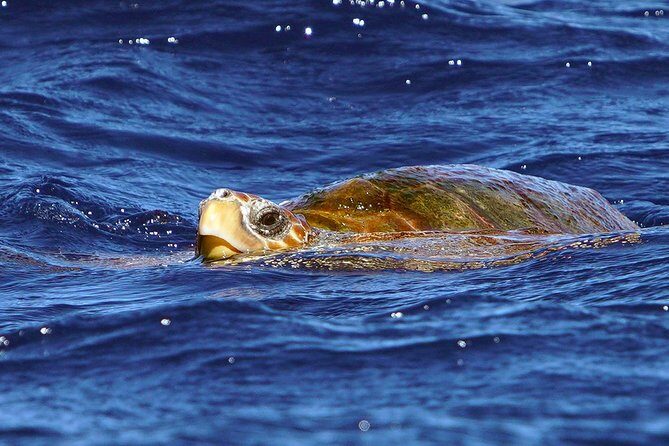
This trip is about whales and dolphins first, but you can also get other marine life. From documented encounters, you might see:
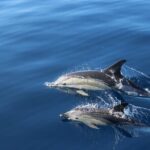
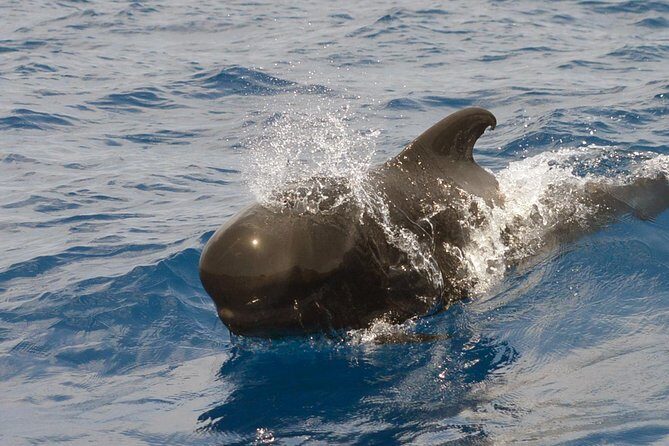
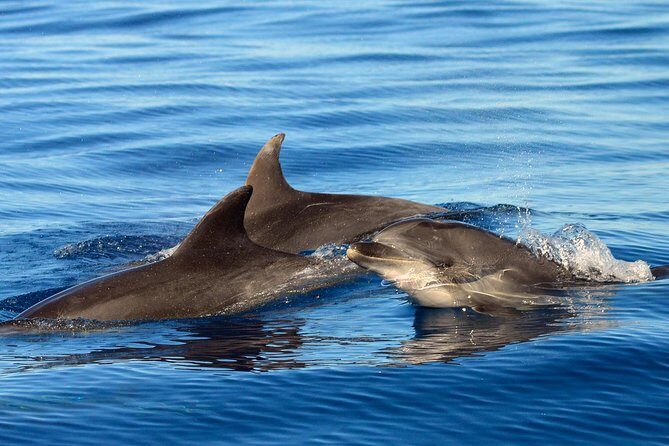
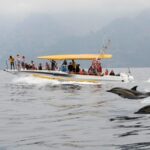
- Atlantic spotted dolphins, sometimes in larger groups, and occasionally with calves
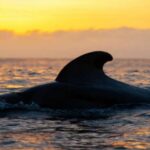
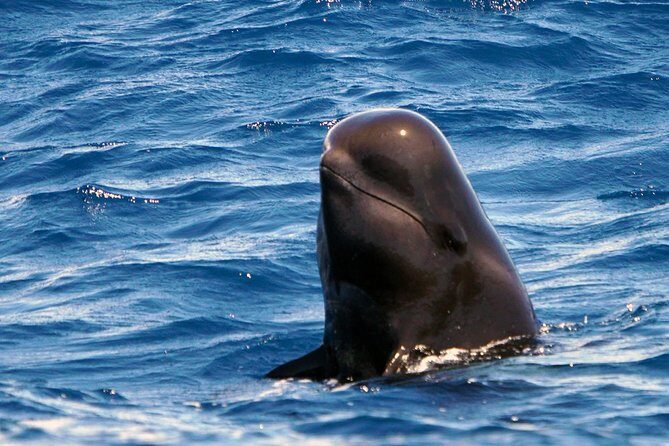
- Pilot whales, including situations where pods approach and you get close, respectful viewing
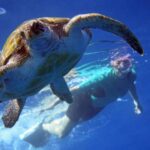
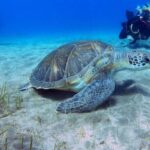
- Loggerhead sea turtle sightings
- Flying fish when conditions line up
A nice bonus is that you’re not locked into one species. The captain and crew go where the animals are active now, and the on-board biologist helps you interpret what you’re seeing as it happens.
One more thing to know: since this is responsible whale watching, you may sometimes experience close viewing only when the animals choose to come near. That’s a good sign, even if it means you can’t force an encounter.
You can also read our reviews of more whale watching tours in Tenerife
Photos after the tour: a real quality-of-life upgrade
One of the smartest parts of this experience is the photo workflow. The guide takes photos during the encounter and sends them to you after the tour by email.
That does two things for you:
- You can stay present and watch with your own eyes.
- You don’t have to worry about missing the action while trying to capture it.
If you want a simple souvenir without turning the outing into a phone-shooting contest, this feature is worth real money. And since the guide is focused on filming from the right angles while staying respectful, your photos usually end up looking better than the average handheld attempt from a moving boat.
Comfort, seasickness, and who should think twice
This is a small boat (8 meters), which often means better viewing than big vessels—but it can also mean more motion. If you’re the type who gets queasy in boats, bring whatever you use for seasickness. One practical note from experience with this style of tour: a child can get sea sick, too, even when adults feel fine.
There are also guest restrictions listed for safety:
- pregnancies
- neck or back problems
- mobility problems
- recent surgeries
- and a weight limit tied to back problems (over 120kg for participants with back problems)
If any of that applies, it’s worth checking carefully before you book.
The upside is that the team runs a calm, safety-first vibe. The captain is experienced, and the biologist guides the tempo so you’re not constantly rushed. That relaxed rhythm matters for people who want a wildlife experience, not a speed ride.
Private tour value: what you’re really paying for
At $617.02 per group (up to 10), this isn’t a budget whale-watching deal. But you’re also paying for a full private setup: your group only, a biologist-led explanation onboard, hydrophone listening, and photos sent afterward.
Here’s how I think about the value:
- If you’re traveling as a group, your cost per person drops fast compared to buying multiple separate tickets on a larger boat.
- If you care about responsible viewing, a smaller boat and a rules-aware approach often leads to a better-quality encounter.
- The hydrophone and photo email are tangible extras. You’re not just buying a drive out to sea; you’re buying interpretation plus sounds plus memories.
Also, this tour is commonly booked about 54 days in advance on average, which tells me it’s not a last-minute gamble if you’re traveling at peak times. If you have a specific week in mind, I’d plan ahead rather than waiting.
Tips to make your 2 hours go smoothly
A whale watching tour is short, so you’ll feel every minute. These are the small things that help the most:
- Bring a layer. Sea air can feel cooler than you expect.
- Bring non-alcoholic drinks and snacks since food isn’t included.
- If you know you get seasick, prepare before you board.
- Keep expectations flexible. Responsible tours mean you follow the animals, not the other way around.
- Use the guide’s photos as your souvenir plan, then just watch with your eyes while you can.
Because the boat is smaller and the viewing is more intimate, you’ll likely have a better time if you don’t treat the trip like a checklist.
Should you book this private whale watching tour in Tenerife?
I’d book this if you want a responsible, biologist-led whale and dolphin experience with hydrophone listening and a private-group feel. It’s especially a good fit for families, couples, and small groups who like animals but also care about how you watch them.
I would pause if:
- anyone in your group has restrictions like back/neck issues, recent surgery, pregnancy, or mobility concerns
- you (or your kids) are very sensitive to rocking boats and don’t plan for seasickness
- you’re looking for a long, all-day excursion with lots of land stops. This one is focused: you’re mainly on the water for about two hours.
If your priority is high-quality time on the water—hearing whale sounds, learning what you’re seeing, and getting photos afterward—this private tour makes a strong case.
FAQ
What’s the duration of the private whale watching tour?
The tour lasts about 2 hours.
How many people are in a private group?
It’s a private tour for your group only, with a maximum of up to 10 people.
Where do we meet for the tour?
Meet at Whale Watch Tenerife at Puerto Colón Marina, dock Pantalán Number 3 (Pantaloon No.3), 38660 Costa Adeje, Santa Cruz de Tenerife.
What’s included in the price?
Included items are local taxes, live commentary by biologist staff, hydrophone listening for whale and dolphin sounds, and tour photos sent by email after the tour.
Are food and drinks included?
No. Food and drinks are not included, but you can bring food and non-alcoholic drinks onboard.
What languages do the guide and staff speak?
The guide speaks English and Spanish.
Who might not be able to join due to restrictions?
The tour lists restrictions including pregnancy, neck or back problems, mobility problems, recent surgeries, and an over-120kg limit for participants with back problems.
What happens if the tour is canceled due to weather?
This experience requires good weather. If it’s canceled due to poor weather, you’ll be offered a different date or a full refund.
—
If you tell me your travel month and whether anyone gets motion sickness, I can help you judge whether this timing and boat size will feel comfortable for your group.