REVIEW · TEIDE STARGAZING & SUNSET
Private stargazing trip in Teide
Book on Viator →Operated by Stargazing 1242 · Bookable on Viator
Clear skies turn Tenerife into a science lesson. This Teide stargazing experience focuses on astronomy from start to finish, with pro astronomers using a screen and laser to guide what you’re seeing, plus the friendly help of Samuel. I love the way you learn the sky as you go, and I especially like that you get free long-exposure photos captured during the session.
You’ll also get hands-on time with 12-inch Dobsonian telescopes (set up to keep things uncrowded), while a specialist astrophotographer handles real-time imaging through a robotic telescope. One thing to consider: this activity depends on good weather, so if the skies don’t cooperate you may need to switch dates or get a refund.
In This Review
- Key highlights before you book
- Meet at Paradores Cañadas del Teide for a focused 2-hour night
- Astronomers with a screen and laser: learn the sky, not just stare
- Real-time astrophotography with a robotic telescope (and why it’s useful)
- 12-inch Dobsonian telescopes: small groups, big eyepiece time
- Warm jackets and blanket coverage: the cold part is planned
- What “private stargazing” feels like with up to 30 people
- Price and value: $29.52 for equipment, teaching, and photos
- Timing tips: arrive ready for 8:00 PM skies
- Weather rules: you’re booking a sky-dependent experience
- Who should book this Teide stargazing session
- Should you book this Teide stargazing trip?
Key highlights before you book
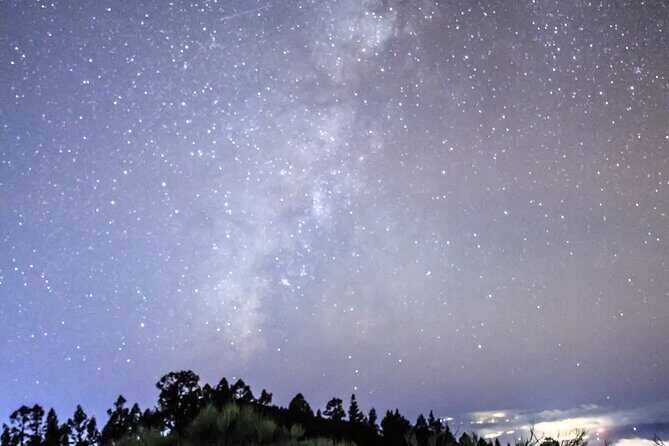
- Astronomers teach what you’re seeing with a screen and laser pointers, so the night feels structured, not random.
- Robotic-telescope astrophotography runs during the session to capture celestial objects while the group is observing.
- 12-inch Dobsonian telescopes are used for viewing, with roughly one scope per 10 people.
- Free long exposure photos and a souvenir photo are included, so you leave with real keepsakes.
- Warm jackets or blankets are provided, which matters because this is an evening out under the sky.
- Small-group feel (max 30 people) keeps the experience focused and easier to manage.
Meet at Paradores Cañadas del Teide for a focused 2-hour night
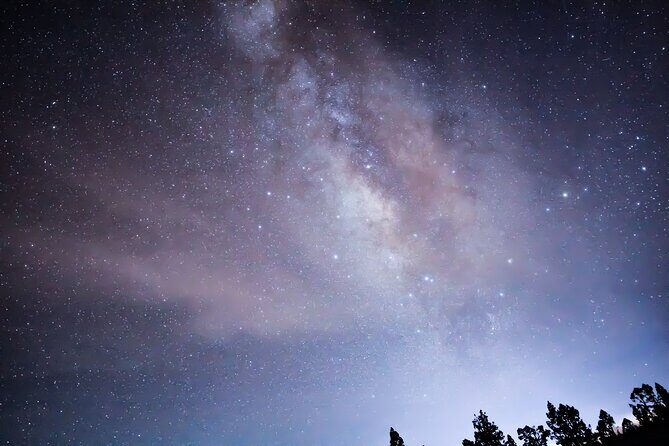
This is a night activity with a clear start time: you’ll meet at Paradores Cañadas del Teide and the tour runs for about 2 hours (roughly 8:00 PM to 10:00 PM on the scheduled day). The session ends back at the meeting point, so you don’t have to worry about arranging a separate drop-off.
One practical note: private transportation is not included. If you’re staying elsewhere on Tenerife, plan your own way to Cañadas del Teide so you arrive on time and can get settled before the sky tour begins. That timing matters because stargazing is a moving target, and you’ll want to be ready as the group starts looking up.
Because it’s a maximum of 30 people, the night doesn’t turn into a long queue experience. You can expect a more direct, guided vibe—especially during the explanations and telescope time.
You can also read our reviews of more private tours in Tenerife
Astronomers with a screen and laser: learn the sky, not just stare
The best stargazing tours don’t just point. They teach you how to look. Here, you’ll get a structured astronomy presentation from professional astronomers, using a screen plus laser guidance to show you what’s in the sky and how telescopes work.
What I like about this approach is that it makes the technical side feel friendly. When someone explains where to look and what you’re about to see, you stop guessing. Instead, you get a simple mental map: this is the direction, this is what it is, and this is why it looks the way it does through a telescope.
You’ll also get context for the equipment. The tour isn’t only about aiming a scope; it’s about understanding the difference between what you see with the naked eye versus what a telescope reveals. If you’ve ever felt overwhelmed by astronomy talk, the laser-and-screen format is a smart way to keep it visual and easy to follow.
And from the feedback you can tell the human touch lands well. Samuel comes up for having clear explanations and a friendly style, and that matters because stargazing nights can feel cold and long if the pacing is off.
Real-time astrophotography with a robotic telescope (and why it’s useful)
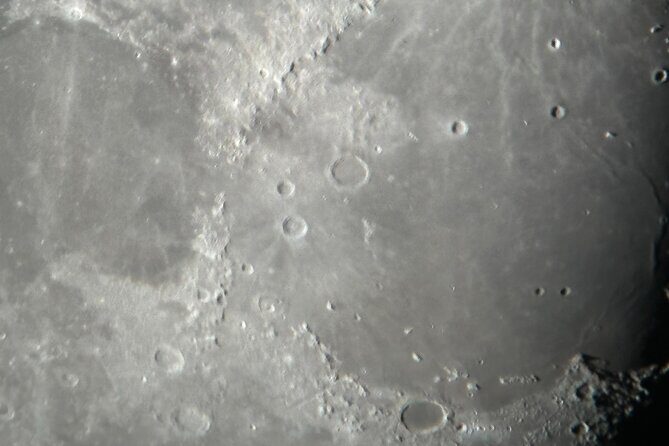
One of the most modern touches here is the specialized astropotographer, who takes photos in real time with a robotic telescope. While you’re learning the sky and looking through the big Dobsonians, imaging is happening in parallel.
For you, this has two big benefits:
First, the photos are practical souvenirs. You’re not scrambling later with guesses about what object you photographed. The session is coordinated with the tour’s targets, so the images connect to what you experienced.
Second, real-time astrophotography changes the pacing. Instead of waiting until after everyone leaves, the imaging is part of the event flow. It’s a neat way to see astronomy as both observation and capture—especially if you like the idea of the night turning into something you can take home and share.
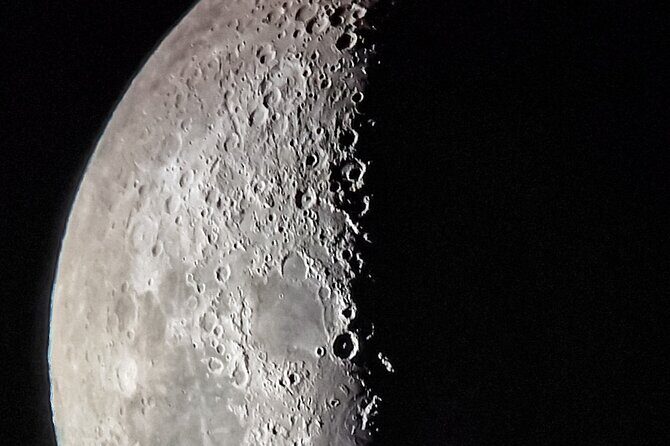
The tour also includes free long exposure photos, which is a big deal because long exposure photography is exactly what transforms dim objects into something camera-ready. If you’re new to astrophotography, you’ll likely appreciate seeing the difference between the view you can observe live and the longer, photo-style result.
12-inch Dobsonian telescopes: small groups, big eyepiece time
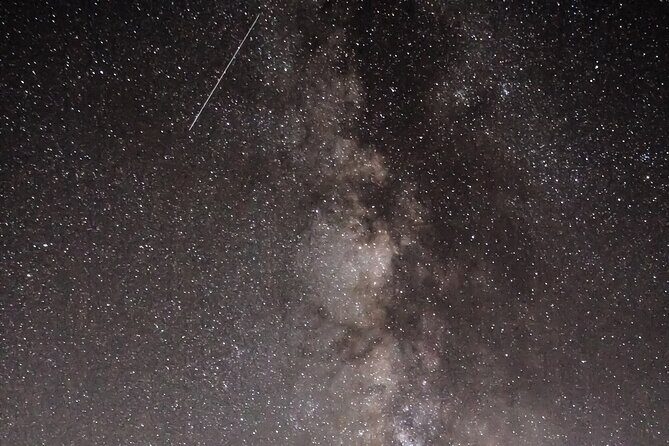
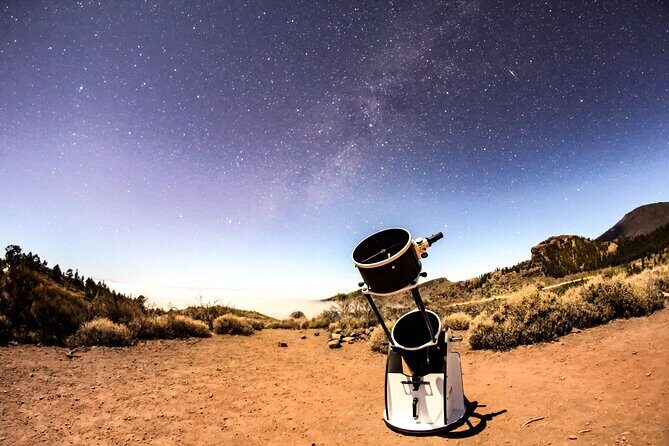
At the heart of the tour are the 12-inch diameter Dobsonian telescopes. The group setup is designed so you’re not fighting for time or waiting behind a crowd—there’s one telescope for every 10 people on average.
Dobsonians are popular for a reason: they’re sturdy and effective at pulling in light, and they give a “real observing” experience. Through a telescope like this, stars stop looking like points and start feeling like targets. You also get a sense of scale and structure that’s hard to get any other way.
The practical takeaway: you’ll enjoy this more if you’re willing to slow down. Stargazing with a big scope rewards patience. Don’t rush the eyepiece time; take a minute to adjust your eyes and let the view settle. If you’re bringing friends or family, this is one of those experiences where taking turns matters—so you’ll want to stay flexible about who goes first.
Also, this tour is presented as astronomy from beginning to end, so telescope time isn’t random. The earlier explanations should help you understand why each viewing moment matters.
Warm jackets and blanket coverage: the cold part is planned
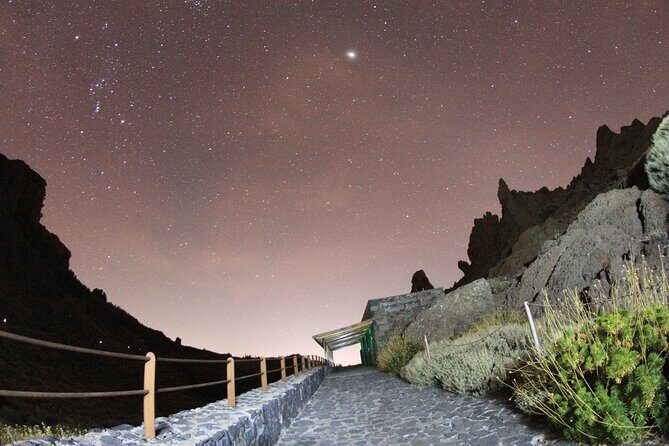
Stargazing at night means cold. This tour helps you manage that with jackets or blankets provided for warmth.
That sounds simple, but it’s worth planning around. When you’re comfortable, you can focus on the sky instead of moving your hands and feet constantly. And if you tend to get chilly easily, knowing the tour supplies warm layers makes the whole night feel more relaxing.
Still, you’ll be outside at night. So dress like you expect it to be cooler than you think—especially if you’re visiting in shoulder seasons. Bring layers even though blankets are available, because you’re still in open night air.
What “private stargazing” feels like with up to 30 people
Even with the “private” label, your group size cap is 30 travelers. That’s the key detail that shapes the vibe. You get more of a guided small-group feel than the giant bus-tour style.
During the presentation, the screen-and-laser approach helps keep everyone together. During telescope time, the “one scope per 10 people” model keeps things from becoming a logjam.
If you want a stargazing experience that feels personal—where you can actually follow the explanation—this fits well. If you’re expecting zero other people near you, temper that expectation. But if you’re looking for guided astronomy with solid gear and time at a telescope, the size cap is a practical win.
Price and value: $29.52 for equipment, teaching, and photos
At $29.52 per person, this isn’t priced like an ultra-luxury private charter. It’s priced like a smart, equipment-forward astronomy tour that covers the essentials: professional instruction, real telescope viewing, and photo delivery.
Here’s where the value comes from:
- You’re paying for pro astronomers guiding you with laser and screen.
- You’re paying for access to 12-inch telescopes (serious aperture for stargazing).
- You’re paying for a specialist handling real-time astrophotography through a robotic telescope.
- You’re paying for included warm items and free long exposure photos plus a souvenir photo.
That combination is what makes the price feel reasonable. Many stargazing tours either focus on equipment without teaching, or teaching without real hands-on viewing time. This one tries to do both, plus it adds photos you can keep.
If you’re traveling on a budget but you want more than a quick look through a small scope, this kind of setup is exactly what you’re looking for.
Timing tips: arrive ready for 8:00 PM skies
This activity has a defined evening window—8:00 PM to 10:00 PM on the scheduled day—and it’s built around dark-sky observing. To get the most out of those two hours:
- Plan to arrive at the meeting point early enough to settle.
- Dress for cold even though jackets or blankets are provided.
- Be ready to follow the laser/screen guidance so you don’t miss the best teachable moments.
Because the end is back at the meeting point, you can plan the rest of your night more easily. It’s a clean add-on to a Tenerife evening without turning into a half-day commitment.
Weather rules: you’re booking a sky-dependent experience
This is the big operational reality: the tour requires good weather. If it’s canceled due to poor weather, you’ll be offered a different date or a full refund.
I’d treat weather as part of the planning, not a surprise. If you’re flexible and you can handle changing plans, you’ll feel much calmer booking this. If your schedule is tight and you can’t swap dates, you’ll want to double-check your ability to adjust.
The upside is that this isn’t a pay-and-hope gamble. The policy is set up to protect you, and the experience provider works around the weather rather than forcing the tour in bad conditions.
Who should book this Teide stargazing session
This works best if you:
- Want guided astronomy with clear explanations, not just free time under the stars.
- Care about real telescope viewing with meaningful aperture (12-inch class).
- Like the idea of taking home something tangible, thanks to free long exposure photos.
- Prefer a smaller, manageable group (max 30) with enough structure to keep you engaged.
It’s also a nice choice if you’re traveling with someone who wants variety: teaching plus viewing plus photos during the same two-hour block.
And if you’re someone who gets annoyed by slow tours, you should appreciate the pacing: presentation, telescope time, and robotic-photo capture happen as one coordinated flow.
Should you book this Teide stargazing trip?
I’d book it if you want the practical version of stargazing: big equipment, pro teaching, and photos you actually keep. The combination of 12-inch Dobsonians, real-time robotic astrophotography, and warm gear makes this feel like a complete night, not a quick gimmick.
I’d skip or think twice if you can’t handle date flexibility due to weather. Since the tour needs clear conditions, your experience depends on the sky cooperating.
If you can time your evening for stable weather and you want an astronomy-focused night with strong gear and clear guidance, this is a solid pick for Tenerife.