REVIEW · SCUBA DIVING
PADI Scuba Diving Courses in Tenerife: All Specialities Until Divemaster
Book on Viator →Operated by Marcin Andrzej Glowacki · Bookable on Viator
Three days to get serious underwater skills. This PADI course option is built around Tenerife’s west coast beaches, and it can take you from first certification steps to specialties and even toward Divemaster level. You get PADI certification recognized around the world, plus guided sessions led by PADI-certified instructors, so the whole experience stays structured instead of random.
What I like most is the clear pathway: start with Open Water Diver (typically 2–3 days for this kind of course format) and you can keep leveling up to Advanced Open Water Diver (also typically 2–3 days), which expands your training to go deeper within PADI limits. Then you can add specialties such as deep, wreck, DPV (diver propulsion vehicle), and rescue-focused training, depending on what you choose.
One thing to consider is that the exact course you end up doing within this overall offer changes the schedule and requirements. Also, food and drinks are not included, and pick-up from the South Tenerife area costs an extra €2 per person.
In This Review
- Key Things to Know Before You Go
- Picking Your PADI Level on Tenerife (and Why That Matters)
- Your 3-Day Flow: What You’ll Actually Do
- What each “stop” feels like (even if it’s the same coastline)
- Expert Instructors and a Pace That’s Actually Learner-Friendly
- Why Tenerife Works for Training (Marine Life, and Real Motivation)
- Certifications and Limits: What You Can Aim For
- Open Water Diver (first certification)
- Advanced Open Water Diver (level-up)
- Specialties (pick what you love)
- Price and Value: Is $223.55 Worth It?
- Timing, Group Size, and What to Bring for a 9:00am Start
- Who Should Book This PADI Course in Tenerife
- Should You Book This Tenerife PADI Course?
- FAQ
- What is the location of this PADI course?
- How long is the experience?
- What time does the course start?
- What certifications can I work toward?
- Is pickup included?
- What’s included in the price?
- What is not included?
- What are the age and fitness requirements?
Key Things to Know Before You Go
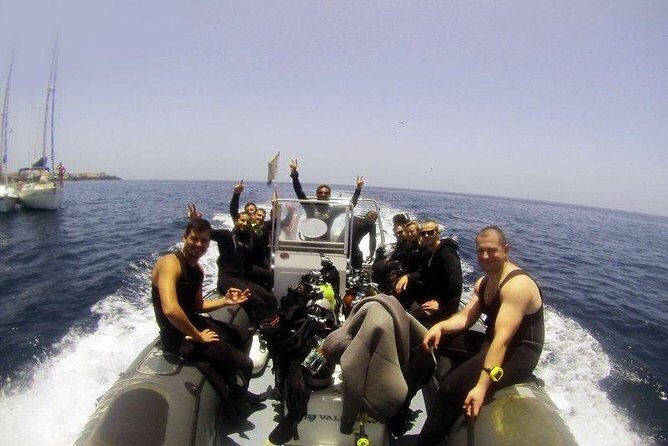
- PADI certification you can use worldwide: your license is designed to be recognized by scuba training centers in many countries.
- Multiple open-water sessions: your training includes several real water practice moments, not just theory.
- Small group size: capped at 20 travelers, so it tends to feel more personal and less rushed.
- West coast training beaches: the course runs along Tenerife’s west coast, where you’ll work directly from the shoreline areas used for training.
- Transport included: you travel by air-conditioned minivan with the group and a professional guide.
Picking Your PADI Level on Tenerife (and Why That Matters)
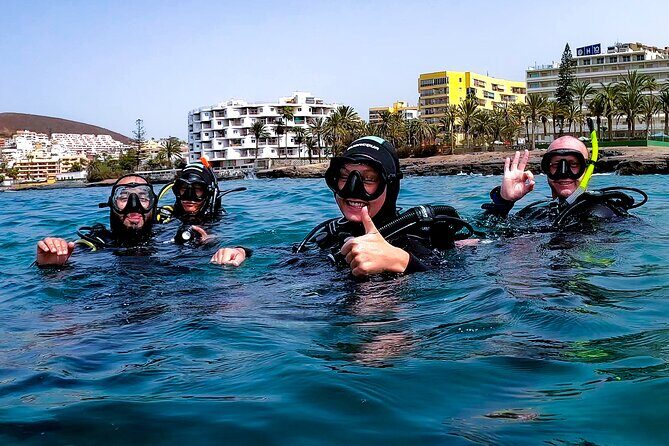
This course experience is really about options. The offer covers PADI training across a wide range, from first-time entry through advanced skills and specialty training, with routes that can continue up toward Divemaster.
So the smartest way to think about it is this: you’re not just buying “a scuba weekend.” You’re buying a structured training plan with a recognized certification at the end. That structure is what makes your learning useful later, whether you want future guided trips or you want to keep building skills on your own.
If you’re brand-new, you’ll want to aim at Open Water. In plain terms, Open Water Diver is the first step and allows training dives up to 18 meters under PADI rules. For many people, that’s the sweet spot: enough depth to feel like you’re doing real underwater work, without turning the course into a technical monster.
If you already hold a certification and want a bigger toolkit, Advanced Open Water Diver is the next logical step, with limits up to 30 meters. You’re also building confidence for different situations, because advanced-level training is about skills, not just experience.
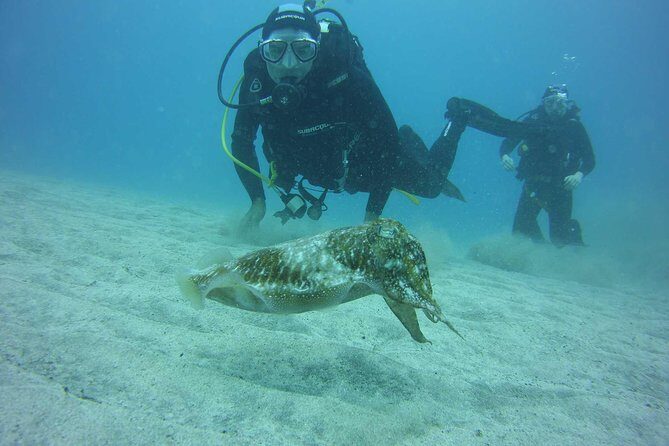
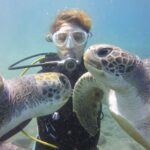
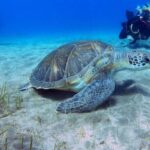
And if you already know you’ll be drawn to a specific style—like wreck-related skills, deeper water challenges, DPV work, or rescue-oriented problem-solving—specialties help you narrow in. The cool part is that Tenerife is a place where you can keep interest high while you learn, since you’re practicing with marine life sightings as part of the course experience.
You can also read our reviews of more scuba diving tours in Tenerife
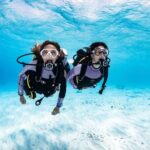
Your 3-Day Flow: What You’ll Actually Do
For this specific option, you’re looking at about 3 days of training. The start time is 9:00am, so plan for an early morning. You’ll also get confirmation after booking, and the experience uses a mobile ticket.
Because the offer covers multiple PADI levels and specialties, the exact schedule will follow the course requirements you choose. But the overall pattern stays consistent:
- Morning briefings and readiness checks before you head to the west coast training areas.
- Guided instruction by PADI-certified instructors focused on skills and safe habits.
- Multiple open-water sessions where you apply what you practiced and see Tenerife’s marine life in the process.
- Course wrap-up so you finish with the relevant PADI certification paperwork you need for future scuba training around the world.
The biggest practical value here is the repetition. Instead of doing one short water session and calling it done, the course is designed around multiple open-water practice moments. That matters because comfort underwater comes from doing things more than once—getting your buoyancy feel, learning how to manage your breathing, and building trust in the process.
What each “stop” feels like (even if it’s the same coastline)
You might not have named locations like a sightseeing tour, but you’ll still experience different moments along the west coast training beaches. Think of each shoreline area as a working base for that day’s goals. Each time you go out into open water, the focus can shift:
- One session is more about mastering a skill set.
- Another is more about applying that skill set while you stay calm and aware of your surroundings.
- And when marine life shows up, it’s not just entertainment—it’s part of learning to stay relaxed while conditions change.
One drawback: because you’re training, you shouldn’t plan your day around long wandering breaks. This isn’t a casual beach afternoon. It’s “show up, learn, practice, repeat,” and that’s exactly why it works.
Expert Instructors and a Pace That’s Actually Learner-Friendly
A good certification course lives or dies by the instructor. Here, you’re working with PADI-certified instructors, and you also have a professional guide involved along the way. The experience provider is Marcin Andrzej Glowacki, which is a helpful detail if you want to know who’s behind the operation.
What I like about this setup is that it’s built for different starting points. The offer explicitly supports first-time divers and certified divers who want to advance. That matters because many training mishaps happen when a course is only designed for one type of student.
Also, the group size is capped at 20 travelers. That number may not sound small if you’re used to private tours, but for a training environment it’s a meaningful limit. A smaller group usually means you spend less time waiting and more time getting feedback on what you’re doing.
If you’re worried about nerves, this kind of structure helps. Instead of bouncing between instructions and guesswork, you get coaching that keeps you focused on what matters: breathing, control, and safe technique.
Why Tenerife Works for Training (Marine Life, and Real Motivation)
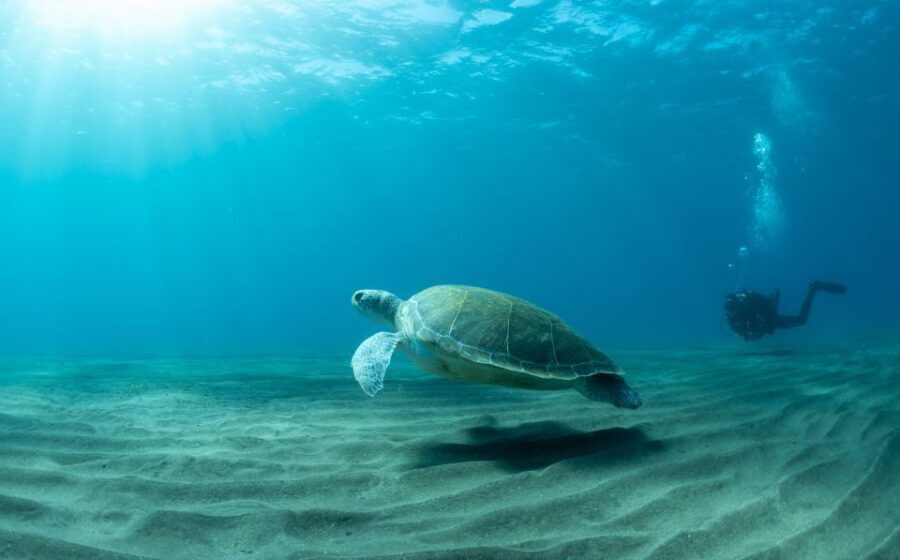
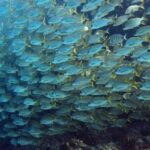
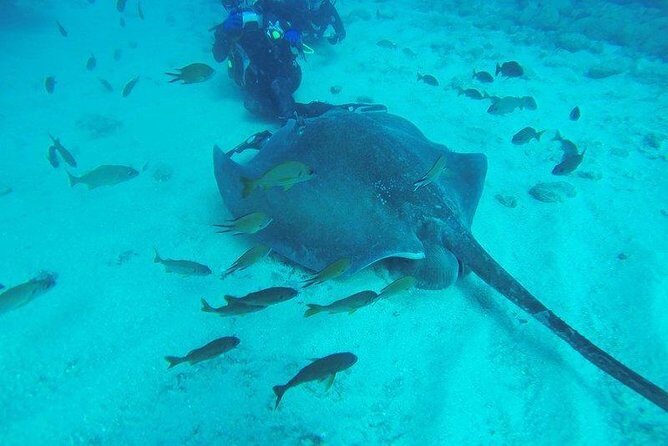
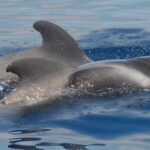
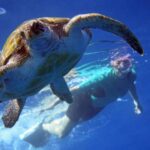
Tenerife attracts divers from all over because it’s set up for underwater learning with lots of marine life to see. That isn’t just a marketing line. It changes how you experience training.
When you can look at something alive underwater, you tend to stay curious. And curiosity is a powerful antidote to panic. In training, the goal is calm competence, and seeing real underwater life helps you connect with that goal.
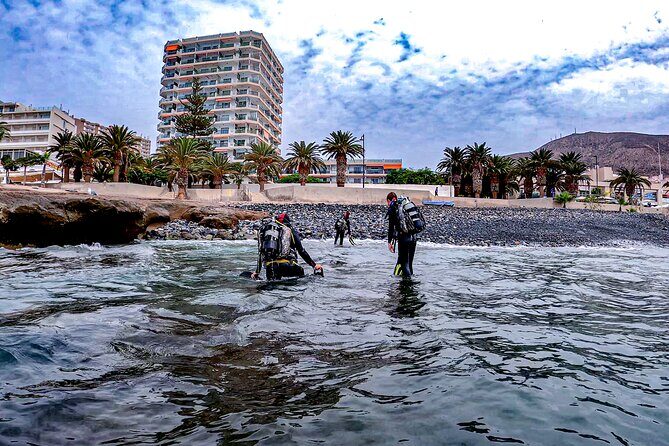
Also, Tenerife’s west coast focus is practical. Courses that rely on shoreline-based access make it easier to keep the day running smoothly. You’re not constantly relocating or losing time; you’re spending it practicing the exact things you need for your certificate.
Just keep your expectations realistic: you’re learning skills, not chasing a wildlife documentary. Marine life sightings support the experience, but your performance still comes first.

Certifications and Limits: What You Can Aim For
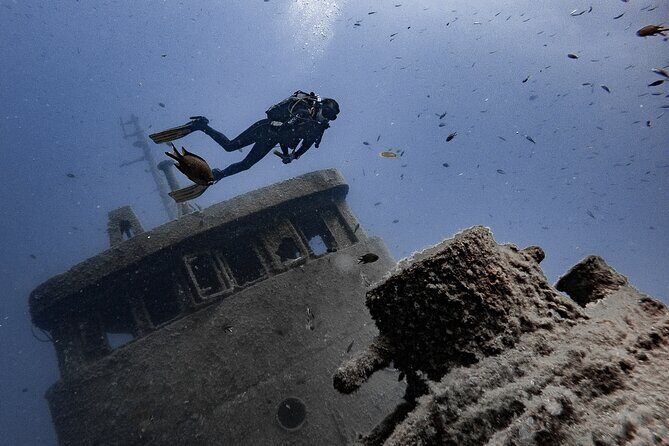
Here’s the value of the PADI framework you’ll be learning within:
Open Water Diver (first certification)
- Typical course length: 2–3 days
- Training depth limit: up to 18 meters
- What it gives you: a starting credential recognized worldwide, which is often your gateway to future guided experiences.
Advanced Open Water Diver (level-up)
- Typical course length: 2–3 days
- Training depth limit: up to 30 meters
- What it gives you: more range and more skill development, not just a bigger number on the certificate.
Specialties (pick what you love)
You can choose from specialties tied to specific skills and interests, including:
- Deep specialty
- Wreck specialty
- DPV (diver propulsion vehicle) specialty
- Rescue-focused training
- and many other PADI options (depending on what the dive center runs during your dates)
This is where you can tailor your training to your future travel style. If you know you’ll want deeper experiences, DPV, or wreck-related dives later, specializing early can save you time and frustration.
Price and Value: Is $223.55 Worth It?
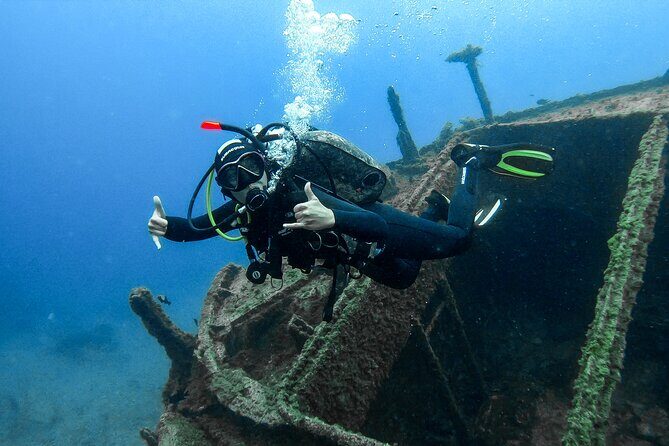
The price shown is $223.55 per person for the 3-day experience. On its face, that’s not a “cheap” activity. But scuba training isn’t meant to be. The good news is that part of what you’re paying for is hard to replicate.
Here’s what’s included:
- Professional guide
- Transport by air-conditioned minivan
And what’s not included:
- Food and drinks
- Souvenir photos (available to purchase)
- South Tenerife pick-up is additionally paid: €2 per person
So what you’re getting for the money is structured instruction plus transportation to training areas, with PADI-certified teaching. That’s the core value. A course like this also has an end goal: certification, which can unlock future training and travel options in many countries.
My practical take: this price looks like good value if you’re ready to commit to the full training path and choose the right level (Open Water vs Advanced vs specialties) for your experience. If you’re only looking for a one-time “try it,” you might compare against shorter intro experiences elsewhere. But if you want a real credential, this is the kind of deal that makes sense.
One more tip: budget for meals and any photo add-ons. Since food isn’t included, your actual total cost will depend on whether you plan to buy snacks or go for sit-down meals between sessions.
Timing, Group Size, and What to Bring for a 9:00am Start
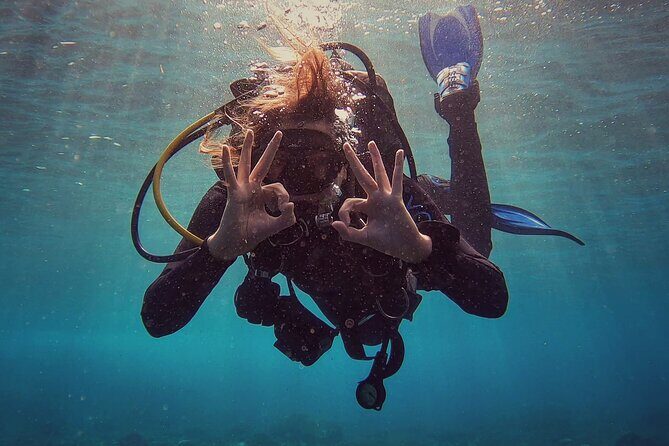
The experience begins at 9:00am, which means you’ll want to be organized the night before. You’ll get near public transportation options as well, which is helpful if you don’t want to rely entirely on pickup.
Your start time matters because training days move fast. If you show up late, you don’t just inconvenience yourself—you slow down the whole group and throw off the instructor flow.
Based on the info you have, you should also plan around:
- Minimum age: 10 years
- Moderate physical fitness level (so you’re comfortable with active travel and being in the water while learning)
- Maximum group size: 20 travelers
- You’ll have a mobile ticket
What to bring isn’t listed in your details, so I’ll keep this honest: I can’t claim a specific packing list from the data provided. But you can be sure you’ll need your personal gear and essentials for a morning-to-afternoon training schedule, plus extra time for any pre-training checks.
Who Should Book This PADI Course in Tenerife
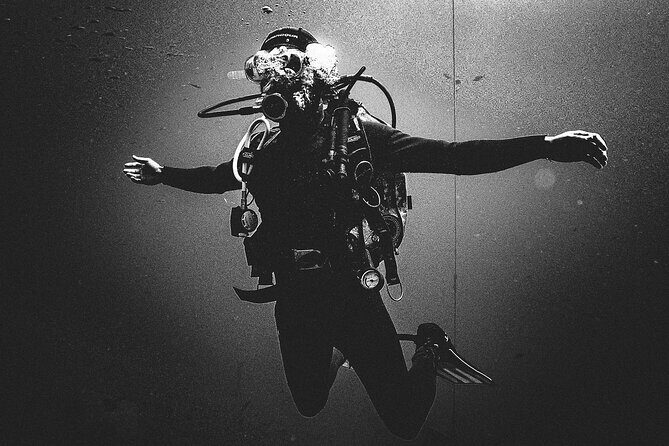
This is a smart fit if:
- You want PADI certification through a recognized, structured system.
- You prefer a course that includes multiple open-water sessions, not just a one-day introduction.
- You want to choose a path: Open Water first, then Advanced, then specialties, potentially moving toward Divemaster over time.
- You like the idea of training with marine life sightings as part of motivation.
It may not be the best fit if:
- You only want a quick taste and don’t care about certification.
- You don’t handle active mornings well, since the start is 9:00am and the training format is focused.
- Your schedule depends on long free time between activities.
The key is matching your goal to the right PADI entry point. If you’re already certified, don’t choose the course that repeats what you already know. If you’re brand-new, don’t jump ahead to advanced limits unless your fundamentals feel solid.
Should You Book This Tenerife PADI Course?
If you want a real credential and you’re happy to learn through guided practice, I think this is a strong booking choice. The PADI framework gives you a plan that travels well, since the license is meant to be recognized in scuba training centers internationally. The included transport and pro guidance also reduce friction on your trip.
Book it if you can commit to the training days, bring your body and mind to the session, and choose the level that matches where you are right now. Skip it if your only goal is a single underwater experience with no interest in certification.
If you want, tell me what certification you already hold (or if you’re starting from zero), and I’ll help you figure out what course level and specialty direction typically makes the most sense for your next trip.
FAQ
What is the location of this PADI course?
It takes place in Tenerife, Spain, with training along the west coast beaches.
How long is the experience?
This option is listed as 3 days (approx.).
What time does the course start?
The start time is 9:00am.
What certifications can I work toward?
You can train through PADI options including Open Water Diver, Advanced Open Water Diver, specialty training (such as deep, wreck, DPV, and rescue-related training), and paths that can go up to Divemaster level depending on what you choose.
Is pickup included?
Pickup is offered, and South Tenerife pickup costs an additional €2 per person.
What’s included in the price?
The price includes a professional guide and transport by air-conditioned minivan.
What is not included?
Food and drinks are not included, and souvenir photos are available to purchase separately.
What are the age and fitness requirements?
The minimum age is 10 years, and travelers should have a moderate physical fitness level.