REVIEW · NATIONAL PARKS
Tenerife: Scuba Diving Lesson and Abades Protected Area Dive
Book on GetYourGuide →Operated by Scubadivepro Tenerife · Bookable on GetYourGuide
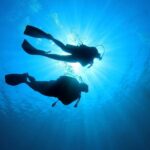
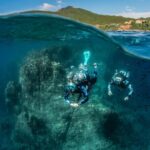
Breathing underwater in Abades is unforgettable. This 3-hour scuba lesson takes you to Tenerife’s Abades protected marine zone for a session capped at 10 meters, after a 30-minute fundamentals briefing.
I love the max 2-per-instructor attention, and I love the wildlife odds: sea turtles, eagle rays, octopus, and schools of colorful fish. Instructors like Pedro and Hugo tend to run the whole session with calm, practical coaching so first-timers don’t feel rushed.
One thing to consider: it’s not right for everyone, especially if you have claustrophobia or any medical issues that need extra clearance.
In This Review
- Key things to know before you go
- Why Abades on Tenerife is such a good place for your first scuba lesson
- The 3-hour flow: briefing, gear setup, and max 10 meters underwater
- Instructor coaching that feels personal, not assembly-line
- What marine life you can realistically spot in the Abades protected zone
- Breathing underwater: the moment you stop thinking and start watching
- Gear and comfort: wetsuit, mask, fins, and what to bring
- Price and what you’re actually paying for (at $88 per person)
- Who this scuba lesson is best for (and who should skip it)
- Practical tips for a calmer first underwater session
- Should you book the Scubadivepro Tenerife Abades experience?
- FAQ
- How long is the Tenerife Abades scuba lesson?
- Where do I meet the guide?
- What is included in the price?
- Do I need previous scuba experience?
- What depth will I reach?
- What should I bring, and what is not allowed?
Key things to know before you go
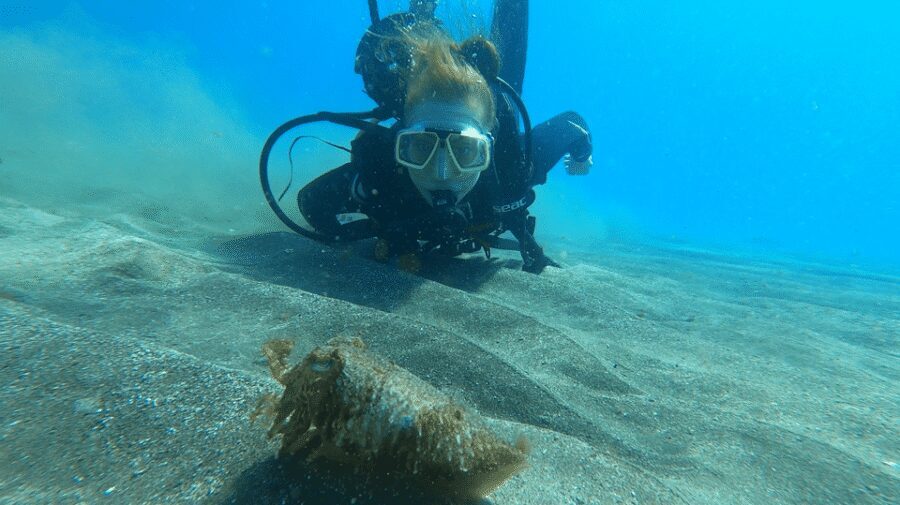
- Abades is the star: a protected marine zone around Tenerife where you’ll look for marine life while staying shallow (up to 10 m).
- 30-minute briefing first: you’ll get the basics before you go underwater.
- Small group coaching: max 2 people per instructor, with personal attention.
- All gear provided: wetsuit, mask, fins, and tank are included once you reach Abades.
- Wildlife you might see: octopus, eagle rays, turtles, and many fish.
- Medical paperwork is required: you’ll fill out a medical form at the center before going in.
Why Abades on Tenerife is such a good place for your first scuba lesson
Abades sits on the Tenerife coast with a reputation for clear, protected water and lots of life close enough to actually enjoy. Instead of treating this like a “speed run” into the ocean, the format keeps things controlled: a short briefing, a shallow max depth of 10 meters, and time focused on seeing animals rather than chasing a checklist.
What makes this setting especially promising is the mix of “starter-friendly” depth and the chance of real sightings. In this protected area, you’re not just hoping for a vague fish shadow. You’re looking for specific marine life like octopus and eagle rays, plus the big highlights: turtles. That’s the kind of payoff that sticks with you long after the tanks are packed away.
And because it’s a protected zone, the vibe tends to feel more about observation than disruption. You’ll spend your attention on buoyancy and calm breathing, but your eyes will also be doing their job—watching, scanning, and reacting when something floats by.
You can also read our reviews of more scuba diving tours in Tenerife
The 3-hour flow: briefing, gear setup, and max 10 meters underwater
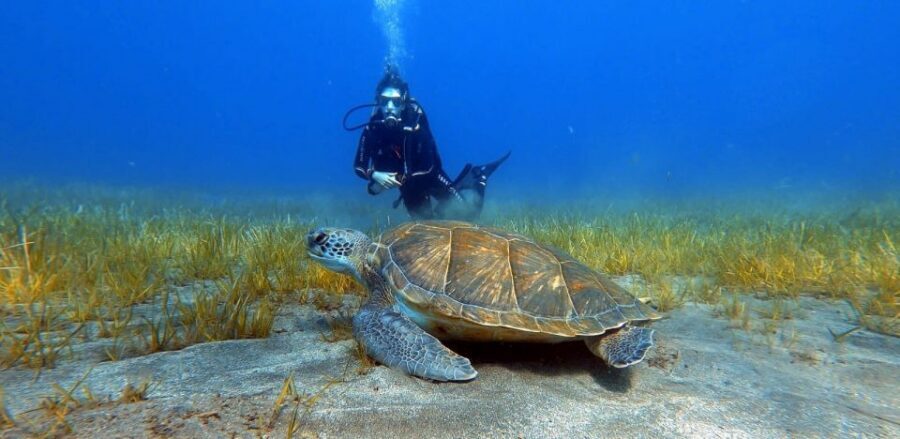
Plan for a total of about 3 hours from start to finish. That block usually covers getting kitted up, a structured teaching phase, then your time in the water.
Here’s how the timing tends to work:
- You meet your guide in the lead-up wearing a white Scubadivepro t-shirt.
- You get a 30-minute briefing focused on scuba basics and what to do once you’re underwater.
- You then head to Abades, where the staff provide your wetsuit, mask, fins, and a diving tank.
- After equipment checks, you go in for a controlled session with a maximum depth of 10 meters.
One of the best practical parts is that instructors don’t just talk at you. They typically get you comfortable with the idea of moving underwater, including practice like going up and down before the main observation time. For a session off Abades, one group even reported a water period of just under an hour—enough time to relax, settle, and actually look at what’s around you.
If you’re new to scuba, think of this like learning a language with a safety net. The first minutes matter. By the time you’re done with the basics, the sensation of breathing underwater stops being weird and starts being… normal enough that you can focus on the animals.
Instructor coaching that feels personal, not assembly-line
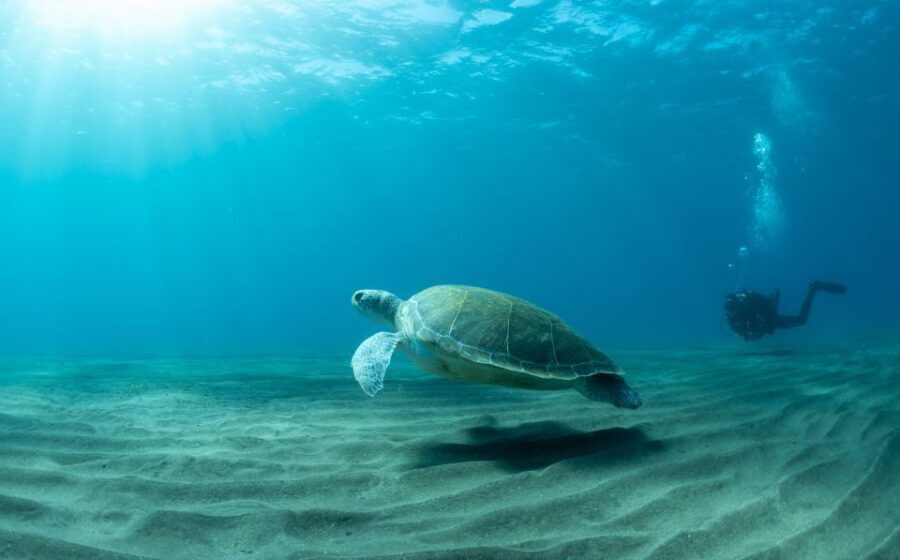
The biggest “value driver” here is the small-group limit. You’re not getting shoved into a crowded group. The setup allows for no more than 2 people per instructor, which makes a real difference if you’re nervous, unsure, or simply want more feedback.
You’ll hear the basics explained by an instructor who can speak English or Spanish, and the style is about confidence. In real-world sessions, instructors like Pedro and Hugo are described as patient, attentive, and careful about making people feel safe. That matters because feeling safe doesn’t mean you never get nervous—it means you’re given tools to handle the moment.
You also get to move at your pace. One important note: if something doesn’t feel right for you—like in a case involving strong claustrophobia—your instructor may adjust the plan and help you get back to shore rather than forcing the issue. That’s not guaranteed for every situation, but it’s a reminder that good instructors prioritize people over photos.
What marine life you can realistically spot in the Abades protected zone
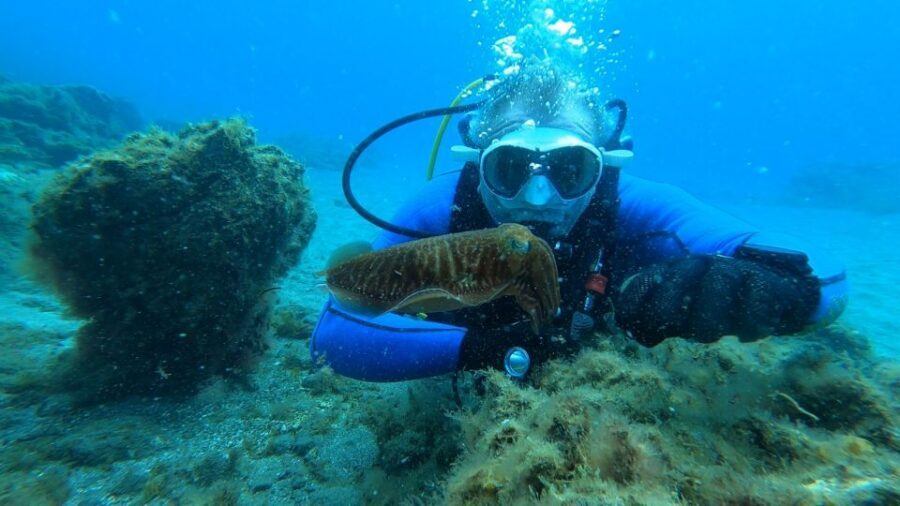
This is a lesson, but it’s also an observation session. Your eyes will be on what’s around you, while your body focuses on breathing and staying stable.
Here’s what you can hope for based on the focus of the experience:
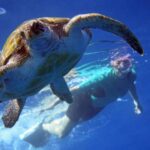
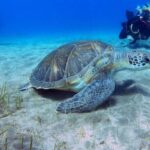
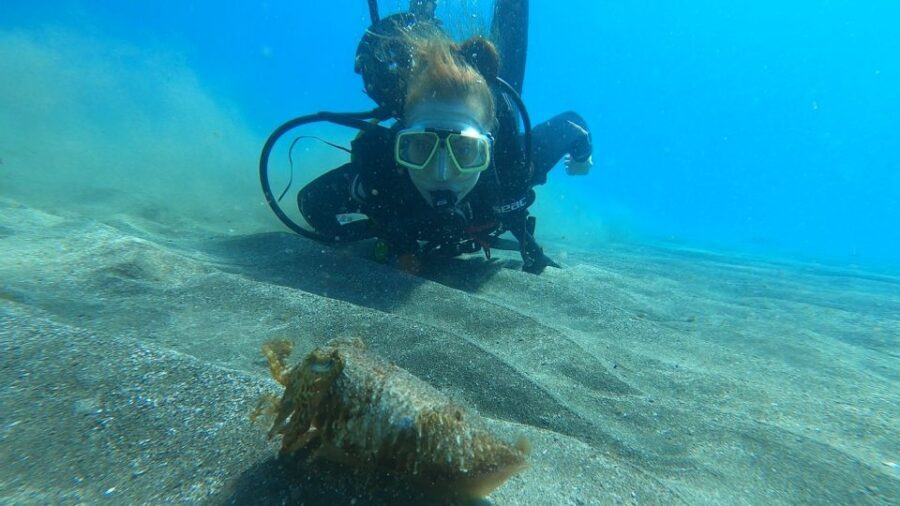
- Turtles: often the headline animal. Multiple sessions mention turtles seen close enough to feel exciting but still calm and natural.
- Eagle rays: described as a target in this protected area.
- Octopus: another specific possibility.
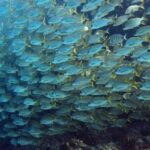
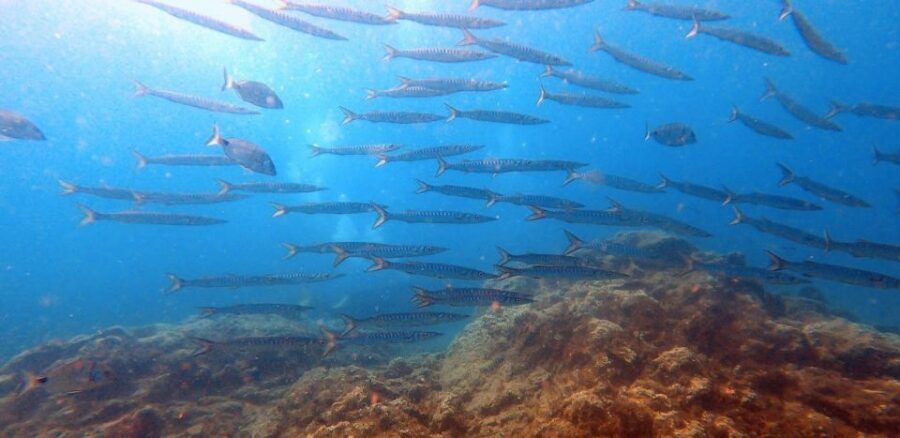
- Schools of fish: expect lots of small movement and color, especially when you’re not fixated on your equipment.
- Rays and bigger silhouettes: one account includes a giant ray sighting, the kind of moment that makes you forget you were ever nervous.
A fun detail to keep in mind: marine life often appears where you’re least trying to “hunt.” If you watch slowly and stop overthinking your position, animals tend to show themselves. It’s less like a safari and more like good timing in water.
Also, don’t underestimate the thrill of simply seeing life up close while staying shallow. Maximum depth of 10 meters means you’re not fighting the cold or darkness that can come with deeper excursions. It’s a beginner-friendly way to get the wow factor without turning the ocean into a survival course.
Breathing underwater: the moment you stop thinking and start watching
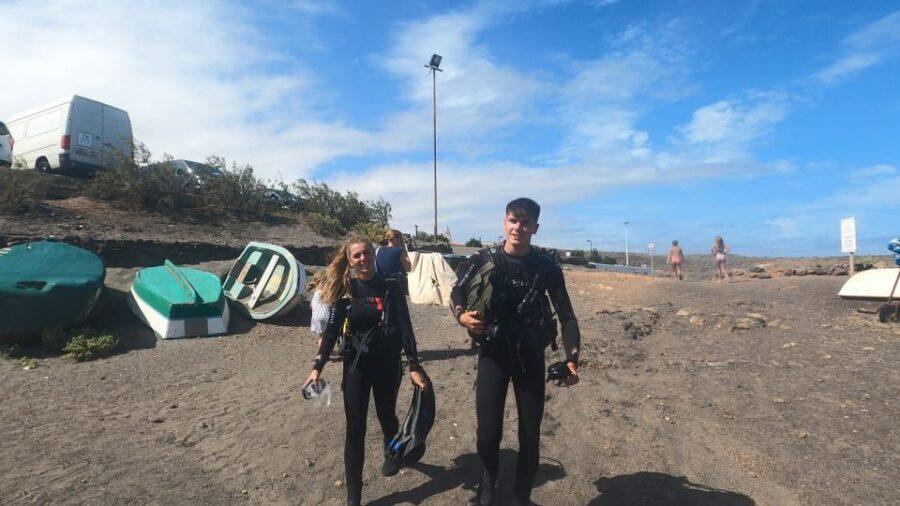
One of the most repeated highlights is the sensation of breathing underwater. That’s not just a novelty line. It’s the core skill that unlocks everything else.
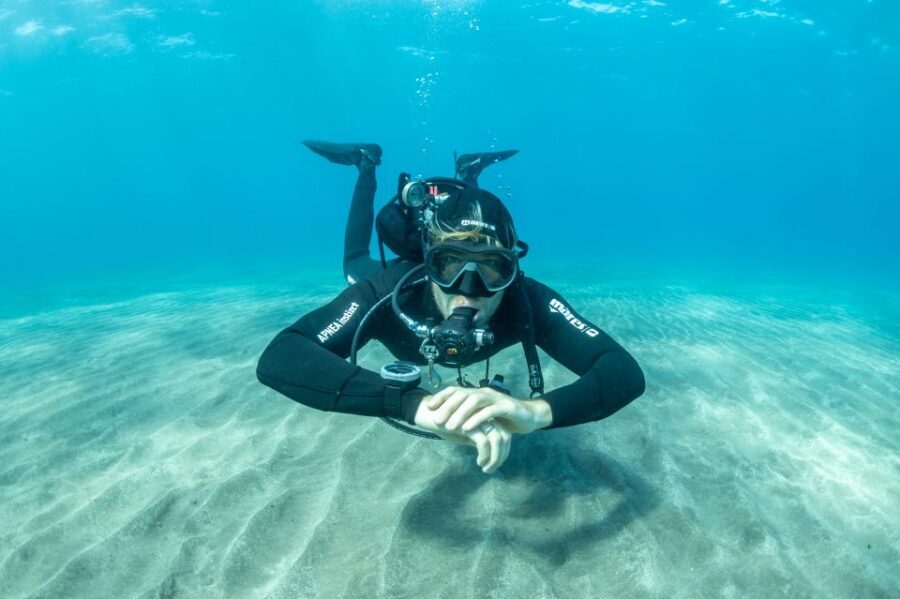
When scuba is going well for a beginner, you’re not thinking about the gear every second. You’re breathing calmly, watching your buoyancy, and turning your head when something swims by. That’s when the whole trip shifts from “lesson” to “experience.”
At max depth 10 meters, you’re working in a zone where the physical demands are manageable for most people who pass the medical check and follow instructions. Your instructor should guide you through the basics before you go in, and then you’ll get help as you practice basic movement like going up and down.
If you’re expecting this to feel like floating in a swimming pool: it won’t. The water has weight and resistance. But that’s also why it feels so different from snorkeling. The breath rhythm gives you a steady cadence. Once your body gets it, you can finally enjoy the view.
You can also read our reviews of more tours and experiences in Tenerife

Gear and comfort: wetsuit, mask, fins, and what to bring
This experience takes care of the heavy lifting. Once you reach Abades, they provide the gear:
- wetsuit
- mask
- fins
- a diving tank
So your job is mostly comfort and preparation. You should bring:
- swimwear
- sunscreen
If you’re thinking sunscreen is optional because you’ll be underwater most of the time—don’t do that. The Tenerife sun can still catch you on the boat-side and during surface time while kitted up and waiting.
As for comfort, the wetsuit is doing practical work beyond “being warm.” It also helps you feel more streamlined and secure in the water. That can matter for first-timers who are still getting used to the sensation of gear on their bodies.
Price and what you’re actually paying for (at $88 per person)
At $88 per person for about 3 hours, the price only makes sense if it covers the real costs that usually come with scuba instruction.
Here’s what’s included:
- gear
- instructor time
- insurance
When you add those three together, the experience looks less like a rental and more like guided instruction plus protected water time. You’re not paying separately for tank rental, wetsuit rental, and a full instruction block. That helps you get a proper first experience without turning it into a spreadsheet project.
What’s not included:
- lunch
- videos
So if you’re doing this as part of a Tenerife day, plan a meal before or after. And if you want footage, ask if any filming options are available on-site—but the provided details here only confirm that videos aren’t included.
Who this scuba lesson is best for (and who should skip it)
This is aimed at beginners and also at people who want better fundamentals with personal attention. You don’t need previous experience to take part, and the maximum depth of 10 meters keeps things controlled.
It’s a good fit if you:
- want a structured intro with coaching
- like the idea of seeing turtles and rays in a protected area
- appreciate small group attention (max 2 per instructor)
It’s not suitable for:
- children under 10 years
- pregnant women
- people with mobility impairments and wheelchair users
- people with pre-existing medical conditions
And there’s a medical step that’s more than a box-check. You must fill out a medical form at the center before going in. If you take medication or have an illness, you must provide an official medical certificate before the activity.
If you’re on the edge—nervous, unsure, or dealing with discomfort triggers—be honest early. The best scuba days aren’t the ones where you “push through.” They’re the ones where you listen to your body and the instructor’s guidance.
Practical tips for a calmer first underwater session
You’ll have a lot more fun if you treat this like a skills class, not a bravery contest.
A few practical moves:
- Show up ready: wear swimwear and keep sunscreen handy. Don’t waste the day searching for forgotten stuff.
- Tell your instructor what worries you: if enclosed spaces or equipment feel stressful, say so. One account describes an instructor helping a person step back to shore when claustrophobia became stronger than expected.
- Let the briefing sink in: the 30 minutes before you go in is where you learn the basics you’ll need to breathe calmly and move safely.
- Watch patiently: turtles and rays often show up when you slow down and stop trying to force sightings.
- Skip distractions on the day: alcohol and drugs are not allowed.
If you’re anxious, remember that “safe” is a real process here: instructor coaching, controlled depth, and a guided pace. You’ll still feel that first shock of breathing underwater, but you won’t be doing it blindly.
Should you book the Scubadivepro Tenerife Abades experience?
If your goal is a first scuba experience with real instruction, a protected marine setting, and a solid chance at seeing turtles, rays, and octopus, this is a strong choice. The max 2-per-instructor format is the kind of detail that changes everything when you’re learning.
Book it if:
- you want shallow underwater time (max 10 meters) with structure
- you’d rather get one-on-one feedback than “follow the group”
- wildlife sightings matter as much as learning fundamentals
Think twice (or ask for guidance first) if:
- you have claustrophobia
- you’re dealing with medical conditions or medication needs that require certificates
- you fall under the listed “not suitable” categories
For many people, the best part isn’t just the animals. It’s leaving the water thinking, I can do this. Then next time, you’re not surviving your first breath cycle—you’re just watching the ocean do its thing.
FAQ
How long is the Tenerife Abades scuba lesson?
The total duration is 3 hours.
Where do I meet the guide?
Meet your guide wearing a white Scubadivepro t-shirt.
What is included in the price?
The experience includes diving gear, an instructor, and insurance.
Do I need previous scuba experience?
No. The experience is suitable for first-timers.
What depth will I reach?
The maximum depth is 10 meters.
What should I bring, and what is not allowed?
Bring swimwear and sunscreen. Alcohol and drugs are not allowed.