REVIEW · 3-DAY EXPERIENCES
PADI Open Water Course in 3 Days
Book on GetYourGuide →Operated by Diving Atlantis · Bookable on GetYourGuide
Three days to earn real underwater skills. In Tenerife, this PADI Open Water Diver course is paced with a clear start-to-finish plan: you learn the system first, then practice the skills, then move into open-water sessions with hands-on supervision.
I like two things most. First, the training is thorough by design—video, an exam, equipment and safety briefings, then confined-water skill work before you’re asked to perform in open water. Second, the instructors can teach in many languages, and people specifically called out instructors Thomas and Marcin for patient, friendly coaching that still kept the focus on safety. The main drawback to plan around is that food and drinks aren’t included, and pickup costs can vary depending on where you’re staying in South Tenerife.
In This Review
- Key highlights that matter
- PADI Open Water Diver in Tenerife: what you’re really buying
- Day 1: video, exam, and confined-water skills
- Days 2 and 3: four open-water sessions and real practice
- Instructors and safety culture: multi-language coaching that stays human
- Price and logistics: is $465 a good deal?
- What to bring (and what not to do) for an easy course
- Who should book this 3-day plan (and who should not)
- Should you book this PADI Open Water course in Tenerife?
- FAQ
- How long is the PADI Open Water course?
- What is the price per person?
- Where is the course located?
- What happens on the first day?
- How many open-water sessions are included?
- What’s included in the price?
- What’s not included?
- Do I need to bring anything?
- What languages can the instructor teach in?
- What age is the course for, and what depth does the certification allow?
Key highlights that matter
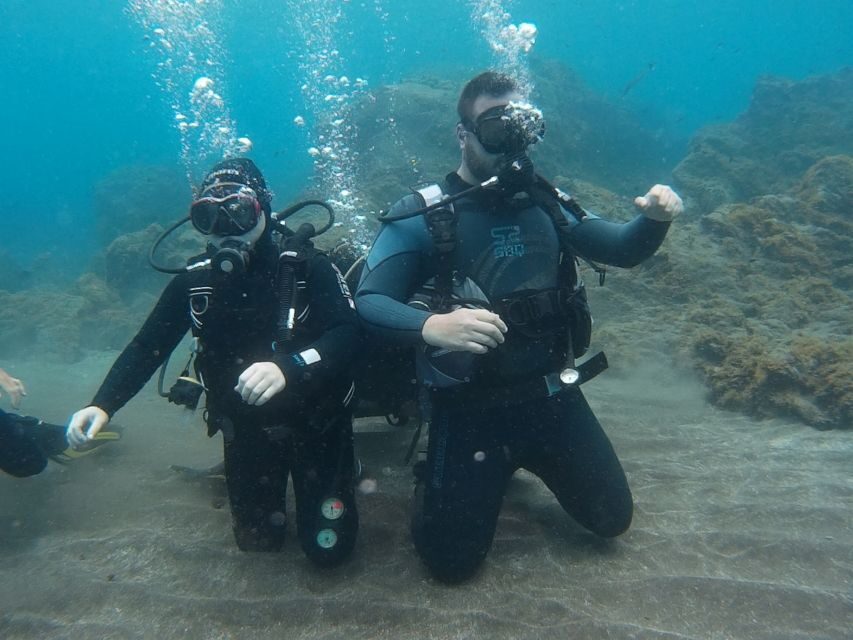
- PADI Open Water Diver certification lets you go independently up to 18 meters worldwide.
- Day 1 structure: video, exam, and confined-water skills before any open-water work.
- Four open-water sessions spread across the next two days, mixing exercises with exploring.
- Equipment and insurance included, so you’re not scrambling to rent gear or buy coverage.
- Multi-language instruction, with past students praising teaching in their own language.
PADI Open Water Diver in Tenerife: what you’re really buying
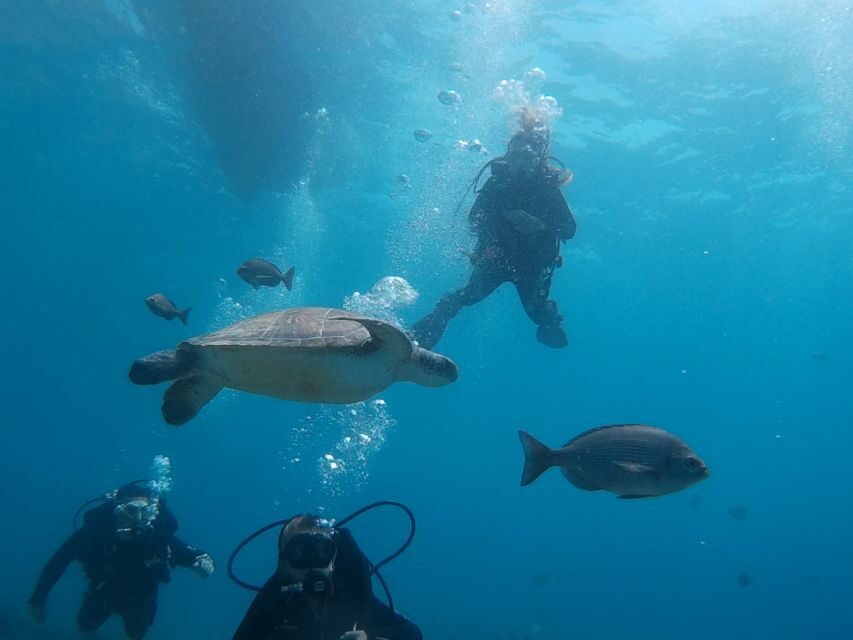
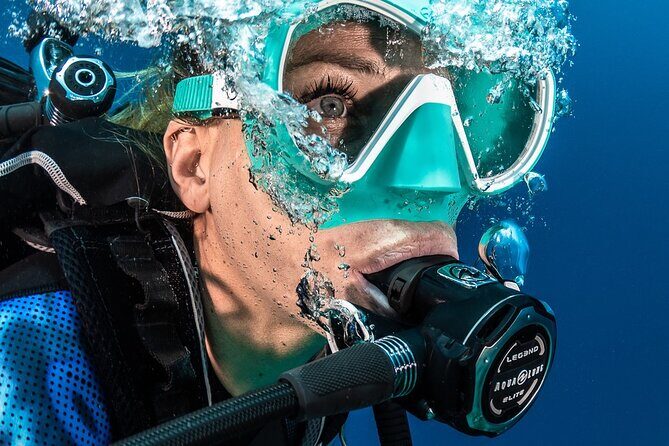
You’re not just paying for a badge. You’re paying for a guided path from first breath underwater to controlled confidence. The PADI Open Water Diver course is built for that exact transition, and the Tenerife setting helps because the training is organized across three days, with a flexible schedule that fits your needs.
The value starts with what’s included. Your course, insurance, equipment, instructor, and PADI registration fee are part of the package. That matters because scuba costs can quietly balloon once you add rental gear, lesson coverage, and admin fees elsewhere. Here, those core pieces are bundled, so you can budget without surprises.
And then there’s the certification itself. After completing PADI Open Water Diver, you can go independently up to 18 meters anywhere in the world. That is the real long-term win: you’re building a credential you can use beyond Tenerife instead of just a one-off experience.
You can also read our reviews of more tours and experiences in Tenerife.
Day 1: video, exam, and confined-water skills
Day one is about getting your head and hands ready. You start with a video that explains the basics of how scuba works, and the information from that video lines up with an exam you’ll take during the course. If you like clarity and structure, you’ll appreciate this. You’re not expected to guess or figure everything out by trial and error.
Before you enter the water, your instructor also covers equipment and safety procedures. That “why” part matters. Knowing how the gear works and how safety routines fit together makes the later skill sessions much easier to master.
Then you do skills in confined water, supervised by your instructor. The goal here is simple: practice the fundamentals until you can do them calmly. Confined water settings usually keep things more controlled than open water, so you can focus on technique—breathing, movement, and comfort—rather than dealing with bigger variables. It’s also where nerves often drop fastest, because you’re not yet trying to perform while everything is new.
If you’re the type who learns best in steps, day one is designed for you: watch, learn, test, then repeat skills under close coaching.
Days 2 and 3: four open-water sessions and real practice
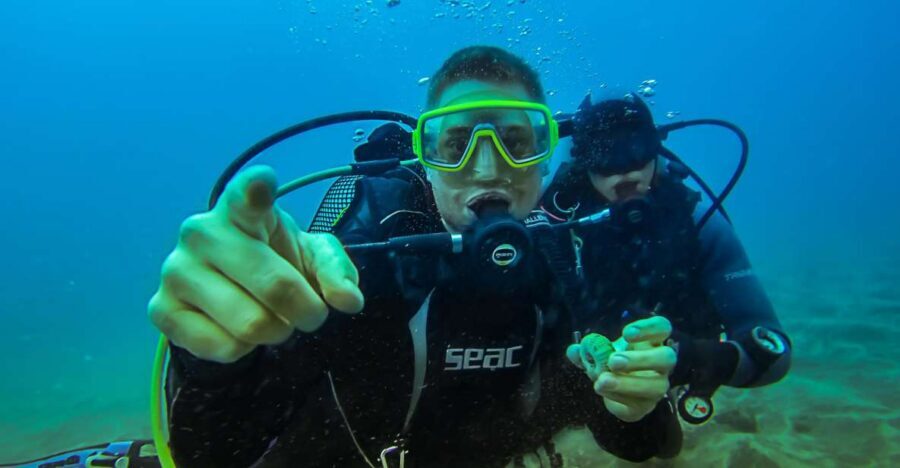
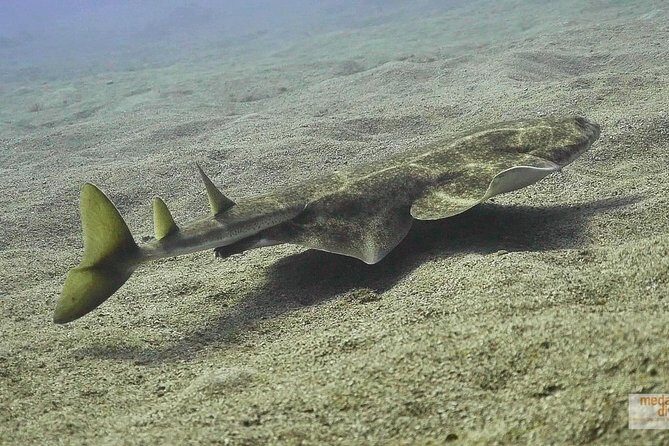
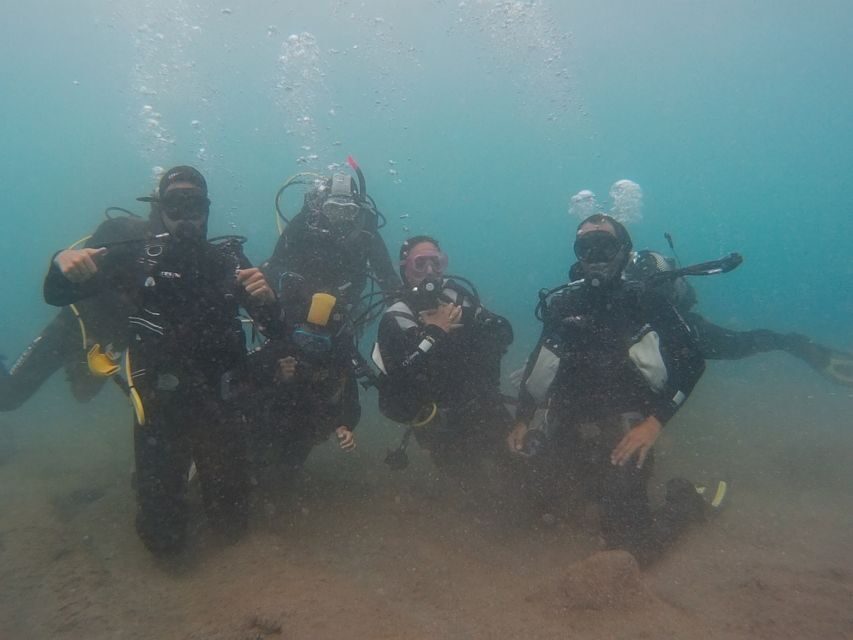
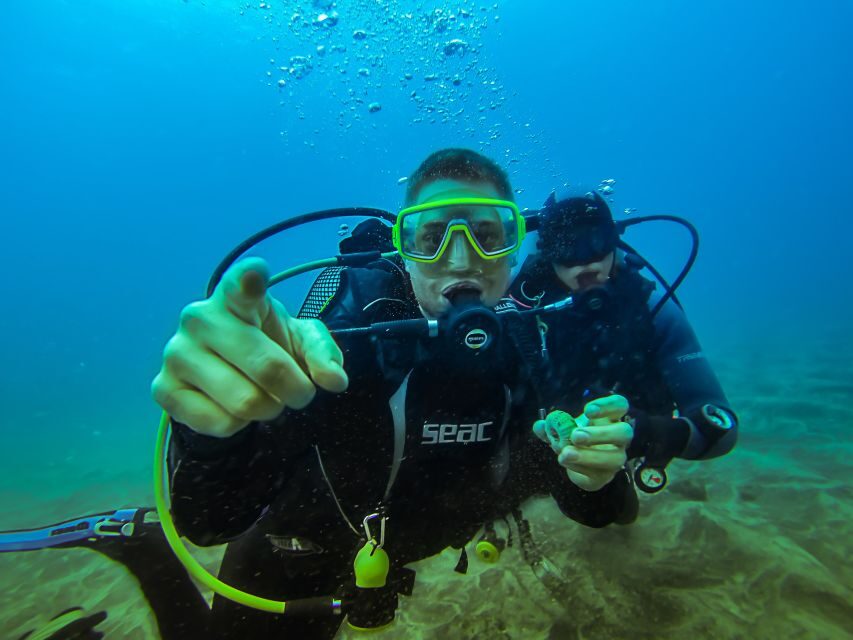
The next two days are where the course turns from training to actual experience. You’ll do four open-water sessions where you complete exercises and start exploring the underwater world. The mix is important: you don’t just go down and float around. You practice what you learned, and you build judgment for real conditions.
This is also where the best instructors shine. The course is described as fully safety-focused, and the key word in the student feedback is reassurance. People praised instructors for taking time, explaining steps clearly, and keeping the vibe both safe and fun. One student specifically noted that instruction happened in their own language, which can be a big deal when you’re dealing with procedures you want to perform correctly.
What I’d tell you to expect is a gradual shift. Early in open water, you’ll likely feel more “task-focused.” Later, once the exercises click, you’ll start paying attention to how you move, how your buoyancy feels, and what’s happening around you. That’s the moment when the training becomes a memory rather than homework.
The pacing—spread over two days—also gives you a rhythm. You’re not forced to compress everything into a single frantic day. You get time to process what you just did, then apply it the next time you’re suited up.
Instructors and safety culture: multi-language coaching that stays human
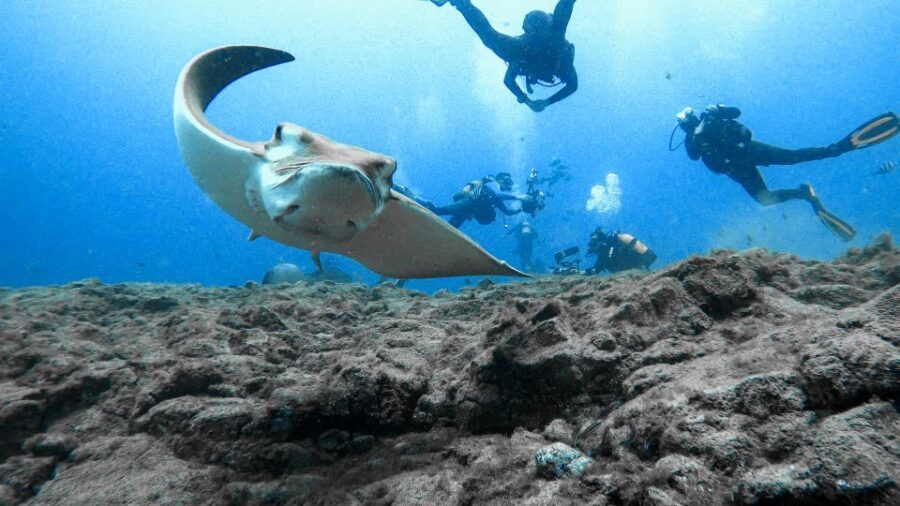
A scuba course lives or dies by the instructor. Here, you get a multi-language roster: Spanish, Bulgarian, English, French, German, Polish, Russian. That doesn’t just help with convenience. It helps you understand safety information faster, which reduces stress when it counts.
Past students highlighted a real theme: clear explanations and patient support. Some accounts mentioned Thomas teaching in a student’s own language and keeping students feeling safe while still having fun. Other comments praised Marcin for smooth training, professionalism, helpful guidance, and extra patience—again with a strong safety feeling throughout.
So what does that mean for you practically? It means you’re more likely to ask questions without feeling rushed, and you’ll have a better chance of getting corrections quickly. In a sport where small mistakes can lead to big discomfort, that kind of coaching is worth a lot.
One note for your expectations: one person reported an issue that prevented them from finishing, and they said the problem was not related to the instructors. That’s a reminder that life happens—weather, health, or scheduling issues can affect outcomes—but the instruction itself was still seen as excellent.
Price and logistics: is $465 a good deal?
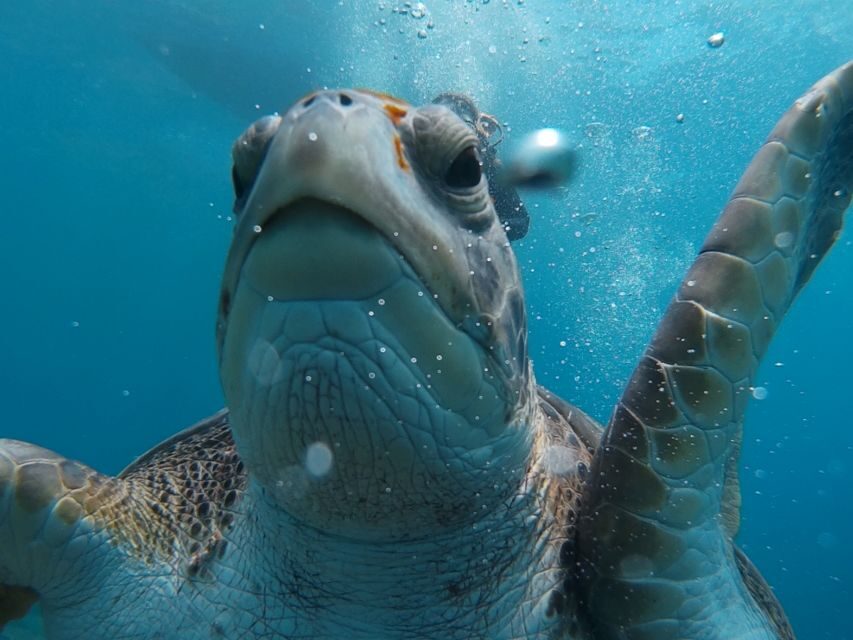
At $465 per person for three days, the price feels aimed at people who want the full pathway without nickel-and-diming themselves into a higher total.
Let’s break it down the practical way:
- Included insurance reduces the need to shop around for coverage.
- Included equipment means you can show up without sourcing or paying for rentals.
- Included PADI registration fee covers the paperwork side that often gets added later in other models.
What’s not included:
- Food and drinks. Plan on lunch breaks that you pay for separately.
- Pickup can have extras if you’re outside the included zone.
Speaking of pickup, the course includes hotel pickup at the reception of your hotel, including South Tenerife from Callao Salvaje to El Medano. The tricky part is that some nearby areas may add cost by transfer type. The data lists extra pickup fees from Los Gigantes and El Medano (by car pricing), and a fee from Golf del Sur (also by car pricing). In real life, that means you should confirm your exact pickup point when you book so you don’t get surprised.
For value, the biggest tip is this: treat this price like a “package,” not like a cheap ticket. The bundled equipment and insurance are the big money-savers.

What to bring (and what not to do) for an easy course
This course keeps the prep simple. You only have one explicitly listed item to bring: a towel. That’s refreshingly straightforward.
You also have clear rules: no alcohol and no drugs. That’s not just for vibes—it’s safety. If you’re training your body to breathe and move calmly underwater, anything that affects coordination or judgment can turn a simple day into a rough one.
On the gear side, you don’t need to bring your own equipment. Equipment is included. That’s one of the best reasons to choose this kind of 3-day course rather than piecing it together yourself.
Who should book this 3-day plan (and who should not)
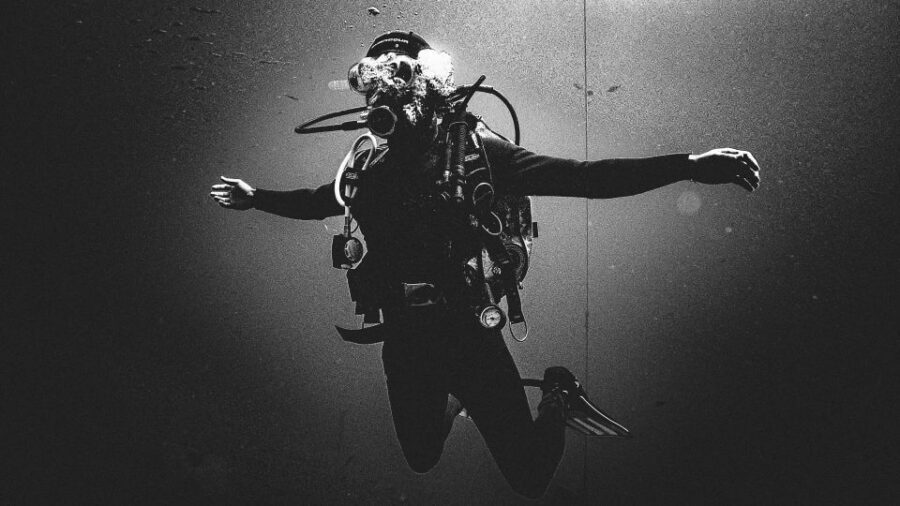
This is a minimum age 10 course. It’s not suitable for children under 10. If you’re an adult, or a strong teen who meets the minimum age, this format makes sense because you get a structured progression: video and exam, confined-water skills, then open-water sessions with exercises.
It’s also a good fit if you want:
- a clear, guided path rather than a casual try-out
- training in a language you can comfortably understand
- a realistic timetable that lands within three days
If you’re extremely anxious, you might feel better choosing an instructor who matches your language preference. The fact that multiple languages are supported is a practical safety lever, not just a convenience.
If your schedule is tight, note that the course schedule is described as flexible according to your wishes and availability for starting times. That’s helpful. You’re not stuck with one rigid departure time, at least in theory.
Should you book this PADI Open Water course in Tenerife?
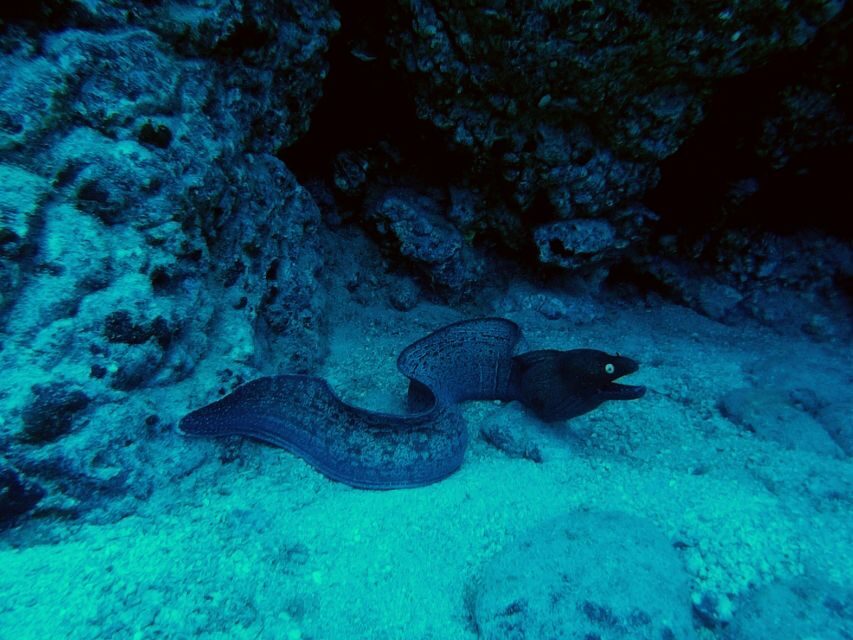
I’d say yes if you want a fast, structured route to certification with gear and insurance included, and you like the idea of learning in steps: video and exam first, then controlled skill practice, then open-water sessions with exercises.
Book with extra care if:
- you’re sensitive to transportation costs, because pickup extras may apply outside parts of South Tenerife
- you don’t like planning around separate meal costs, since food and drinks aren’t included
- you’re under the minimum age, because this one doesn’t fit children below 10
Overall, this looks like a solid value course for your first certification experience—especially if you take safety seriously and you’re ready to learn a sport by practicing it properly.
FAQ
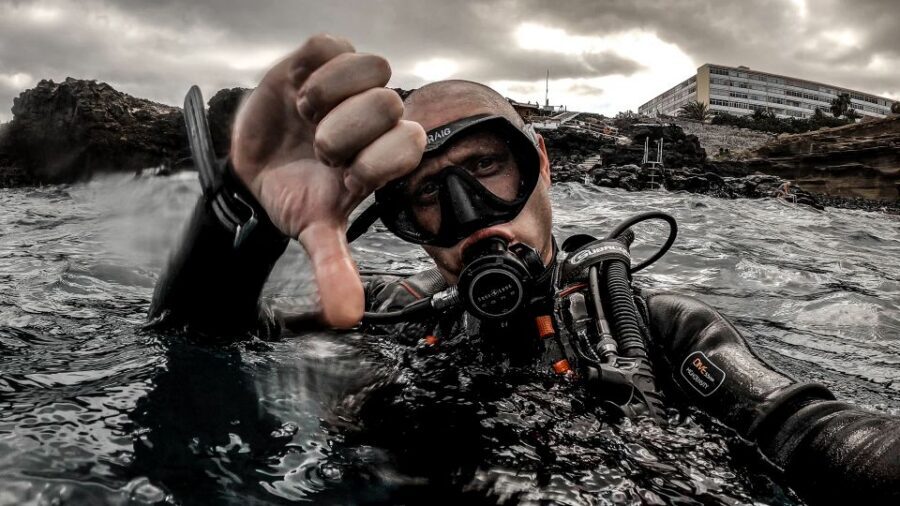
How long is the PADI Open Water course?
It lasts 3 days.
What is the price per person?
The price is $465 per person.
Where is the course located?
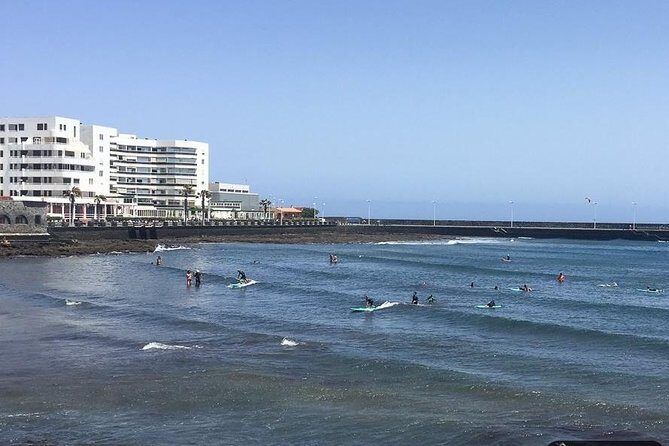
It’s in the Canary Islands, Spain, and the pickup area is on Tenerife in the South.
What happens on the first day?
You start with a video, then there is an exam, followed by an instructor briefing on diving (equipment, skills, and safety). After that, you complete skills in confined water with the instructor.
How many open-water sessions are included?
You’ll do 4 open-water dives/sessions as part of the next two days, including exercises and exploration.
What’s included in the price?
Included items are the course, insurance, equipment, instructor, and the PADI registration fee.
What’s not included?
Food and drinks are not included.
Do I need to bring anything?
You should bring a towel.
What languages can the instructor teach in?
Instruction is available in Spanish, Bulgarian, English, French, German, Polish, and Russian.
What age is the course for, and what depth does the certification allow?
The minimum age is 10 years old. After certification, you can go independently up to 18 meters worldwide.