REVIEW · TENERIFE
First Dive Experience in Tenerife
Book on Viator →Operated by Marcin Andrzej Glowacki · Bookable on Viator
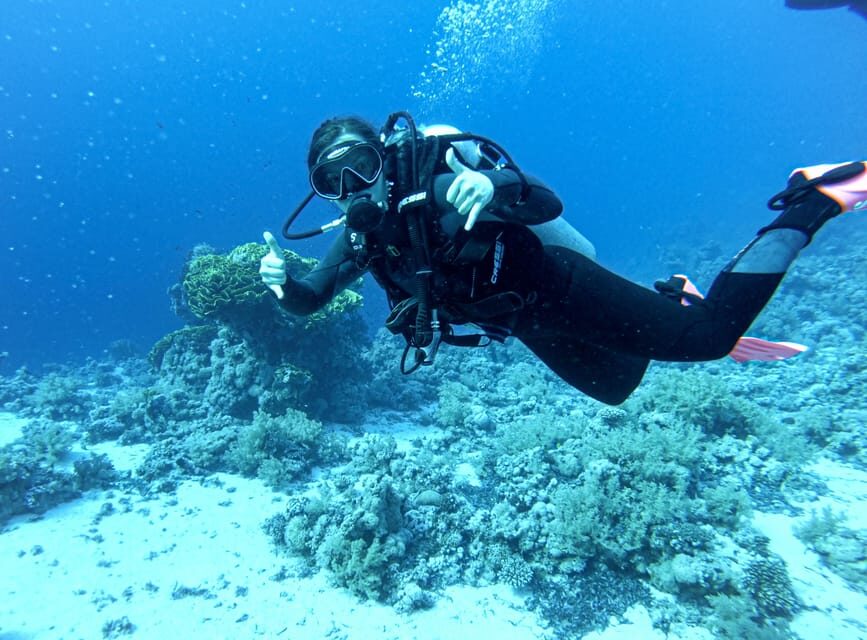
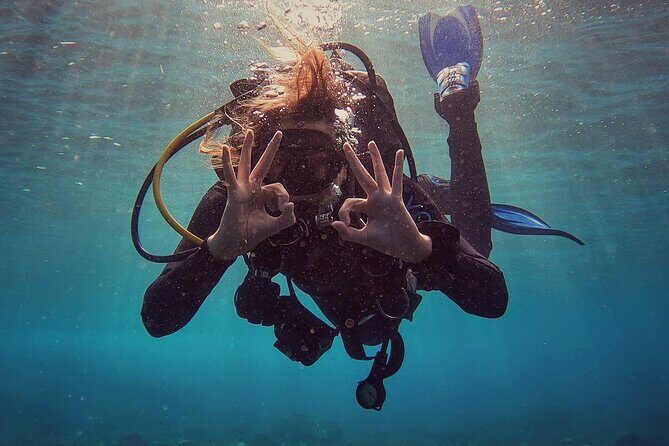
Your first underwater breath starts on Tenerife. This beginner-friendly try-scuba session runs out of Bay of Stingrays near Puerto de Santiago, with practical lessons first and a slow, confidence-building time underwater after. It’s built for people who want to see the ocean up close without needing any prior certification.
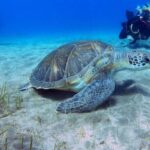
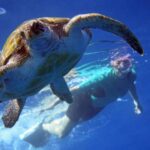
What I like most is the hands-on safety focus—you get training on scuba basics, equipment, and breathing techniques before you go in, plus close instructor supervision (up to a two-to-one student-to-instructor ratio). The other big win is the animal variety in a spot designed for beginners: volcanic reef bottom, peaceful rays, and regular chances to spot turtles, octopus, cuttlefish, moray eels, crabs, shrimp, and multiple fish species.
Possible drawback: you don’t always get a stingray sighting on every session, even though they’re encountered daily. And the underwater time is split into shorter options (20 or 40 minutes), so if you’re dreaming of a long bottom-heavy adventure, this is more “taste test” than hours of deep exploration.
In This Review
- Key points before you book
- Bay of Stingrays: why this area works for first-timers
- Training first: safety skills you’ll actually use underwater
- Your underwater option: 20 minutes vs 40 minutes
- What you’ll likely see: rays, turtles, reef critters, and fish schools
- Shore access and the equipment rhythm: less stress, better focus
- Who runs the show: instructors that put nervous first-timers at ease
- Price and logistics: what you’re paying for (and what it doesn’t include)
- Getting there and timing: meeting point and a smooth start
- Who this try-scuba session is best for
- Should you book it? My take for first-timers in Tenerife
- FAQ
- Do I need scuba certification for this experience?
- How long is the whole experience?
- Can I choose how long I stay underwater?
- What training do I get before entering the water?
- What is the minimum age?
- Is hotel pickup included?
- Where is the meeting point?
- What should I bring or prepare in advance?
- Are snorkeling equipment and photos included?
- What’s the cancellation policy?
- Is food and drinks provided?
Key points before you book
- Bay of Stingrays is the main setting: volcanic reef bottom and peaceful ray habitat
- 30 minutes of training first, so you’re not guessing once you’re in the water
- Small supervision with an up-to-two-to-one ratio, designed for first-timers
- Choose 20 or 40 minutes underwater depending on your comfort level
- Pickup is available in the south, with set fees depending on where you’re staying
- Minimum age is 8, and you’ll provide height + shoe size for gear fitting
Bay of Stingrays: why this area works for first-timers
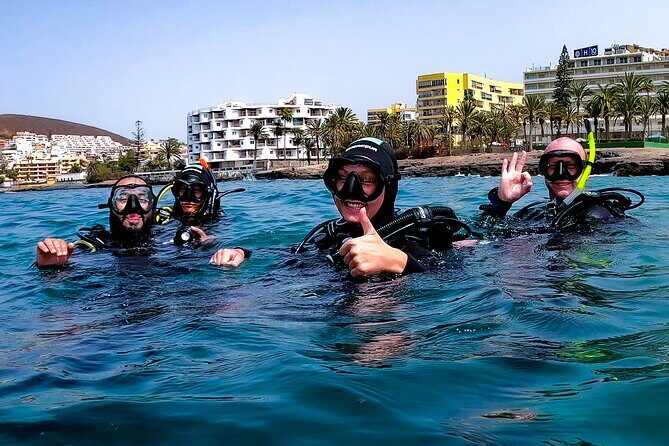
Tenerife’s south coast is full of tour options, but this one has a very clear logic: start where the water access is straightforward and the marine life is beginner-friendly.
The experience takes place in Stingray Bay, right in front of the water entrance at the center. That matters more than it sounds. Shore access usually means less time hauling gear and more time focused on the actual learning and observation. It also helps reduce the stress factor for your first attempt, when you’re already juggling mask fit, breathing rhythm, and staying relaxed.
This bay is described as having several kinds of rays that are not aggressive. You don’t go into it expecting a guaranteed animal show, but you do get the best kind of odds for a first trip: a place where the local wildlife is part of the routine. The bottom is partly covered by a volcanic reef, which gives you structure underwater. Instead of drifting over empty water, you’ll be watching life around rock and reef areas—exactly the kind of scenery that makes beginners feel like they’re not just “practicing,” they’re actually sightseeing.
You can also read our reviews of more tours and experiences in Tenerife.
Training first: safety skills you’ll actually use underwater
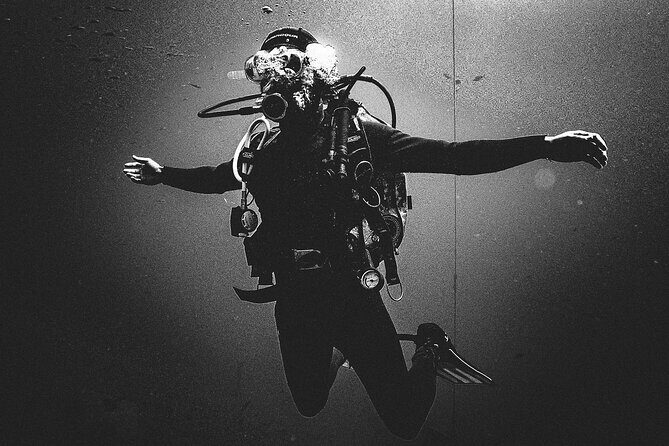
Before you step into the water, you get about 30 minutes of training. This is the part that separates a comfortable first experience from a chaotic one.
The training covers:
- scuba safety essentials
- equipment use
- breathing techniques
That last one is key. For many first-timers, the hardest part isn’t fear of the ocean—it’s the sensation of breathing underwater. The good sign here is that the program is built around teaching that technique early, so you can focus on what you’re seeing instead of trying to figure out your breathing on the fly.
You’re also prepared on land and supervised in the water. The ratio is stated as a maximum of two-to-one for instructor support. In plain terms: you’re not just in a big group with one guide trying to check on everyone. You should feel like someone can actually watch your technique and help you adjust quickly.
One more practical detail: the briefing is done in a language you can understand. Reviews also point out that guides can help translate when needed, which is a big confidence boost if your scuba vocabulary is still brand new.
Your underwater option: 20 minutes vs 40 minutes
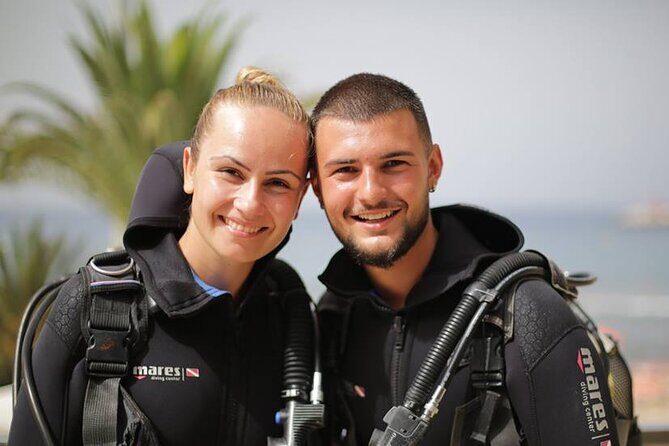
This experience lets you choose between a 20-minute or 40-minute introductory session underwater.
Here’s how to think about it:
- If you’re anxious, new to swimming comfort, or unsure how you’ll feel after the first equipment setup, the 20-minute option is often the smart entry point. You get the thrill without turning it into a marathon.
- If you’re feeling steady and you want more time to watch marine life at a slower pace, 40 minutes gives you breathing room—literally and figuratively—to settle in and enjoy the environment.
Both options follow the same concept: you’re there to learn and see sea life, not to race. The difference is how much time you get for that settling-in period.
A real-world note from experience: one first-timer reported ear discomfort during descent and still had a great time once they adapted with the instructor’s guidance. That’s exactly why the session starts with training and close supervision—your body will ask questions, and you’ll have support to handle them.
What you’ll likely see: rays, turtles, reef critters, and fish schools
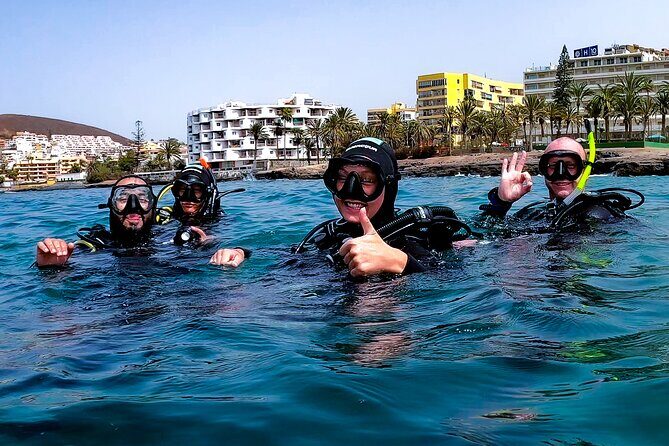
The whole appeal of this try-scuba experience is the wildlife you’re looking for right from the start.
You’re told you can expect about 15 species of fish and animals, including:
- sea turtles
- rays (encountered daily, but not guaranteed every time)
- crabs
- moray eels
- octopus
- cuttlefish
- shrimp
- and many more fish types
There’s also mention of volcanic reef structure, so even if a specific animal isn’t right in front of you, you’re still scanning living areas around the rock and reef bottom.
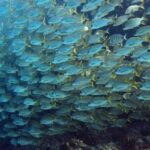
In addition to the standard list, multiple instructors and sessions in the experience’s reviews mention standout sightings like large stingrays, schools of silvery fish, and even surprises such as an angel shark and cave encounters. You shouldn’t plan your expectations around a rare animal, but it’s encouraging to see that the ecosystem here can deliver more than just “a few common fish.”
My practical tip: if you want the best chance at wildlife, stay calm and watch slowly. First-timers sometimes focus too hard on technique and end up rushing their eyes. With this setting, the animals reward patience.
Shore access and the equipment rhythm: less stress, better focus
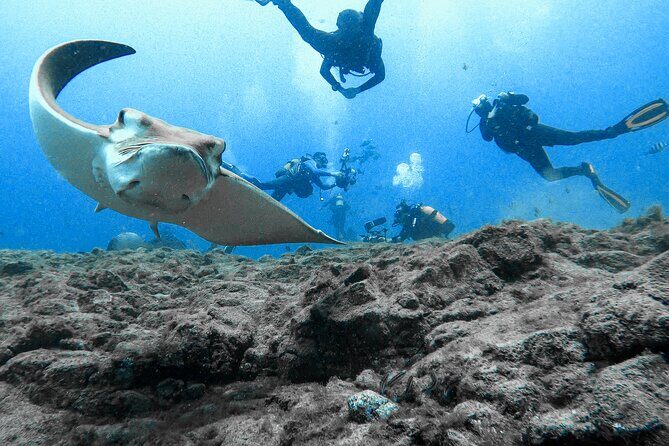
One reason this program feels beginner-friendly is how they handle the “getting in” part. The diving center is placed just in front of the water entrance in the Stingray Bay, so you’re not constantly trekking across a complicated setup area. That helps your day flow.
Equipment is provided, and since you’ll need gear fit, you’ll be asked for:
- your height
- your shoe size
This isn’t just paperwork. It helps get you into the right sizing faster, which reduces the time you spend waiting while you’re already keyed up.
Also, the experience includes snorkeling equipment. That sounds like a small line item, but it supports the overall idea of easing you into the water. If you’re curious about trying both surface and underwater observation styles, you’ll have the gear available.
Two things that are not included:
- food and drinks
- souvenir photos (available for purchase)
If you’re doing this right after arriving in Tenerife, I’d plan a snack and water before pickup time so you’re not hungry during the training period. And if photos matter to you, know that extras are typically paid separately.



Who runs the show: instructors that put nervous first-timers at ease
A big theme in the experience is how instructors handle first-timers—especially people who arrive nervous.
Multiple names show up in the feedback, and they all point in the same direction: calm coaching and clear explanations.
- Kamil is mentioned for putting a nervous first-timer at ease and staying close throughout the underwater portion.
- Jordi is described as attentive, with guidance when ear pressure issues came up on descent.
- Gaya gets praise for clear explanations, patience, and not rushing anyone.
- Yulia is specifically noted for helping with translation during the pre-water briefing when language confidence was limited.
- Other instructors and crew like Cristian, Amadeo, Cindy, Christian, Mass, Samu, Allan, and Messimo/Mossimo are repeatedly praised for organization and friendliness.
Here’s what I take from that as your practical takeaway: if you’re worried about doing something wrong, you’re in the right place. The program structure (training first + close supervision) plus the way these instructors communicate seems to match what first-timers need most: reassurance and quick corrections.
Price and logistics: what you’re paying for (and what it doesn’t include)
The price is $90.51 per person for about 4 hours total.
That total time matters because try-scuba isn’t just the underwater segment. You have pickup (if you choose it), check-in, gear fitting, training, and the underwater experience itself. Most of the value is in the staff time and attention—especially because the program is designed for beginners and keeps group sizes limited (maximum 20 travelers).
What you get included:
- driver/guide
- snorkeling equipment
What you don’t get included:
- food and drinks
- souvenir photos
- an air-conditioned vehicle (so don’t expect that level of comfort in the ride)
Pickup is offered, but fees vary based on where you’re staying in the south:
- $4 euros per person from areas like Callao Salvaje, Playa Paraíso, La Caleta, Fañabe, Costa Adeje, Las Américas, Los Cristianos, Costa Silencio
- $15 euros per car (up to 8 passengers) from Puerto Santiago, Playa la Arena, and El Medano
- $10 euros per car from Golf del Sur
Two quick value checks for you:
- If your hotel is in a lower-fee zone (like the per-person rate areas), you’ll probably get the best overall value.
- If you’re traveling with others and can share a car, the per-car pickup can be cheaper than you’d think.
Getting there and timing: meeting point and a smooth start
The activity starts at:
- Paseo Maritimo, 17, 38650 Arona, Santa Cruz de Tenerife, Spain
The activity ends back at the meeting point.
If you’re taking pickup, you’ll be picked up based on your listed area. If you’re not, plan to arrive early enough to handle check-in and gear fitting without rushing.
Because the program includes a fairly structured training block, arriving stressed is the last thing you want. If you’ve got to choose, I’d rather you show up a bit early than late.
Who this try-scuba session is best for
This is a strong match if:
- you’re curious about scuba but have no certification
- you want a guided first experience with clear safety instruction
- you care about seeing a mix of marine life like rays and turtles
- you prefer a smaller-group feel (max 20 travelers)
It may be less ideal if:
- you want a long, deep, advanced-style underwater route (this is introductory)
- you’re allergic to the idea of choosing between 20 or 40 minutes underwater
Minimum age is 8 years, so this can work for older kids with proper supervision from the operator’s side—though you’ll still want to judge your child’s comfort in the water.
Should you book it? My take for first-timers in Tenerife
Book this try-scuba experience if your goal is simple: get your first real taste of scuba with hands-on coaching in a place designed for beginners, with the chance to see rays, turtles, and reef life without needing any certification.
Don’t book it if you’re expecting a guaranteed stingray encounter every time or if you’re chasing a long, advanced underwater program. Here, the point is learning, safety, and a calm underwater introduction—not ticking off a super technical checklist.
If you’re on the fence, pick the 20-minute option unless you’re confident you’ll stay relaxed with the training and equipment. For most first-timers, that’s the easiest way to walk away excited instead of overwhelmed.
FAQ
Do I need scuba certification for this experience?
No. It’s designed as an introductory scuba experience with training and supervision, so you don’t need scuba certification.
How long is the whole experience?
It’s about 4 hours total.
Can I choose how long I stay underwater?
Yes. You can choose a 20-minute or 40-minute introductory underwater option.
What training do I get before entering the water?
You start with about 30 minutes of training covering scuba safety essentials, equipment, and breathing techniques.
What is the minimum age?
The minimum age is 8 years.
Is hotel pickup included?
Pickup is offered. The cost depends on where you’re staying in the south of Tenerife.
Where is the meeting point?
The start point is Paseo Maritimo, 17, 38650 Arona, Santa Cruz de Tenerife, Spain. The activity ends back at the meeting point.
What should I bring or prepare in advance?
You must provide your height and shoe size for gear fitting. Food and drinks are not included.
Are snorkeling equipment and photos included?
Snorkeling equipment is included. Souvenir photos are not included (they’re available to purchase).
What’s the cancellation policy?
Cancellation is free if you cancel up to 24 hours in advance for a full refund. If you cancel less than 24 hours before the start time, you don’t get a refund.
Is food and drinks provided?
No. Food and drinks are not included.