REVIEW · TENERIFE
Tenerife: Tenerife Highlights beyond the Teide
Book on GetYourGuide →Operated by World Travel Tenerife · Bookable on GetYourGuide
North Tenerife feels like a whole new island. This 8-hour loop turns history and volcanic drama into an easy, guided day, with a small group and plenty of time to wander. I especially loved the UNESCO streets of La Laguna and the sheer scale of the Los Gigantes cliffs from the sea edge. Your guide (often Ángel) keeps things local, with real-world tips, not just stop-by-stop facts.
Two other things I liked: the pacing gives you room to explore on your own, and the route avoids the most obvious tourist shortcuts by working across the island’s north and west. The only drawback is simple: it’s a long day with road time plus walking, so plan for comfortable shoes and a few spots where you’ll want sunscreen and patience as the weather shifts.
If you want Tenerife beyond Teide day-trips, this is a strong choice. You’ll hit pilgrimage, old ports, and one of the Canary Islands’ most iconic trees—all with pickup and a guide included.
In This Review
- Key highlights to look for
- Why Tenerife’s north route changes the whole vibe
- Pickup, small-group comfort, and how the day stays flexible
- La Laguna UNESCO: walking the kind of streets you remember
- Candelaria: pilgrimage energy and the basilica you came to see
- Los Gigantes cliffs: vertical walls, sea air, and wow factor that feels real
- Garachico’s lava lesson: old port, new life
- Icod de los Vinos and Drago Park’s Millennium Dragon
- La Orotava: historic streets, churches, gardens, and food breaks
- Value check: is $82 worth it for this route?
- Who this tour fits best
- Should you book Tenerife Highlights beyond the Teide?
- FAQ
- How long is the Tenerife highlights tour?
- How many people are in the group?
- Does the tour include pickup and drop-off?
- What languages does the guide speak?
- Is lunch or food included?
- What should I bring?
- Can I cancel for a refund?
Key highlights to look for
- UNESCO La Laguna: wander historic streets with a guide calling out what matters
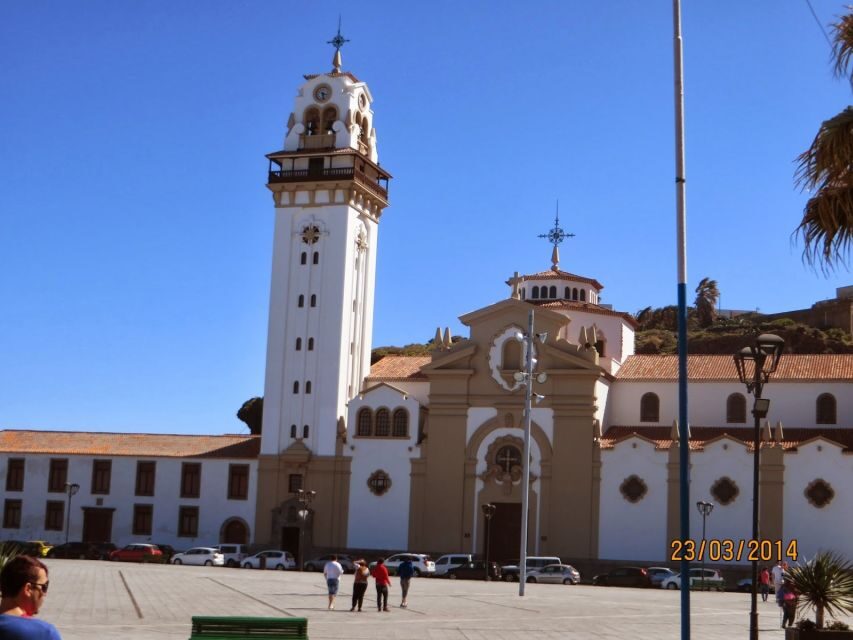
- Candelaria basilica stop: the archipelago’s main pilgrimage atmosphere
- Los Gigantes viewpoint time: vertical volcanic walls dropping to the sea
- Garachico’s lava story: old town resurgence after the Trevejo volcano buried the port
- Drago Park and the 800-year-old Millennium Dragon: an iconic symbol you can actually see up close
Why Tenerife’s north route changes the whole vibe
Tenerife gets treated like one giant destination, but the north side feels different. The light can look cooler, the towns feel slower, and you spend more time in places that were built to last. This tour leans into that side of the island, mixing historic centers with the kind of volcanic geology you can’t fake with a postcard.
What makes it work is the combination of big sights and smaller, more specific details. You’re not only driving past landmarks—you’re stopping in historic quarters, learning why these towns matter, and then getting time to stroll at your own pace. When the route flows across the island’s north, it also gives you a clearer sense of how Tenerife is shaped.
And yes, there’s natural drama. Los Gigantes is the headline, but the day also sets you up to notice volcanic patterns everywhere else, from the way coastlines are carved to how towns rebuilt after lava changed the map.
You can also read our reviews of more tours and experiences in Tenerife.



Pickup, small-group comfort, and how the day stays flexible
The whole day runs on pickup and drop-off, plus a live guide. That’s a big deal if you don’t want to wrestle with rental cars, parking, or timing your own route across multiple towns.
Group size is kept small—limited to 8 participants—and the experience can feel close to private depending on who’s booked. More than one booking noted being with just a couple people, and that usually means you get extra attention at stops and easier conversation in the vehicle. The guide also handles the rhythm well: short explanations before each key stop, then time to explore without rushing you.
You’ll also get free time built in for lunch. The tour is flexible in how you use it: you can eat in a restaurant or bring a picnic. Keep in mind that meals and drinks aren’t included, and some museum sites (if you choose to go) have fees on top.
One more practical note: pickup in the south of the island can cost extra. If you’re staying far from where pickup is included, check the pricing for your area before you lock it in.
La Laguna UNESCO: walking the kind of streets you remember
La Laguna is a UNESCO World Heritage Site (listed in 1999), and you’ll start your day there on foot. This isn’t a quick look-from-the-car moment. It’s a walking tour through the historic center, where the guide helps you understand how the town’s design and architecture reflect its long history.
What I like about this stop is that it gives you the best kind of first impression: you get your bearings early, and you learn what to notice. That matters later, because after La Laguna you’ll be better at reading the towns you visit. You’ll also see why this place is considered important beyond just having pretty buildings.
Plan on comfortable walking time. You’re moving through older streets, and some parts may feel uneven or narrow depending on where you stroll. The benefit is that the center is made for wandering at a human pace, so you can slow down, take photos, and browse without feeling like you’re racing a schedule.
If you want a simple strategy: do the guided segment first to learn the layout, then use the free time to pick one direction and commit to it. You’ll usually find the best street corners when you stop chasing every view and let the town pull you along.
Candelaria: pilgrimage energy and the basilica you came to see
After La Laguna, the tour heads to Candelaria, home to the Virgin of Candelaria and the basilica that makes this one of the archipelago’s main pilgrimage sites. This stop isn’t only about architecture—it’s about Tenerife’s spiritual traditions and how local identity shows up in public life.
I like this portion because it adds cultural texture. Even if you’re not religious, it helps you understand what the Canary Islands rally around. You’ll see how the community frames the day, and your guide’s local context makes the visit feel grounded rather than like a museum entry.
You’ll also get a chance to slow down before the bigger scenic stops. Candelaria can give you a pause: take a walk, observe the atmosphere, and decide what you want to do with your time at the basilica area.
If the weather is clear, this is also a good moment to step away from the busiest paths and look for quieter corners nearby. You’ll be glad you did later, because Los Gigantes rewards a calm state of mind—views are easier to enjoy when you’re not overheating or rushing.
Los Gigantes cliffs: vertical walls, sea air, and wow factor that feels real
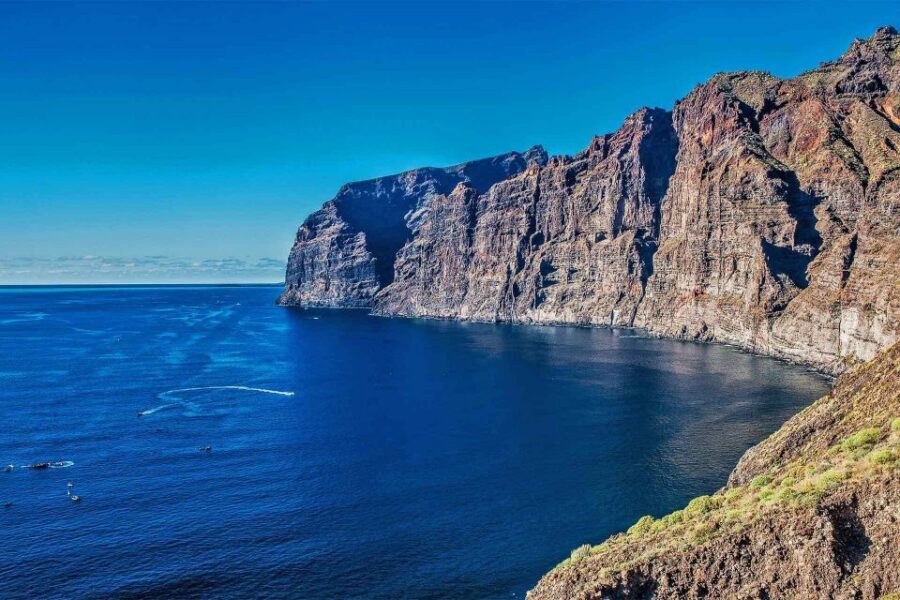
Los Gigantes is a natural wonder defined by astonishing vertical volcanic walls that rise straight from the sea. This is the part that earns the wow factor, and the guide’s job here is to help you look smarter. You’ll get context for what you’re seeing, then viewpoint time so you can absorb the scale.
What’s memorable is the contrast: tight rock walls and open ocean. You feel how the island’s volcanic history created a dramatic coastline. Even if you’ve seen cliff views elsewhere, Tenerife’s version here tends to feel more sheer, more immediate, more like the landscape is pressing toward you.
Practical tip: dress for quick weather changes. A few bookings noted bringing something extra because conditions can shift fast. Even on a day that starts mild, sea air can cool things down at viewpoints.
Also, keep your expectations realistic: you’ll likely be outside for portions of this stop, and you may be near uneven ground or areas where wind picks up. Wear grippy shoes, keep water handy if you buy it during the day, and take breaks when you need them.
If you want the best experience, don’t treat Los Gigantes as a photo sprint. Spend a few minutes just watching the ocean line. The cliffs don’t change quickly, but the light and movement do.


Garachico’s lava lesson: old port, new life
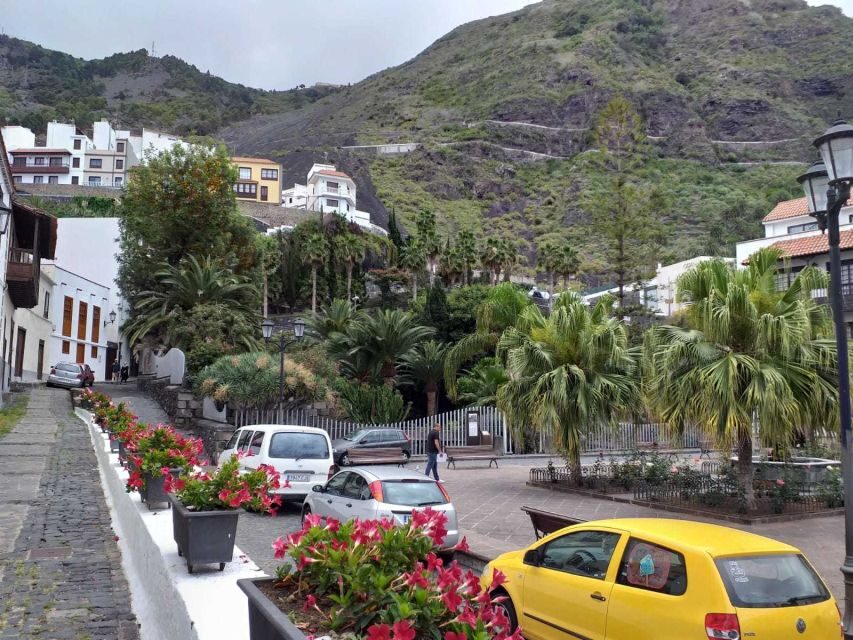
Next up is Garachico, often described as one of Tenerife’s charming towns, with an old town and port shaped by disaster and rebuilding. Garachico was declared a Site of Cultural Interest in 1944, and the key story is volcanic: the port and old town were buried by lava from the Trevejo volcano in 1706. The town’s later resurgence is part of why it feels distinct.
This stop works because you get both history and atmosphere. The guide explains what happened and then you can walk the streets and look at the coastal character for yourself. You’ll have time for lunch, and you can also grab an ice cream if that’s your mood.
In Garachico, I’d also plan for a bit of extra exploring around the waterfront. One description mentioned being able to see nature sea pools, and that kind of detail is exactly why I like guided island days: you notice these features because someone points you toward them.
A small drawback? Garachico can be less “single landmark” and more “walk and absorb.” If you’re the type who likes one big statue-style must-see, this may feel more like a slow-town experience. But if you enjoy towns with stories and street-level texture, you’ll likely love it.
Icod de los Vinos and Drago Park’s Millennium Dragon
Icod de los Vinos brings the day into iconic species territory. The highlight is Drago Park, where the famous Millennium Dragon Tree—an about 800-year-old national monument and a symbol of the Canary archipelago—stands as a living fossil-like figure.
This is one of those stops where a guide’s explanation changes how you see it. You’re not just looking at a tree. You learn why it matters, and you understand the park’s role for endemic species. Then you get time to linger.
My advice here: give yourself more than a quick pass. Trees like this aren’t about ticking a box. Walk the park paths, look from different angles, and pay attention to the scale. When you see it in person, you appreciate how the trunk and form have survived through centuries of changing conditions.
If you’re traveling with kids or teens, this can be a hit because it feels like a real-life character rather than a distant monument. Even if nobody in your group cares about botany, the story behind the tree tends to land.
Weather note: Drago Park is outside. Bring sunscreen and wear something comfortable that won’t annoy you after an hour of walking.
La Orotava: historic streets, churches, gardens, and food breaks
To close the day, you’ll finish in La Orotava, declared an Artistic Historical Site in 1976. This part is great if you want a final hit of classic town atmosphere: preserved streets, historic churches and gardens, plus places to eat genuine Canarian food.
I like ending here because the town gives you a satisfying sense of Tenerife’s “everyday historic.” By the time you arrive, you’ve already seen the island’s bigger stories—UNESCO heritage, pilgrimage, cliff drama, lava history, and the dragon tree. La Orotava pulls it together with an elegant, walkable old quarter feel.
This is where your guide’s job is partly informational and partly practical: knowing what to prioritize in a limited amount of time. Then you get time to stroll and choose how you want to spend your final hours.
If food is part of your travel joy, this is a solid moment to treat lunch break energy as a setup for a real meal later. Meals and drinks aren’t included, but the day’s structure means you have the opportunity to stop somewhere that feels local and not just convenient.
Value check: is $82 worth it for this route?
At $82 per person for an 8-hour day, the value depends on what you’d otherwise do to hit these places. This tour includes pickup and drop-off and a tour guide, which saves you the trouble of arranging transport for multiple towns spread across the north and west.
What’s not included is also important: meals and drinks are extra, and museum fees are not covered. That’s normal, but it means you should budget for at least one proper meal. If you plan to snack lightly and picnic, your costs might stay lower. If you want a full sit-down lunch, expect to pay for that directly.
Still, the price feels fair for a day that covers many distinct highlights in one shot. You’re not only seeing famous stops like Los Gigantes and the Drago tree—you’re also getting UNESCO-era context in La Laguna and the cultural story behind places like Candelaria and Garachico.
Small-group size is part of the value equation too. With a limited group, you get better interaction time with the guide, and you’re less likely to feel like a number.
If you’re short on time and you want a guided route that actually makes sense, this is a strong way to spend a day on Tenerife.
Who this tour fits best
This tour is ideal if you:
- Want Tenerife beyond Teide and want the north’s towns and natural drama
- Prefer guided explanations with free time to wander on your own
- Don’t want the hassle of driving between multiple historic stops
- Like small-group days with a guide who talks like a local
It may be less ideal if you:
- Want only one or two major viewpoints and minimal walking
- Hate long car rides between stops
- Have mobility limitations that make uneven historic streets difficult
That said, the tour’s structure is designed to be flexible at each stop. If you pace yourself and listen to your body, it’s an achievable day for many visitors.
Should you book Tenerife Highlights beyond the Teide?
I’d book it if you want a well-paced introduction to Tenerife’s north and you care about seeing places with real local meaning, not just scenic stops. The best part is the balance: UNESCO-era heritage in La Laguna, spiritual culture in Candelaria, and the cliff spectacle of Los Gigantes, all tied together with towns that have stories you can actually walk through.
If you can handle a long day and bring the right shoes, you’ll likely come away with a clearer sense of Tenerife as an island, not just a sequence of photos. And if you get Ángel as your guide, the day has a good chance of feeling less like a checklist and more like a friend showing you what matters.
FAQ
How long is the Tenerife highlights tour?
It lasts 8 hours.
How many people are in the group?
It’s a small group limited to 8 participants, and the activity requires a minimum of 2 participants.
Does the tour include pickup and drop-off?
Yes, pickup and drop-off are included. Pickup in the south of the island has an additional fee.
What languages does the guide speak?
The live tour guide is available in Spanish and English.
Is lunch or food included?
Meals and drinks are not included. There will be free time for a lunch break in a restaurant or for a picnic.
What should I bring?
Bring comfortable shoes, sunscreen, comfortable clothes, and a passport or ID card (a copy is accepted).
Can I cancel for a refund?
Yes. You can cancel up to 24 hours in advance for a full refund.
If you tell me where you’re staying on Tenerife (rough area) and what month you’re going, I can help you judge whether this 8-hour route will feel like a good match for your energy level.