REVIEW · HISTORICAL TOURS
Tenerife: Canary History and Color Potatoes
Book on GetYourGuide →Operated by A donde vamos hoy · Bookable on GetYourGuide
Potatoes meet history on Tenerife’s old farm paths. This 2-hour cultural ecotour in Icod el Alto mixes a walk along the historic Camino Real with hands-on lessons about the colored Canarian potato. It’s the kind of tour where the scenery matters, but the stories matter just as much.
I love two things most: the real-world farming focus (how families grow, save seed, and work with the land) and the specific potato heritage—29 varieties cultivated by local families since the 17th century. If you get guide Sara, you’ll likely enjoy the way she connects what you see in the fields to what you’ll taste and where you can eat afterward.
One thing to think about: this is an outdoor walk on uneven ground, and weather can change fast around 500 meters altitude, so you’ll want proper shoes and a light jacket.
In This Review
- Key Highlights Worth Your Time
- Starting in Icod el Alto: The Parroquia Meeting Point and the Walking Reality
- The Historic Camino Real: Old Roads, Living Traditions
- The Color Potato Birthplace: Why 29 Varieties Still Matter
- Sustainable Farming Practices You Can Actually See
- Potato Tasting (When Available): What to Expect and How to Enjoy It
- Guides and Group Size: Why a Max of 8 Makes a Difference
- Price and Value: Is $29 Worth 2 Hours in Tenerife?
- Getting There from Puerto de la Cruz and Icod de los Vinos
- Who This Tour Is Best For (and Who Might Pass)
- The Best Way to Prep: Shoes, Weather Gear, and a Simple Mindset
- Should You Book This Tenerife Potato and History Tour?
- FAQ
- How long is the Tenerife: Canary History and Color Potatoes tour?
- Where does the tour start?
- How big is the group?
- What languages are the guides?
- Do I need a car to get there?
- Is there potato tasting included?
- What should I bring?
- Does the tour run in bad weather?
Key Highlights Worth Your Time
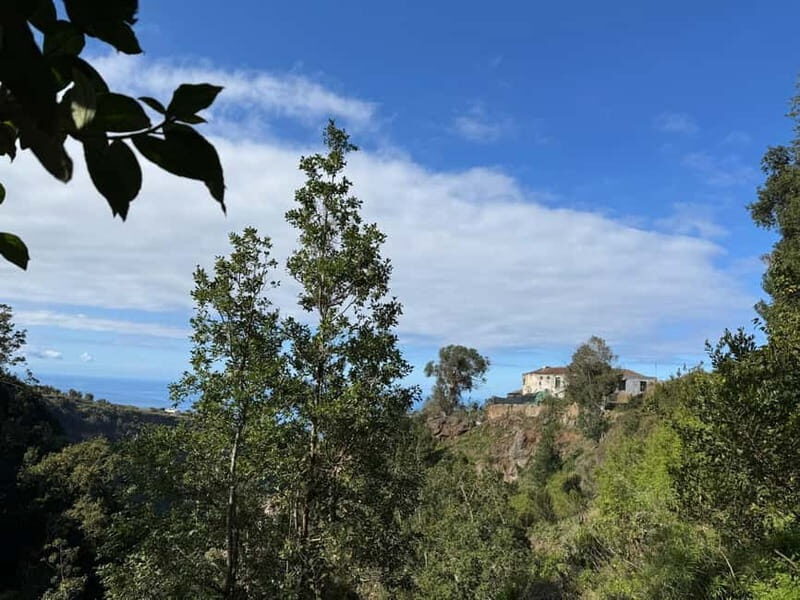
- Historic Camino Real walk: a recognizable old route tied to local traditions and island life
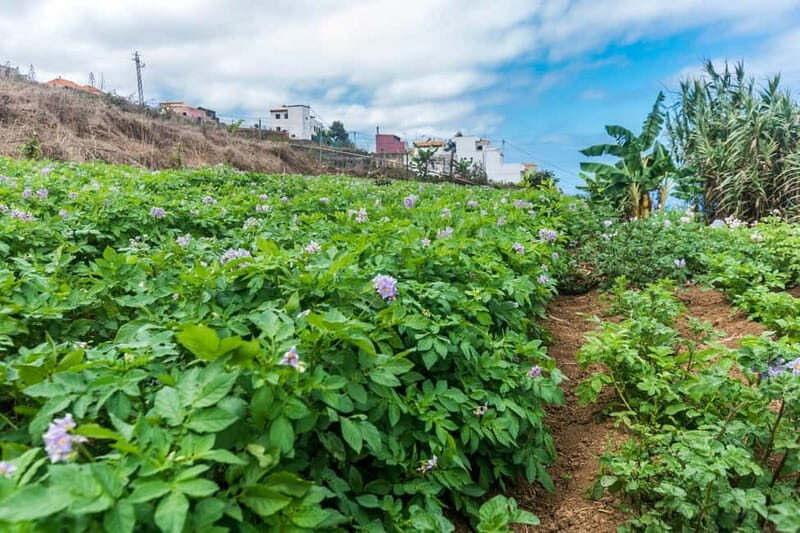
- 29-color potato heritage: learn why these varieties still matter for cuisine and agriculture
- Family farming know-how: see how sustainable practices protect both soil and community
- Seasonal color potato tasting: some rare organic varieties may be available depending on timing
- Small group size (max 8): more questions, less crowd noise
- Guides who share practical Tenerife tips: helpful suggestions for the rest of your stay
Starting in Icod el Alto: The Parroquia Meeting Point and the Walking Reality
The tour starts at the Parroquia de Nuestra Señora del Buen Viaje area, under the flags at the church in Icod el Alto (Los Realejos). Expect a guide who sets the tone quickly—small group means you’re not just herded along, and you can actually ask what the fields and plants mean.
Right away, you’ll feel the “local village on the move” vibe. This isn’t a museum-style history stop; it’s a working agricultural setting where the path you walk is part of the story.
The walking matters here. You’ll want comfortable shoes (hiking shoes are recommended), because you’ll be on uneven ground and doing a proper 2-hour trek, not a flat stroll. I’d treat this as a day-walk, not a sightseeing-and-stand-around situation.
You can also read our reviews of more historical tours in Tenerife

The Historic Camino Real: Old Roads, Living Traditions
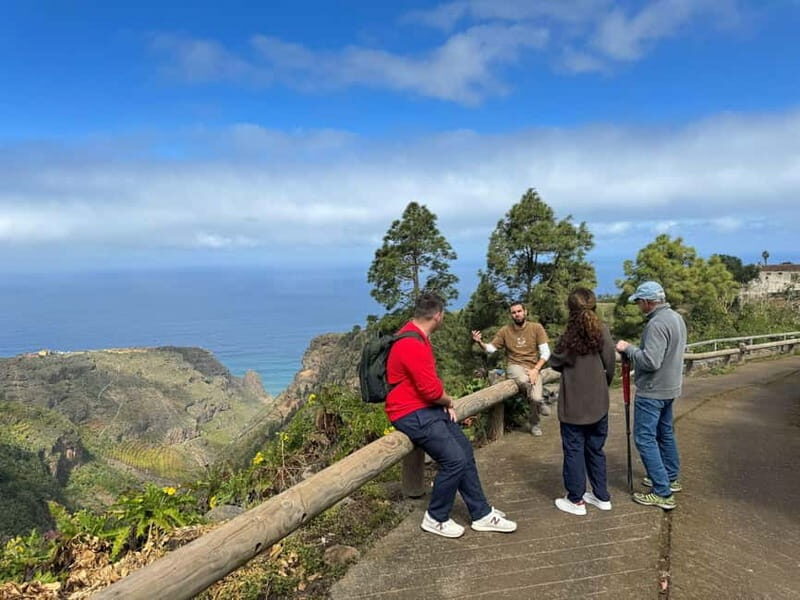
The headliner route is the historic Camino Real. You’ll walk part of this old path and learn how it links to earlier island life—movement of people, goods, and traditions across Tenerife. It’s one of those routes that feels familiar only after you understand why it exists.
What I like about this segment is the balance between physical walking and cultural context. The guide isn’t just naming the place; they’re explaining how events and traditions shaped the region. That turns a “pretty road” into something you can actually connect to Tenerife’s identity.
A practical note: because you’re outside the whole time, pack for weather swings. The tour operates rain or shine, but severe weather may lead to rescheduling. Bring a hat and biodegradable sunscreen, and toss a jacket into your daypack—things can shift around 500 meters altitude.
The Color Potato Birthplace: Why 29 Varieties Still Matter
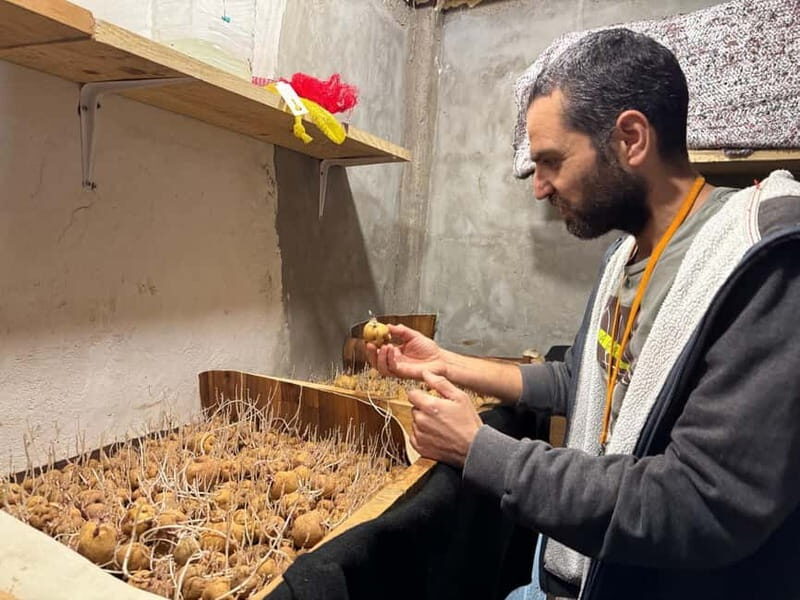
Then comes the centerpiece: the birthplace of the colored Canarian potato. This isn’t vague “potato history,” either—it’s tied to a real cultivation story, including the fact that local families have cultivated 29 unique varieties since the 17th century.
Even if you’re not a food nerd, you’ll get why this matters. Those varieties aren’t just novelty colors. They represent resilience, adaptation, and a long-running agricultural tradition where knowledge gets passed down generation to generation.
The guide also frames how these potatoes fit into Tenerife’s cuisine and agriculture. You’ll likely leave with a clearer idea of how island food identity is built—through what people can grow locally, how they preserve it, and how they keep using it at the table.
If your group includes someone planning a culinary focus trip, this potato stop is a great anchor. You’ll understand what you’re looking at before you order it.
Sustainable Farming Practices You Can Actually See
Between the walk and the potato heritage, the tour shifts into sustainable farming practices—what local farmers do and why it works. This is where the tour earns its “ecotour” label, because you’re not just hearing sustainability as a buzzword.
You’ll learn how local methods help preserve the environment and support the community’s way of life. That matters because Tenerife agriculture isn’t separate from the landscape—it depends on soil health, water habits, and long-term thinking. When you understand that, the countryside starts to feel intentional rather than accidental.
I also like how the tour keeps it grounded. Instead of abstract lectures, it stays connected to what you see in the village’s agricultural setting. Even a short outing can do this well, and this one tries hard to keep the lesson tied to real systems.
Potato Tasting (When Available): What to Expect and How to Enjoy It
Depending on season and availability, you may get a potato tasting of rare, organic varieties. This is the part that can feel like a reward, but it’s also educational—you’ll experience differences in flavor and texture, not just color.
Important: tasting isn’t guaranteed every time. The tour itself explains it as seasonal, so plan your expectations around that. If tasting is available, treat it like a sampling of the heritage you learned about earlier—notice how the varieties differ and ask the guide what makes each one special.
If you’re the kind of person who always wonders what’s behind a dish, this is where you’ll connect the dots. It’s also a smart way to try local food without waiting for a restaurant menu to explain it for you.
And even if tasting doesn’t happen, you still get value from the heritage and farming education. The point isn’t a buffet; it’s understanding why these potatoes are worth protecting.






Guides and Group Size: Why a Max of 8 Makes a Difference
This is a small group tour limited to 8 participants, and you feel the difference. With fewer people, guides can tailor explanations, keep questions from piling up, and share practical advice without rushing.
The reviews point to a strong guide experience. One visitor highlighted that Lorenzo was super friendly, prepared, and gave excellent tips for the rest of the trip. Another described both tour guides as excellent, especially early in the holiday when you can use local suggestions to plan the rest of your days.
You also have bilingual guiding (Spanish and English). So if you’re traveling in English and want the story delivered clearly, you’re not stuck. And if you’re Spanish-speaking, you’ll still get the same flow—just in your language.
Price and Value: Is $29 Worth 2 Hours in Tenerife?
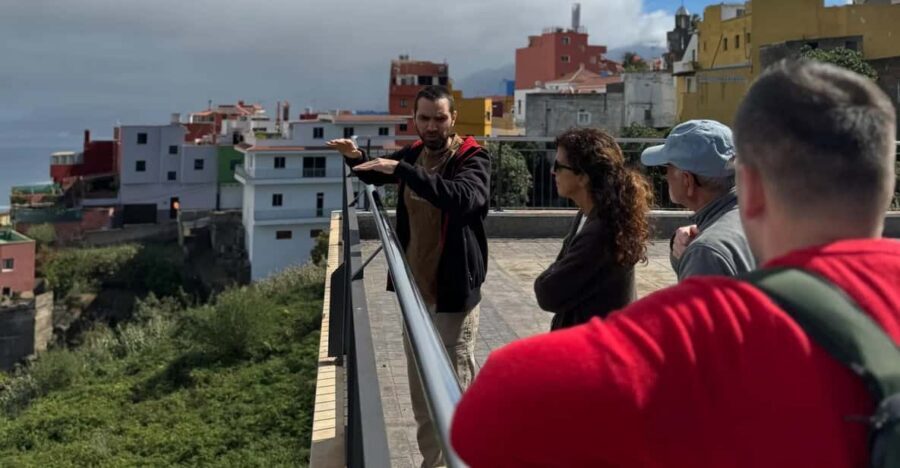
At $29 per person for a 2-hour guided walk with cultural history and a chance of seasonal tasting, this is mostly about value through focus. You’re paying for (1) expert-led context, (2) a specific local agricultural heritage story, and (3) a small-group format that keeps it interactive.
You’re also not spending a whole day on logistics. The time is short enough that it fits easily into a Tenerife itinerary—especially if you’re staying near Puerto de la Cruz or the Los Realejos area.
The best value comes from how the tour connects the dots. The walking route isn’t just exercise; it becomes part of the historical framework. The potatoes aren’t just a stop; they’re the thread tying together family cultivation and local food identity. That kind of structure is hard to get from a self-guided stroll.
If you hate crowds, this is another reason the price feels fair. A max of 8 people changes the vibe immediately—less noise, fewer interruptions, and more chances to ask what you’re seeing.
Getting There from Puerto de la Cruz and Icod de los Vinos
You can reach the starting area by car, or you can use bus line 354 from Puerto de la Cruz or Icod de los Vinos. That’s handy if you don’t want to drive.
Even if you’re comfortable with public transport, I’d still plan for extra time. You’re meeting at a specific church area in Icod el Alto, and you’ll want to arrive early enough to settle in before the walk begins.
If you’re coming with your own vehicle, keep in mind it’s an outdoor village start. You’ll be better off parking with walking time in mind than rushing and arriving flustered.
Who This Tour Is Best For (and Who Might Pass)
This works especially well if you want Tenerife beyond the obvious views. If you like food culture, small-scale agriculture, and places where history lives in everyday practices, you’ll probably enjoy this tour a lot.
It’s also a good fit for couples, small groups of friends, and anyone who likes a guide who can give practical local recommendations. Several visitors praised the tips shared for the rest of their Tenerife days, which is a real bonus when you’re trying to plan efficiently.
Who might want to choose something else? If you struggle with uneven ground, this may be tough. The tour is suitable for all ages, but it does require walking on uneven terrain. Also, if you’re not comfortable with outdoor weather changes, bring gear—this runs rain or shine unless conditions are severe.
The Best Way to Prep: Shoes, Weather Gear, and a Simple Mindset
Before you go, pack like you’re doing a short hike. Comfortable shoes are non-negotiable, and hiking shoes are recommended. Add a hat and sunscreen, and bring weather-appropriate clothing plus a jacket. The altitude around 500 meters can make conditions feel different than at sea level.
Also, go in with the right mindset: this is not a “stand and take photos” walk. You’ll get more out of it by paying attention to the plants, the farming setting, and the way the guide explains how traditions connect to agriculture.
If you’re hungry afterward, the guides’ local tips can help you find a solid place to eat. One review specifically mentioned being pointed toward a local restaurant for a great lunch experience.
Should You Book This Tenerife Potato and History Tour?
I’d book it if you want an easy-to-fit, small-group outing that connects Tenerife’s history to what people actually grow and eat. The Camino Real walk and the 29-variety colored potato heritage give you two strong anchors, and the sustainable farming focus adds meaning that outlasts the 2 hours.
I’d also book it if you enjoy guided context more than wandering alone. With a max of 8 participants and live English/Spanish guidance, you’re in a good position to ask questions and get practical Tenerife advice for the rest of your trip.
Pass or choose another option if you’re not comfortable with uneven ground walking or if outdoor weather stress ruins your travel days. This tour values being outside, so your preparation matters.
If you’re deciding right now, one more plus: it’s designed with flexibility in mind (free cancellation up to 24 hours in advance and reserve now, pay later). That makes it easier to fit into a changing itinerary.
FAQ
How long is the Tenerife: Canary History and Color Potatoes tour?
The tour lasts 2 hours.
Where does the tour start?
It starts under the flags of the Parroquia de Nuestra Señora del Buen Viaje in Icod el Alto (Los Realejos), at Camino el Dornajo calle, 38414 Icod el Alto, Santa Cruz de Tenerife, Spain.
How big is the group?
The group is limited to 8 participants.
What languages are the guides?
The live tour guide offers Spanish and English.
Do I need a car to get there?
You can arrive by car, or you can use bus line 354 from Puerto de la Cruz or Icod de los Vinos.
Is there potato tasting included?
Tasting different varieties of organic color potatoes is included, but it depends on season and availability.
What should I bring?
Bring comfortable shoes (hiking shoes are recommended), a hat, biodegradable sunscreen, a jacket or weather-appropriate clothing, and outdoor clothing.
Does the tour run in bad weather?
The tour operates rain or shine, but severe weather may lead to rescheduling.