REVIEW · TENERIFE
Tenerife: Abades Beach Beginner Diving Experience
Book on GetYourGuide →Operated by Zeus Dive Center · Bookable on GetYourGuide
There’s a special kind of calm in Abades’ protected water. This beginner-focused scuba + snorkel experience brings you face-to-face with fish on a sheltered reef, with max 2 people per instructor for real attention. The main thing to consider: it is not suitable for many medical conditions or for kids under 8.
What I like most is how structured it feels. You get your wetsuit and full gear on land, a proper safety talk, and then a short underwater session at a comfortable beginner depth (to 10 meters) before you switch to snorkel time on the beach.
If you’re hoping for an all-day adventure with lunch included, plan ahead. It’s a 3-hour program, and while there’s time to snack nearby, lunch is not included.
In This Review
- Key things you’ll notice right away
- Why Abades Beach is a smart start in Tenerife
- Gear pick-up and the 30-minute safety talk that makes it feel easy
- Your 40 minutes underwater: what you’re actually doing at 10 meters
- The calm reset: free time on Playa Abades
- Snorkeling afterward: a second chance to see fish
- Small-group coaching with instructors like Cindy and Ron
- Price and value: what $100 buys you, and what to budget
- Practical rules that keep the day safe (and enjoyable)
- Who should book, and who should skip it
- What to bring so the beach part doesn’t feel like a scramble
- Should you book this Abades beginner scuba and snorkel experience?
- FAQ
- What’s the duration of the Abades beginner scuba experience?
- Where does the activity take place?
- Do I need any prior scuba experience?
- What’s the maximum depth during the scuba session?
- Is snorkeling included or is it only optional?
- What’s included in the price?
- What’s not included?
- Does the tour offer hotel pickup?
- What do I need to bring with me?
- Are there medical forms or restrictions?
Key things you’ll notice right away
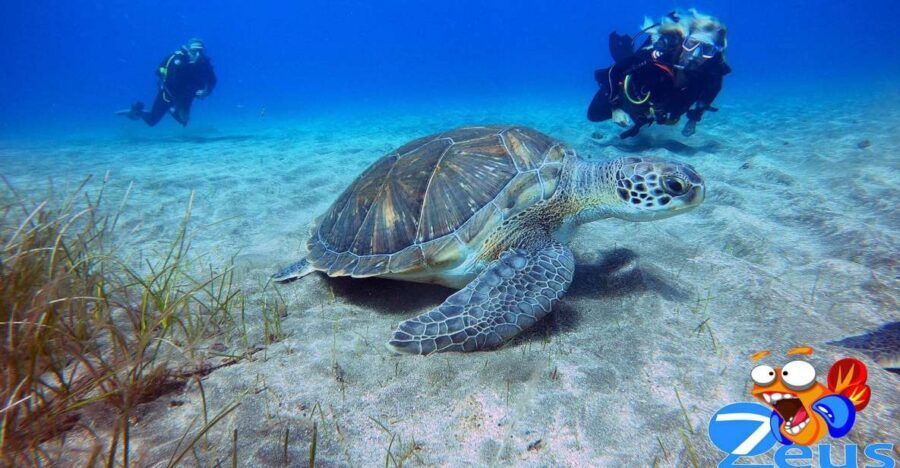
- Abades’ protected bay keeps conditions beginner-friendly and helps you see more
- 2-person max per instructor means slow explanations and hands-on coaching
- Equipment provided (wetsuit, mask, fins, scuba tank) plus insurance
- Scuba at up to 10 meters with a clear, controlled plan for first-timers
- Snorkeling time after the scuba session in the same area to keep your momentum
- Possible turtle and octopus sightings on the house reef, depending on luck and timing
Why Abades Beach is a smart start in Tenerife
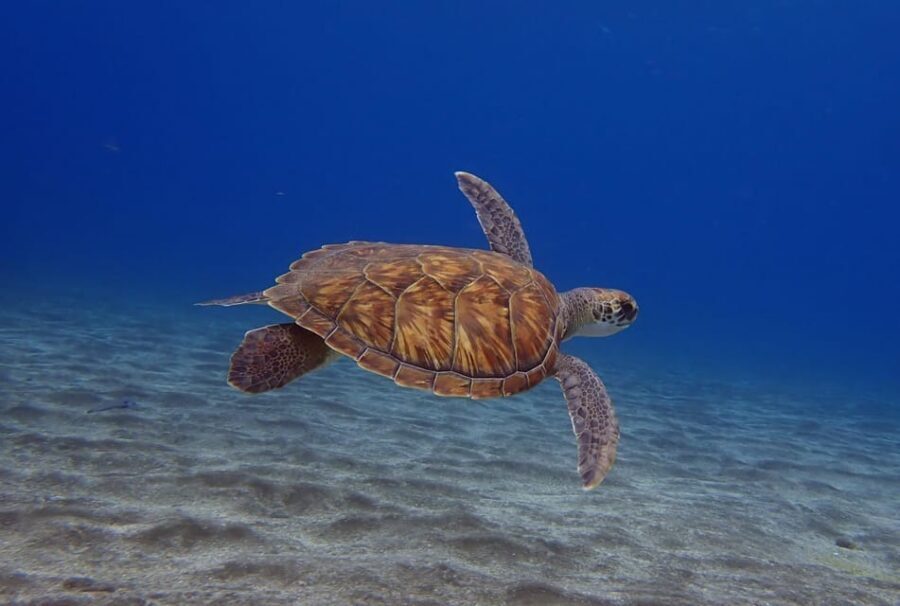
Abades is a working-choice for first-time scuba participants because it’s set up for learning. The big advantage is that you’re in a protected bay, which usually means less drama than open-coast sites. That matters when you’re learning how to breathe underwater and manage your buoyancy.
You’ll also be diving right near a local house reef. That’s a big deal for beginners because it reduces the pressure of searching far and wide. Instead of feeling rushed to find something, you can focus on the basics and enjoy what’s right there: fish close enough to really appreciate their colors and shapes.
Tenerife’s underwater life is what brings people back. In this area, you’re likely to see schools of fish with lots of variety, and the program also targets the kinds of encounters that make first-timers go quiet with surprise. The staff talk about the reef like it’s a living classroom, not just a photo stop.
You can also read our reviews of more tours and experiences in Tenerife.

Gear pick-up and the 30-minute safety talk that makes it feel easy
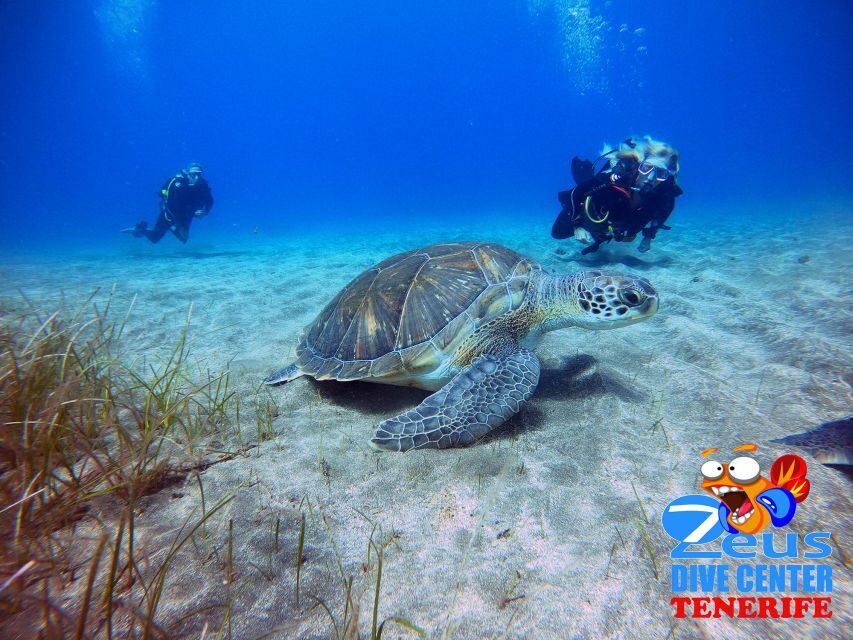
Before you get wet, the day starts with practical things done properly. You’ll be picked up in the south of Tenerife from one of several locations: Los Cristianos, Costa Adeje, Costa del Silencio, Abades, Acantilados de Los Gigantes, Candeleda, or Playa de las Américas.
When you arrive at the Abades center, you’ll get your wetsuit, mask, fins, and scuba tank. It’s not glamorous, but it’s important. A good fit reduces fogging, leaks, and that nagging feeling of needing to constantly adjust.
Then comes the part that sets the tone: a safety briefing (about 30 minutes). This is where you learn how to handle basic underwater needs in a calm way. If you feel nervous, this is usually the moment that turns that nervous energy into focus. One strong theme from the operator’s staff is patience—people get explanations at a pace that doesn’t leave you behind.
If you’ve never used scuba gear before, this is also where you should ask questions. The program is built for beginners, so don’t worry about sounding basic. Your confidence underwater is mostly built here, before you ever descend.
Your 40 minutes underwater: what you’re actually doing at 10 meters
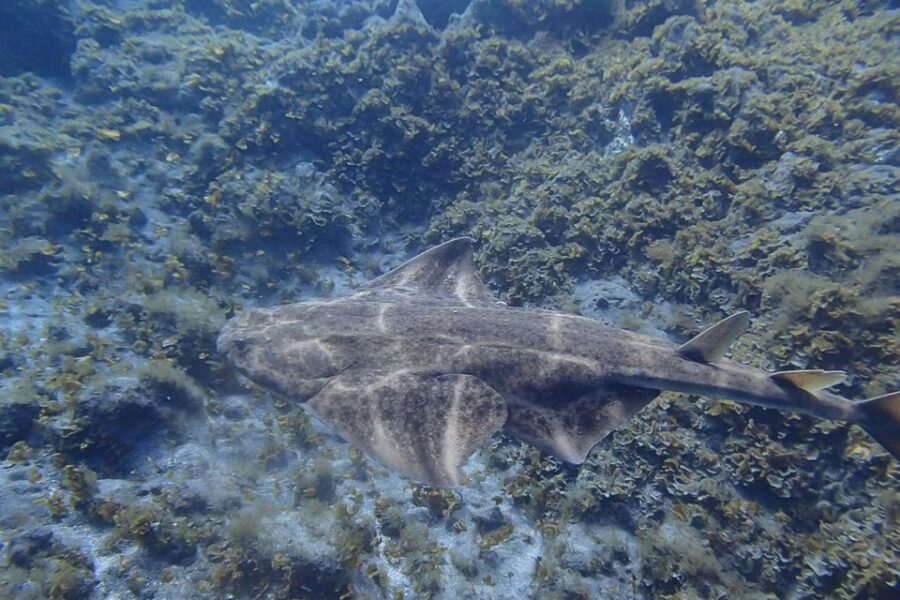
The highlight is the controlled scuba session—about 40 minutes in the water at a maximum depth of 10 meters. That depth is chosen for comfort and learning. It’s enough to feel like you’ve left the surface behind, but it’s not so far that you’re fighting cold or panic.
Here’s the sensation the team prepares you for: breathing underwater and the feeling of being weightless once you’re set and descending. If you’ve never tried scuba, the first moments can feel strange. The coaching helps you get through that learning curve quickly, so you can spend your attention on what you see.
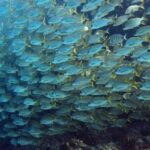
You’ll follow the plan in the protected bay and explore the house reef, where marine life is likely to be more consistent. The program targets encounters like a sleeping octopus, plus schools of colorful fish that can swim close as you move slowly.
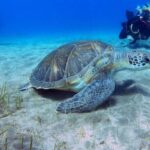
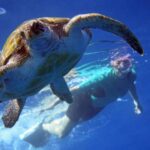
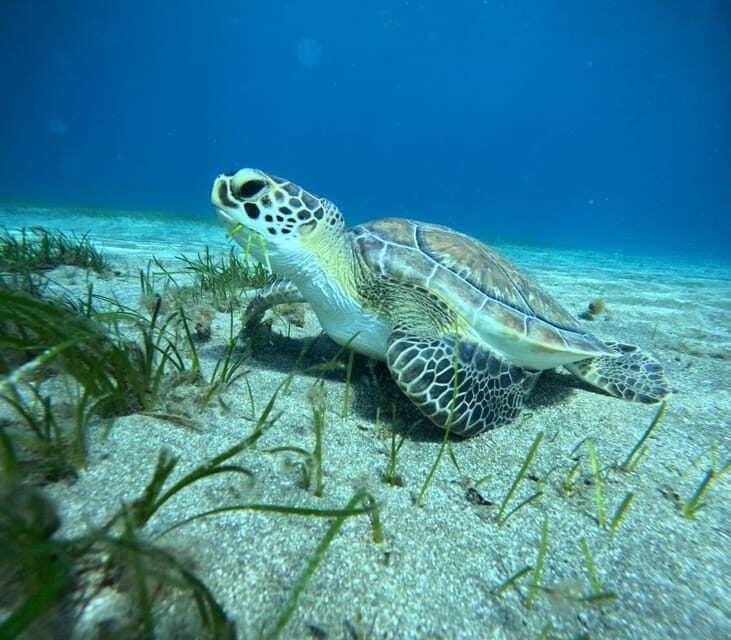
And then, if you’re lucky, the area can deliver the kind of surprise that makes people want to book again. The program notes possible sightings of a seahorse, and there’s a real chance of coming face-to-face with a turtle—the kind of moment that turns your “first time” story into a lasting memory.
Even if you don’t see every animal mentioned, the session is still valuable. The point isn’t a checklist of species. It’s getting comfortable enough to notice details: how the fish behave around you, how you control your position, and how quiet the water feels once you settle.
The calm reset: free time on Playa Abades
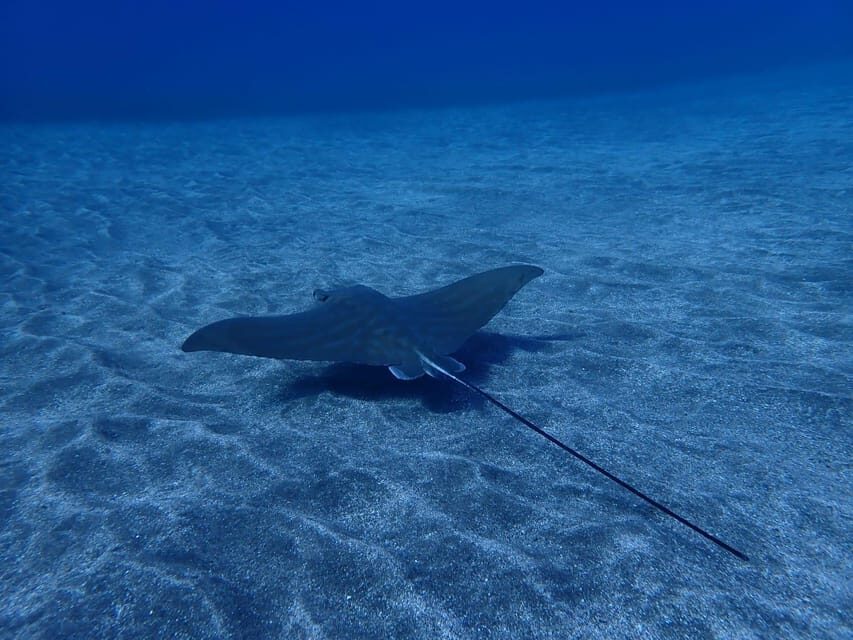
After the scuba portion, there’s about 30 minutes of free time on the beach. This is not filler. It gives you a mental reset after concentrating underwater.
Use this time to warm up and rehydrate. Bring your towel and beachwear so you can switch comfortably back to shore life. If you’re someone who gets chilly after water activities, this break is especially helpful.
It’s also the easiest part of the day to manage your expectations. You’ve done the hard part (learning the basics underwater). Now you can enjoy the area without worrying about technique.
And since you’ll be in a beach town, this is also your window to plan food nearby. One of the listed highlights is grabbing a typical Spanish lunch or a hamburger on a terrace in the square, but remember: lunch isn’t included in the price.
Snorkeling afterward: a second chance to see fish
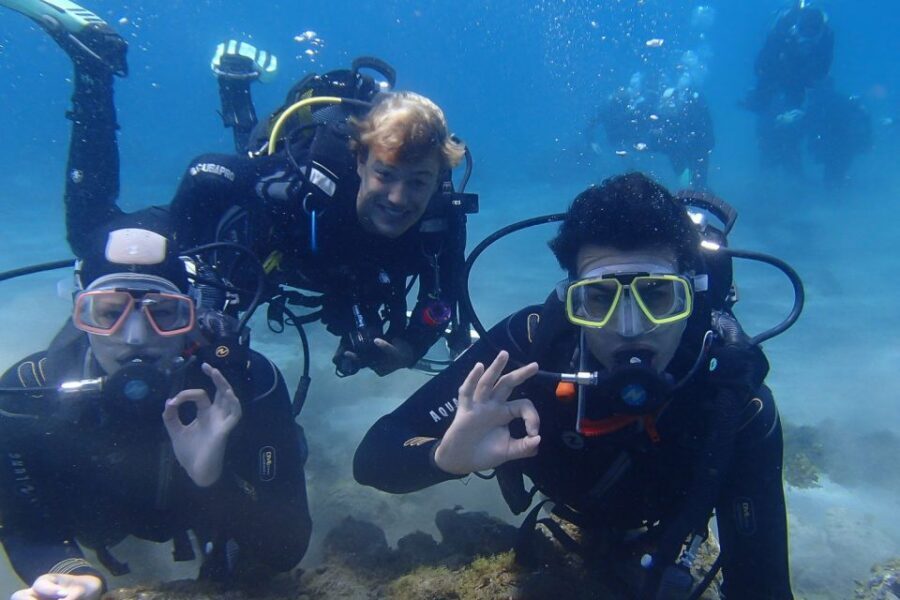
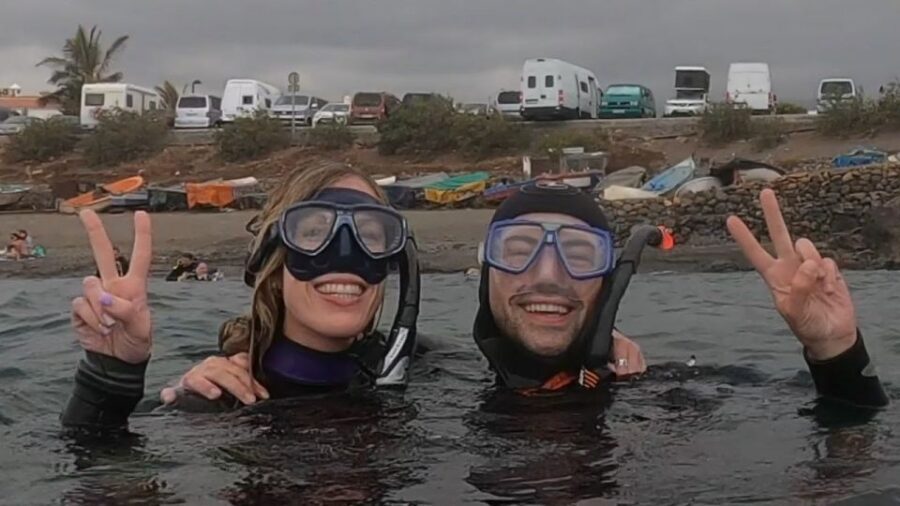
Next up is snorkeling (about 30 minutes) in the same Abades area. This is where you can relax your brain a bit. Since you won’t be managing scuba gear at that point, you can focus purely on watching life in the shallows.
Snorkeling also helps you connect dots. After learning underwater breathing and buoyancy, you come back to the surface and realize how different the view is. Fish that felt “far away” underwater can feel closer at the surface, and you may spot details you missed before.
Some people also report that the team is willing to help with snorkeling setup beyond the basics—like lending or adjusting snorkeling equipment and pointing out where to look for more fish. If that happens for you, it can make the snorkel time feel more rewarding than just a quick add-on.
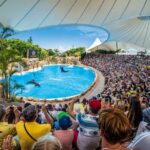



Small-group coaching with instructors like Cindy and Ron
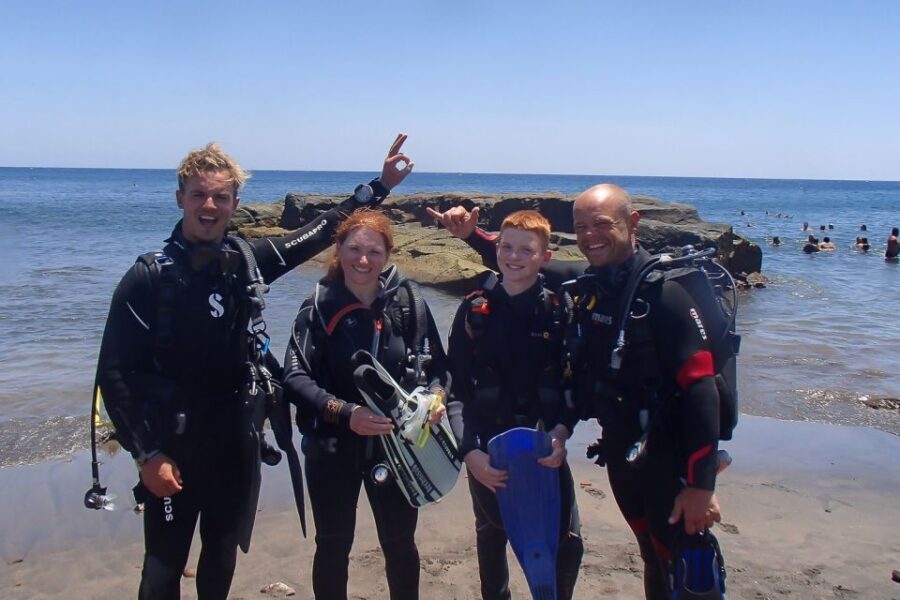
The operator’s biggest strength is human: the way they keep the group small and the instruction personal. The key detail is maximum 2 participants per instructor. That ratio matters because you don’t have to wait your turn to get help.
In the feedback you’ll see recurring praise for staff members. People name Cindy as kind, helpful, and patient, and they describe instructors who adjust to their pace when something feels confusing. Another name that comes up is Ron, praised for teaching step by step and making first-time scuba feel safe and fun.
You might also meet other team members like Richie and Dany, depending on the day. The common thread is a calm approach to instruction: safety rules explained without turning it into a lecture.
This coaching style is especially important in the first session underwater. If you’re tense, you’ll breathe faster. If you breathe faster, it can mess with buoyancy and comfort. A patient instructor helps you correct the moment before it becomes a problem—so you can enjoy the reef.
Price and value: what $100 buys you, and what to budget
At around $100 per person for a 3-hour experience, the value comes from what’s included, not just the activity itself. Your package includes:
- dive gear for the scuba session (wetsuit, mask, fins, tank)
- an instructor
- insurance
- online registration support
- pickup and drop-off service from the south of Tenerife
- drinking water
That pickup piece is underrated value. Getting to and from the Abades area is often half the hassle when you’re on a tight itinerary. Here, the service is part of the deal.
What’s not included:
- lunch
- underwater pictures
- and there’s a 20 EUR option for people who want to stay on the boat
So if you want photos, plan for that extra cost. If you want a relaxed meal after, you’ll pay for it separately—though there are plenty of terraces nearby, which is usually convenient when you’re done for the day.
Overall, this price makes sense if you want a beginner-friendly setup with strong attention and transportation. If you’re traveling independently and already have gear and transport covered, it might feel pricier. But for first-timers, the coaching and hassle-free logistics are exactly what you’re paying for.
Practical rules that keep the day safe (and enjoyable)
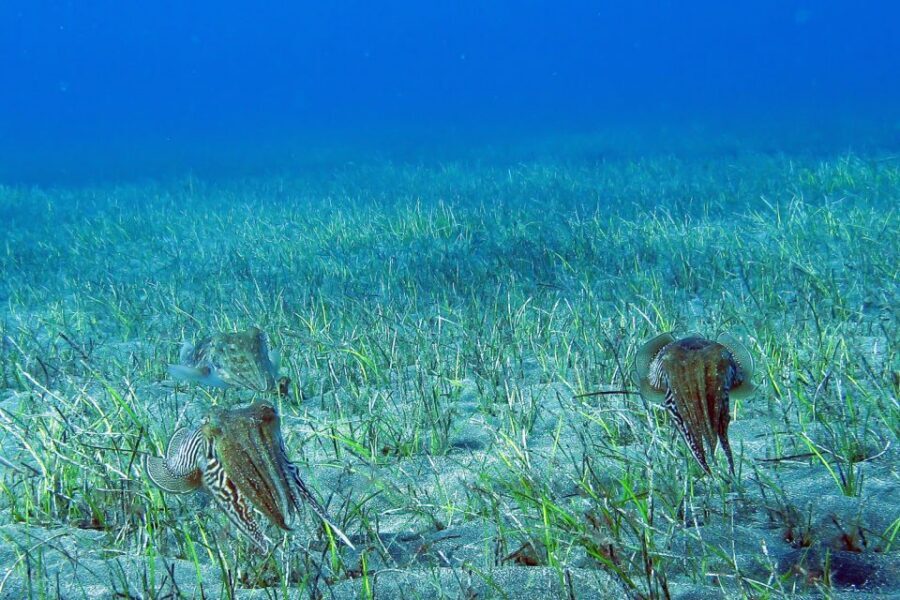
This is one of those activities where rules aren’t there to be annoying. They protect you, the water, and the experience for everyone.
The program notes you should not:
- fish
- feed animals
- touch marine life
- bring alcohol or drugs
It also says food and drinks are not allowed in the vehicle. That’s worth remembering if you’re coming from breakfast and want to snack—plan snacks before you board or save them for after.
Before you go in the water, you’ll complete a medical form at the dive center. If you use medication or have any medical condition, you’re expected to provide official medical clearance before the activity. This is serious stuff, so treat it like part of the cost of doing it safely.
Finally, keep in mind the “not allowed” list is basically a reminder: you’ll be an observer. That’s a better mindset underwater anyway. You’ll enjoy the animals more when you’re not trying to handle them.
Who should book, and who should skip it
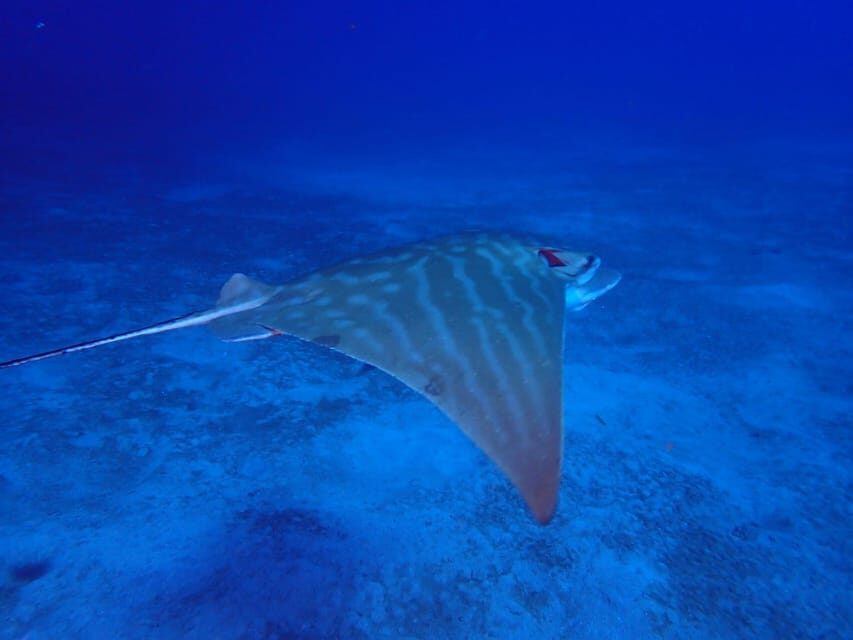
This experience is designed for beginners. That means you don’t need previous scuba experience. The structure and the coaching are aimed at first-timers learning the basics and seeing the reef without pressure.
It’s not suitable for:
- children under 8
- pregnant women
- wheelchair users
- people with heart problems
- people with respiratory issues
- people with epilepsy
- people with diabetes
- people with pre-existing medical conditions
- people with high blood pressure
- people with recent surgeries
- people with low level of fitness
If you’re in any of those categories, skip this one and ask operators about a different kind of water activity that fits your situation. The safety screening is there for a reason.
If you’re traveling with family or friends, the small-group format makes it easier to relax. Even with multiple people on the day, the instructor-to-student attention stays high, which helps the learning curve.
What to bring so the beach part doesn’t feel like a scramble
The essentials are simple:
- towel
- beachwear
- credit card
- cash
You’ll also want comfortable flip-flops or sandals for walking on and off the beach area. Having your own towel saves time and makes the free-time reset more comfortable.
If you tend to get cold after water activities, consider a light layer for the transition back to dry land. The program provides water, but the rest is on you.
Should you book this Abades beginner scuba and snorkel experience?
I’d book it if you want a beginner setup that’s not chaotic. The protected bay, the max 2-per-instructor coaching, and the short, well-managed underwater session at 10 meters are exactly what first-timers need.
I’d also book it if you like the idea of seeing marine life twice: once during scuba and again during snorkel time. That structure makes the whole 3 hours feel balanced, not rushed.
I’d pause and check the safety-fit first if you have any medical conditions or uncertainty around medication and clearance. This program takes that part seriously, and it’s better to be honest before you arrive.
If you’re ready for a straightforward, beginner-friendly water experience in Tenerife with real personal attention, this one is a strong choice.
FAQ
What’s the duration of the Abades beginner scuba experience?
It runs for about 3 hours total.
Where does the activity take place?
It’s based at Playa Abades in Tenerife, Canary Islands.
Do I need any prior scuba experience?
No previous experience is needed for this beginner experience.
What’s the maximum depth during the scuba session?
The scuba session goes to a maximum depth of 10 meters.
Is snorkeling included or is it only optional?
Snorkeling is included, with about 30 minutes of free snorkeling time.
What’s included in the price?
Gear for the scuba session, insurance, online registration, an instructor, pickup and drop-off from the south of Tenerife, and drinking water are included.
What’s not included?
Lunch and underwater pictures are not included. There is also an additional 20 EUR option for people who wish to stay on the boat.
Does the tour offer hotel pickup?
Yes. Pickup and drop-off are available from multiple south Tenerife locations.
What do I need to bring with me?
Bring a towel, beachwear, a credit card, and cash.
Are there medical forms or restrictions?
Yes. You must fill out a medical form at the dive center. If you take medication or have a medical condition, you must provide official medical clearance before participating.