REVIEW · TEIDE STARGAZING & SUNSET
Stargazing on La Palma
Book on Viator →Operated by NAUTIC STARS La Palma · Bookable on Viator
Saturn in your eyepiece beats any app. This private stargazing session on La Palma pairs expert advice on the best viewing spots with a guide who keeps the night sky easy to follow. You’ll get real context on what you’re seeing, from planets and star clusters to galaxies and the Milky Way, plus the kind of calm, hands-on pacing that makes beginners feel comfortable fast.
What I love most is the private guide just for your group, which means questions don’t get lost in the dark. I also like that you’re not just looking through a telescope and walking away; the experience includes astrophotography time and the guide often sends photos you can keep. One consideration: this is a night-sky plan, so you’ll need decent weather, and you’re not included with private transportation to the meeting point.
In This Review
- Key highlights you’ll care about
- Private Pro Telescope Sessions from Mirador de la Cancelita (8:00 pm)
- What You’ll See: Planets, Star Clusters, Galaxies, and the Milky Way
- Andreas’s Sky Stories and How Constellations Click
- Astrophotography Time: How the Night Gets Saved as More Than a Memory
- Weather, Timing, and the Telescope Reality Check
- Getting There: The Mirador Stop on La Palma (and Transport Not Included)
- Value at $50.46 for a 2-Hour Private Night
- Should You Book Stargazing on La Palma?
- FAQ
- Where does the tour start?
- What time does the stargazing start?
- How long is the experience?
- Is this a private tour?
- Is a telescope included?
- Is private transportation included?
- What languages is the tour offered in?
- Do I need good weather for this to run?
- Are service animals allowed?
- What happens after I book—when do I get confirmation?
Key highlights you’ll care about
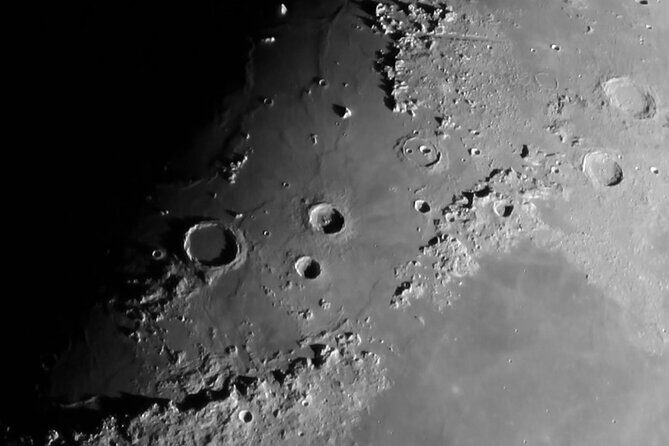
- Pro telescope viewing of planets, star clusters, galaxies, and the Milky Way
- Private guide for your group, with time for questions and a smaller feel
- Constellation walkthroughs plus stories about how people navigated the sky
- Astrophotography included, with guidance during the session
- Photo keepsakes sent after the night in many cases
- Meet at Mirador de la Cancelita in El Paso for an easy start to a 2-hour block
Private Pro Telescope Sessions from Mirador de la Cancelita (8:00 pm)
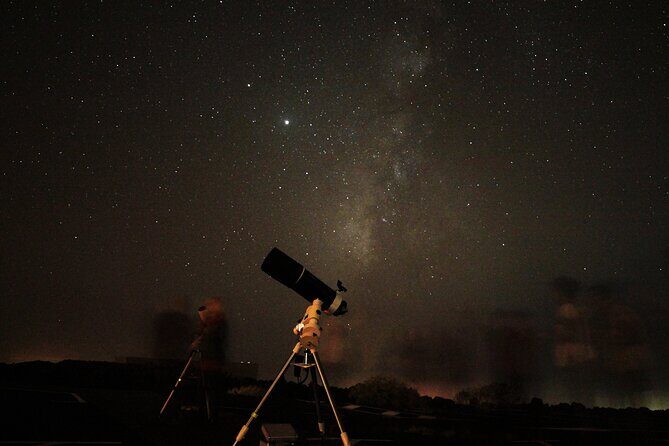
The whole setup is built around one simple idea: you don’t just want stars in general, you want specific ones. The meeting point is Mirador de la Cancelita, Mirador de la Cancelita 10, 38758 El Paso, Santa Cruz de Tenerife, Spain, and the tour starts at 8:00 pm for about 2 hours. You finish back at the same place, so you’re not dealing with night transfers or complicated logistics after dark.
Since this is private, you’re not squeezed into a crowd. You get that useful kind of attention where the guide can adjust to your pace—slow down for questions, speed up when your eyes are ready, and point out what changes as the sky rotates. In at least one small group experience, there were around five people, and the guide still managed to create space to talk and connect a bit, not just fire off facts.
You also get to use a telescope rather than relying on your phone. That’s the difference between seeing dots and actually recognizing detail—especially when you’re hunting planets like Saturn. It’s one thing to read about the night sky. It’s another to watch the guide help you line up what’s worth your attention and then let you look for yourself.
You can also read our reviews of more tours and experiences in Tenerife.
What You’ll See: Planets, Star Clusters, Galaxies, and the Milky Way
The promised viewing list is broad, which is exactly what you want on your first or second stargazing trip. The experience focuses on planets, star clusters, galaxies, and the Milky Way, with the guide using the telescope to show you objects instead of only naming them.
Here’s what that tends to mean in real terms:
- Planets: You can expect at least some planetary time when conditions cooperate. Saturn is specifically mentioned in feedback, and that makes sense—Saturn is bright enough to be a crowd-pleaser and it’s a classic target for telescope viewing.
- Star clusters: These are perfect for learning how to read the sky. Clusters look different from single stars, and when you see the group structure through the telescope, the “pattern” idea finally clicks.
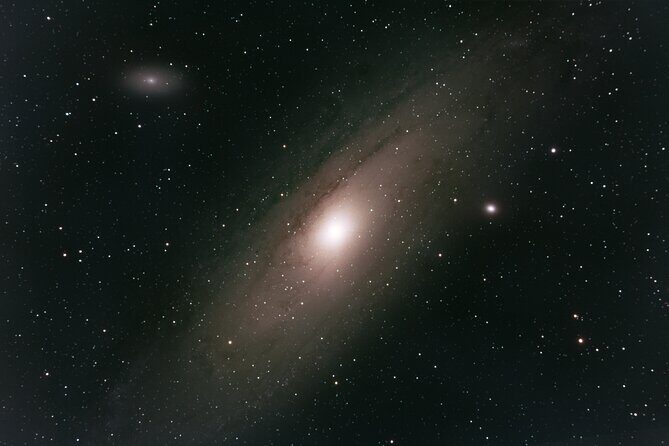
- Galaxies: Galaxies are faint. That’s why a good guide matters. They help you find the right region and they’ll explain what you’re looking at so you’re not left wondering whether you’re seeing the object or just noise.
- Milky Way: The Milky Way is the big emotional payoff. The guide will help you connect what you see to the idea of where Earth sits inside the galaxy, which makes the whole scene feel more personal.
The guide also provides description of constellations and night-sky objects, so even if you’re not a star map person, you’ll leave with a mental map. And the commentary isn’t just “this is that.” It includes how the objects connect, and that helps you keep looking after the tour ends.
Andreas’s Sky Stories and How Constellations Click
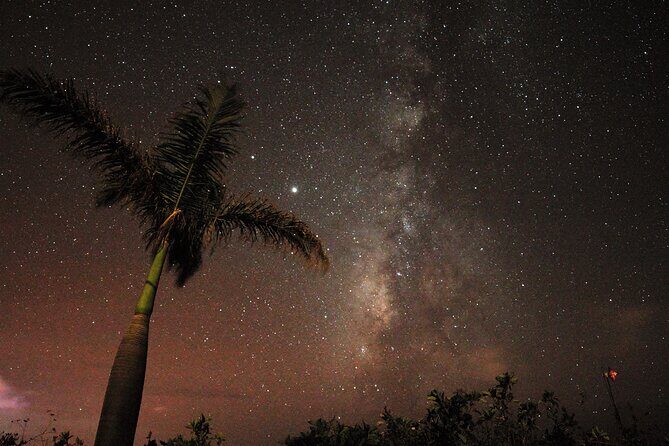
Your guide for this experience is Andreas (NAUTIC STARS La Palma). The reviews paint a picture of a guide who is friendly and patient, not the type to rush you or talk only at you. That matters because stargazing requires two skills: your eyes need time, and your questions need room.
One big thing I’d plan around is that the explanations don’t stop at astronomy. Andreas shares how people around the world—and across history—have used the night sky to navigate. That kind of storytelling makes constellations feel less like random dots and more like shared human knowledge.
He’s also described as able to speak multiple languages, including English, German, and Spanish. That’s a real plus if your group has mixed comfort levels. Even if you’re choosing English, it usually means he can simplify the message without losing the fun.
In smaller groups, you often get better interaction. A small group size (for example, five people) can mean you spend more time asking for clarifications and comparing what you see with what’s being pointed out. That’s the difference between leaving with a few names and leaving with understanding.
Astrophotography Time: How the Night Gets Saved as More Than a Memory
This experience isn’t just visual. It includes astrophotography as part of what you do during the session. That means you’re not limited to looking through the telescope and calling it a win. You get guidance on photographing the night sky, or at least enough instruction to make your phone or camera attempts more purposeful.
One of the most practical perks in the feedback: Andreas often sends photos afterward—sometimes including personal photos of you as part of the memory. If you’ve ever tried to take a night-sky selfie and ended up with a blurry face and a dark screen, this matters. Having a professional result you can keep turns the experience from a one-time event into something you can share and remember later.
A realistic expectation: astrophotography still depends on the sky. If clouds or haze show up, you’ll probably do more “visual astronomy” than “capture everything.” But when the sky cooperates, you get to combine learning with a few tangible keepsakes.
My take: even if you’re not a photographer, this adds value. It gives you a reason to pay attention to the timing and positioning of objects instead of only staring. And if you do want to try long-exposure shots later, you’ll know what’s possible and what basics to aim for.
Weather, Timing, and the Telescope Reality Check
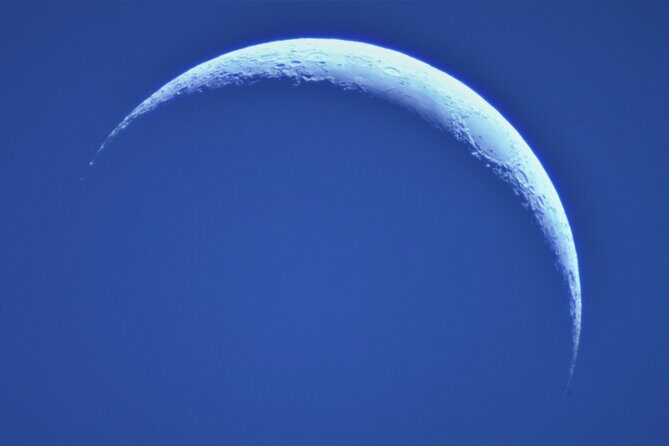
This is one of those activities where good weather isn’t optional. The experience requires good weather, and if it’s canceled due to poor conditions, you’re offered a different date or a full refund. That’s the right approach for astronomy, because clouds can erase the whole plan in minutes.
You can also think about timing. Starting at 8:00 pm is a strong window for many nights on La Palma, but darkness still affects what’s easiest to see. The guide’s job is to match the observing sequence to what the sky is doing. Early on, you’ll likely get brighter targets and a guided orientation. Later, as the sky settles and your eyes adjust, you move toward fainter objects like clusters and galaxies.
A simple consideration for your comfort: telescopes mean you’ll stand around while waiting for your eyes to adjust and while objects rotate into the best position. Bring something warm enough for nighttime viewing. Even in a mild climate, being still in the dark can chill you.
Also, you’ll get more out of the session if you arrive ready to look. For this kind of tour, your best “bring” is patience. Your eyes are the real equipment, and the guide is there to help you use them.
Getting There: The Mirador Stop on La Palma (and Transport Not Included)
The meeting point is clearly listed, and it’s a viewpoint: Mirador de la Cancelita in El Paso. The tour ends back at that same spot. That’s good. It means you can plan a simple evening without a second logistics puzzle.
The one travel snag: private transportation is not included. So you’ll need to handle your own ride to the meeting point. If you’re staying in El Paso or nearby, you might find it straightforward. If you’re coming from farther away, plan ahead for a night drive or arrange a daytime pickup and then use local options as needed.
The other practical perk is the access. Most travelers can participate, and service animals are allowed, which is helpful information if your group has specific needs.
What I’d do before you go: check the route to the mirador in daylight if you’re not used to the area. Viewpoints can be easy to miss in the dark, and stargazing tours are easier when you show up relaxed, not stressed.
Value at $50.46 for a 2-Hour Private Night
At $50.46 per person (for about 2 hours), this is not a bargain-basement “stand and look” event. But it also isn’t priced like a once-a-year luxury trip. The value comes from what’s bundled:
- A private guide for your group
- Telescope time with a professional setup
- Guided explanations that teach you what you’re seeing
- Astrophotography as part of the activity
- Photos afterward in many cases (based on feedback)
Think of it as a learning experience plus equipment time. You’re paying for someone to put the right objects in front of you and help you understand them, not just to point generally upward.
Also, the private format helps your money go further. With one guide, your group doesn’t compete for attention. You don’t lose time to crowd management. In a small setting, the guide can correct how you’re locating an object, and that is what turns stargazing from guessing into a real “oh, I see it” moment.
If you want a night that feels interactive—more classroom meets planet-viewing than museum-meets-night—this price structure makes sense.
Should You Book Stargazing on La Palma?
Book it if you want a night sky experience that’s active, guided, and built around real telescope viewing. It’s a smart choice for first-timers because the guide explains constellations and objects in a way that helps you connect patterns to meaning. It’s also a good pick if you’ve been stargazing before, because telescope time and guided astrophotography can still improve your results.
Skip or rethink if you know you’ll struggle with weather uncertainty. This tour depends on the sky, and even a great guide can’t magic clear darkness out of cloud cover. Also consider the fact that transportation isn’t included, so make sure you can comfortably reach Mirador de la Cancelita for an 8:00 pm start.
If you’re trying to decide between a casual look-up and a real guided session, this one leans toward the real one—help you see planets like Saturn, understand the Milky Way, and leave with photos you can keep.
FAQ
Where does the tour start?
It starts at Mirador de la Cancelita, Mirador de la Cancelita 10, 38758 El Paso, Santa Cruz de Tenerife, Spain.
What time does the stargazing start?
The start time is 8:00 pm.
How long is the experience?
It lasts about 2 hours.
Is this a private tour?
Yes. It’s a private tour/activity, and only your group participates.
Is a telescope included?
Yes. A telescope is included.
Is private transportation included?
No. Private transportation is not included.
What languages is the tour offered in?
It’s offered in English.
Do I need good weather for this to run?
Yes. It requires good weather. If canceled due to poor weather, you’ll be offered a different date or a full refund.
Are service animals allowed?
Yes, service animals are allowed.
What happens after I book—when do I get confirmation?
You receive confirmation at the time of booking, unless you book within 10 hours of travel. In that case, confirmation is received as soon as possible, subject to availability.