REVIEW · SCUBA DIVING
South of Tenerife : DSD Scuba Diving for beginners, Adeje
Book on Viator →Operated by One Two Dive · Bookable on Viator
Your first breath underwater can feel unreal. In Costa Adeje, this beginner DSD scuba course runs about 3 hours and teaches you the basics step-by-step, so you can focus on enjoying Tenerife’s fish and calm skills practice. You start on land with theory and gear breakdown, then move to shallow water for your first regulator breathing and buoyancy control. After that, you go down to 12 meters to spot marine life.
Two things I really like: the instructors are patient and practical (I’ve seen names like Juan, Ellina, Zoey, plus Kris and Mitch credited for calm coaching), and the format is built for first-timers with a clear theory-then-water progression. One thing to consider: the activity needs good weather, so plans can shift if conditions aren’t right.
Key points if you’re choosing this course
- Small group size (max 6) helps you get more personal attention.
- Two-stage training flow: classroom basics first, then shallow-water skill practice.
- Real skill goals: regulator breathing and using the buoyancy compensator before going deeper.
- You can reach up to 12 meters, so it’s more than a quick splash-and-go.
- Equipment, air-conditioned transport, and scuba insurance are included for a smoother day.
- No photos included, so if you want keepsakes, plan on taking your own.
In This Review
- Costa Adeje Start Time: What the Morning Looks Like
- The 3-Hour Plan: Theory, Shallow Skills, Then Marine Life
- Beach Classroom Basics: How the Gear and Exercises Get Made Simple
- Shallow-Water Skills That Matter: Regulator Breathing and Buoyancy Control
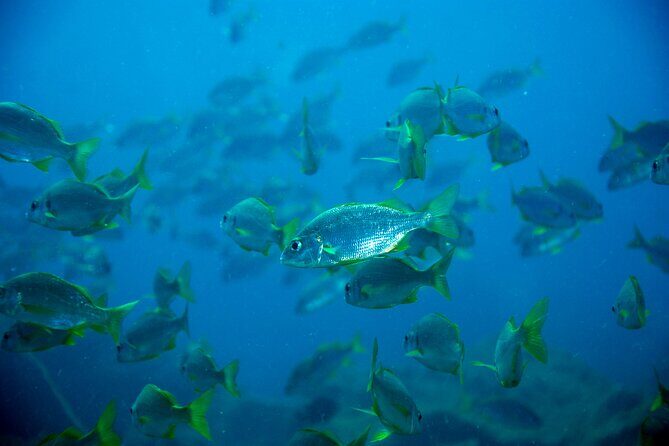
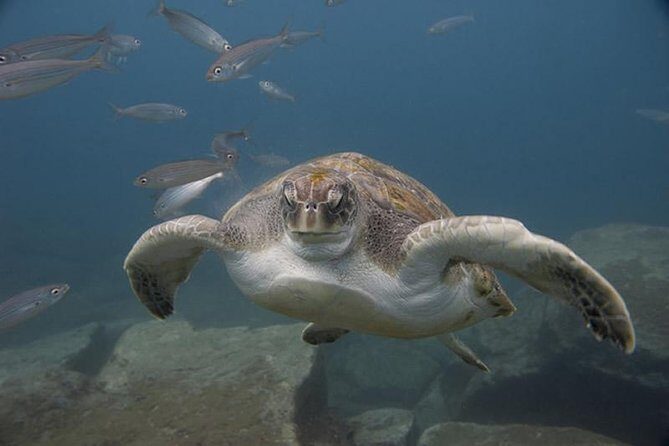
- Up to 12 Meters: Seeing Tenerife’s Marine Life With Confidence
- Small Group Size and Instructor Care: Why This Feels Personal
- Price and Value: What $102.13 Buys You (and What It Doesn’t)
- Getting the Most Out of Your First Scuba Course
- Who Should Book This in Tenerife?
- Should You Book This Beginner Scuba Course?
- FAQ
- How long is the beginner scuba course in Adeje?
- What’s the price per person?
- Is pickup available from nearby hotels?
- What language is the experience offered in?
- Do I get scuba equipment and insurance?
- How deep do you go during the course?
- Are pictures included?
- What happens if the weather is poor?
Costa Adeje Start Time: What the Morning Looks Like
This course is scheduled to start at 8:45 am, with a meeting point inside Hotel GF Isabel (Av. de Moscú, 2, Costa Adeje). If your hotel is nearby, you’ll likely meet there; if you’re picked up, the pickup time depends on your lodging and the day’s schedule. After you book, you’ll need to contact the operator to set up pickup timing.
Why the early start matters: you’ll beat the worst crowds and usually get steadier water conditions. It also keeps the day moving without eating your whole afternoon. The group is capped at 6 travelers, which makes the session feel structured rather than rushed.
You’ll have a mobile ticket, and the team runs the experience in English, which helps a lot if you’re nervous about technical explanations. Confirmation comes at the time of booking, so you’re not left guessing.
The 3-Hour Plan: Theory, Shallow Skills, Then Marine Life
The course is designed as two parts, then a final underwater session for exploring marine fauna. Even if you’ve never done scuba before, the day is built around getting you confident in small steps.
Here’s what the timeline aims to deliver:
1) Beach theory class
You meet at the beach for a structured explanation of what you’ll do and how the gear works. This is where you learn the steps you’ll follow, the main parts of the equipment, and the exercises you’ll practice once you’re in the water.
2) Shallow-water practice
This is where the course becomes real. You experience breathing through the regulator for the first time, then you learn to maneuver using the buoyancy compensator. The goal is simple: get your balance and your control before you go to greater depth.
3) Underwater exploration (up to 12 meters)
Once you’re comfortable, you head into deeper water (up to 12 meters) to look for marine life. This is the payoff: you’re not just learning how to function underwater—you’re also learning to enjoy what’s around you.
That progression is the big value. Many first-timer experiences either jump straight into the water or focus only on sightseeing. This one teaches control first, then uses that control to let you actually look around.
You can also read our reviews of more scuba diving tours in Tenerife
Beach Classroom Basics: How the Gear and Exercises Get Made Simple
The beach theory portion is short, but it’s not vague. You’re there to understand:
- the steps you’ll follow during the session
- what each piece of equipment does
- what underwater exercises you’ll be asked to practice
If you’re the type who feels anxious until you know the plan, this section helps you get your bearings fast. It also prevents a common first-timer problem: flailing because you don’t know what you’re supposed to be doing with your hands, your breathing, or your position in the water.
I especially like that they set expectations for the exercises before you do them. That means when you hit the shallow area, you’re not starting from zero. You’re building on what was explained.
Shallow-Water Skills That Matter: Regulator Breathing and Buoyancy Control
The shallow-water part is the make-or-break section for many beginners, and it’s also where the best instruction shows.
This is the moment you:
- breathe through the regulator for the first time
- learn to maneuver with the buoyancy compensator
- practice earlier exercises in a controlled setting
What you’ll feel (and what you should plan for)
First breathing underwater can be strange. Your body wants to hold its breath. Your lungs may feel like they’re doing something new. The instructor coaching is what turns that stress into routine.
Also, buoyancy control can be tricky at first. If you find yourself drifting up or sinking, that’s normal. The course is built for repeating basics until you can stay calmer and more level.
In real sessions, instructors like Juan, Ellina, Zoey, and others are mentioned for being patient and keeping first-timers relaxed. That matters because your comfort affects everything: breathing rhythm, stability, and how much you enjoy looking at marine life later.
Up to 12 Meters: Seeing Tenerife’s Marine Life With Confidence
After you show you can manage the basics, the group goes down to a maximum depth of 12 meters. This is where you switch mental gears from skills to viewing.
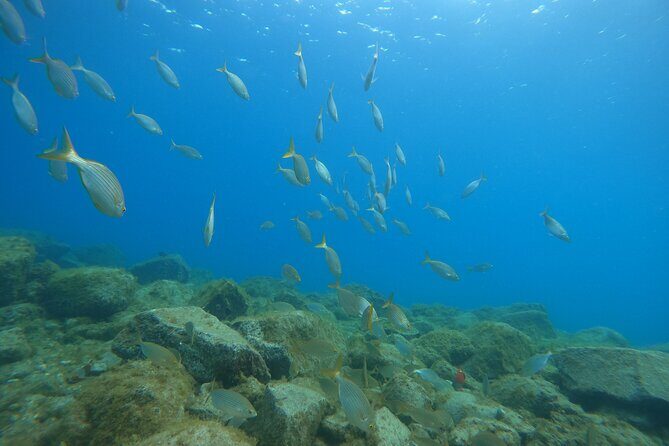
You’re looking for marine fauna, and the course is timed so you still have energy and attention for what’s around you. Many first-timers are surprised by how fast you start noticing details—colors, shapes, and movement—once you’re no longer focused on panic control.
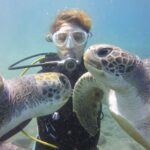
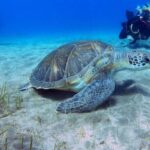
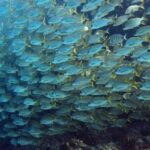
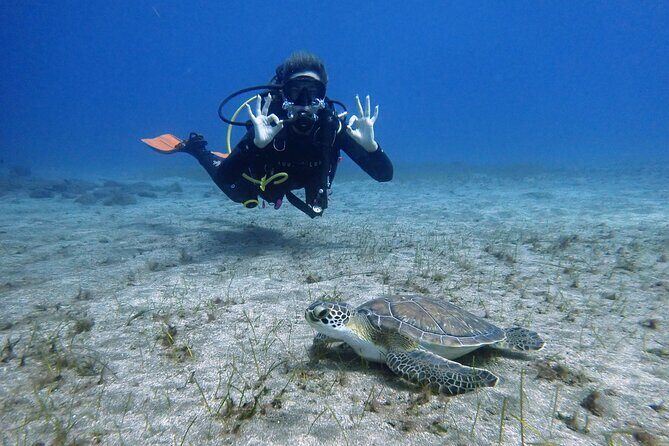
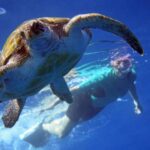
If you’re curious about what you might see, some highlights from similar beginner experiences in the same region include colorful fish, sting rays resting in the sand, and even sea turtles. You can’t guarantee any specific animal on any day, but the training goal is to get you calm enough to actually spot what’s there.
A practical mindset: go in expecting fish and surprise encounters, but focus on your own buoyancy and awareness first. When you’re stable, spotting wildlife becomes easier.
Small Group Size and Instructor Care: Why This Feels Personal
With a maximum of 6 travelers, you’re not treated like a number. You can ask questions without shouting over a crowd, and instructors can correct common beginner issues one person at a time.
The names that come up in successful beginner outcomes are Juan, Ellina, Zoey, Kris, Mitch, Aleks, and instructors connected with family groups like Muslim/Mouslim. Different instructors can have different teaching styles, but the thread is the same: calm guidance, clear drills, and confidence-building.
One detail I think you’ll appreciate: the course includes patience for different learning speeds. Some people pick up balance quickly; others need extra time with drills. This setup gives instructors room to slow down.

Price and Value: What $102.13 Buys You (and What It Doesn’t)
The price is $102.13 per person, and the included items make a real difference for first-timers:
Included:
- Use of scuba equipment
- Air-conditioned vehicle
- Diving insurance (you’ll be covered for the scuba activity)
Not included:
- Pictures
So the value equation looks like this: you’re paying for instruction, equipment, and safety coverage, plus transport. The one extra cost you might consider is photos, if you want them. Because pictures aren’t included, bring your own camera mindset (and your phone in a protective case, if that’s your plan).
Also, the group cap helps with perceived value. You can often feel the difference between “in a big crowd” and “small group with attention,” especially when you’re learning something physical and technical.
Getting the Most Out of Your First Scuba Course
You’ll get the best day if you treat this like a skills class with a scenic payoff.
A few practical tips that fit the structure they teach:
- Arrive with a clear head. You’ll do best if you can listen and follow steps on land.
- Go into the shallow-water skills with patience. Balance and buoyancy often take a few tries.
- Wear what you can move comfortably in. You’ll be practicing and adjusting gear.
- If you’re nervous, tell the instructor early. The course is built for beginners, and good coaching starts with honest communication.
- Expect that conditions matter. The experience requires good weather, and the team will adjust if conditions are not suitable.
If you’re going with a child or family member, this format also makes sense. The training is staged, and instructors tend to focus on reassurance and step-by-step progress—exactly what kids (and first-timers) need.
Who Should Book This in Tenerife?
This course is a strong match if you:
- want an intro to scuba with a clear structure
- want hands-on instruction focused on breathing and buoyancy first
- like the idea of reaching up to 12 meters with guidance, not just staying shallow
- prefer small group attention
It may not be ideal if you’re extremely short on time. The session is about 3 hours, and it starts at 8:45 am, so you’ll want a morning that’s free.
It also depends on weather, so build flexibility into your Tenerife schedule.
Should You Book This Beginner Scuba Course?
I’d book it if your goal is a first scuba experience that feels teachable, not chaotic. The best part is the order: theory on land, breathing and buoyancy practice in shallow water, then a supervised exploration up to 12 meters. That sequence helps you enjoy the underwater world instead of just surviving it.
Book it particularly if you value patient instruction and small-group attention. Skip it only if you can’t handle weather-related schedule changes, or if you expect included photos without bringing your own keepsake plan.
FAQ
How long is the beginner scuba course in Adeje?
It runs for about 3 hours (approx.).
What’s the price per person?
The price is $102.13 per person.
Is pickup available from nearby hotels?
Yes, pickup is offered. The pickup time depends on your hotel location and the schedule, and you’ll need to contact the operator after booking to arrange the pickup time.
What language is the experience offered in?
The course is offered in English.
Do I get scuba equipment and insurance?
Yes. The experience includes use of scuba equipment and diving insurance.
How deep do you go during the course?
You go to a maximum depth of 12 meters.
Are pictures included?
No, pictures are not included.
What happens if the weather is poor?
The experience requires good weather. If it’s canceled due to poor weather, you’ll be offered a different date or a full refund.
If you want, tell me your travel dates and whether you need pickup from a specific hotel in Costa Adeje, and I’ll help you plan the rest of your morning around the 8:45 start.