Ropes on the beach, but with care. This shibari on the beach experience in Tenerife turns Japanese rope-tying into a guided, sensual, and hands-on session for beginners and couples. You’ll learn basic knots, practice partnerwork, and get a chance to experience suspension using a bamboo tripod.
What makes it especially interesting is the mix of technique and connection. Ben and Kat teach in a way that makes shibari feel reachable, with a safe, respectful tone that several people highlighted in their feedback. One thing to keep in mind: this is a sensual craft, so it’s best if you’re comfortable with intimate partner learning and tactile work, and you’ll still need to manage meals since lunch and dinner aren’t included.
In This Review
- Key highlights at a glance
- Shibari On The Beach: what you’ll actually do in 8 hours
- Meet Ben and Kat: instruction that feels safe and approachable
- The beginner knots: how this lesson helps you get started fast
- Beach suspension with the bamboo tripod: the moment people remember
- Photo-ready shibari suspension: create the result, not just learn it
- Anaga mountains tying: the tied-to-a-tee experience option
- Gear and included extras: what you take home
- Price and value: is $336.82 per person fair?
- Logistics that actually affect your day
- Who this is best for (and who may want to reconsider)
- Practical tips to make the day smoother
- Should you book Shibari on the Beach in Tenerife?
- FAQ
- How long is the shibari session?
- Where does it take place?
- Is pickup included?
- What language is the tour/activity in?
- Is lunch included?
- What’s included in the price?
- Do I need prior shibari experience?
- Is it a private experience?
- Are service animals allowed?
Key highlights at a glance
- Private session for your group with English instruction
- Beginner-friendly lessons: start with basic knots and principles
- Suspension on the beach using a bamboo tripod
- An 8 m jute rope gift to keep practicing after the day ends
- Photo-focused suspension so you can capture the results
- Pickup offered (you’ll spot the team carrying very long bamboos)
Shibari On The Beach: what you’ll actually do in 8 hours
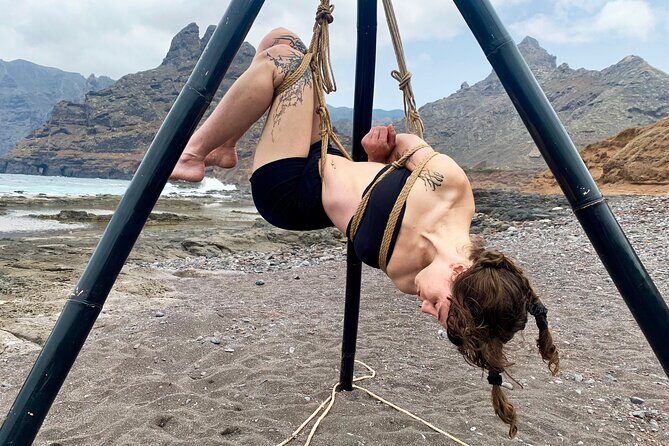
Think of this day like a guided workshop that’s part skill-building, part trust-building, and part creative performance. The session is built around a simple idea: shibari is not just about knots. It’s about how you communicate with your partner (or with yourself), using rope as a structured form of attention.
You’ll start with a beginner lesson. That means you’re not thrown into complex tying immediately. Instead, you get the foundations—enough technique to feel like you’re participating rather than watching from the sidelines.
From there, the day shifts into more “wow” moments. The experience menu includes suspension on the beach (with the bamboo tripod) and a “tied to a tee” experience in the Anaga mountains, plus a photo-ready suspension moment. Exactly which parts you get and how long each takes can depend on your group and the pacing of the session, but the day is clearly designed around those three pillars: learn, experience suspension, and create images you’ll actually want to keep.
You can also read our reviews of more tours and experiences in Tenerife.


Meet Ben and Kat: instruction that feels safe and approachable
Ben and Kat are the names that come up again and again. In the feedback, people describe Ben as gentle and caring, with a teaching style that makes something people assume is out of reach feel practical. Kat is often mentioned as part of the duo guiding and supporting the experience, including tailoring the lesson toward what you’re curious about.
If you’re new, that’s a big deal. Rope-tying can sound intimidating. In practice, what matters is whether you feel comfortable asking questions, resetting your pace, and understanding what’s happening in your body and your partner’s body. The tone people described—respectful, careful, and focused on consent and comfort—suggests this isn’t a “just do it” class. It’s more like a guided rhythm: explain, show, practice, adjust.
The beginner knots: how this lesson helps you get started fast
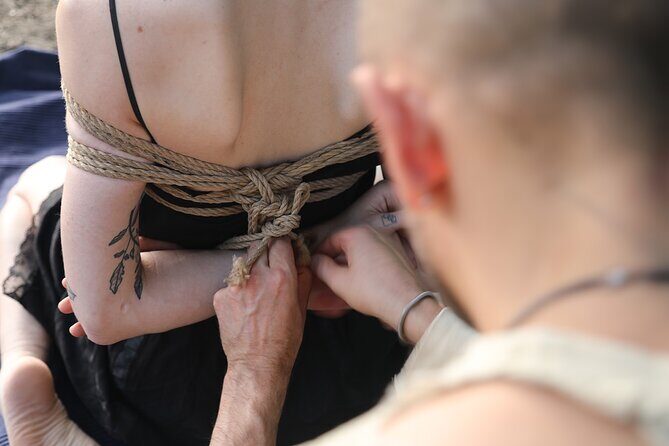
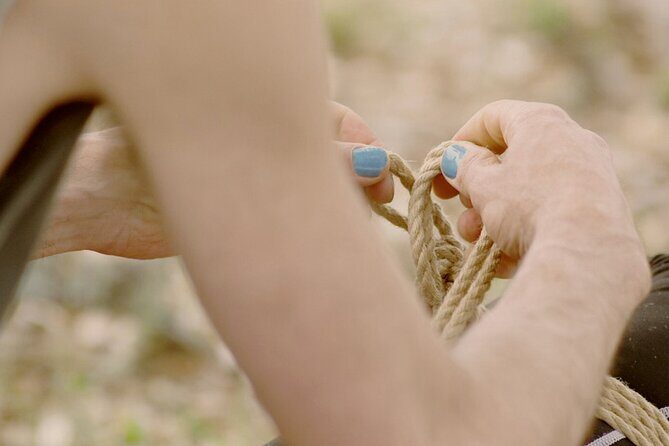
The beginner segment is built to lower the barrier to entry. You don’t need a rope-nerd background. You start learning the basic knots you can use right away, then build from there with principles that help you understand the why behind the technique.
A few specific themes stand out from the experience descriptions:
- Playful, intuitive partnerwork: you’re encouraged to connect through practice, not just memorize shapes.
- Martial-arts-inspired body-handling techniques: this shows up as guidance on how to handle the body with control and awareness, rather than roughness.
- Ways of erotic tying (including 12 ways): you get ideas and structure for exploring safely and intentionally.
Even if you’re not trying to go “erotic” right now, the underlying training is still useful. Learning how to hold position, communicate during tying, and move with care translates into better technique. And it helps you avoid the common beginner problem: tying is physical, and physical things need clear guidance.
Beach suspension with the bamboo tripod: the moment people remember
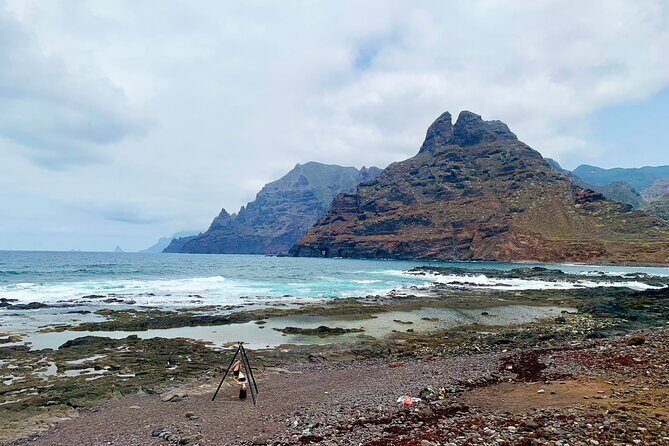
One of the most concrete “what you’ll do” elements is suspension on the beach using a bamboo tripod. This isn’t just a talk or a demo. You’re meant to experience it—guided by professionals—so you can understand what suspension feels like when it’s done with proper setup and attention.
Why that matters: suspension changes the whole dynamic. Instead of thinking only about knots, you feel how rope placement affects balance, tension, and breathing. Several people highlighted the experience as mind-bending and unforgettable. That makes sense, because suspension forces your brain to focus and your body to trust the structure.
For your planning, keep this in mind: standing, moving, and positioning for suspension can be physically demanding even if it’s not strenuous like a hike. If you have any health concerns (mobility, balance, anxiety around being lifted), think about telling the instructors early. The whole point of a beginner-focused class is that adjustments are possible.
Photo-ready shibari suspension: create the result, not just learn it
The day also includes shibari suspension specifically for taking photos. That changes how you’ll experience the tying process. You’re not only learning for future practice—you’re learning for a finished, visible outcome.
This is especially valuable if you’re the type of person who learns best when there’s a goal. It can also be helpful if you’ve seen shibari images online and wanted to understand how the shapes are created and why they look the way they do. By the time you’re in the photo-focused suspension, you’re getting a sense of how technique translates into lines, framing, and presence.
Practical note: since the day is designed around photos and suspension, wear something that feels comfortable for partnerwork and can handle being adjusted. If you’re unsure, you can ask the team when you book what they recommend bringing for a beginner day focused on rope tying and suspension.



Anaga mountains tying: the tied-to-a-tee experience option
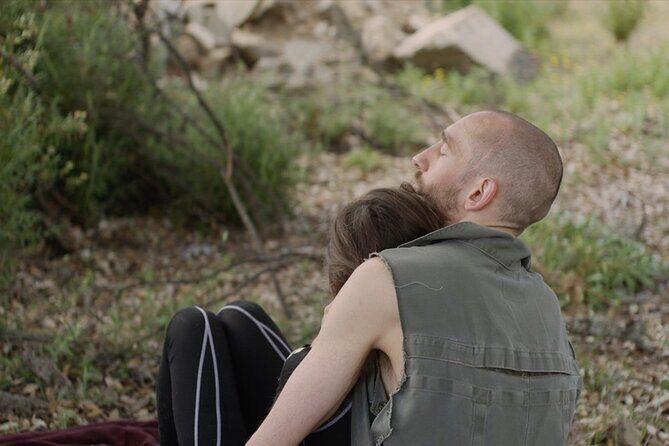
The experience menu includes being tied to a tee in the Anaga mountains. That’s a different vibe from the beach suspension. Outdoors, the tying experience becomes more about posture and the way rope affects your body against a natural setting.
Because the details provided don’t guarantee exactly how much time is spent on the Anaga mountains segment for every group, I’d treat this as an offered highlight that may be scheduled depending on timing and what your session priorities are. The key idea is that your day isn’t only about one location or one trick. You’re meant to get a range of sensations: beach suspension, mountain tying, and photo-ready moments.
If you like variety—new positions, new contexts, new physical sensations—that portion of the menu is a good reason to book.
Gear and included extras: what you take home
This experience includes two very practical things:
- 8 m jute rope as a gift to continue tying alone
- Use of a bamboo tripod for suspension on the beach
That rope gift is more than a souvenir. It’s the bridge between learning on the day and practicing afterward. Beginners often leave classes with a folder of notes and no way to repeat the basics. Here, you’re set up to keep working through what you learned.
Jute rope also matters because it changes how knots behave compared to slicker materials. If you’re building confidence, having the right rope type makes it easier to replicate what you practiced during the session.
Price and value: is $336.82 per person fair?
At $336.82 per person for about 8 hours, you’re paying for more than instruction. You’re paying for a private, hands-on craft lesson with suspension setup (bamboo tripod use) and the specialized time needed to guide beginners through sensitive, intimate work.
Here’s what supports the value:
- Private tour/activity means you’re not stuck waiting for other groups or sharing attention.
- Beginner instruction reduces the cost of learning “the hard way” through trial and error.
- Suspension components take real equipment and real risk management, which isn’t cheap.
- You get 8 m of rope so you can practice immediately.
What might feel expensive for some people is the fact that meals aren’t included. If you’re planning meals on top, your total day cost rises. Still, compared to paying separately for rope time, professional guidance, and equipment-based suspension sessions, the package format can feel like good value—especially if you want a guided start you can build on.
Logistics that actually affect your day
A few operational details help you plan smoothly:
- Pickup is offered, and the team will be recognizable because they carry very long bamboos on top of their car.
- The session runs within a set window (10:00 AM–12:00 PM mentioned for the period shown), so confirm your time at booking.
- It’s in English, which helps you ask questions and get clear instructions during practice.
- It’s near public transportation, which gives you a fallback if pickup isn’t used.
- It’s a private tour/activity, meaning only your group participates.
Also: group discounts are offered. Since the experience is private, this likely benefits situations where multiple people in your travel group book together. If that’s you, it’s worth asking how the discount applies.
Who this is best for (and who may want to reconsider)
This experience is a strong match if you want:
- a beginner-friendly introduction to shibari
- guided connection with a partner (or partnerwork with clear instructions)
- the full shibari arc: knots, suspension, and photos
- a structured way to learn a sensual craft without feeling rushed or judged
It may be less suitable if:
- you’re uncomfortable with intimate tactile learning
- you’re not okay with the fact that the day is designed around suspension moments and sensual tying ideas
- you’re not willing to plan your own meals (lunch/dinner aren’t included)
If you’re on the fence, I’d frame it like this: this is not a quick “try it once” experience. It’s a guided day where you’ll do real practice. That’s wonderful if you’re ready for commitment; it’s not the right pick if you want something casual and non-intimate.
Practical tips to make the day smoother
You don’t need special training. But a little preparation goes a long way:
- Tell Ben and Kat what you’re hoping for (basic knots, connection with your partner, suspension, photo focus). The lesson is designed to be approachable.
- If you have any concerns about being suspended or about physical comfort, say so early so the session can be paced appropriately.
- Plan on managing your meals since they’re not included.
- Wear something easy to move in and comfortable for getting into positions during practice.
Also, bring a flexible attitude. A craft like shibari works best when you’re present and responsive to guidance.
Should you book Shibari on the Beach in Tenerife?
Yes—if you want a structured beginner experience that goes beyond “watching rope tricks.” With Ben and Kat teaching in a caring way, a real suspension setup, and an 8 m rope gift to keep practicing after you leave Tenerife, it’s a solid choice for couples and people who want to connect through craft and guided sensual play.
Skip it if you want a purely sightseeing day, or if you’re not comfortable with the intimate and sensual nature of the class. This is a hands-on experience. It takes a good mindset to get the most out of it.
FAQ
How long is the shibari session?
It lasts about 8 hours.
Where does it take place?
It’s offered in Tenerife, Spain.
Is pickup included?
Pickup is offered. The team will be recognizable by the very long bamboos they carry on top of their car.
What language is the tour/activity in?
The experience is offered in English.
Is lunch included?
No. Lunch, dinner, and breakfast are not included.
What’s included in the price?
You get an 8 m jute rope as a gift and the use of a bamboo tripod for suspension on the beach.
Do I need prior shibari experience?
No. It’s designed for beginners, and most travelers can participate.
Is it a private experience?
Yes. Only your group participates.
Are service animals allowed?
Yes, service animals are allowed.