
REVIEW · WALKING TOURS
Rural Life Experience: Mojo Workshop and botanical Walk
Book on GetYourGuide →Operated by Corazón Verde La Gomera · Bookable on GetYourGuide
A good sauce starts with the plants. This botanical walk + mojo workshop is a hands-on rural look at La Gomera, guided by botanist and gardener Zdenka. You’ll walk through the mountain valley of La Laja, learn what grows there, and then make the typical mojo the traditional way.
I love how small the group is—up to 4 people—so you can actually ask questions and get real answers. I also like that you don’t just watch: you can go to the fields, learn about coriander and canary chilies, harvest ingredients, and taste what difference it makes. One thing to consider: it can get hot while walking, and the route isn’t designed for people with low fitness or fear of heights.
In This Review
- Key Highlights You’ll Care About
- La Laja Botanical Walk: Why This Feels Like Rural La Gomera
- Meeting Zdenka: Plants, Climate, and Real Local Questions
- Heading to the Fields: Coriander and Canary Chilies Up Close
- The Traditional Mojo Workshop: Mortar, Stone, and Flavor Payoff
- Mojo Tasting with Local Potatoes or Bread
- Pace, Heat, and Who This 3.5 Hours Works For
- Value Check: Is $74 for Mojo and Botanics Worth It?
- What to Bring (So the Heat Doesn’t Win)
- Should You Book This Mojo Workshop and Botanical Walk?
- FAQ
- Where does the tour meet?
- What’s included in the price?
- What isn’t included?
- How long is the experience?
- What’s the group size?
- What languages are available?
- What should I bring?
- Is it a good fit for everyone?
- Can I cancel for a refund?
Key Highlights You’ll Care About
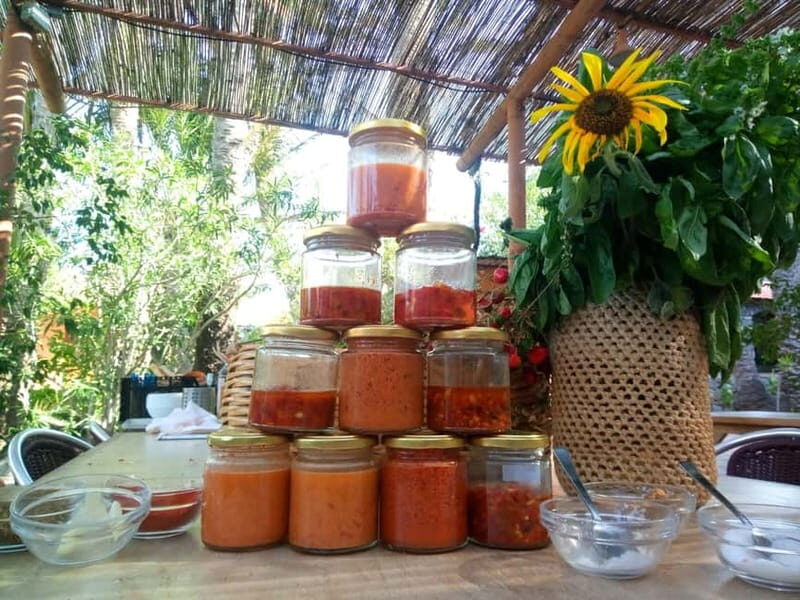
- Botanist-led explanations from Zdenka on plants, climate, and La Gomera’s nature
- Only 4 participants means slower pacing, more questions, and a more personal experience
- Hands-on mojo-making using mortar and a stone, not a quick demo
- Field time where you learn about planting and harvesting coriander and canary chilies
- Mojo tasting with local potatoes or bread so you can compare flavors
La Laja Botanical Walk: Why This Feels Like Rural La Gomera
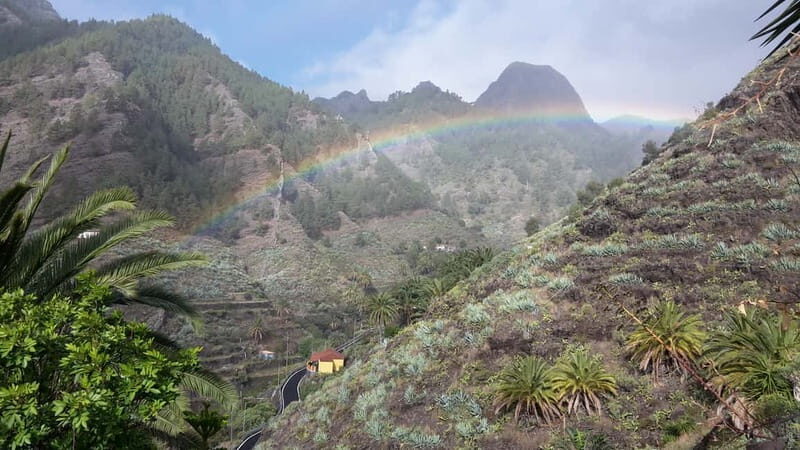
This experience is set in the smaller mountain village world of La Laja on La Gomera, not the postcard strip where food tours sometimes blur into the same script. What makes it special is the mix of nature and agriculture: plants aren’t just background; they’re part of how people live and cook.
You start in the center of La Laja at the bus stop by the Plaza / Centro social. From there, the day flows into a walk to the valley area where you can see how locals relate to their land. If you’ve ever wondered why some places taste “more real,” this is a good answer: the flavor comes from the surroundings, and the sauce comes from the work.
The main trade-off is that this isn’t a sightseeing-only stroll. It’s a working landscape walk, and you’ll cover enough ground that comfort matters, especially in warm weather.
You can also read our reviews of more walking tours in Tenerife

Meeting Zdenka: Plants, Climate, and Real Local Questions
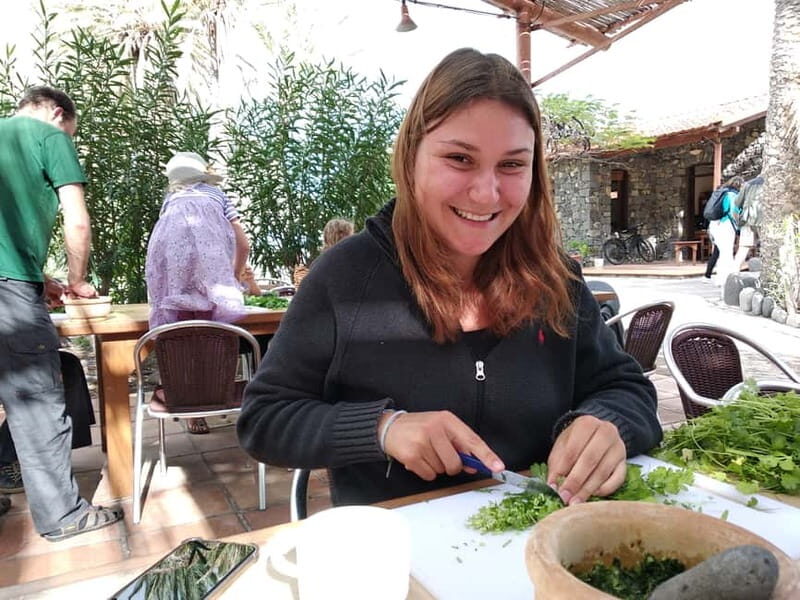
Once you meet Zdenka, the tone shifts quickly from casual chatting to practical, rooted knowledge. She’s a botanist and gardener, and that matters because she can explain what you’re seeing in the language of plants—how they grow, why they’re there, and what makes La Gomera’s conditions distinctive.
On the walk, you’ll explore the valley area and look at local plants tied to everyday agriculture. Expect stories that connect history, climate, and plant life—the kind of context that makes a recipe feel less like a souvenir and more like something you understand.
The small group size (again, up to four) is a big part of why this works. If you want to ask why a certain herb is used, or how the island’s weather affects cultivation, you’re not stuck waiting for a big group question window.
Heading to the Fields: Coriander and Canary Chilies Up Close
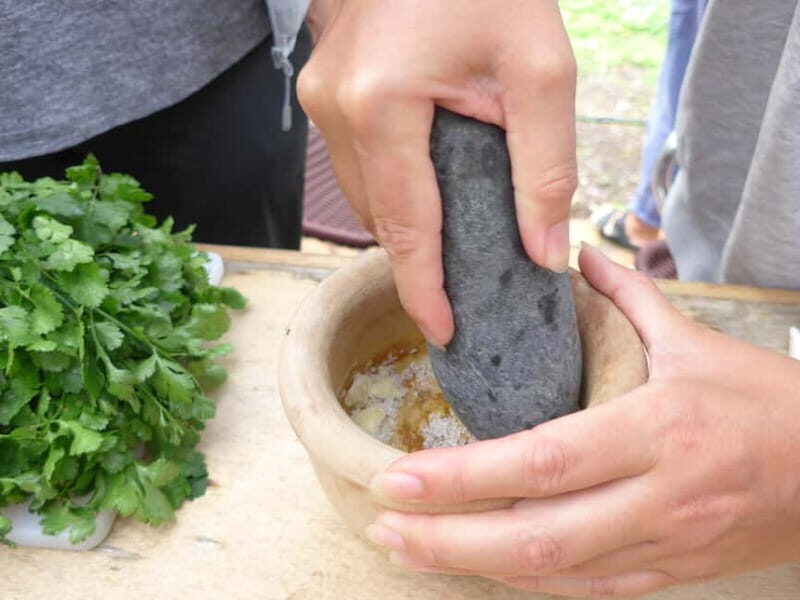
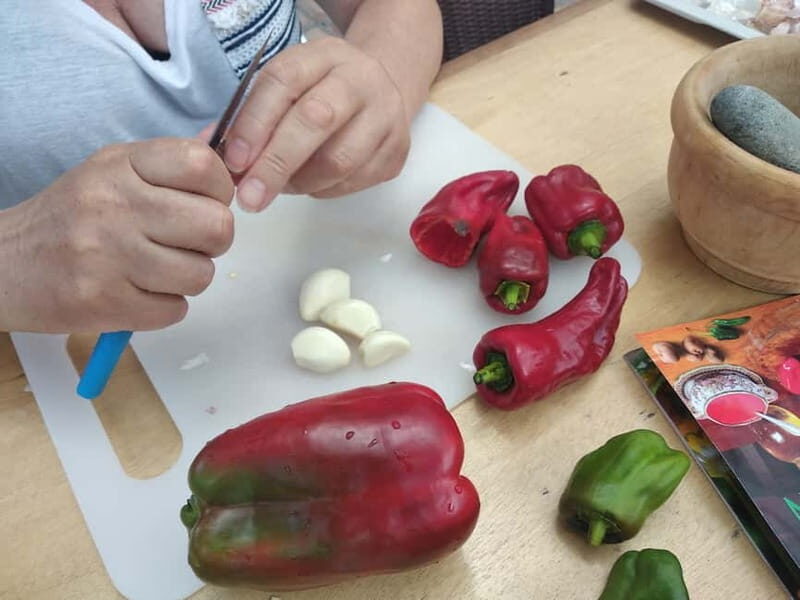
After the walk, you move from seeing plants to understanding how they’re cultivated. This is where the experience becomes truly hands-on. You’ll have the chance to go to the fields and learn how to plant coriander or canary chilies.
That practical element is worth the time. With cooking classes, it’s easy to end up with the feeling that you only learned how to stir. Here, you’re learning why certain ingredients belong in this cuisine and how they show up in the local growing rhythm.
Then you get to harvest the ingredients used later in the mojo. Even if you only take part briefly, it changes the tasting. You stop treating the sauce as something you buy and start treating it as something you helped create.
The Traditional Mojo Workshop: Mortar, Stone, and Flavor Payoff
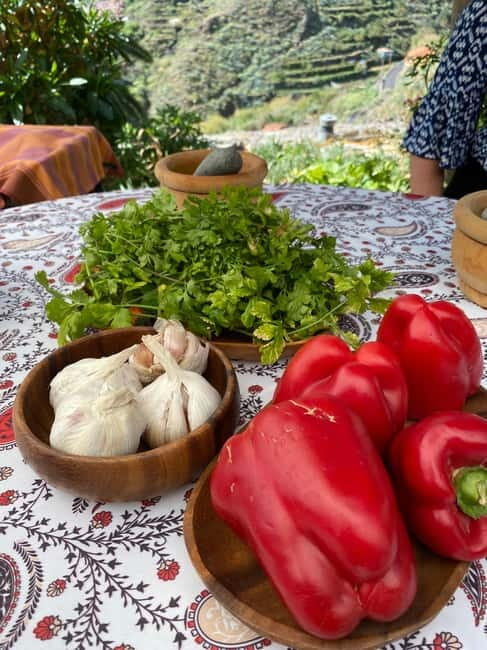
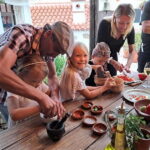
Now comes the part most people remember: making mojo the traditional way. You’ll learn how to prepare the typical Canary Islands mojo sauce using a mortar and a stone. This is not just a fun prop moment. It’s the method that shapes texture and flavor.
Expect a guided workshop where you’ll work with the ingredients you harvested and follow along as Zdenka explains what’s going on. The goal isn’t culinary perfection for a photo—it’s understanding the process enough that you can taste the difference between quick, store-style shortcuts and real traditional technique.
And yes, it’s hands-on. You’ll be actively involved rather than passively watching someone else do the work. If you like food that has a clear origin story, this part delivers.
Mojo Tasting with Local Potatoes or Bread
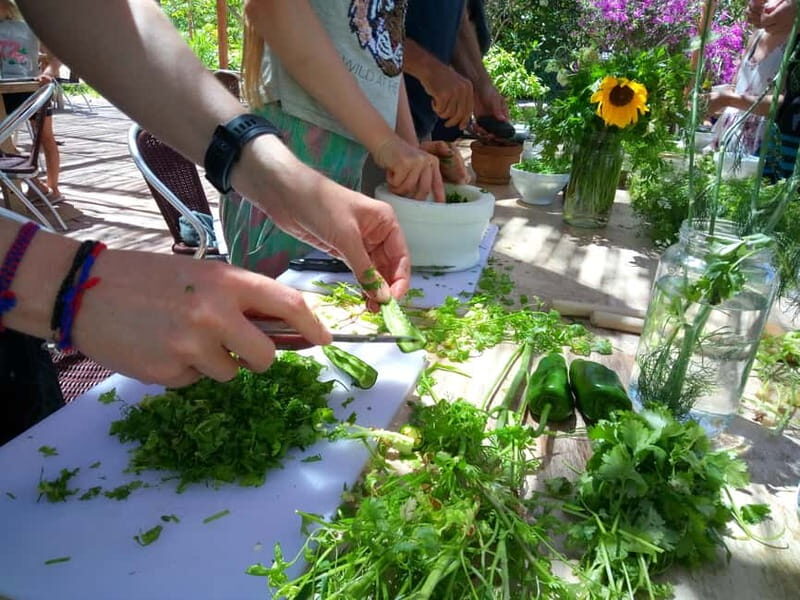
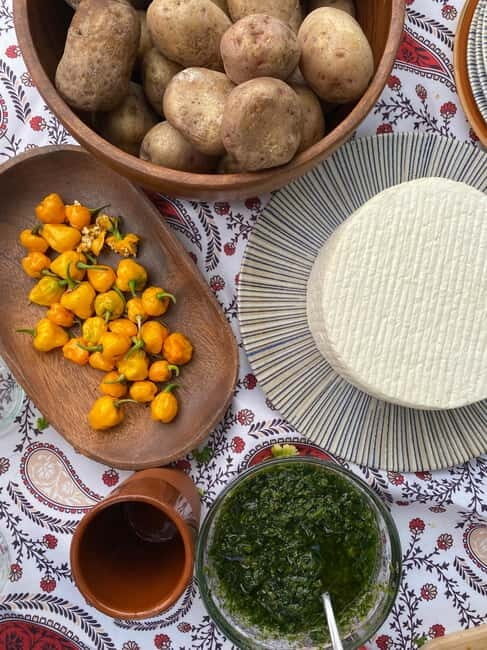
After you make your mojo, you’ll taste it with local potatoes or bread. This pairing matters because it turns the sauce into something you can evaluate, not just admire.
Potatoes are a simple baseline. They let the mojo’s heat, acidity, and herb character stand out so you can actually notice what changed when you used fresh ingredients and traditional technique. Bread does something similar, letting you scoop and re-sample as you go.
If you’re a sauce person, you’ll probably start thinking about how you’d use your mojo at home. If you’re not, you’ll still likely walk away with a new respect for how much personality can live in a spoonful.
You can also read our reviews of more tours and experiences in Tenerife





Pace, Heat, and Who This 3.5 Hours Works For
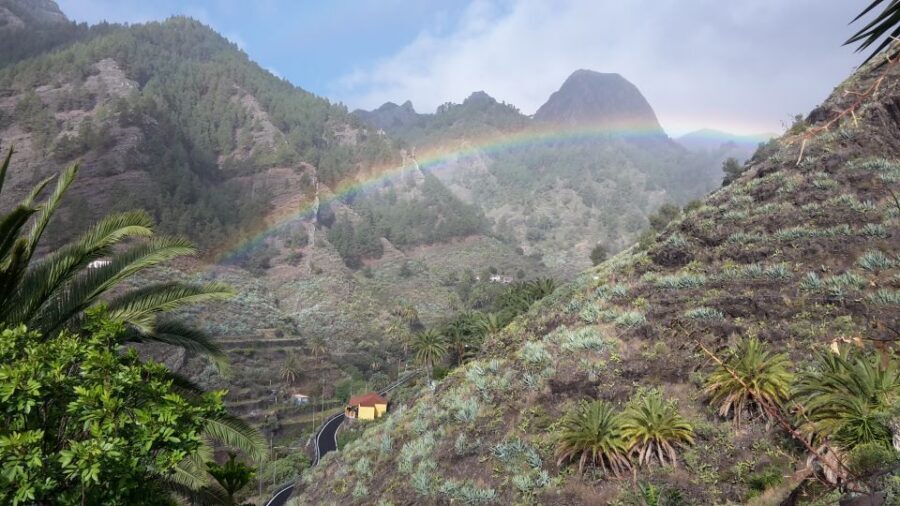
This experience runs about 3.5 hours, and it’s designed as a small-group activity with limited space. That time includes the walk, plant learning, field activity, mojo-making, and tasting—so it moves at a steady pace, not a slow ramble.
A few practical notes so you’re comfortable:
- It can get hot while walking, so plan for sun and sweat.
- It’s not suitable for people with fear of heights.
- It’s also not suitable for low fitness levels.
If you want an easy “sit, snack, and leave” outing, this isn’t that. If you want something active but not extreme—where you learn while walking and working—this fits well. It’s especially good for couples, solo travelers who like personal attention, and food lovers who care about how ingredients connect to place.
Value Check: Is $74 for Mojo and Botanics Worth It?
At $74 per person for a 3.5-hour guided experience, the value comes from what’s included and how many people join your group. You’re paying for more than a sauce lesson.
Here’s what you’re actually getting:
- a guided walk focused on traditional agriculture in La Laja
- explanations by a botanist and gardener
- a workshop on making typical mojo the traditional way
- a mojo tasting with local potatoes or bread
And you’re getting it in a format where it’s not one-size-fits-all. Four people max changes the experience. It turns explanations into conversation and gives you time to ask follow-ups—something you rarely get on bigger tours.
The only practical catch is that transport to La Laja isn’t included, so you’ll want to plan how you’ll arrive. Once you’re there, the experience covers the rest, including starting and ending at the same meeting point area.
What to Bring (So the Heat Doesn’t Win)
Because this is outdoors and includes walking, a few items make a real difference.
Bring:
- Sun hat
- Drinks
- Sunscreen
That’s it—no mystery packing list. If you show up with those basics, you’ll spend your energy on learning and cooking instead of feeling drained.
Also, wear clothing that handles sun and walking well. You’ll be outside long enough that comfort becomes part of the quality of the day.
Should You Book This Mojo Workshop and Botanical Walk?
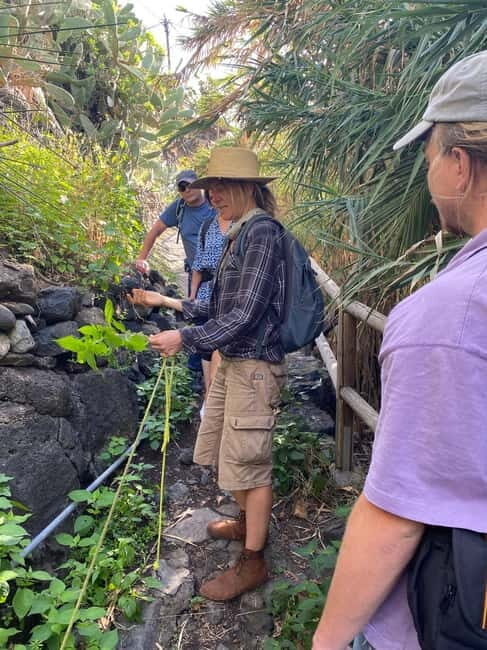
I’d book this if you want a La Gomera experience that connects food to the land that created it. The combination of a botanical walk with Zdenka, field time for coriander and canary chilies, and a traditional mortar-and-stone mojo workshop makes this more than a recipe stop.
Skip it if you’re dealing with low fitness needs, you’re uncomfortable with heights, or you’re hoping for a fully easy stroll. The heat and the active pace are real parts of the experience.
If you’re choosing between another generic food tour and this one, pick this. The group limit and the mix of nature + agriculture are what make it feel authentic.
FAQ
Where does the tour meet?
You meet at the bus stop in the center of La Laja, next to the Plaza / Centro social.
What’s included in the price?
The experience includes the guided walk to see traditional agriculture, explanations by a botanist and gardener, a mojo workshop, and mojo tasting.
What isn’t included?
Transport to La Laja isn’t included.
How long is the experience?
It lasts about 3.5 hours.
What’s the group size?
The group is limited to 4 participants.
What languages are available?
The instructor speaks German, Czech, English, and Spanish.
What should I bring?
Bring a sun hat, drinks, and sunscreen.
Is it a good fit for everyone?
It isn’t suitable for people with fear of heights or low level of fitness. It can also get hot while walking.
Can I cancel for a refund?
You can cancel up to 24 hours in advance for a full refund.