REVIEW · TENERIFE
PADI Open Water Diving Course Tenerife
Book on GetYourGuide →Operated by TRAVEL SUB DIVE CENTER · Bookable on GetYourGuide
Stepping into scuba feels oddly weightless. I liked the small group setup and the patient PADI instruction that keeps you calm from first lessons to the certification steps. One thing to plan for: this course is not for you if you’re a non-swimmer or if you have certain medical limits, since it includes real open-water training.
In Tenerife, you’ll go from online theory to hands-on practice in the bay, then into open water with an instructor right there with you. The schedule runs across 5 days, with the main training spread over about 3 to 4 days, plus certification processing afterward.
In This Review
- Key highlights you should care about
- First day in Tenerife: meeting your instructor and getting real about the basics
- Theory to practice: confined water training in the bay
- Open-water sessions in Tenerife: four boat outings with hands-on guidance
- Day 2: first open-water sessions
- Day 3: deeper, longer sessions and more comfort
- The underwater world lesson: not just skills, but how it feels
- Certification up to 18 meters: what you actually gain
- Instruction quality: how small group limits translate into real learning
- Gear, pickup, and daily logistics in Tenerife
- Price and value: is $494 worth it?
- Who this course fits best (and who should skip it)
- Should you book this PADI Open Water course in Tenerife?
- FAQ
- How long is the PADI Open Water Diving course in Tenerife?
- What does the course include?
- Is the course limited to small groups?
- What languages are the instructors?
- How deep is the certification for?
- Do I need to bring anything?
- Is pickup included from my hotel?
- Is this course suitable for kids?
- What is the cancellation policy?
- Is the activity wheelchair accessible?
Key highlights you should care about
- Small group of 4 means more instructor attention and less waiting around
- Full gear included so you can travel light and focus on the lessons
- Confined water practice in the bay helps you build control before open water
- Four open-water boat sessions to master skills in real conditions
- PADI certification recognized worldwide, valid for life
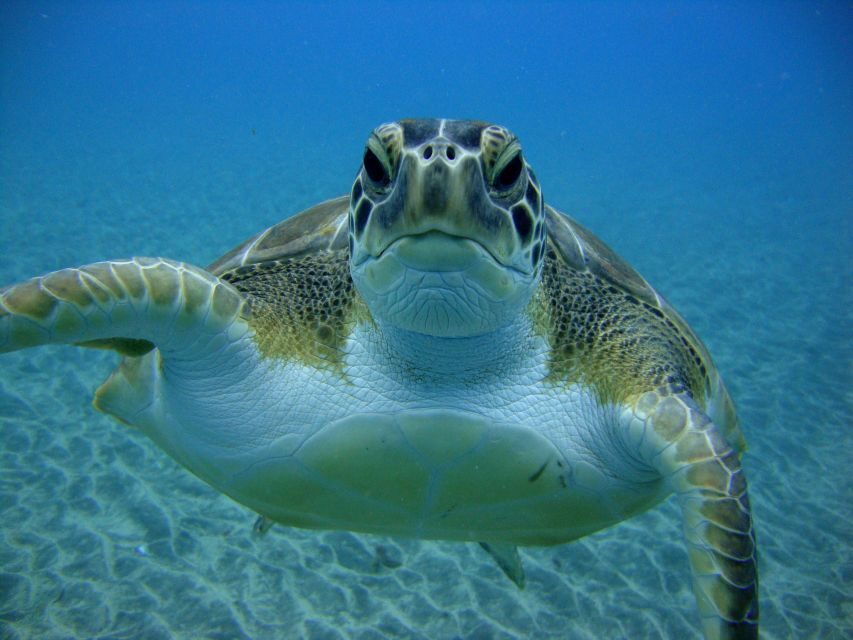
- Warm, clear Tenerife waters make the whole learning curve easier to handle
First day in Tenerife: meeting your instructor and getting real about the basics
The course starts with a meet-and-greet at the scuba shop. You’ll work with a certified PADI instructor who stays with you through the whole learning process, not just at the start. That matters because scuba skills are a lot easier when the same person teaches and corrects you consistently.
Next comes the theory portion. This isn’t just book learning for its own sake; it’s where you learn what can go wrong, how to prevent problems, and why certain procedures matter. You’ll also use online theory materials available in different languages, which is handy if you want to review at your own pace.
If you’re the type who worries you’ll forget steps, this first day setup is a win. Theory plus practical practice right after tends to stick. And the best part: you start building confidence before you ever get stretched thin out in open water.
You can also read our reviews of more tours and experiences in Tenerife.
Theory to practice: confined water training in the bay
Before you head out on a boat, you’ll practice in a controlled setting in the bay. This is where you get comfortable using your gear, breathing underwater, and performing the key skills your certification requires.
What you’re really training here is muscle memory. In open water, your brain is busy with buoyancy, awareness, and staying calm. In the bay, you can focus on the basics and get feedback without the extra pressure of waves or distance.
Bring the basics that make it all easier: swimwear, a towel, and sunscreen. You’ll feel more relaxed if you don’t have to hunt for these things at the last second, especially on a multi-day course.
Open-water sessions in Tenerife: four boat outings with hands-on guidance
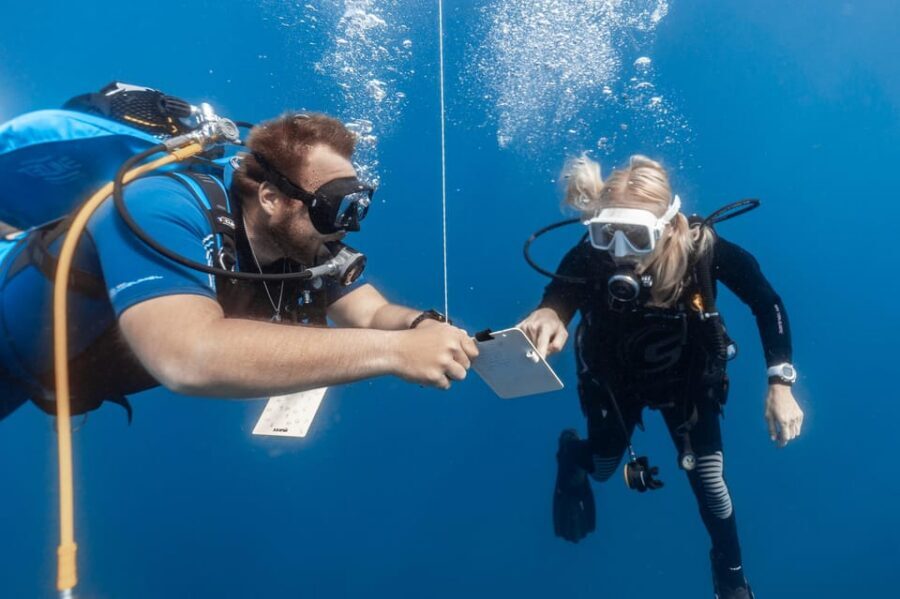
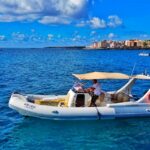
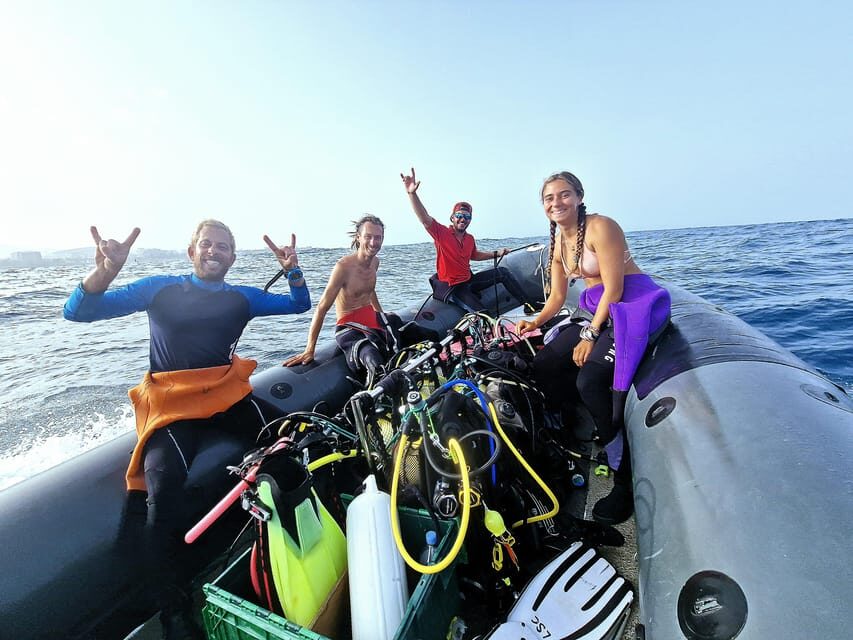
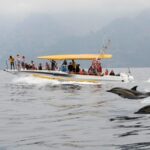
Open water training is the heart of the course. Over the next days, you’ll complete open-water sessions under your instructor’s supervision, using skills you learned during confined practice and theory.
You’ll do four open-water boat outings in total. For most beginners, this is the sweet spot: enough time to learn how skills change once conditions aren’t perfectly controlled, but not so much that you’re exhausted before you’ve absorbed what you need.
Day 2: first open-water sessions
Day 2 is where it starts to feel real. You’ll put your newly learned skills into practice with close instructor coaching, and your job is to keep things simple and follow instructions.
This is also where you learn what breathing underwater actually feels like. In reviews, that moment shows up again and again as memorable. It’s not magic tricks; it’s learning to match your breathing to your gear and body, then letting the calm take over.
A downside to be aware of: the first open-water sessions can feel like a lot, even when you’re doing fine. That’s normal. If you’re anxious, tell your instructor early so they can pace your learning and keep you focused on one task at a time.
Day 3: deeper, longer sessions and more comfort
By Day 3, you’ll typically handle the basics better. The sessions are described as deeper and longer, which is exactly what you want after you’ve already built control.
This is also the stage where your instructor can help you fine-tune technique. The goal is not just completing tasks; it’s becoming more autonomous and comfortable while staying within safe training limits.

The underwater world lesson: not just skills, but how it feels
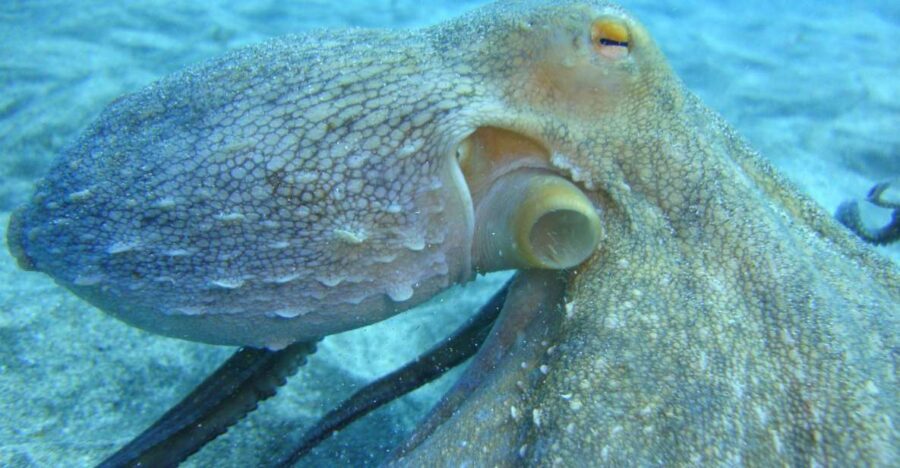
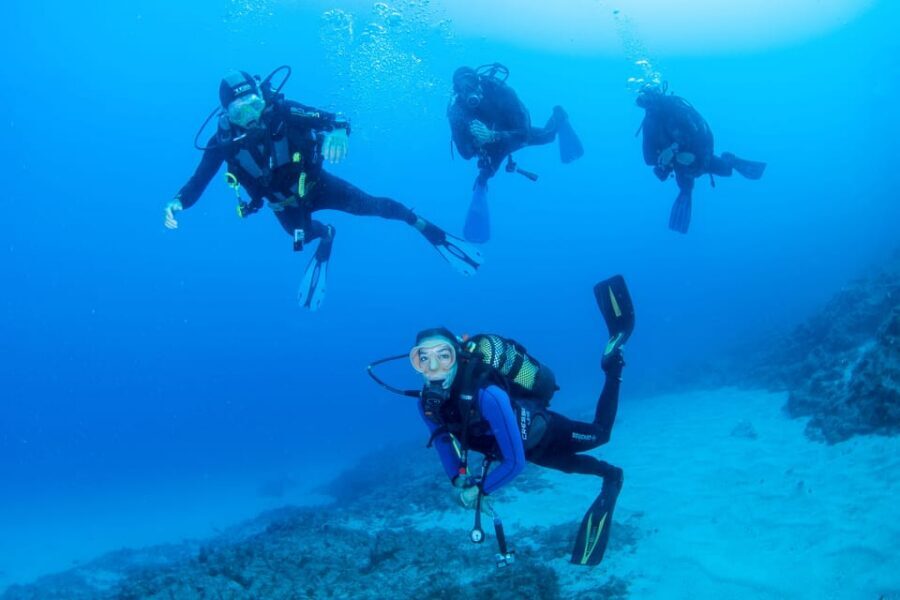
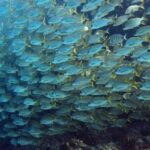
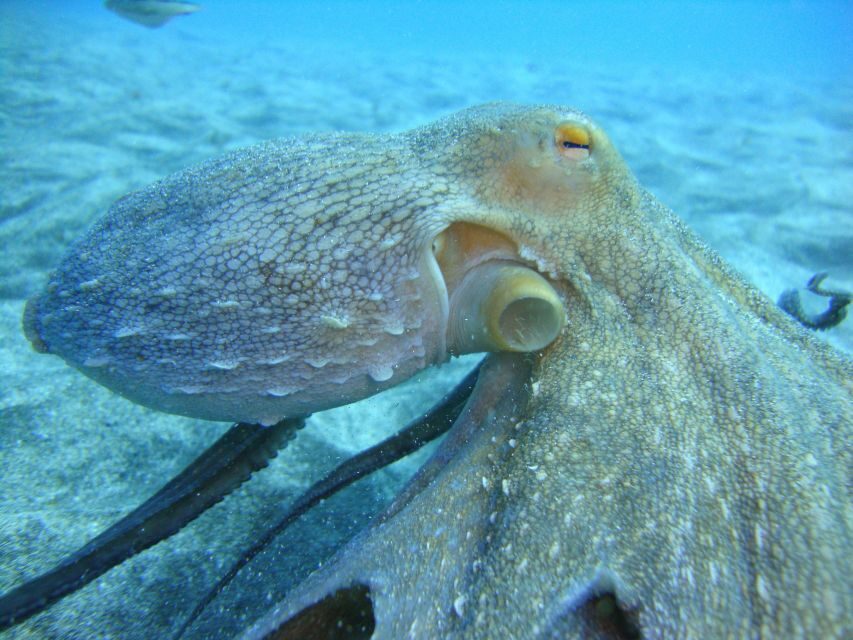
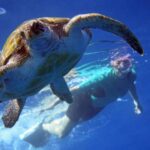
The course is built to introduce you to the underwater world, not just train checklist behavior. Once you’ve settled, you get to focus on the scenery and the sensation of moving through water with breathing support and buoyancy control.
The marketing says zero gravity, and the idea is that buoyancy can make you feel lighter and slower. In practice, that feeling comes after you stop fighting your gear and start trusting your buoyancy adjustments and breathing rhythm.
This is also where small-group instruction helps. If you’re paired with up to four participants, your instructor can check your posture, pace your practice, and correct small issues before they grow into frustration.
Certification up to 18 meters: what you actually gain
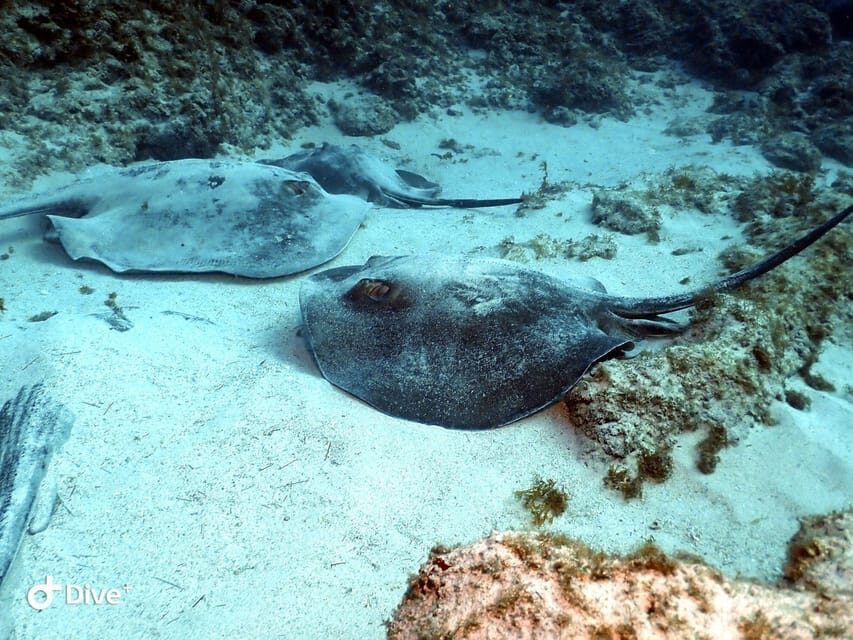
After you complete the practical and theoretical components, your PADI Open Water Diver certification is processed. The outcome is internationally recognized and valid for life, which is great if you’re thinking beyond this trip.
The course certifies you for up to 18 meters for those aged 15+. That’s an important practical point: it gives you a clear boundary for future dives and lets you plan follow-up scuba experiences with a real credential.
In terms of value, this is where the course earns its price. You’re not just buying a one-off experience. You’re earning a passport into future underwater outings, with a standard training framework recognized worldwide.
Instruction quality: how small group limits translate into real learning
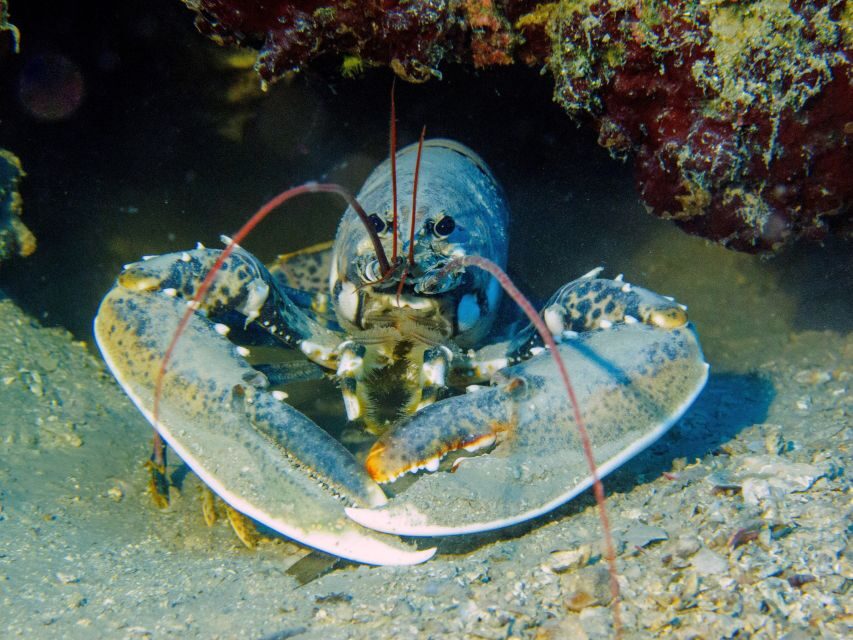
Here’s what I’d watch for in any beginner scuba course: does the instructor teach with patience and clarity, and do they take time to answer questions? In the feedback, the instructors (including Julia and Davide) are repeatedly praised for being thorough and clear, with a teaching style that keeps things fun while still being professional.
Julia is highlighted as patient and thorough, and also as someone who takes the time to talk through questions afterward. Davide is described as super clear and professional. Those traits matter because scuba isn’t hard because it’s complex; it’s hard because your brain is dealing with new sensations. Good teaching reduces that stress fast.
Also note that the course is designed with one instructor with you throughout training. That continuity is underrated. You avoid the friction of repeating questions or relearning your setup with someone new each day.
Gear, pickup, and daily logistics in Tenerife
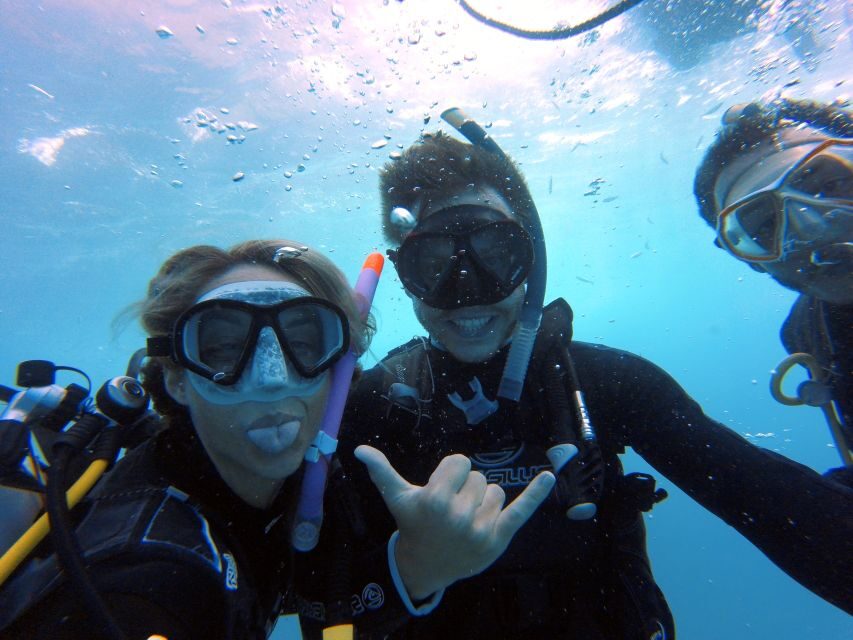
You’ll get full scuba gear included. That’s a big help for travel because it removes the hassle of renting multiple pieces yourself. It also means the equipment used during training should match the skills taught in class and practiced in the bay.
Pickup is included, and it’s typically in front of hotels. That makes it easier if you’re staying in the right area and don’t want to negotiate transport while you’re wearing a swim kit and still running on “Day 1 energy.”
Wheelchair accessible is listed for this activity, which can make it a better option than some adventure tours that rely on stairs and hard-to-reach areas. Still, make sure to check what specific parts of the training you’d be able to access smoothly.
Price and value: is $494 worth it?
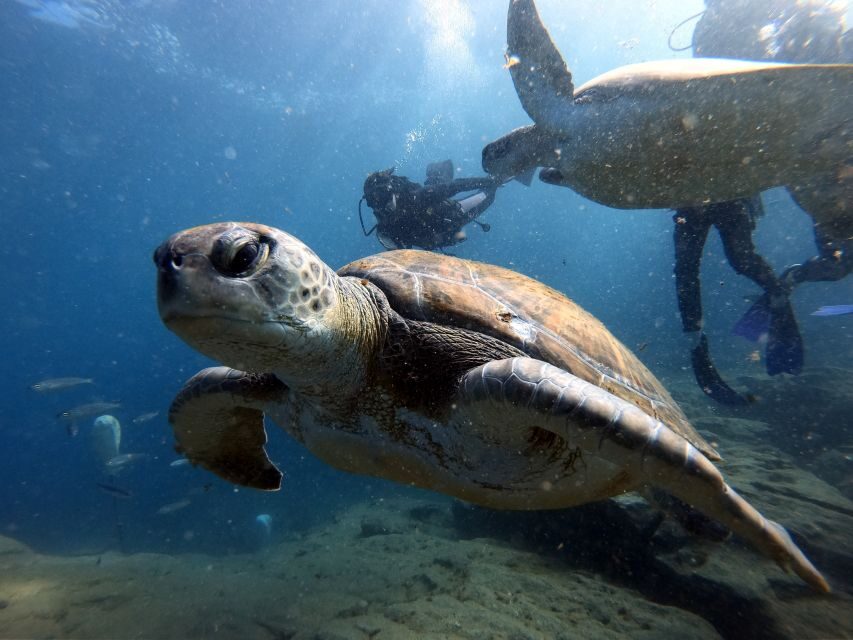
At $494 per person for 5 days, you’re paying for more than a fun day on the water. You’re paying for instructor time (with a certified PADI instructor throughout), confined water training in the bay, and four open-water boat outings, plus full gear and online theory materials in multiple languages.
You’re also getting full insurance and photo memories, and the certification is lifelong. When you add all of that up, the price starts to make sense as a real training investment rather than a tourism add-on.
The value equation gets even better if you’re starting from zero. If you were to piece together independent lessons, gear rentals, and later certification logistics, you’d likely spend more time and money for similar results. This course bundles the learning flow into one package.
If you already have your own gear, you still benefit from having a course that standardizes equipment and procedures from day one. If you’re traveling with limited luggage, having gear included is also a practical win.
Who this course fits best (and who should skip it)
This is a beginner-friendly path if you want a globally recognized credential and you’re ready to practice real skills in real water. It’s designed for people who want to become an autonomous scuba diver under guidance, with safety procedures taught as part of the process.
It’s not suitable if you’re:
- a non-swimmer
- pregnant
- under age 10 (children under 10 are not suitable)
- dealing with heart problems or other pre-existing medical conditions
If you’re unsure, it’s worth taking the medical limits seriously. Scuba involves physical and equipment demands that aren’t worth gambling on.
Also consider your comfort level with water. Even confident swimmers can feel nervous at first with breathing underwater and unfamiliar gear. If you’re anxious, choose this course anyway, but communicate that concern early so your instructor can pace you.
Should you book this PADI Open Water course in Tenerife?
Book it if you want a structured beginner training path with small group attention, full gear, and a real certification outcome. Tenerife is a solid choice for learning because the training emphasizes clear, warm waters, and the itinerary gives you confined practice first, then open water in stages.
Skip it if you’re not comfortable meeting the basic requirements, especially if you’re a non-swimmer or you fall into any of the medical categories listed as not suitable. Also skip if you hate learning procedures and prefer only sightseeing. This course is hands-on training first, scenery second.
If you’re aiming for a first scuba credential that can lead to future trips, this one is a strong bet. The best sign is the consistency in how instructors are described: clear, patient, and focused on helping you succeed without rushing you.
FAQ
How long is the PADI Open Water Diving course in Tenerife?
The duration is listed as 5 days.
What does the course include?
It includes full open-water training, confined water training on the bay, 4 open water boat outings, full scuba gear, online theory materials in different languages, full insurance, and photo memories. Certification processing is also included.
Is the course limited to small groups?
Yes. It’s a small group limited to 4 participants.
What languages are the instructors?
Instructors are listed as speaking English, Spanish, Italian, Russian, and French.
How deep is the certification for?
The course provides certification for up to 18 meters for those aged 15+.
Do I need to bring anything?
Bring swimwear, a towel, and sunscreen.
Is pickup included from my hotel?
Yes. Pickup is included and pick-up places are normally in front of hotels. You’ll get timing by email after you reserve.
Is this course suitable for kids?
It is not suitable for children under 10 years old.
What is the cancellation policy?
Free cancellation is offered up to 24 hours in advance for a full refund.
Is the activity wheelchair accessible?
Yes, wheelchair accessible is listed.