REVIEW · CRUISES & BOAT TOURS
From San Juan beach : Marine Life Cruise
Book on GetYourGuide →Operated by Sea Passion Tenerife · Bookable on GetYourGuide
A boat ride in Tenerife can be magical. This one is built around real whale and dolphin watching plus a captain who explains what you’re seeing. You leave from Puerto Playa San Juan and head toward the waters off La Gomera, where you enter the “Calderón Tropical” area known for pilot whales.
I love the small-boat feel. You’re not packed in like cattle, and the vibe stays relaxed while the captain keeps a close eye out for cetaceans. I also like that you’re not just chasing animals—you get onboard education on the sea and local science topics during the trip.
One thing to plan around: snorkeling is offered with masks onboard, but sea conditions can affect whether you actually get in. If you’re hoping for a guaranteed swim, keep your expectations flexible.
In This Review
- Key things to know before you go
- Puerto Playa San Juan: the traditional port start
- Heading south of La Gomera and reaching the pilot whale area
- Onboard Sea Passion: comfort, snacks, and the captain’s marine lesson
- What you’re likely to see: pilot whales, dolphins, and other ocean signs
- Snorkeling expectations: masks included, conditions decide
- Timing note: 3 hours of sea time plus the human side
- Price and value: what you’re actually paying for
- What to bring (and what to skip)
- Who should book this marine life cruise?
- Quick, practical FAQ
- FAQ
- Where does the cruise depart from?
- How long is the Marine Life Cruise?
- How much does it cost?
- What animals are the tour aiming to see?
- Is snorkeling included?
- What’s included in the price?
- What languages are available on the tour?
- What’s the cancellation policy?
- What’s not allowed during the cruise?
- What should I bring with me?
- Should you book this cruise?
Key things to know before you go
- Sea Passion boat: a comfortable, smaller-scale setup that keeps the experience personal
- Pilot whale zone (Calderón Tropical): you sail to a known area about 1,000 meters from shore
- Onboard science talk: the captain shares info tied to cetaceans and also local meteorology and volcanology
- Snorkeling gear included: masks are provided onboard, and swimming is an optional add-on
- Simple food and drinks: sandwich and drinks are part of the 3-hour outing
Puerto Playa San Juan: the traditional port start
The experience starts in Puerto Playa San Juan, a traditional fishing port on Tenerife. That matters more than it sounds. This isn’t a cookie-cutter marina where everyone’s staring at yachts. You begin in a working coastal setting, so the whole day feels anchored in real island life, not just a tourism product.
Once you board, the cruise quickly shifts from “waiting for animals” to “learning how to watch.” The captain’s approach is practical: you’re not just looking out a window. You’re getting told what behaviors to watch for and why. That makes a huge difference, because whales and dolphins can be subtle at first—then suddenly, there they are, and you realize you were watching the right signs all along.
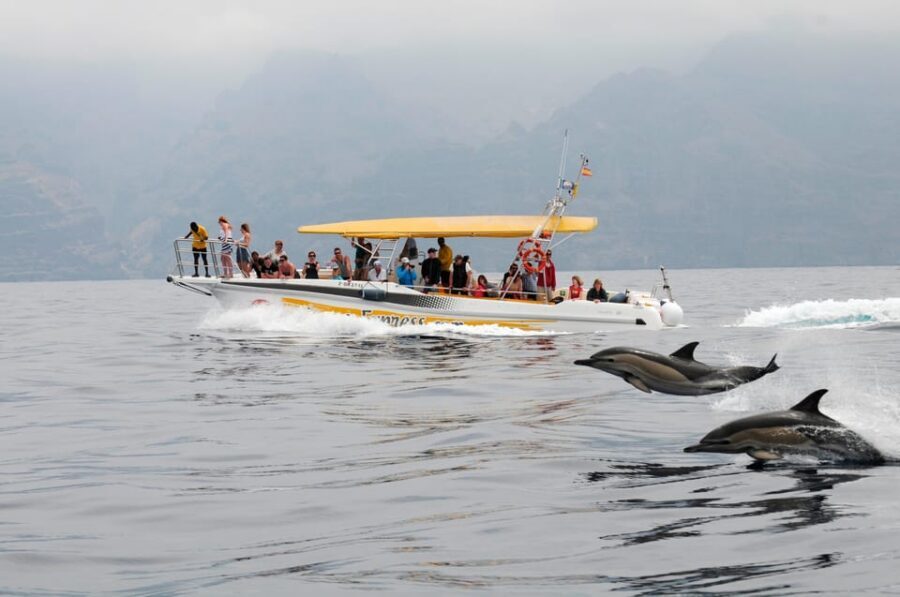
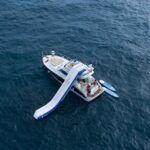
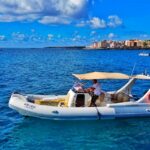
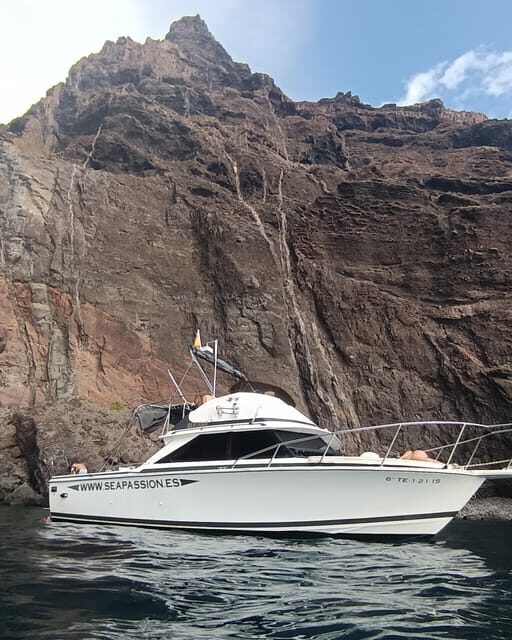
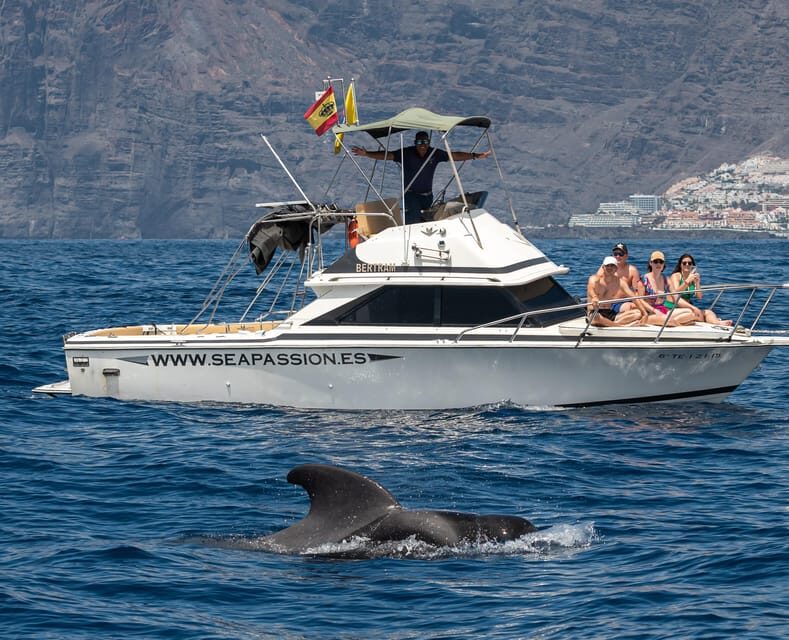
The boat itself is the Sea Passion, and the overall tone stays comfortable. A couple of things from the experience stand out: the group isn’t huge, and the mood stays friendly instead of chaotic. Think relaxed outdoors time, with someone in charge who actually knows the local waters.
You can also read our reviews of more boat tours in Tenerife
Heading south of La Gomera and reaching the pilot whale area
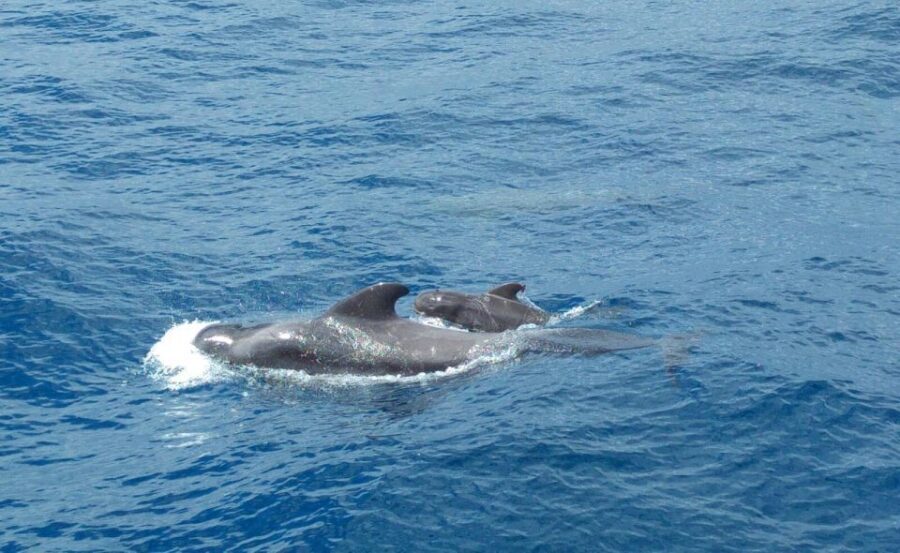
After departure from Puerto Playa San Juan, you head south of La Gomera—about 3 nautical miles—toward the area often described as “Calderón Tropical,” also known as Pilot Whale territory. The important detail here is the positioning. You enter the key zone when you’re about 1,000 meters from shore. That’s close enough to make searching efficient, but far enough to give the animals space.
This is where the itinerary starts to feel like more than sightseeing. Your goal isn’t a quick pass. You’re in the right neighborhood for a reason. When the captain is tracking marine life, it’s not just a casual scan—it’s a methodical hunt for pods and signs.
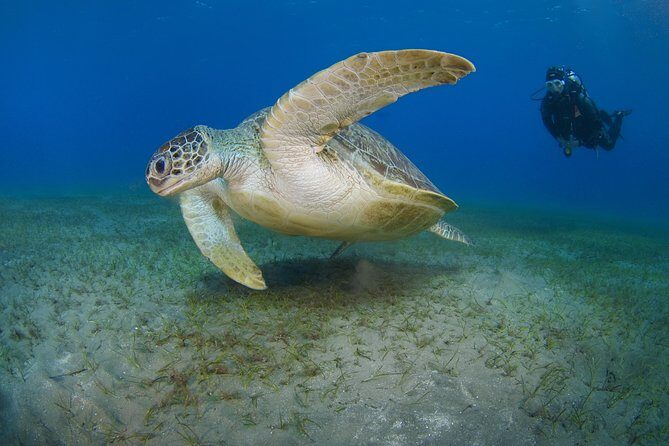
What you might see in this zone goes beyond whales alone. You can also spot other marine life such as turtles, flying fish, and tuna schools. Even if whales are the headline, these “supporting cast” moments make the trip feel richer. A tuna school or flying fish sighting is the kind of thing that makes you realize the ocean is busy even when the big animals aren’t surfacing.
One more point: the captain’s spotting and communication style can matter on days when animals are spread out. On some outings, consistent searching and radio contact helps locate pods farther offshore. Translation: you’re not just hoping. You’re actively working toward sightings.
Onboard Sea Passion: comfort, snacks, and the captain’s marine lesson
The boat ride runs for about 3 hours, and that time is paced around a mix of cruising, observation, and onboard learning. You’ll likely spend time looking for whales and dolphins while the captain shares information in a clear, science-based way. The topics include cetaceans, and they also cover volcanology, meteorology, and local history.
Why does that matter to you? Because marine life cruises are often either too vague (“look for dolphins!”) or too technical to follow. Here, the emphasis seems to be on being explain-and-watch, not just announce-and-go. So when you see movement change on the water surface—or you notice a pattern of surfacing—you already know what you’re looking at.
You’re also not traveling on an empty stomach. The tour includes a sandwich plus drinks (soft drinks, red and white wine). Depending on your preference, you might be able to stay on the ship comfortably and still feel like the trip includes a small “reward” moment instead of just constant scanning. One review-style highlight you can plan for: people often enjoy staying seated for sunset views with a drink in hand. It’s a simple pleasure, and on a calm day it can feel like the best part.
Snorkeling masks are provided onboard. That’s a key value point because it means you don’t have to pack gear. Just bring your essentials (more on that below) and keep your body ready for the water if you choose to swim.
What you’re likely to see: pilot whales, dolphins, and other ocean signs
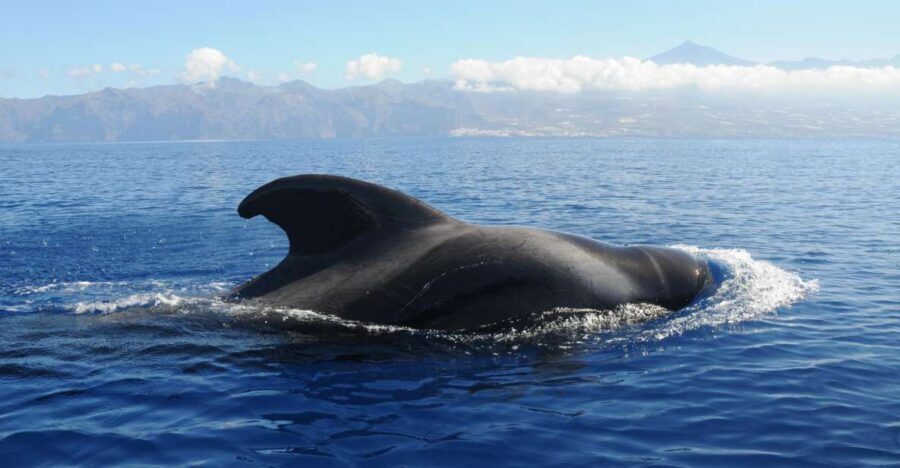
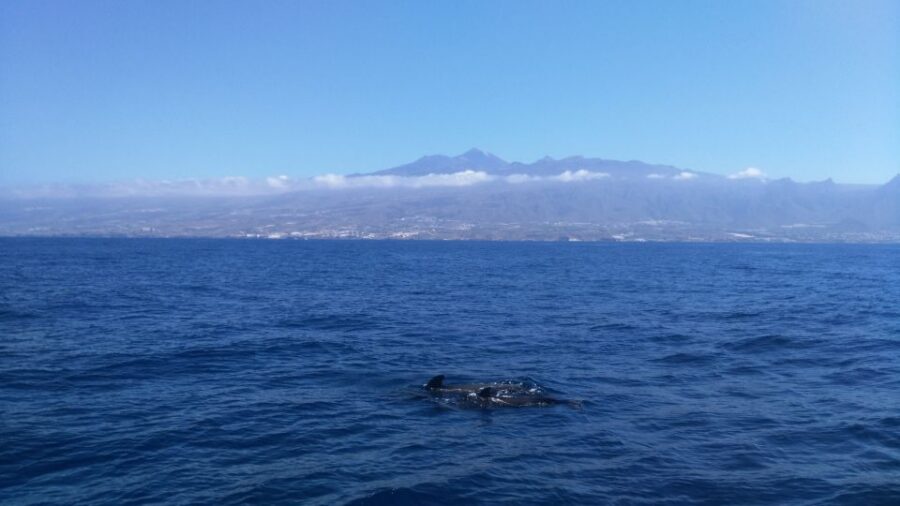
This cruise is designed around whales and dolphins, with pilot whale habitat as the main target area. In practice, sightings can vary by day, but the pattern is consistent: the captain searches the area where those animals are known to feed or travel, and you’re given chances to observe.
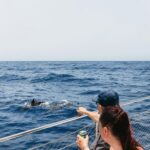
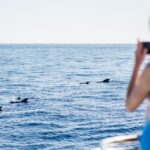
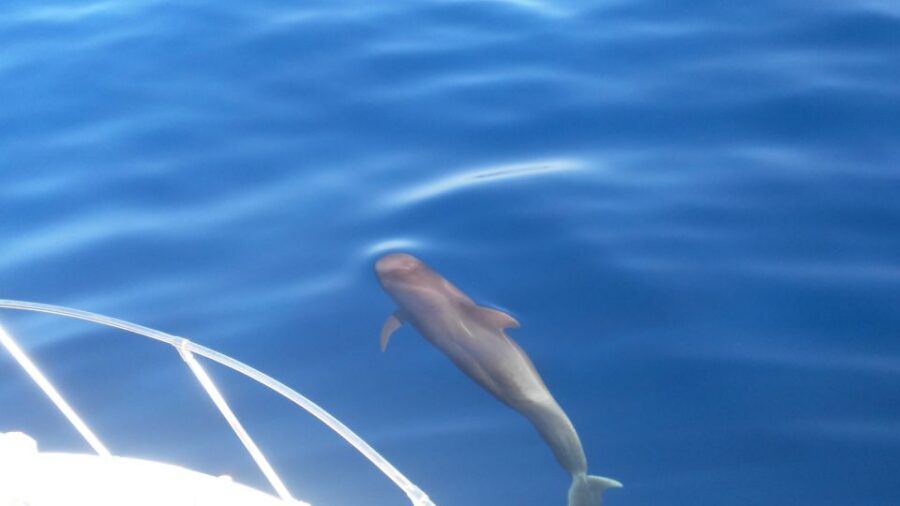
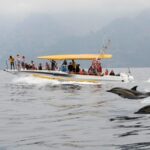
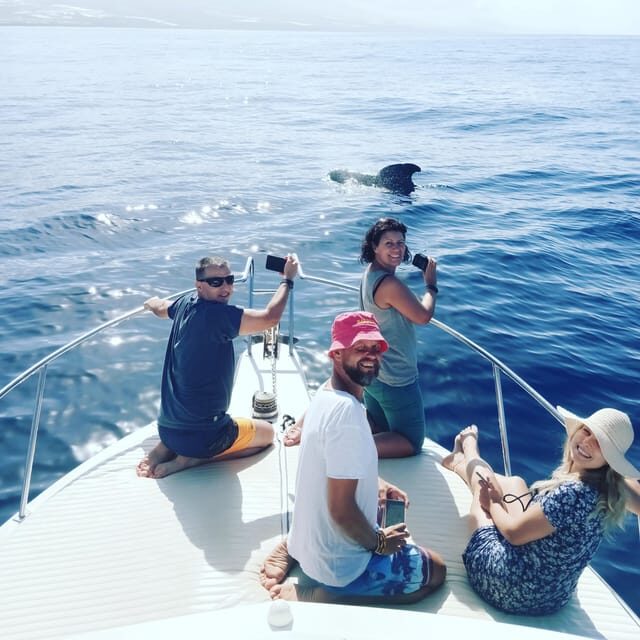
When it goes well, dolphins can appear very close to the boat—sometimes even moving alongside the nose area, with pod members swimming in your viewing lane. That’s the kind of encounter that makes you forget to take photos for a few minutes. Then, once you remember your camera, everything happens faster because you’re actually excited.
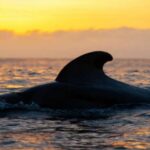
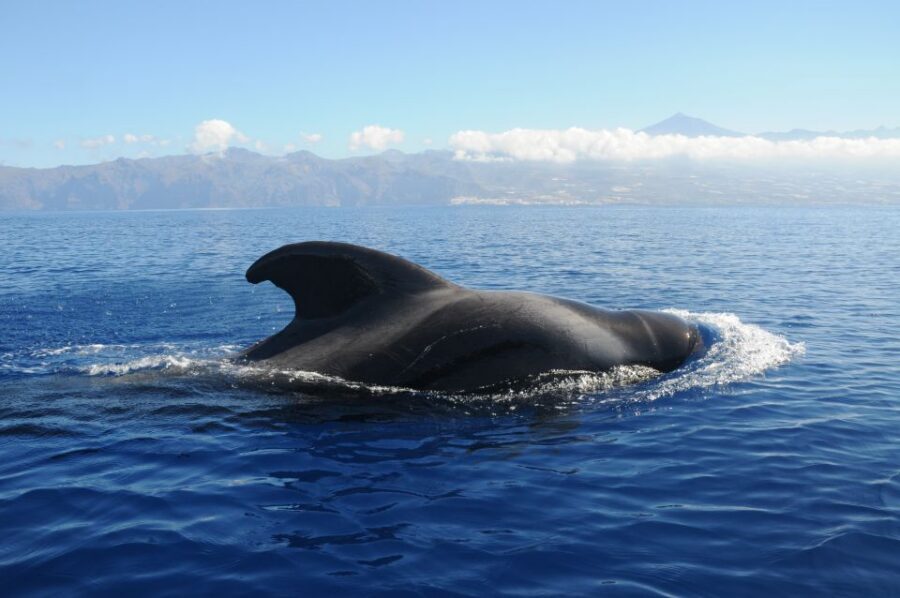
Pilot whales can also be the star. In those moments, you’ll understand why the tour is named the way it is. It’s not generic “whale watching.” It’s aiming at a specific cetacean in a specific water zone off La Gomera.
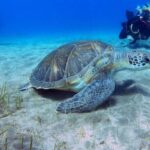
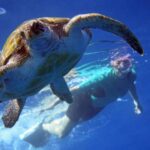
And don’t ignore the smaller sightings. Flying fish can pop out in surprising ways. Turtles may show up with surface breaks. Tuna schools might be visible as darker patches or activity patterns. Those signs don’t replace whales and dolphins, but they do make your trip feel like you’re watching the food chain in action.
Snorkeling expectations: masks included, conditions decide
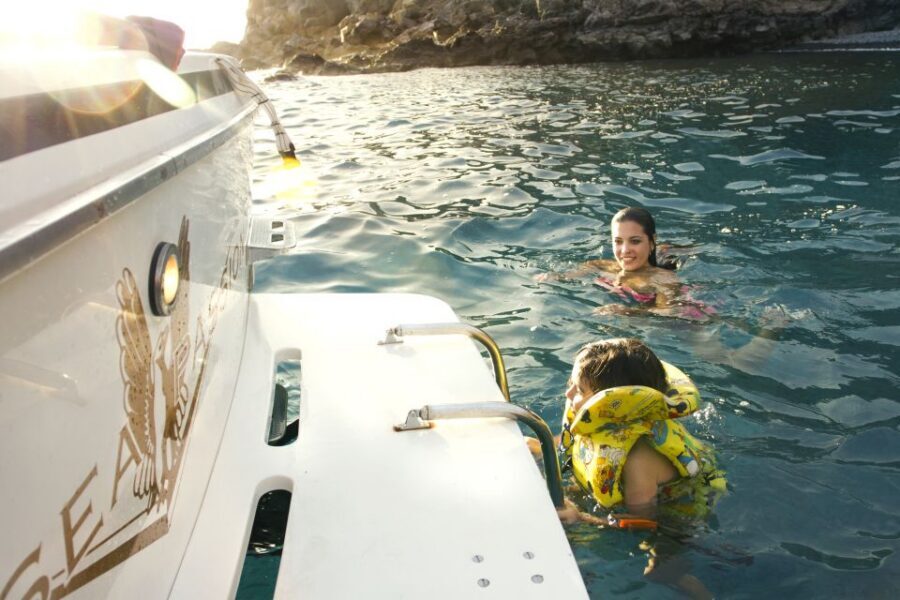
Here’s the practical bit: snorkeling is optional, and it depends on the sea conditions. The masks are provided onboard, and you may have the chance to swim in a designated area when conditions allow.
On calmer days, swimming around the boat can feel like the icing on the cake. On rougher or windy days, it might be uncomfortable or not happen as planned. One experience note you should take seriously is that poor water conditions can prevent snorkeling. That doesn’t mean the wildlife part fails. It just means your plan for being in the water should remain flexible.
My tip: if you’re bringing biodegradable sunscreen and beachwear, you’re doing the right thing. Just also remember that coastal weather can change fast around Tenerife and La Gomera. Dress in layers you can manage on a boat deck, and don’t assume every moment will be perfect for putting your face in the water.

Timing note: 3 hours of sea time plus the human side
The tour is listed as 3 hours, but it’s not just “3 hours of sailing at full speed.” Time includes boarding, cruising, observation, and the included snack and drinks. One important consideration you should keep in mind is that the snack moment can feel like a longer stop-on-board than you’d expect if you’re counting minutes tightly.
That isn’t automatically a bad thing. Sandwich + drinks can be part of why the cruise feels like a real outing rather than a rushed hunt. But if you have a tight schedule later in the day, give yourself some buffer.
The best strategy: treat this as an activity block, not a quick bolt-on. Plan a slow afternoon afterward. You’ll be happier, and you’ll get the most out of the sunset views if your timing lines up.
Price and value: what you’re actually paying for
At $77 per person, this cruise sits in the category of “not cheap, but it’s doing a lot.” The value comes from three things you can’t easily DIY:
- A captain who knows the local fauna and conditions
- Access to the right waters off La Gomera for pilot whale territory
- Gear and comfort: snorkeling masks plus a simple included food-and-drink setup
You’re also buying time on the water without hassle. No renting equipment, no figuring out where to go, no improvising safety decisions. If you’re traveling with limited time on Tenerife, it’s a smart way to focus your effort where sightings are more likely.
Could you find a cheaper boat? Sure. But this one’s price makes sense if you value expert navigation and explanation, plus the chance to add snorkeling if conditions cooperate. It’s the kind of outing that feels worth it when you’re there for wildlife, not just a photo stop.
What to bring (and what to skip)
This tour asks for normal sea-day prep. Bring:
- Hat
- Camera
- Biodegradable sunscreen
- Comfortable clothes
- Beachwear
You’ll also be happier if you pack in a way that works on a boat: something comfortable for sun and wind, and a way to keep your belongings secured. If you plan to snorkel, keep in mind that you’ll be dealing with salt air and water spray, so protect phones and cameras.
Skip anything that violates the rules: no feeding animals, no smoking indoors, and no fireworks or explosives of any kind. The experience also notes restrictions around intoxication. It’s a sensible list, and it helps keep the vibe focused on marine life, not chaos.
Who should book this marine life cruise?
This cruise is a great fit if you want:
- A small-boat style wildlife outing
- Serious effort toward cetacean sightings in pilot whale waters
- A captain-led explanation of what’s happening in the sea
It’s also ideal if you like a balanced pace—watching, listening, and then relaxing with the included snack and drinks while the ocean does its thing.
It might be less ideal if you’re the type who needs absolute certainty on snorkeling. Masks are included, and swimming may happen, but the ocean decides the final plan.
Quick, practical FAQ
FAQ
Where does the cruise depart from?
It departs from Puerto Playa San Juan on Tenerife.
How long is the Marine Life Cruise?
The duration is 3 hours.
How much does it cost?
The price listed is $77 per person.
What animals are the tour aiming to see?
The tour is designed for whale and dolphin watching, with the pilot whale area (Calderón Tropical) as a key part of the route.
Is snorkeling included?
Snorkeling masks are provided onboard, and swimming is offered as an optional part of the experience.
What’s included in the price?
The tour includes the 3-hour boat cruise and a sandwich plus drinks (soft drinks, and red and white wine).
What languages are available on the tour?
The host or greeter is listed as English and Spanish, and the activity notes those languages as available.
What’s the cancellation policy?
Free cancellation is available up to 24 hours in advance for a full refund.
What’s not allowed during the cruise?
The tour rules say intoxication is not allowed, smoking indoors is not allowed, and feeding animals is not allowed (along with prohibitions on firework/explosive substances and making fire).
What should I bring with me?
Bring a hat, camera, biodegradable sunscreen, comfortable clothes, and beachwear.
Should you book this cruise?
If you’re going to Tenerife and you want a whale-and-dolphin outing with a captain who actually explains the ocean, this is a strong choice. The price becomes easier to justify when you consider the combo: expert local guidance, targeted waters off La Gomera, and the included food-and-drink comfort on a smaller boat.
Book it if you’re happy to be flexible about snorkeling. On the best days, you’ll get wildlife close up and a great onboard atmosphere. On less cooperative days, you still have the core value: time in pilot whale waters with guided marine watching and science talk running the whole experience.