REVIEW · KAYAK & TURTLE SNORKEL
Diving course for beginners in turtle area Tenerife
Book on GetYourGuide →Operated by Meerjungfrau Apnoe Akademie ES · Bookable on GetYourGuide
If you want to try the ocean without feeling thrown in, this fits. You’ll get a real first-timer skills session in Tenerife’s Abades protected area, with a calm instructor-led pace and a chance to see sea turtles.
I especially like that you learn the basics of breathing underwater before you go far, and that you come home with a license card plus high-quality photos and videos. One thing to consider: you may not see turtles every time, since they’re wild, but the learning part and the marine life you do get will still make the experience worth it.
In This Review
- Key things to know before you go
- Abades meeting point at the beach: where the whole day starts
- Your instructor and the beginner briefing: what you learn before water
- Gear setup: neoprene suit, mask, fins, and the float-jacket feeling
- First steps in shallow water: safety and comfort come first
- The turtle area in Tenerife: colorful fish, wild turtles, and sting rays
- Photos, videos, and your certification card: why this package feels complete
- Price and value: what $100 buys you in Tenerife
- Who should book this beginner turtle-area course (and who shouldn’t)
- Practical rules and what to pack so the day stays easy
- Booking smart: language choice, comfort level, and turtle expectations
- Should you book this beginner turtle-area course?
- FAQ
- Where do we meet for the course in Tenerife?
- How long is the beginner experience?
- Is this course suitable if I have no experience?
- What is included in the price?
- Do I need to bring my own diving equipment?
- What should I bring with me?
- Can I touch turtles, fish, or other marine life?
- Is seeing sea turtles guaranteed?
- What languages are available for the instructor?
- What restrictions apply after the tour?
Key things to know before you go
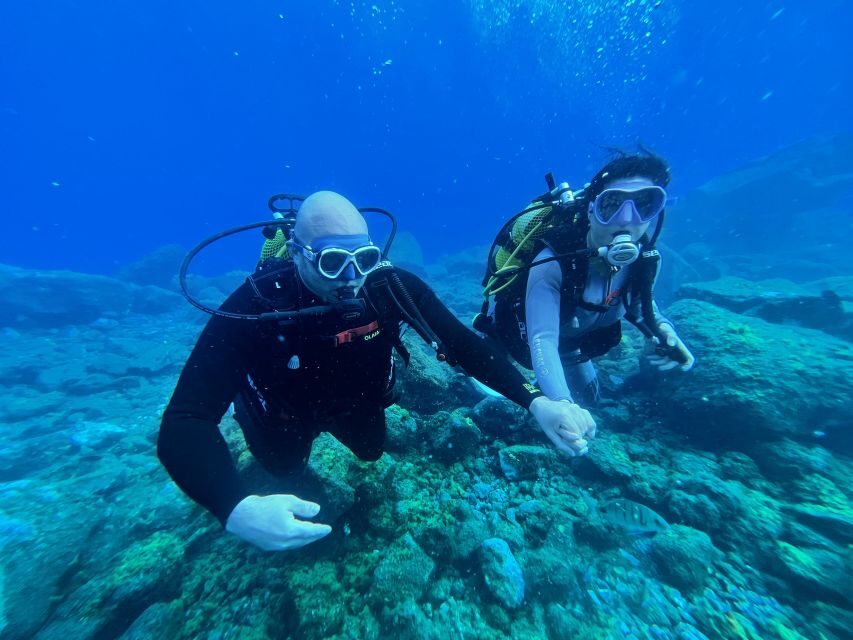
- Private group, no rush: you’ll be guided at a beginner pace so you don’t feel pressured
- Full equipment provided: neoprene suit, mask, fins, and the jacket you need to float safely
- Shallow-water training first: practice to help you feel safe and comfortable before moving deeper
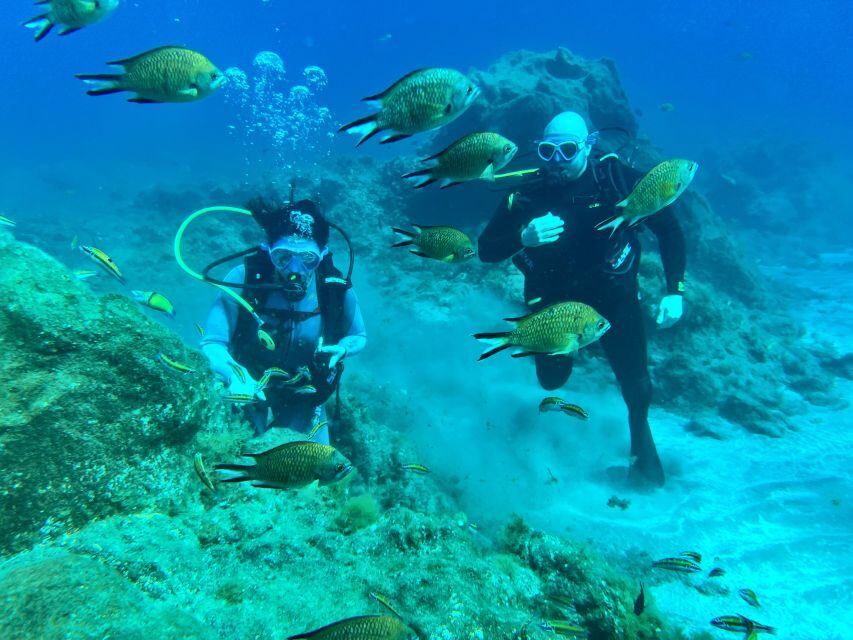
- Protected turtle area in Tenerife: your guide steers you toward colorful fish, and sometimes bigger sightings
- Photos and videos included: you get them directly after the tour, free and in top quality
- Language matters for safety: the course requires English, German, or Spanish so you can understand instructions
Abades meeting point at the beach: where the whole day starts
This experience is set up around the beach in Abades, at the waterfront meeting spot by the restaurant called Magilu. The area is described as a national protected park, and that matters because it shapes what you do underwater: you’re not just trying random open water, you’re working in a protected marine area where sea life is part of the plan.
I like that the day starts right where you’ll enter and exit the water. Less time guessing, fewer moving pieces, and more time focused on your first underwater skills.
One small practical note: the tour includes no food or drink, and it also doesn’t include a changing room or hot shower. So come ready to swim and towel off, and plan on grabbing something to eat after.
You can also read our reviews of more tours and experiences in Tenerife.
Your instructor and the beginner briefing: what you learn before water
Right after you meet, you get a full course covering the essentials of your first underwater experience. You’ll learn how to understand your equipment, how breathing works underwater, and what to do so you feel safe and in control.
The instruction is led by an experienced team with CMAS / international aquanautic club credentials. You’ll also have language support: the instructor can work in English, German, or Spanish. If you don’t speak one of these languages, the course can’t be made for safety, so pick your language carefully when you book.
One detail that’s clearly part of the vibe: the group is private and without rush. That shows up in the way the instruction is described in real feedback. In one review, the instructor Andres is called out as attentive and supportive, and another review highlights that the instructor helped the first-timer feel comfortable throughout.
Gear setup: neoprene suit, mask, fins, and the float-jacket feeling
Before you start the ocean part, you’ll put on the provided gear: neoprene suit, a jacket system for buoyancy, mask, and fins. The goal here isn’t just to look like a pro. It’s to help you feel stable and safe so your attention stays on breathing and movement.
If you’ve never worn scuba gear before, it helps to know what you’ll likely notice first:
- the snug feel of a neoprene suit
- the way the mask seals and changes your hearing
- how fins help your legs work in a different way than on land
This is also where you get your first comfort boost. The experience is designed so you enter the water gradually and build confidence step by step.
First steps in shallow water: safety and comfort come first
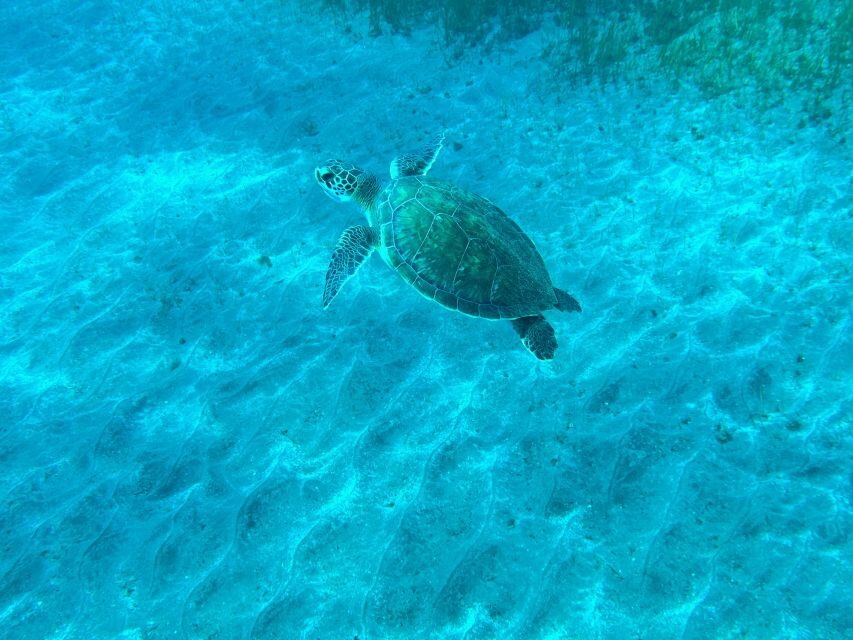
Once you’re in, you start in shallow water. You’ll do your first movements with the gear so you can learn what feels natural and what feels awkward, then adjust with help from the instructor.
This is the moment that makes the whole course make sense for beginners. You’re not just jumping into deep water and hoping for the best. You practice until you feel comfortable with your setup, and you’re guided through the basics so your breathing stays steady.
If you’re worried about fear or nerves, this is also where you’ll appreciate the teaching style. The course description specifically calls out that the instructors love helping even if you’re afraid, and the private-group format helps keep things calm.
The turtle area in Tenerife: colorful fish, wild turtles, and sting rays
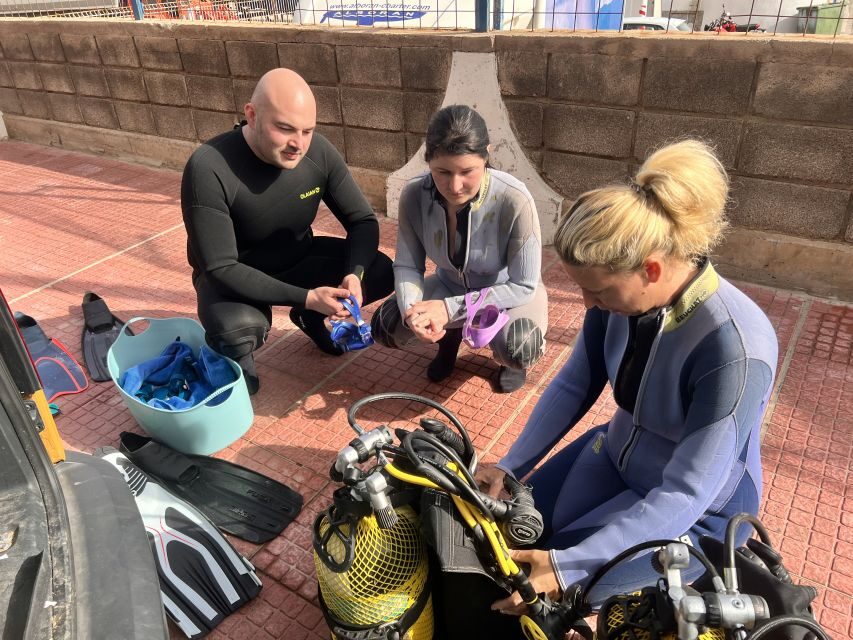
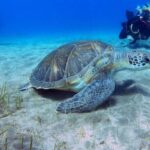
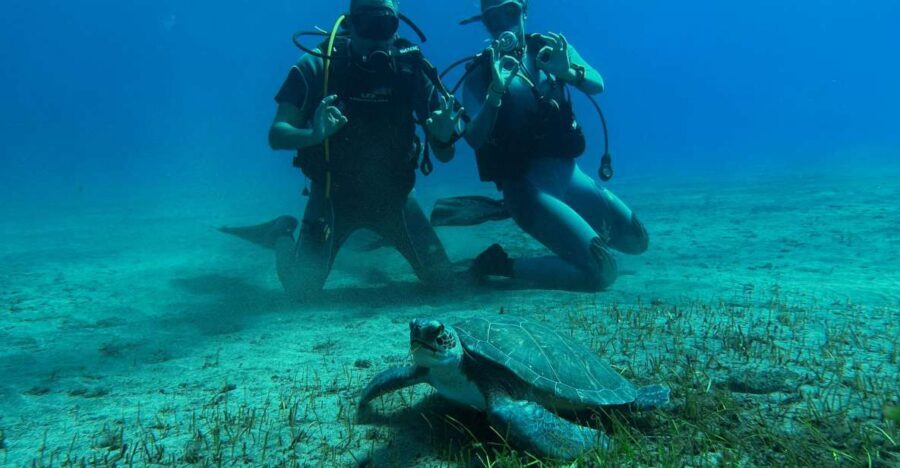
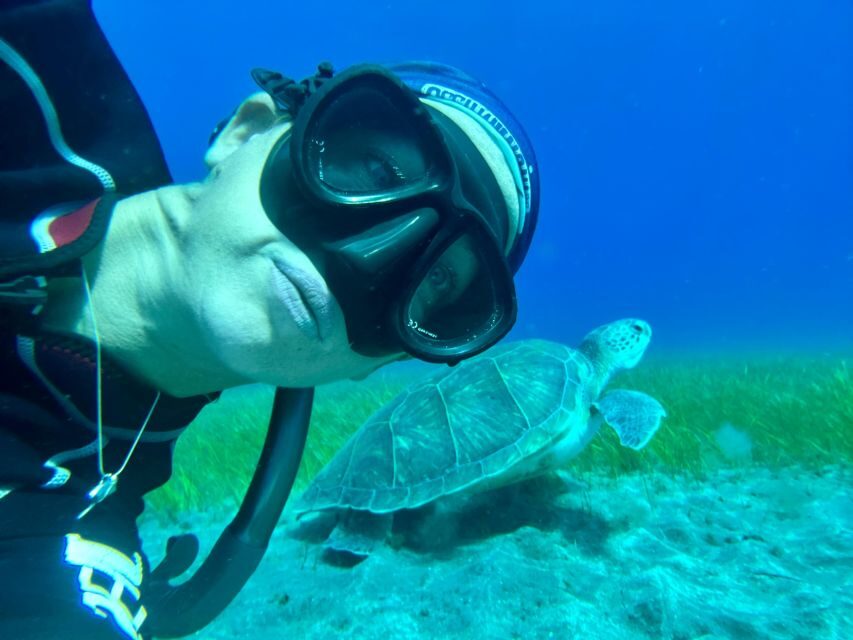
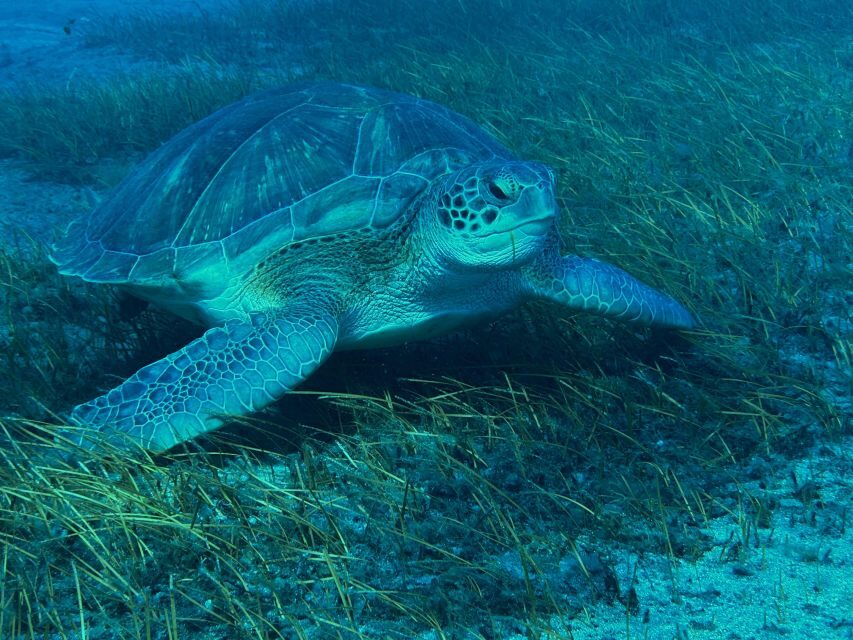
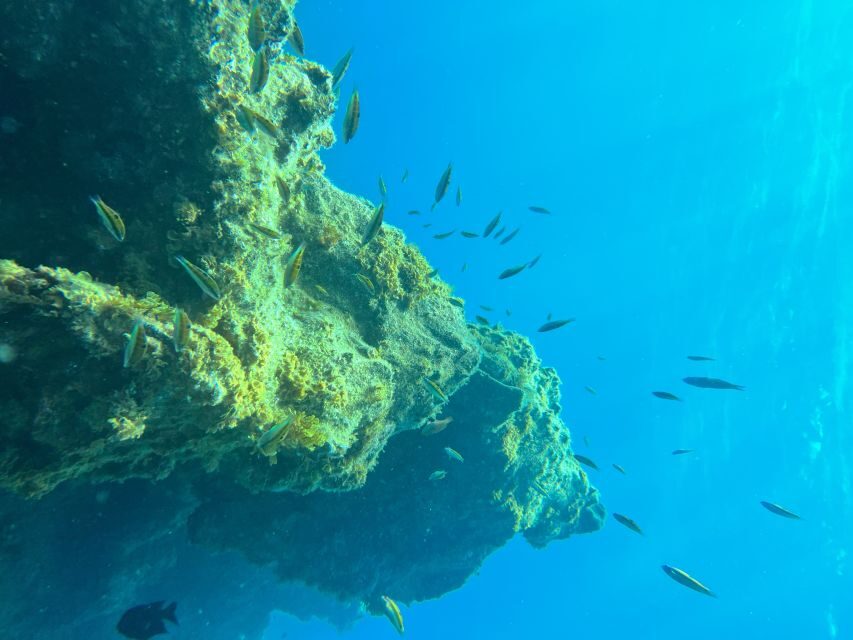
After your shallow-water practice, you’ll be safely guided to the marine life in the Tenerife Atlantic Ocean turtle area within the protected park. This is where your course turns into an actual underwater encounter.
What you can look for:
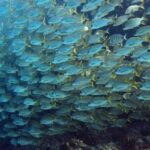
- colorful fish and sea life waiting in the area
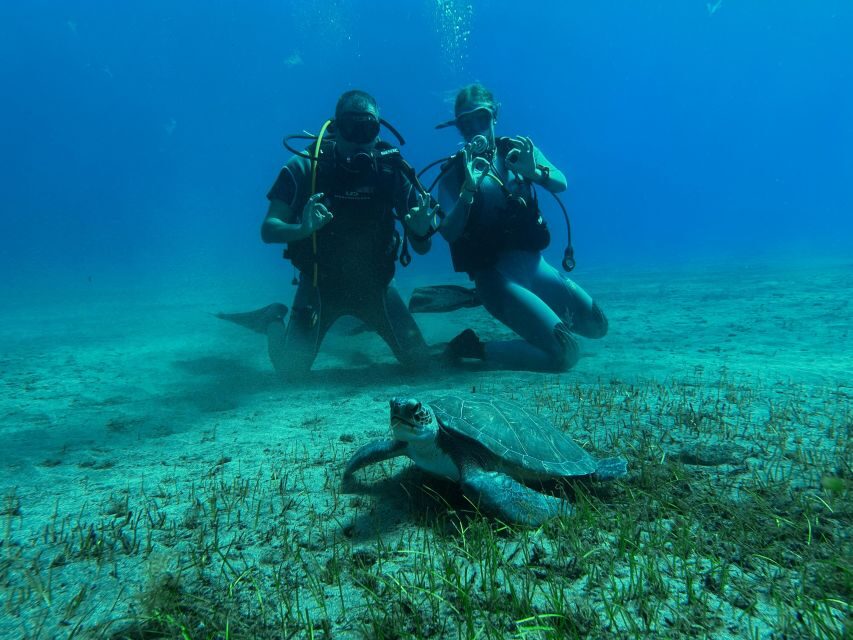
- a chance of seeing sea turtles
- sometimes sting rays, depending on conditions
One realistic point: turtles are wild. Sometimes they’re there, sometimes they’re not. Your guide can’t control animal movement, but you still shouldn’t leave disappointed if you don’t get a turtle sighting. The experience is built around learning your underwater breathing and enjoying the ocean life you do see.
I also like that the guidance is active. When you’re new, you don’t know how to position yourself or avoid accidentally scaring animals. Having an instructor lead the way keeps the experience smooth and respectful.

Photos, videos, and your certification card: why this package feels complete
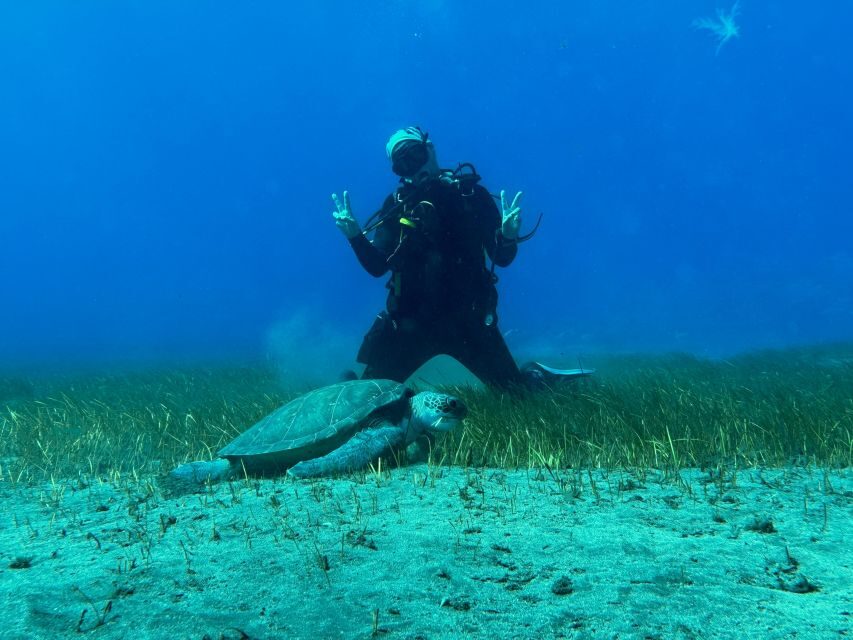
A big part of the value is what happens after the water. During your time underwater, you’ll get a lot of photos and videos. They’re included for free and provided directly after the tour, described as top quality.
Then you go back to the beach and receive your license card for your first underwater experience. That’s not just a souvenir. It gives the trip an actual milestone feeling—something you can show later, especially if you want to build on this as a future hobby.
In one review, the overall experience is described as being supported with great care for beginners. Another review mentions that help underwater was solid even when the instructor’s English was only moderate—because once you’re underwater, you don’t need fancy talk as much as you need clear guidance and calm corrections.
Price and value: what $100 buys you in Tenerife
At about $100 per person for 3 hours, this is priced like a full beginner package rather than a barebones rental. Here’s why that matters for value:
Included for the price:
- full underwater equipment
- diving insurance
- an experienced instructor (CMAS / international aquanautic club)
- the certification card
- photos and videos free, delivered right after
Not included:
- food and drink
- changing room
- hot shower
So you’re paying for instruction, equipment, and the real “you can prove it later” parts (card + media). If you were to price those separately—gear, insurance, guided learning, and professional photos—the cost would likely climb fast.
Also, note the private-group approach. Even if there’s more than one person, it’s described as private, and the tone is without rush. That’s the kind of small difference that can make beginners feel more comfortable.
Who should book this beginner turtle-area course (and who shouldn’t)
This is designed for beginners and states you don’t need experience. It’s possible from 10 years old and mentions it can be done without health problems like heart, lungs, or ear issues.
Still, this isn’t for everyone. Based on the provided rules:
- Not suitable for children under 10
- Pregnant women should not book
- People with heart problems, respiratory issues, or certain ear issues shouldn’t do it
- People with panic attacks are told it’s not the best sport for them
- Non swimmers are possible but complicated, so only choose it if you’re comfortable with that reality and can follow the instructor closely
If you wear glasses: the rules say people with glasses have to wear contact lenses. That’s worth planning for before your trip.
And one safety detail I’d take seriously: touching marine life, animals, or plants is not allowed. So you’ll want to be ready to keep hands to yourself and let the ocean come to you.
Practical rules and what to pack so the day stays easy
Bring:
- swimwear
- a towel
Don’t bring or do:
- alcohol and drugs
- any touching of marine life, animals, or plants
After the tour, plan your timing carefully. There are specific restrictions:
- No flights up to 12 hours after the trip
- Avoid extreme sports after the trip
- Don’t visit Teide within 9 hours after the trip
Those rules are the kind of thing that’s easy to forget when you’re excited. Put them on your schedule now, not later.
Also remember: no hot shower and no changing room are included. So if you like to feel fresh right after, plan on quick rinsing and then head out for food and warmth.
Booking smart: language choice, comfort level, and turtle expectations
Before you book, decide two things.
First: your language. The course requires English, German, or Spanish so you can understand instructions for safety. If your level isn’t strong, pick the option where you’ll feel most confident.
Second: your expectations about wildlife. Yes, it’s the turtle area and you might see sea turtles and sting rays. But turtles aren’t guaranteed. The ocean is a living place, and wild animals move when they choose.
Finally, if you’re nervous: this course is set up for beginners and even includes reassurance that instructors help people who feel afraid. Still, if you know panic attacks are a serious trigger for you, the rules say it’s not the best sport. That’s not a scare tactic—it’s trying to protect you.
Should you book this beginner turtle-area course?
Book it if you want a structured first underwater experience with equipment, insurance, instruction, and a real keepsake package (license card + photos/videos). The private, no-rush style is especially good if you’re a beginner who needs time to feel comfortable.
Skip it if you have respiratory, heart, or ear problems, if you’re pregnant, if panic attacks are a major issue for you, or if you can’t follow the key safety requirements (like the no-touch rules and post-trip restrictions). If those boxes work for you, this is a solid way to see Tenerife’s underwater life while learning how to breathe underwater with support from an experienced team.
FAQ
Where do we meet for the course in Tenerife?
You meet at the beach in Abades, where you will see a restaurant called Magilu.
How long is the beginner experience?
The duration is 3 hours.
Is this course suitable if I have no experience?
Yes. It’s described as a beginner course and you don’t need experience.
What is included in the price?
It includes full underwater equipment, diving insurance, an experienced instructor (CMAS/international aquanautic club), a certification card, and photos and videos of your trip for free.
Do I need to bring my own diving equipment?
No. The equipment is provided.
What should I bring with me?
You should bring swimwear and a towel.
Can I touch turtles, fish, or other marine life?
No. Touching marine life, animals, or plants is not allowed.
Is seeing sea turtles guaranteed?
No. Sea turtles are wild animals, and they cannot always be found.
What languages are available for the instructor?
The instructor can work in English, German, and Spanish. If you don’t speak one of these languages, the course cannot be made for your safety.
What restrictions apply after the tour?
You should avoid flights for up to 12 hours after the trip, avoid extreme sports after the trip, and avoid visiting Teide for 9 hours after the trip.