REVIEW · WHALE & DOLPHIN WATCHING
Costa Adeje: Whale Watching Eco Experience with Hydrophone.
Book on GetYourGuide →Operated by Atlantic Eco Experience · Bookable on GetYourGuide
Sound changes the way you see whales. In Costa Adeje, you get a whale watching trip built around listening as much as looking, using a hydrophone to catch the sounds dolphins and whales make. It’s set in Europe’s only whale sanctuary, so the whole experience is designed around respectful, natural behavior.
What I really like is the “engine-off” style of wildlife viewing paired with active listening. When the boat turns off during sightings, it helps you get closer to what the animals are actually doing—not just what you’re hoping to spot. The hydrophone turns that into a hands-on moment where you’re not passive; you’re interpreting sound and behavior together.
My second favorite part is the feel of the trip: a small crew and small group. You’re on a boat limited to ten passengers, and there’s a biologist aboard who explains the fauna you may encounter and what conservation efforts actually mean in the real world. One consideration: like any wildlife outing, sightings can’t be guaranteed, and the 2.5-hour outing works best when you’re okay with moving with the ocean rather than expecting one perfect moment on schedule.
In This Review
- Key takeaways before you go
- Why Costa Adeje is the right place for whale watching
- Getting on Papacho 2: small group, real attention
- Your onboard biologist: what you learn while you sail
- Hydrophone whale listening: the part that makes it feel different
- The wildlife you might spot: whales, dolphins, turtles, seabirds
- Engine-off etiquette: why it’s more than a feel-good rule
- Conservation in action: rescue, sustainability, and research links
- Itinerary feel and what “2.5 hours” means for your day
- What to bring (and what to expect out on the water)
- Who this whale watching eco experience suits best
- Price and value: what you’re really paying for
- Should you book Atlantic Eco Experience in Costa Adeje?
- FAQ
- How long is the whale watching experience?
- How big is the group?
- Do they use a hydrophone?
- What animals might I see?
- What languages are available?
- What should I bring, and can I cancel?
Key takeaways before you go
- Europe’s only whale sanctuary makes this less of a show and more of a protected wildlife experience
- Hydrophone listening adds a whole extra layer beyond eyesight
- Small group (max 10) means closer attention from the crew and easier questions
- Engines completely off during sightings to reduce disturbance
- A biologist onboard gives context on species and conservation, not just spotting tips
- Conservation work included through rescue efforts and participation in pilot-whale research
Why Costa Adeje is the right place for whale watching
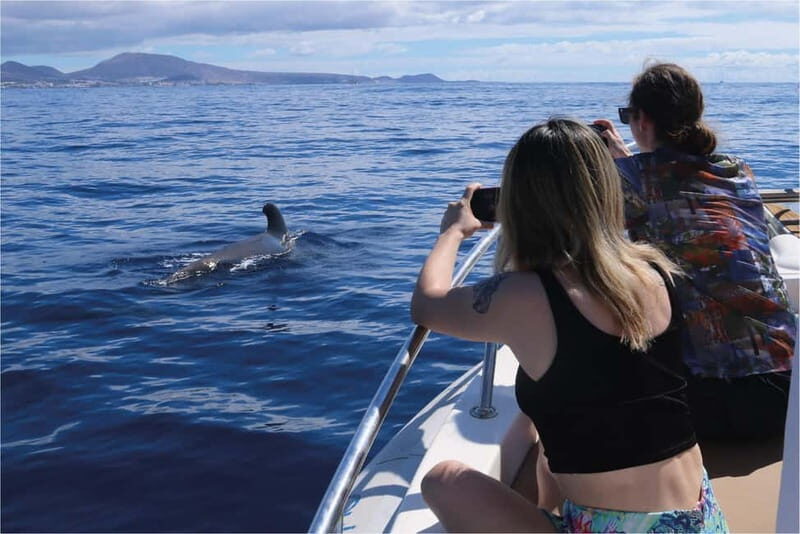
If you care about doing wildlife viewing the responsible way, Costa Adeje has a strong case. This trip operates on the south coast of Tenerife inside what’s described as Europe’s only whale sanctuary. That matters because it sets the tone: you’re not just chasing animals for photos. The goal is respectful distance, minimal disturbance, and better understanding of marine life.
You’ll also notice the experience is built around multiple senses. Most whale watching is mostly visual: you scan the water and hope. Here, you’re encouraged to pay attention to sound, too, by using a hydrophone. Even if you’ve never studied animal calls before, the trip frames what you’re hearing in a way that connects to communication and hunting.
The best part? This isn’t presented like a vague eco pitch. You’re given practical reasons for the rules—like turning the engines off—so you understand why the experience is structured the way it is.
You can also read our reviews of more whale watching tours in Tenerife

Getting on Papacho 2: small group, real attention
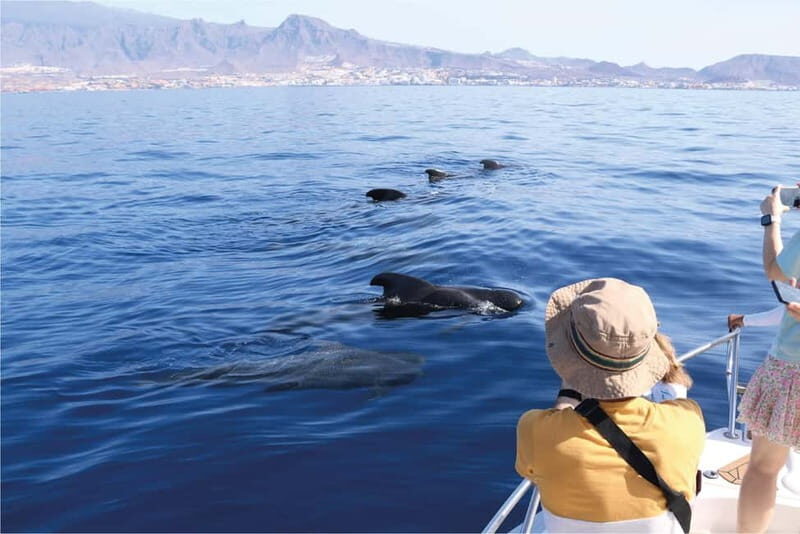
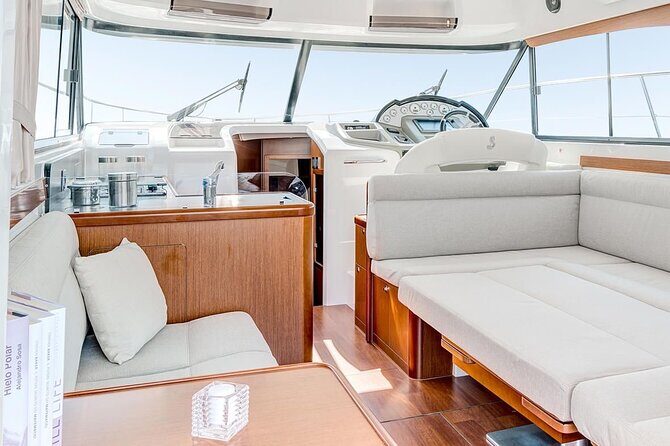
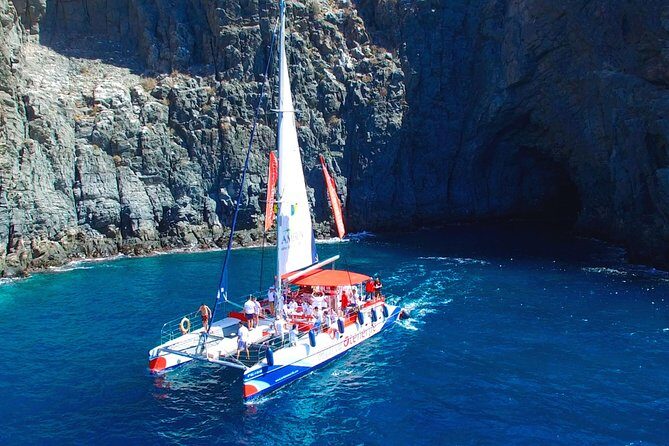
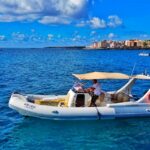
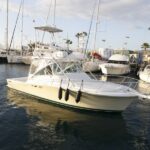
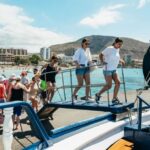
You meet at the designated meeting point, then head out at the agreed time aboard the boat Papacho 2. Capacity is capped at ten passengers, and the crew includes two highly trained team members (with a biologist onboard who leads the wildlife explanation).
On a boat that size, you avoid the “everyone is shouting over everyone” vibe. That smaller format is a big part of the value because it changes how you experience the trip:
- You can actually hear the biologist during key moments.
- The crew can notice what you’re seeing and help you interpret it.
- You’re less likely to feel like you’re packed in just to count sightings.
They also include drinks onboard, which is a small comfort that helps you stay focused on the water and not on being uncomfortable halfway through.
If you’re traveling with kids, that small-group setup is one reason the trip shows up as family-friendly. The goal is a calm, understandable experience—not a rushed sprint for sightings.
Your onboard biologist: what you learn while you sail
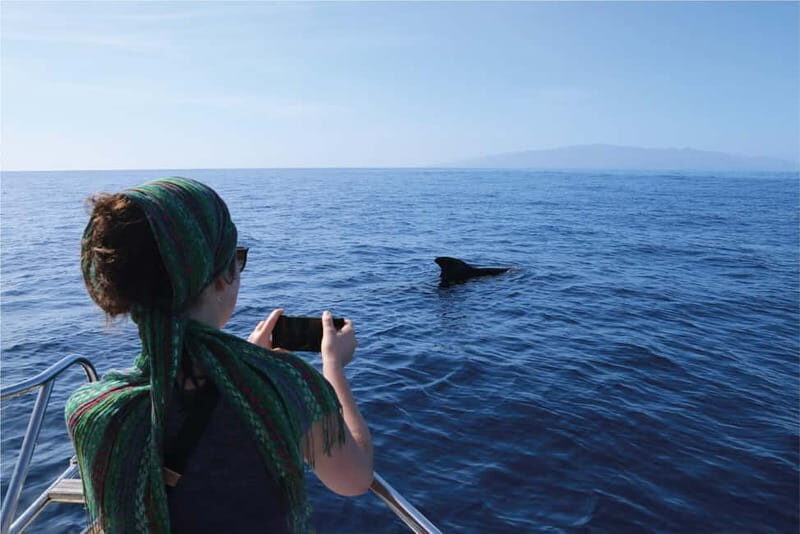
Before you’re out there scanning for whales, you’re not left guessing. The biologist onboard explains the fauna you can find and the keys to conservation. That’s important because whale watching can turn into a simple checkbox—see whale, done. With this trip, you’re learning what you’re looking at and why it matters.
The briefing connects to a few specific conservation activities the operator highlights:
- they participate in the rescue of injured animals in their natural habitat
- they support ongoing efforts like photo-identification work related to pilot whales in the Canary Islands
- they are part of ACEST (Association of Companies for the Sustainability of Tourism), which signals that the approach is tied to sustainability practices rather than only marketing
You’ll feel the difference between a generic talk and one that connects to the trip’s rules. When the crew later approaches sightings at a respectful distance and powers down the engines, it all makes more sense.
Hydrophone whale listening: the part that makes it feel different
Here’s the signature feature: active cetacean listening. During the sighting, the boat’s engines are completely turned off, and the team launches a hydrophone. The idea is to listen to sounds animals use to communicate or to hunt.
Even if you don’t know what whale sounds “should” feel like, the hydrophone changes your role. Instead of just searching the horizon with your eyes, you also listen and connect:
- You watch for movement, then listen for activity.
- You try to match what you’re seeing with what you might be hearing.
- You treat the moment like a natural interaction rather than an animal “performance.”
This is also one reason the trip is built around a protected environment. The quieter the setup, the more likely you are to get a clear sense of what the animals are doing on their own terms.
And yes, the visual side still counts. The boat can get close enough for strong viewing, and pilot whales are specifically highlighted as something you may see in quantity. But the hydrophone is what makes the experience stick in your memory after the trip—because it adds interpretation, not just sightings.
The wildlife you might spot: whales, dolphins, turtles, seabirds
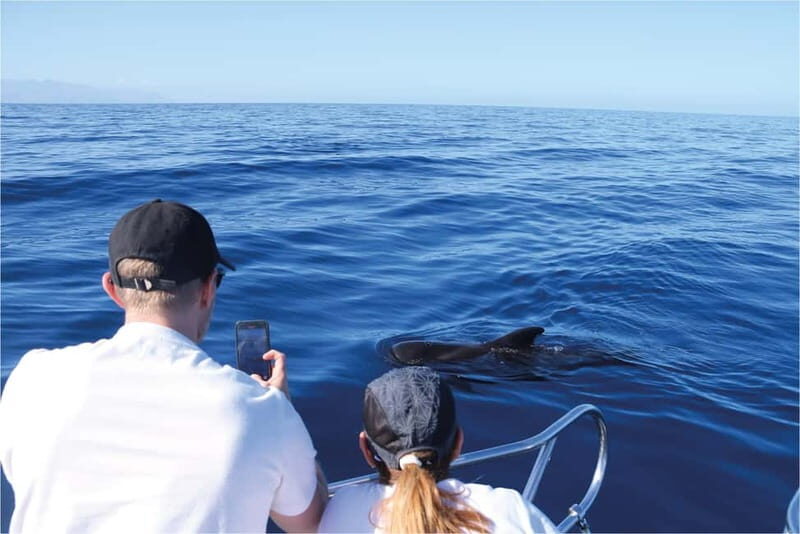
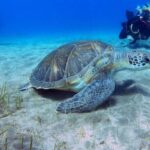
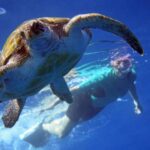
The experience is designed to look for multiple marine species, not just one. During the tour, the team approaches different groups of cetaceans, as well as turtles and seabirds, while respecting animal space and natural behavior.
A few things to keep in mind about how this usually works in practice:
- “Approach” here doesn’t mean crowding. The emphasis is on not interfering.
- The crew’s job is to interpret behavior with you, not force a view.
- Your best sightings can come in waves; you might see one group, then the ocean shifts and a different group appears.
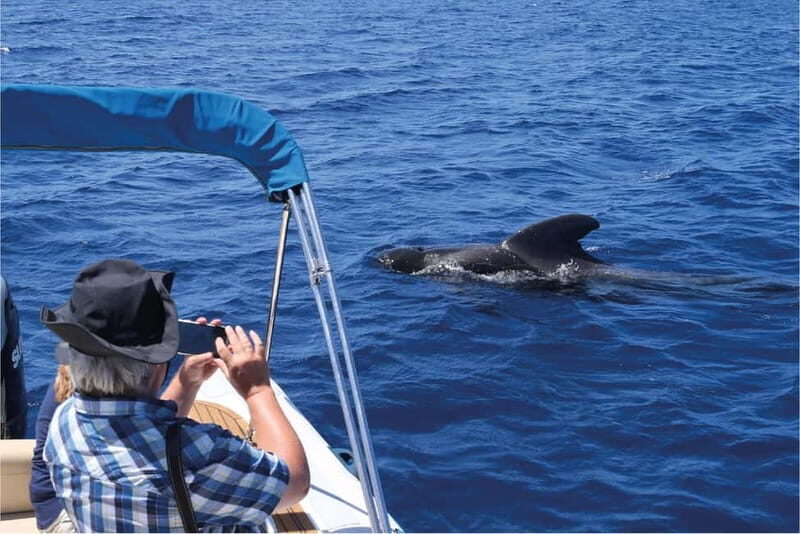
What’s strongly supported is the frequent mention of pilot whales. If seeing pilot whales is on your bucket list, this is one of the trips that’s most likely to deliver that kind of encounter, because it explicitly references work like photo-identification cataloging of pilot whales in the region.
And dolphins are part of the mix too. You may spot them visually, but the hydrophone is also there to help you notice their presence in another way—through sound-based cues.


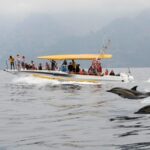
Engine-off etiquette: why it’s more than a feel-good rule
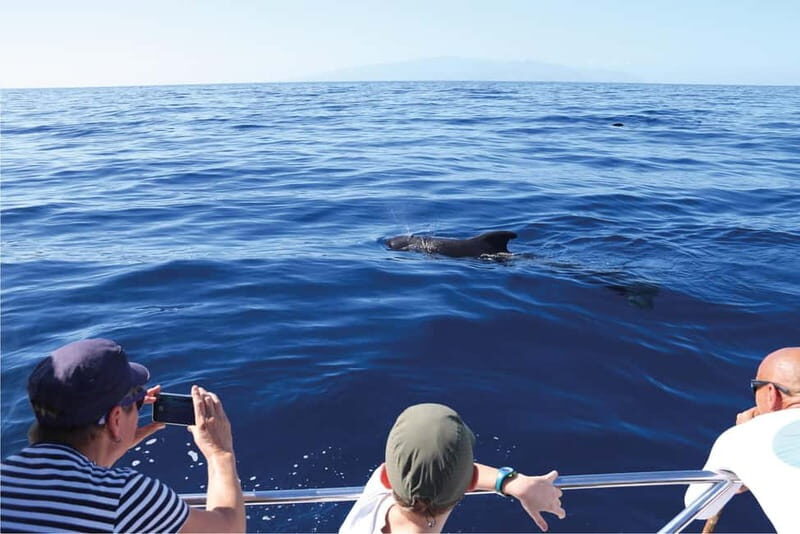
One of the most practical details here is that during sightings, they completely turn off the boat’s engines. That’s not just for comfort; it’s a disturbance-management tactic. The whole experience is built around sustainability and preservation, and this is one of the rules you can feel in the moment.
When the engines are off, you typically get:
- a quieter environment
- less disruption to animals’ normal routines
- more usable audio when the hydrophone is launched
This matters because whale and dolphin behavior changes when noise and vibrations increase. The trip’s approach—maintain a safe distance, then reduce noise—helps you get a more natural view of how animals communicate, search, and move through their world.
It also helps you shift expectations. Instead of thinking you need the boat to drive straight toward the animals, you learn that good wildlife viewing often looks like patience, repositioning, and listening.
Conservation in action: rescue, sustainability, and research links
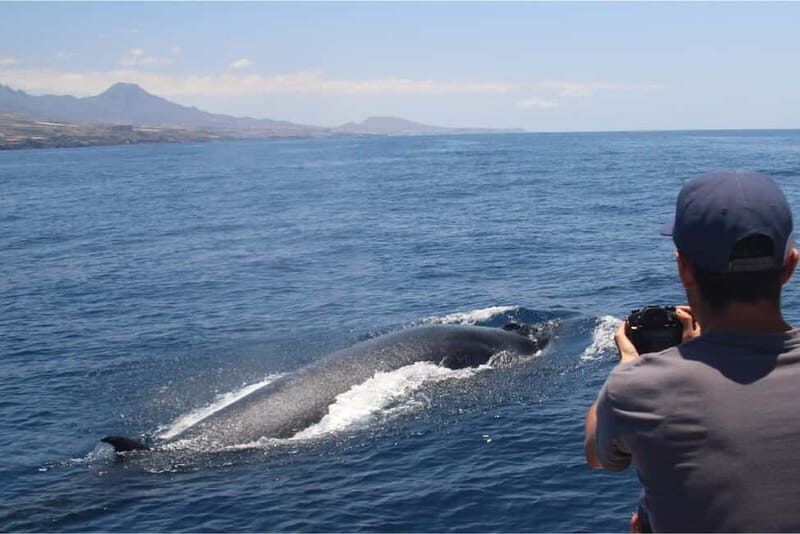
This operator’s eco message isn’t only about rules on the water. They also highlight involvement in the rescue and rehabilitation of injured marine animals with an aim toward recovery and reintegration into the ecosystem.
That’s a big deal for two reasons:
- It means the experience isn’t just about tourists. There’s an ongoing real-world component tied to marine life.
- It frames sustainability as active work, not a passive label.
They also collaborate in scientific efforts like a photo-identification catalog of pilot whales in the Canary Islands. Photo-identification is often used to track individuals over time. It helps researchers understand populations and behavior patterns in a way that supports better protection.
If you care about value, this is the kind of detail that justifies choosing a specific company rather than an interchangeable cruise. You’re supporting an operator that connects your outing to conservation and research.
Itinerary feel and what “2.5 hours” means for your day
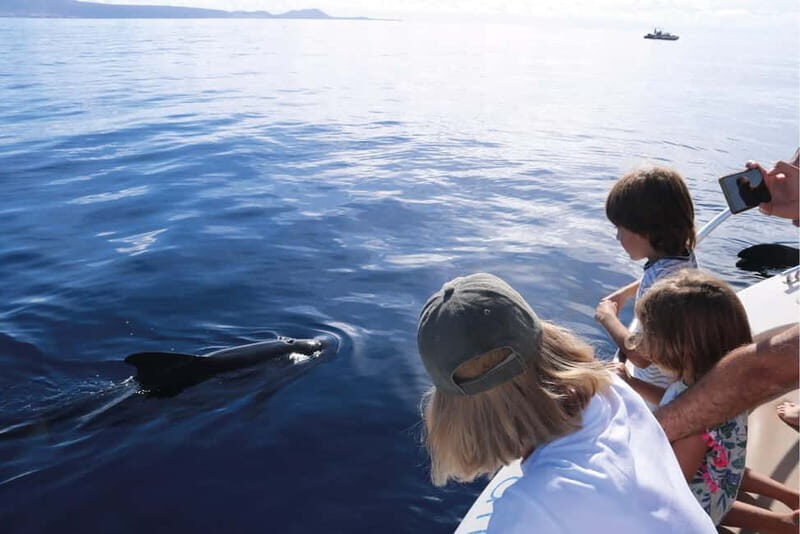
This trip runs about 2.5 hours, and you’ll want to check availability to see starting times. That duration is a sweet spot for many visitors in Tenerife:
- long enough to wait for sightings
- short enough to fit into a day without eating your whole schedule
- manageable for families when they’re prepared for ocean time
What’s not rigid here is “your exact whale moment.” The schedule is essentially: meet, sail out, get briefed, scan for wildlife, approach responsibly when animals appear, and use the hydrophone during sightings.
That flexibility is normal in marine wildlife watching. The advantage is that the crew is trained to interpret behavior and respond to what the water gives that day—rather than forcing the experience to match a script.
What to bring (and what to expect out on the water)
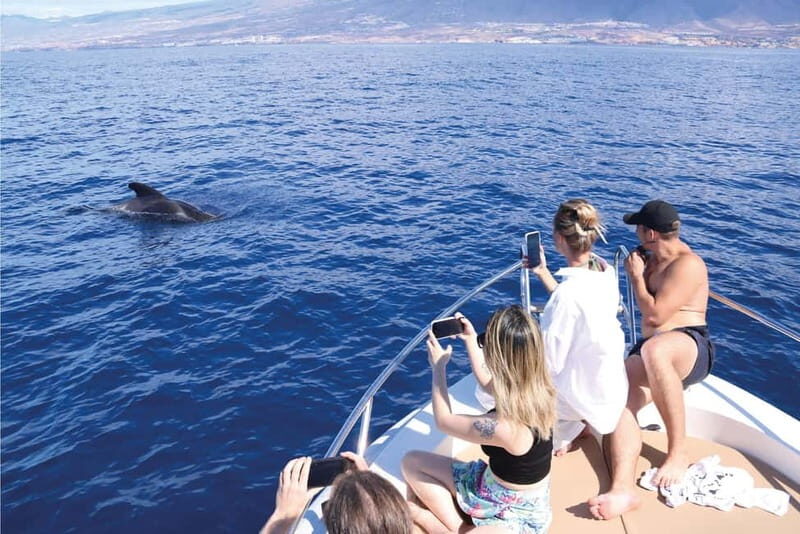
The essentials are simple, and they’re listed for a reason. Bring sunglasses, a sun hat, and sunscreen. Tenerife sun can be strong, and even on a boat trip you still get exposed.
You’ll also do best if you dress for comfort: light layers can help if you feel cooler on the water. The trip includes drinks onboard, which helps you stay comfortable during the full 2.5 hours.
You should also expect a calm, rules-based outing:
- the crew keeps safe distance
- the focus stays on the animals’ natural behavior
- engines are shut off during sightings
- the hydrophone is part of the experience, not a gimmick
If you’re sensitive to noise or vibration, the engine-off approach is a major plus.
Who this whale watching eco experience suits best
This is a great fit if you want whale watching with substance. In particular, I’d point you toward this experience if:
- you’re coming to Tenerife for marine wildlife and want more than simple spotting
- you prefer small-group tours where you can hear explanations and ask questions
- you like conservation-focused travel with visible actions (rescue work and research involvement)
- you’d enjoy an experience that teaches you to interpret both sound and sight
It’s also described as suitable for families with small children. That makes sense when you consider the small group, the biologist-led explanations, and the calm approach to viewing rather than a hectic scramble.
Price and value: what you’re really paying for
Even without a specific price listed here, you can judge value by what’s included and what the operator prioritizes.
You’re getting:
- a ten-passenger limit for a more personal experience
- a biologist onboard who explains fauna and conservation keys
- drinks onboard
- an engine-off policy during sightings
- hydrophone listening, with the crew helping you interpret animal behavior
- a conservation story tied to rescue and rehabilitation and pilot-whale photo-ID research
That mix makes it more than a standard “boat + sightings” outing. The value is in the method: reduced disturbance, guided understanding, and a clear link to conservation work.
Should you book Atlantic Eco Experience in Costa Adeje?
If your ideal whale watching trip includes respectful distance, a small group, and real interpretation—book it. The standout differentiator is the hydrophone plus the engine-off approach. That combination turns the trip into something you can understand, not just something you watch from a distance.
Book it especially if pilot whales are high on your list and you want to learn how marine life communicates and hunts. And if you care about eco travel that connects to rescue and research efforts, this operator gives you specific reasons why their approach matters.
The only reason to hesitate is the usual one for wildlife: nature doesn’t promise sightings on demand. If you can handle that, you’ll likely enjoy the trip’s thoughtful format and the chance to experience whales and dolphins in Europe’s protected sanctuary setting.
FAQ
How long is the whale watching experience?
It lasts about 2.5 hours. You can check availability to see starting times.
How big is the group?
The boat has a maximum capacity of ten passengers, and the crew focuses on small-group attention.
Do they use a hydrophone?
Yes. During sightings, they turn off the engines and launch a hydrophone so you can listen to sounds whales and dolphins use to communicate or to hunt.
What animals might I see?
The tour focuses on cetaceans and may include dolphins and whales, plus turtles and seabirds depending on what’s in the area that day.
What languages are available?
The live tour guide is available in English and Spanish.
What should I bring, and can I cancel?
Bring sunglasses, sun hat, and sunscreen. You can cancel up to 24 hours in advance for a full refund, and you can also reserve and pay later.