REVIEW · WHALE & DOLPHIN WATCHING
Costa Adeje | Cetacean sighting in Tenerife South
Book on Viator →Operated by Atlantic Eco Experience · Bookable on Viator
Whalesong gets real quiet out there. This eco cruise keeps the group small, lets a biologist explain what you’re seeing, and uses a hydrophone so you can listen to how whales communicate. You’re also on a boat designed to limit disturbance, with engines switched off during sightings.
What I like most is the small group size (max ten), which makes the whole trip feel personal without being chaotic. I also love the hydrophone element, because hearing the calls changes whale watching from a sight game into a sound-and-behavior experience.
One drawback to consider is simple: this kind of wildlife cruise depends on conditions. If the weather is poor, the trip may be changed or refunded, and sea motion can be real depending on the day.
In This Review
- Key points to know before you go
- Costa Adeje to the open water: why small-group eco whale watching works
- Where to meet and what the Papacho 2 setup feels like
- Engine-off rules and the hydrophone: the part you’ll remember
- What the biologist talks about while you’re watching
- The wildlife cruise flow: how sightings and respect work in practice
- Price and value: what you’re really paying for
- What to bring for a 2.5-hour outing in Tenerife sun
- Who this tour fits best in Tenerife South
- Quick planning checks: timing, confirmation, and weather reality
- Should you book Atlantic Eco Experience for cetaceans off Tenerife South?
- FAQ
- What is the meeting point for the Costa Adeje cetacean tour?
- How long is the tour?
- How many people are on the boat?
- What boat do they use?
- Is the tour in English?
- What marine life might you see?
- Do they use a hydrophone?
- What happens if the weather is poor?
- Are service animals allowed?
Key points to know before you go
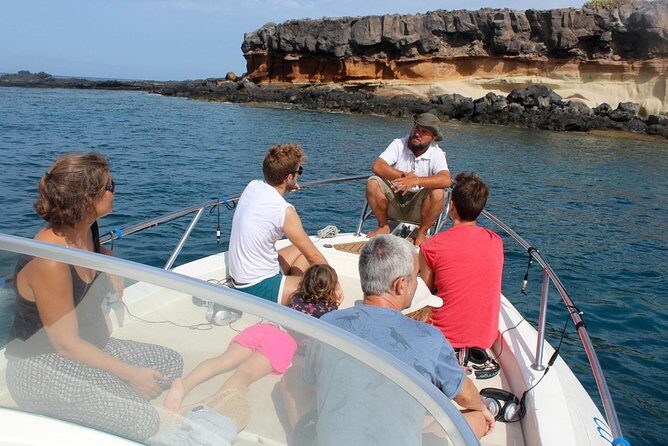
Up to 10 passengers on the Papacho 2 means better sight lines and more Q&A time.
Engines off during sightings helps you watch without pushing animals around.
A hydrophone turns whale communication into something you can actually listen to.
Non-invasive approach rules focus on respecting animal space and natural behavior.
Biologist-led conservation talk links local species to real protection work.
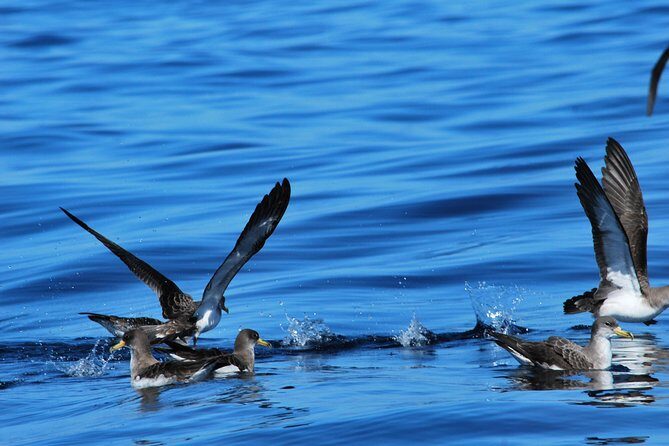
You might see more than whales, including dolphins, porpoises, sea turtles, and seabirds.
Costa Adeje to the open water: why small-group eco whale watching works
Tenerife South is packed with ocean tours, but this one plays a different game. Instead of competing for space around wildlife, the tour is built around space itself. When you’re only up to ten people, you can move your attention from one pod to another without everyone blocking the view or crowding the water.
The tour is also led by a marine biologist on board, so you’re not just watching for the next splash. You’re learning what behavior likely means in plain terms, and how conservation connects to what you notice out on the water. It’s the difference between seeing animals and understanding why they’re there.
The price is about $71.35 per person for roughly 2 hours 30 minutes. That’s not the cheapest option on the island, but you’re paying for a smaller boat, expert interpretation, and a more careful wildlife protocol (including engine-off time and the hydrophone). In practice, it often feels like better value than longer, louder, higher-capacity cruises that run on volume rather than focus.
You can also read our reviews of more tours and experiences in Tenerife.
Where to meet and what the Papacho 2 setup feels like
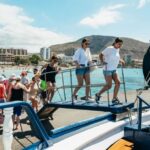
You’ll start at Av. de Colón, 4, 38660 Costa Adeje and return there at the end. It’s near public transportation, so you’re not stuck planning a complicated transfer. The trip runs on a mobile ticket, so have it ready on your phone.
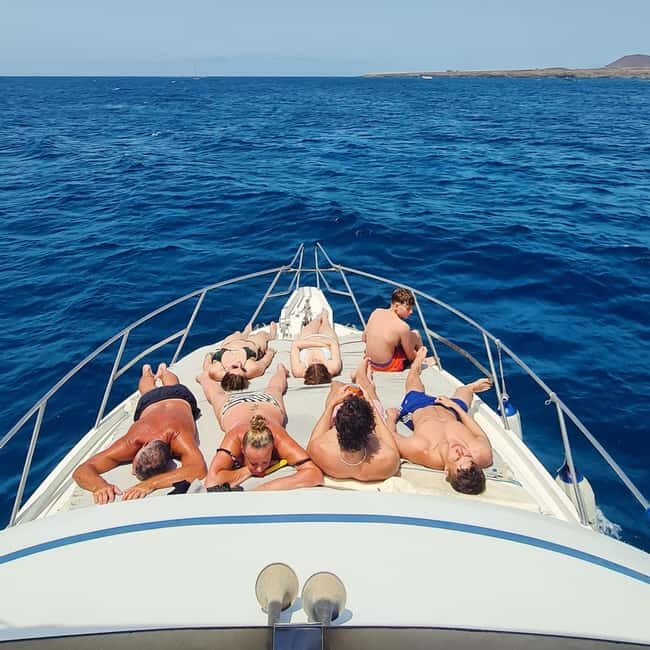
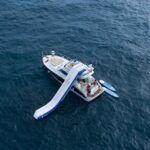
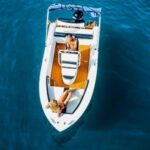
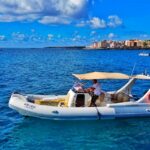
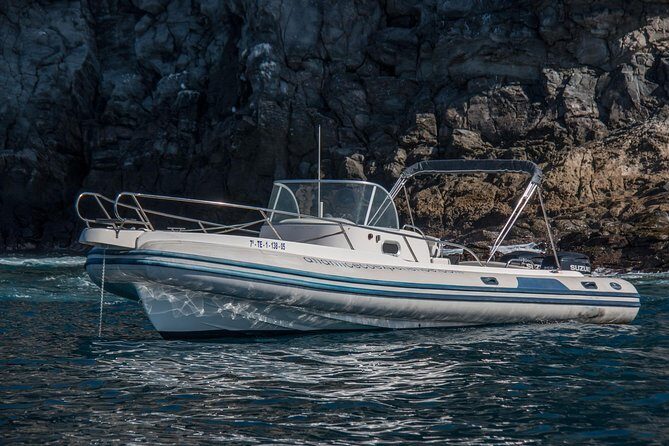
On the water, the boat is listed as Papacho 2, and the max is ten travelers. A small vessel matters for two reasons. First, you’re closer to the action when animals decide to surface. Second, the crew can maneuver in a way that supports the non-invasive approach, rather than turning into a traffic jam like you sometimes see with bigger boats.
One practical tip: even though the boat is small, your comfort can still vary by sea conditions. If you’re prone to motion sickness, plan for it. One review specifically called out that you should take tablets beforehand, even if you normally feel fine.
Engine-off rules and the hydrophone: the part you’ll remember
Most whale watching is visual. This one adds a layer that can be genuinely emotional in a quiet, scientific way: you listen.
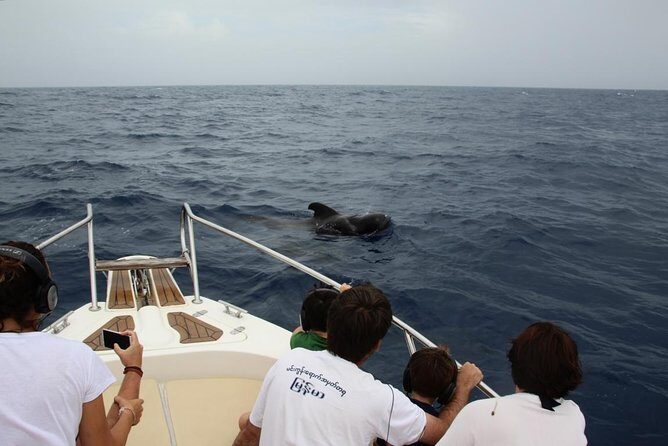
During the sighting, the boat completely switches off the engines so the animals aren’t disturbed by noise. Then the crew launches a hydrophone to pick up the sounds whales use to communicate or hunt. If you’ve only ever watched whales and dolphins before, hearing their calls changes your whole attention. You stop thinking in terms of who is closest and start thinking in terms of communication, searching, and timing.
This is also where the small group helps again. When you’re not craning your neck around dozens of people, you can actually pause and listen while the crew sets the hydrophone. The result is a more grounded experience, with less racing from moment to moment.
If you’re sensitive to sound or want the ocean to be the main event, you’ll likely appreciate that the tour focuses on what’s happening in the water rather than background entertainment.
What the biologist talks about while you’re watching
The tour isn’t a lecture. It’s biology in context. Your guide is on board to explain the fauna in the area and the keys to conservation, so your sightings turn into real learning moments.
In the material you provided, the guide name David shows up repeatedly, and the skipper names Myrna and Captain Claudine also appear. Since the crew can vary by departure, don’t assume you’ll meet the exact same people on your date. But it’s consistent that the team pairs scientific interpretation with calm, careful boat handling.
What you should expect them to do:
- Explain the species you’re likely to encounter in these Tenerife waters (whales, dolphins, and porpoises).
- Help you connect surface behavior to what animals are doing below the water.
- Talk about conservation and why respectful watching matters, especially when cetaceans are already under pressure from human noise and boat traffic.
The standout theme from the experiences shared is that the crew is passionate and focused on interpretation. You’ll usually get the feeling that their main goal is not just to find animals, but to help you understand them while you’re there.
The wildlife cruise flow: how sightings and respect work in practice
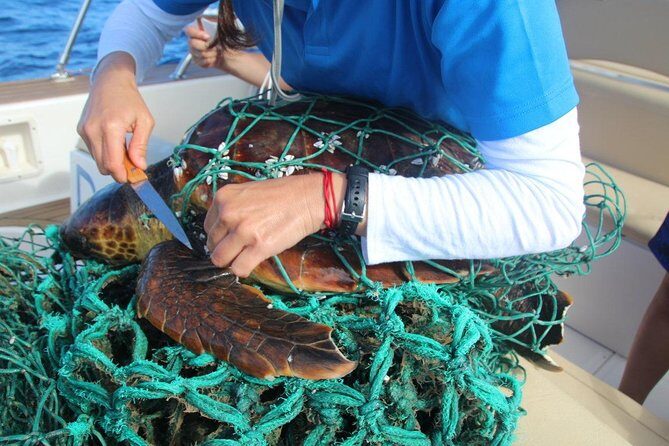
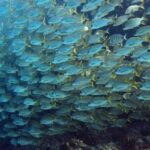
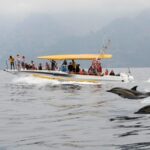
The core experience is a cruise along Tenerife’s coast looking for marine life, always with rules meant to keep distance and reduce interference. The tour approaches different groups of cetaceans, and it may also include sea turtles and seabirds.
A key detail is how the crew handles the time around active animals. Instead of treating it like a grab-and-go photo stop, the boat can coast and wait when appropriate, so animals come to you rather than you forcing the encounter. Some shared experiences also mention that the crew will leave an area if there are already other boats present, which is the opposite of chasing your own spot on the crowd timeline.
You’ll likely notice this in the pacing:
- The crew looks for signs of activity.
- They adjust position carefully.
- Engines stay off during the most sensitive moments.
- The hydrophone comes into play when it makes sense for listening.
- You watch, then you learn why that behavior is happening.
What species you can hope to see
Based on the tour description and the details you shared, keep an open mind for:
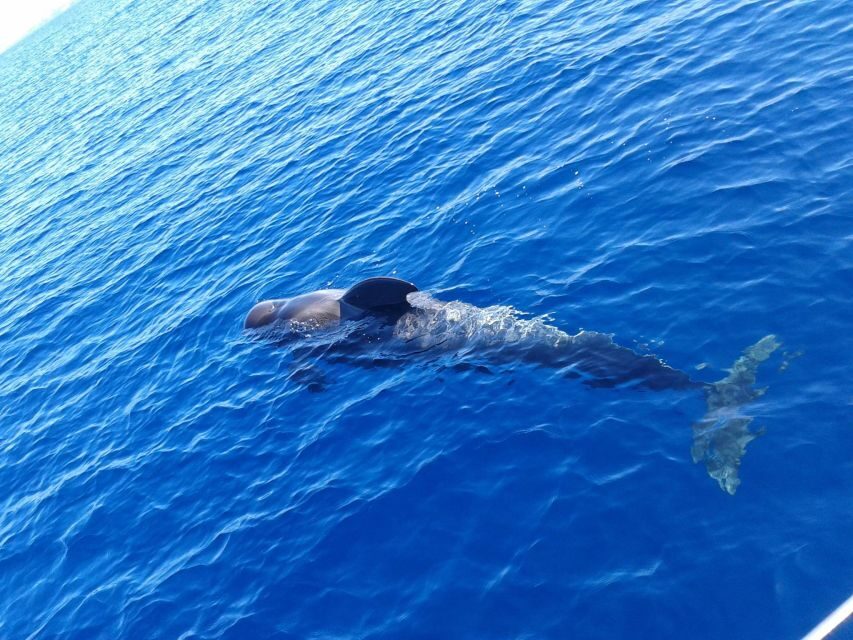
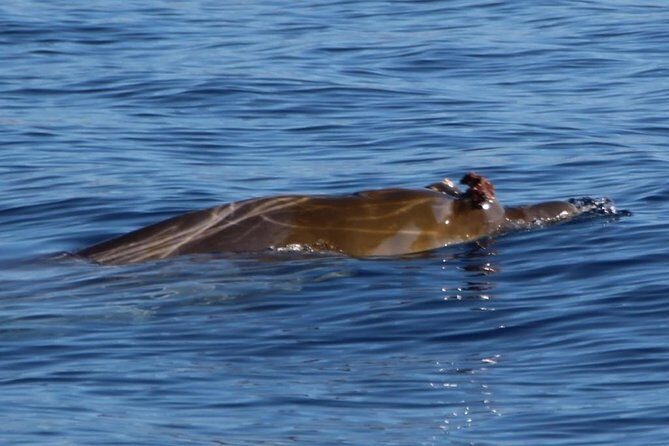
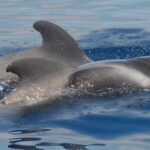
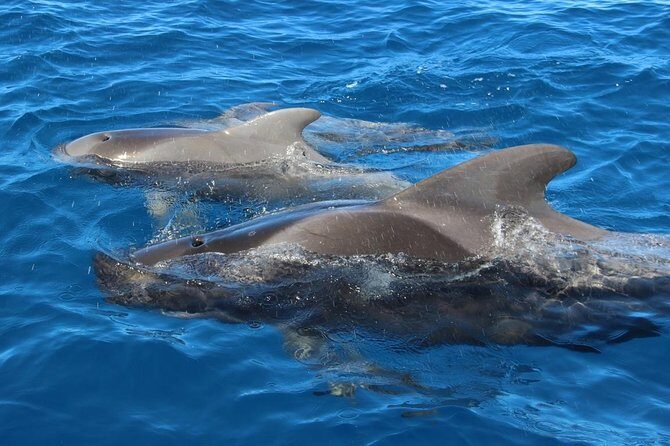
- Pilot whales (often mentioned in encounters)
- Dolphins (including types mentioned like striped dolphins)
- Porpoises (listed as possible sightings)
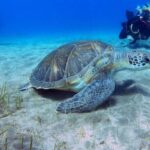
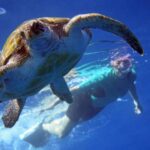
- Sea turtles
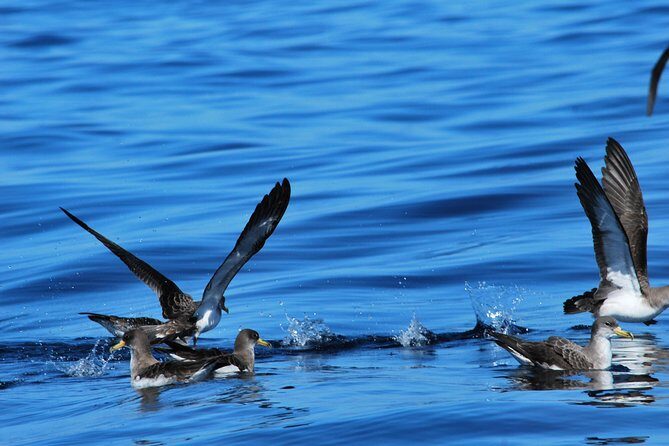
- Seabirds
- In rare luck moments, even larger surprises have been mentioned, like orca sightings. You should treat that as a bonus, not a guarantee.

Price and value: what you’re really paying for
At $71.35 per person, the cost can look “mid-range” until you compare what’s included.
You’re not just booking a boat ride. You’re paying for:
- A small boat (max ten), which typically improves your viewing and reduces stress on wildlife.
- A biologist guide who translates what you see into species behavior and conservation context.
- An operational choice that costs effort and time: switching off engines during sightings.
- A signature tool: a hydrophone so you can hear calls rather than only watch surfaces.
- A stated commitment to not interfering with natural behavior and respecting animal space.
That’s why it can feel like better value than high-capacity tours that run on volume. Bigger groups can mean more noise, more overlap around the same animals, and less chance to hear details from the crew.
Also, the tour is often booked about 17 days in advance on average. That’s a good sign of demand for this format. If your schedule is tight, don’t leave it for the last minute.
What to bring for a 2.5-hour outing in Tenerife sun
Plan for sun and for being out in the open, even if the boat ride is relatively short.
From practical guidance in the material you shared, bring:
- Sun protection (a hat helps, and sunglasses matter)
- Sunscreen, because you’ll get full exposure even out on the water
- Water to stay hydrated
- Motion sickness tablets if you’re prone, and take them before you feel bad
One small comfort detail that shows up in the shared experiences: there is mention of loo facilities below deck. Also, a cold drink may be served toward the end, which is a nice reset after time on sunlit open water.
Who this tour fits best in Tenerife South
This is a strong match if you want:
- Small-group access without the feel of a crowded safari boat
- Expert-led wildlife watching, not just a quick look and photos
- A tour built around conservation-minded behavior, including fewer disturbances
It also tends to work well for families and mixed-age groups. One shared experience mentions a wide age range including a child who stayed engaged, which hints at how the guide handles attention and pacing. Still, as with any boat trip, keep expectations realistic for kids and for anyone sensitive to motion.
If you’re looking for a party atmosphere, drinks, or loud entertainment, this isn’t that kind of tour. The point here is the ocean and the animals doing their thing, with you listening and learning while they do.
Quick planning checks: timing, confirmation, and weather reality
You’ll usually want to book with a bit of buffer, because confirmation is described as received within 48 hours of booking, subject to availability. The activity also requires good weather. If it’s canceled due to poor conditions, you’ll be offered a different date or a full refund.
There’s also a minimum traveler requirement. If that minimum isn’t met, you’ll be offered a different date or experience, or a refund.
If you’re traveling with reduced mobility, the tour notes that accessibility can depend on sea conditions and the type of mobility you have. The best move is to contact the company directly so they can guide you based on your situation and what the boat can handle that day.
Should you book Atlantic Eco Experience for cetaceans off Tenerife South?
I’d book it if your idea of a great day is careful wildlife watching with real interpretation. The engine-off rule and the hydrophone are the two standout advantages. They make this more than another whale-spotting cruise, because you get to experience the communication layer, not just the surface show.
I’d think twice if you’re very sensitive to sea motion or if you’re set on a specific date regardless of weather. You’re taking a nature excursion, so conditions matter.
If you want a responsible, science-forward small-boat outing from Costa Adeje, this is one of the most sensible choices on the island for people who care about animals and want the experience to feel calm, structured, and genuinely connected to conservation.
FAQ
What is the meeting point for the Costa Adeje cetacean tour?
The tour starts at Av. de Colón, 4, 38660 Costa Adeje, Santa Cruz de Tenerife, Spain, and it ends back at the same meeting point.
How long is the tour?
The duration is approximately 2 hours 30 minutes.
How many people are on the boat?
The boat is capped at a maximum of ten travelers.
What boat do they use?
The tour uses the boat Papacho 2.
Is the tour in English?
Yes, it is offered in English.
What marine life might you see?
You can look for whales, dolphins, and porpoises, and the tour also mentions the possibility of sea turtles and seabirds.
Do they use a hydrophone?
Yes. The tour includes launching a hydrophone during the sighting so you can listen to animal sounds used for communication or hunting. The engines are also switched off during the sighting.
What happens if the weather is poor?
This experience requires good weather. If it’s canceled due to poor weather, you’ll be offered a different date or a full refund.
Are service animals allowed?
Yes, service animals are allowed.