REVIEW · 2-HOUR EXPERIENCES
2 hour trip to see whales dolphins puerto colon adeje
Book on Viator →Operated by OCEAN BLUE TENERIFE · Bookable on Viator
Tenerife’s sea gives surprises. This 2-hour outing from Puerto Colón is built for spotting marine life in the Costa Adeje area, while you also get sea views of beaches and the island’s volcano. I like the small group feel (up to 20 people), because it keeps the focus on the water instead of crowding the deck.
I also like the crew’s on-board approach. You may sail with captains such as Captain Alex with Jessica, and you might also meet Christophe among the team, and the group is guided in English (with additional languages often available).
The one thing to keep your expectations honest: sightings are never guaranteed. If dolphins or turtles don’t show, it’s still a solid wildlife trip, but nature decides what you get.
In This Review
- Key points before you go
- Getting oriented at Puerto Colón (Playa de la Américas)
- The 2-hour sail: what actually happens at sea
- What you can realistically spot: calderones, dolphins, turtles
- Costa Adeje sea views and the volcano from the water
- The crew vibe: friendly, multilingual, and animal-respect focused
- Getting value from $43.45: short time, high payoff potential
- Best fit: who should book this whale and dolphin trip
- Timing, weather, and how to read the results
- Should you book Ocean Blue Tenerife’s 2-hour whale watch?
- FAQ
- How long is the whale and dolphin excursion?
- Where does the tour start and end?
- What animals might we see?
- Is the tour offered in English?
- How big is the group?
- What if the weather isn’t good?
Key points before you go
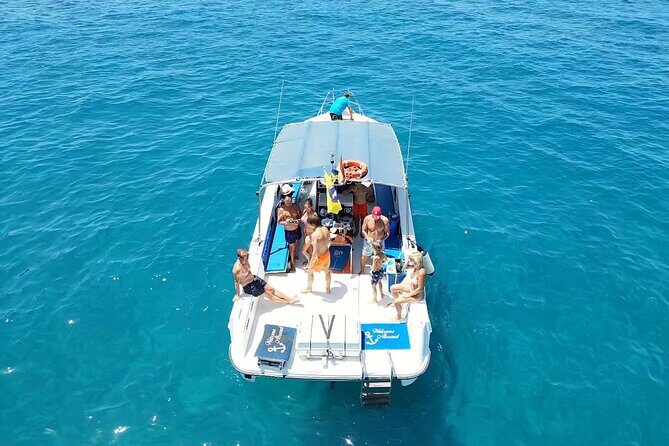
- 2 hours on the water out of Puerto Colón (Playa de la Américas)
- Max 20 people, so spotting is easier and the vibe stays relaxed
- Marine-life focus: tropical calderones, dolphins, and turtles all year in this ecological zone
- English-led trip, with a crew that may also speak other languages depending on the sailing
- Sea views of Costa Adeje plus volcano scenery from the route
- Snacks and drinks included, including sandwiches reported by people on board
Getting oriented at Puerto Colón (Playa de la Américas)
Your trip starts right where you want it to start: Puerto Colón in Playa de la Américas, Tenerife. This matters because you avoid a long transfer from the resorts. The meeting point is also described as near public transportation, so if you’re staying anywhere along the south coast, you’re not locked into taxis.
Once you arrive, the rhythm is simple. You check in, take your place for boarding, and settle in for a short, focused sail. Because the trip is only about 2 hours, it’s the type of excursion you can fit into a day without feeling like your whole itinerary got hijacked by the sea.
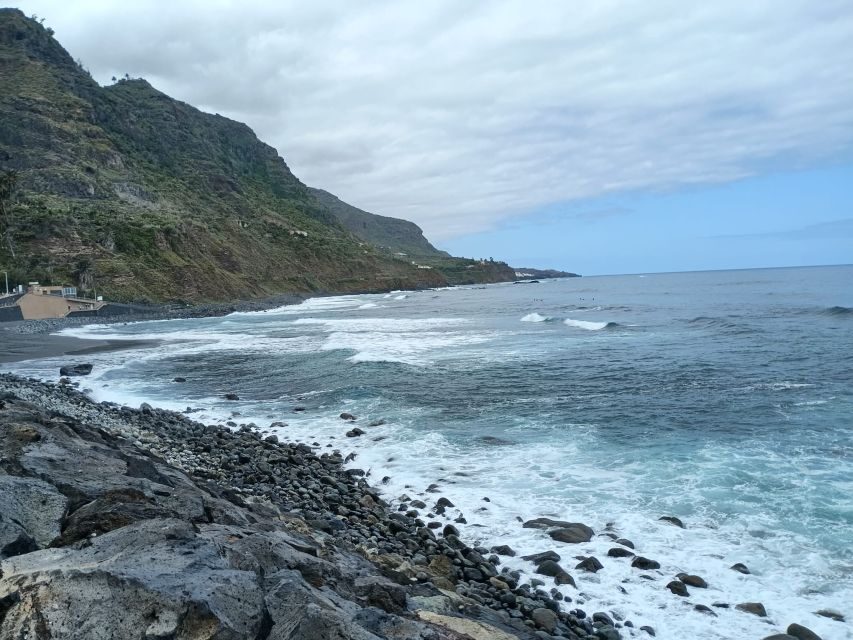
And yes, the area itself is part of the appeal. Costa Adeje is a classic Tenerife mix of resort coastline and dramatic island scenery, and from the water you get a different angle than you do from the promenade. Even if wildlife takes its time, the views don’t.
You can also read our reviews of more whale watching tours in Tenerife

The 2-hour sail: what actually happens at sea
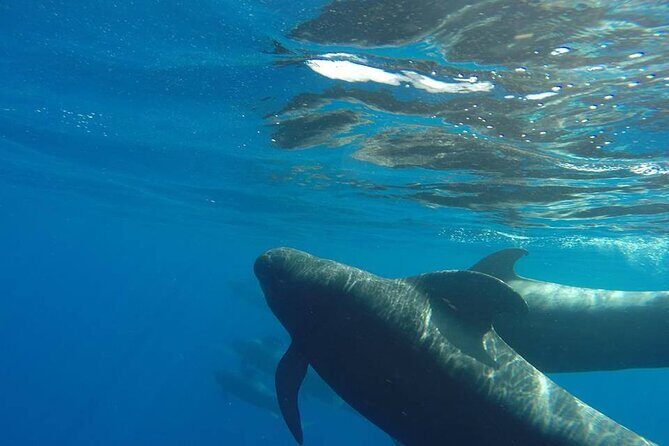
This is not a long ocean crossing. It’s a short excursion designed around sightings. The plan is centered on a cetacean ecological zone where tropical calderones, dolphins, and turtles are present all year. Practically, that means you’re not spending the whole trip traveling far away to some remote spot—your time is meant for looking.
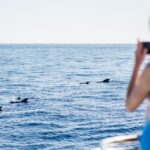
You’ll likely spend most of the time scanning the surface, listening to the skipper’s commentary, and repositioning your view as the boat tracks areas where marine life is more likely to appear. With a group size limited to 20, you can typically keep your vantage point without constant jostling.
The other thing that makes a 2-hour trip work is your energy level. A longer cruise can be tiring, especially if the sea is a little choppy. Here, you get the action window without turning it into an all-day ordeal. You return to the meeting point at the end, so you don’t have to juggle a second transport plan.
What you can realistically spot: calderones, dolphins, turtles
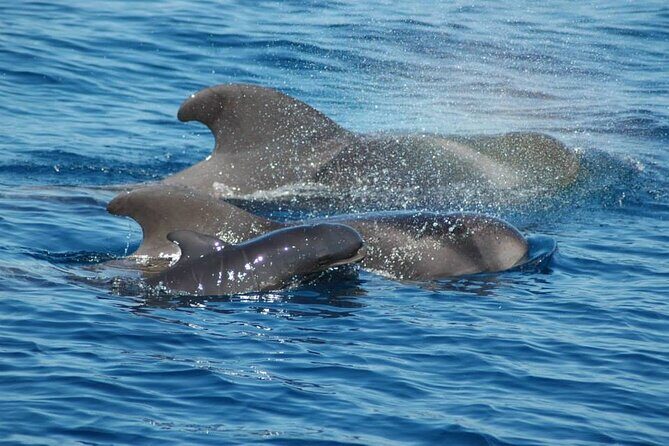
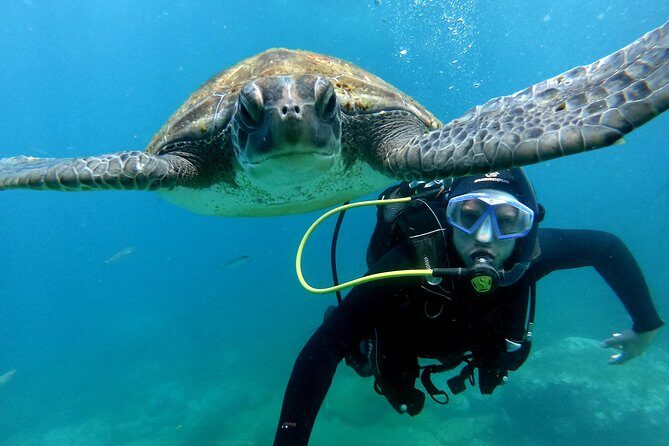
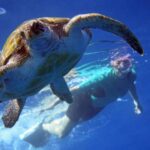
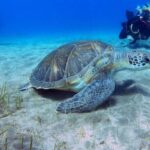
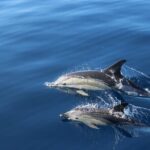
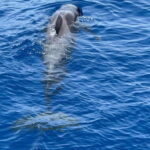
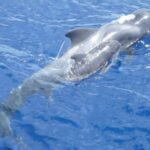
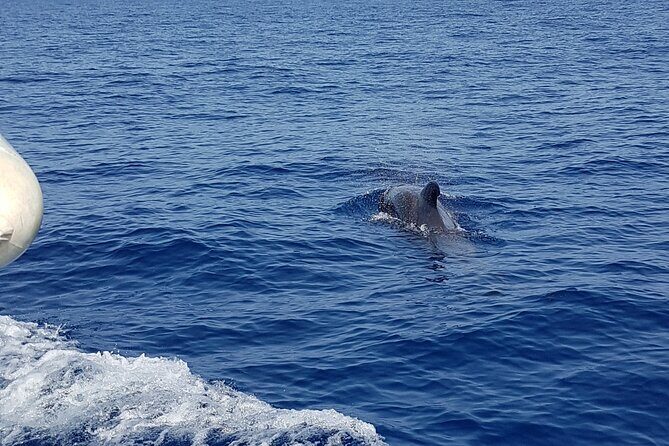
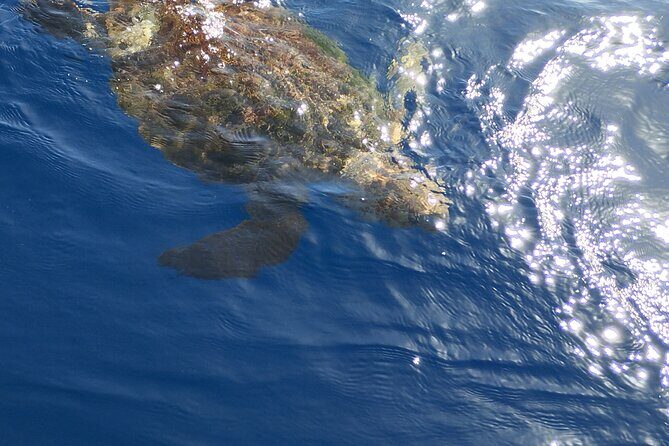
Let’s talk about the star category: cetaceans and sea turtles. The trip is specifically marketed around tropical calderones plus dolphins and turtles that live in this ecological zone year-round. In other words, you’re not just hoping. You’re going where these animals are known to occur.
That said, “known to occur” is not “guaranteed on demand.” Sightings depend on movement, timing, and weather. The most practical way to look at it is this:
- A good outing gives you quick, clear whale sightings and multiple moments to see blowholes and surfacing.
- A slower outing can still be rewarding, even if you only get part of the cast (like whales but fewer dolphins).
The balance in the results is reflected in how people describe their experience—sometimes you get a fair number of whales, and sometimes dolphins don’t show up that day. I’d treat that as normal for wildlife watching, not as a failure. The whole point is being out on the water with the right zone and experienced guidance.
Also pay attention to behavior when you spot something. One of the most memorable themes in the feedback is the sense of family behavior—people described seeing a calf call to its mother. That’s the kind of moment that makes the trip feel more than just spotting a spout on a horizon.
Costa Adeje sea views and the volcano from the water
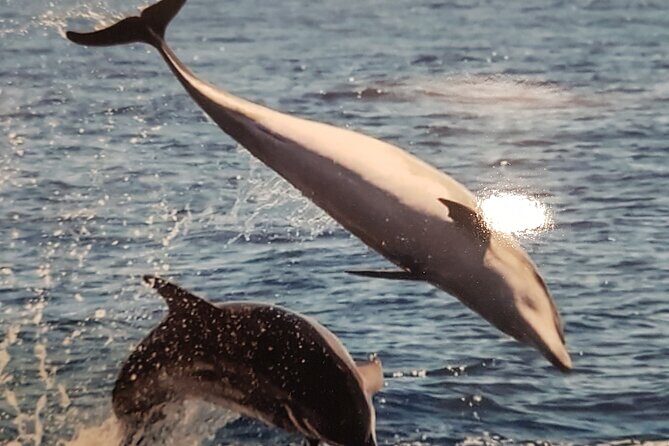
Wildlife is the headline, but the scenery adds real value—especially in Tenerife. During the excursion, the route is described as covering sea views of Costa Adeje, beaches, and the volcano. Even without a perfect sighting, the coastline and volcanic backdrop are part of why this specific area works for a short boat trip.
What I like about this is that it prevents the “everything-or-nothing” feeling. If the sea life is quiet for a while, you’re still getting an island perspective you can’t fully recreate from shore. From sea level, the scale of the coastline and the way the terrain rises changes your sense of place.
It’s also a nice bonus if you’re pairing this with other south-coast activities. After you do the whale watch, you can look at the same coastline from a new angle on your next stop—almost like you get a second draft of the island in your head.
The crew vibe: friendly, multilingual, and animal-respect focused
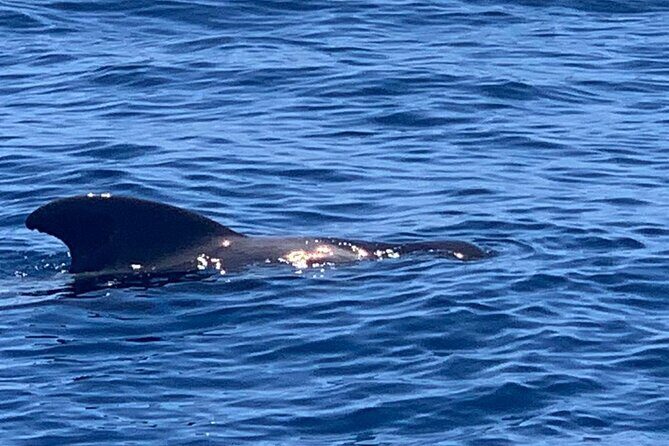
For a wildlife trip, the crew can make or break the day. Here, the tone seems consistently positive: people describe a friendly, professional team that explains what’s happening and does it with real enthusiasm.
You’ll often hear different languages depending on who’s on duty. The trip is offered in English, and feedback mentions French, Italian, and Spanish as well. That matters because it helps you understand what you’re seeing. When you know what the crew is watching for—surface patterns, timing, and how animals use the area—it turns the outing from random scanning into a guided hunt for meaning.
Two specific names come up in the feedback: Captain Alex (with Jessica) and Christophe. Even if you don’t meet them on your date, it’s a sign of the captain-led style you can expect: clear communication, relaxed pacing, and an emphasis on doing this with respect for the animals.
Also worth noting: the boat experience is described as calm enough to relax. People mention a relaxation time aboard and an easygoing atmosphere, and that’s exactly what I want on a short tour like this. You’re not trying to cram sightseeing into every second. You’re watching, breathing, and letting the sea do its thing.
You can also read our reviews of more dolphin watching tours in Tenerife

Getting value from $43.45: short time, high payoff potential
At $43.45 per person for around 2 hours, this isn’t a budget “maybe something happens” cruise. It’s priced like a focused excursion where the operator is aiming to use the limited time for wildlife chances and a satisfying onboard experience.
Here’s how that value shows up in practical terms:
- Time efficiency: two hours is long enough for multiple scanning moments, short enough that you can still enjoy the rest of your day.
- Group size: max 20 keeps the experience from turning into a crowded scramble.
- What’s included: admission is included, and people report sandwiches and drinks being served during the outing.
- Guidance: English is available, and the crew explains what you may be seeing, which boosts the experience even on quieter wildlife days.
If you’re deciding between booking now or waiting, consider what you actually lose by waiting. A whale watch isn’t a museum visit; conditions and animal movement matter. Booking this type of short sail usually makes sense when you want a realistic shot at seeing whales without committing to a full-day trip.
Best fit: who should book this whale and dolphin trip
This tour is a good match if you want:
- A short, straightforward marine-life outing from the south coast
- A small-group experience that feels personal enough for questions and instructions
- A mix of wildlife and Tenerife scenery without heavy logistics
It also fits families and people who want an experience that’s not physically intense. The information says most travelers can participate, and service animals are allowed. So if you’re traveling with a non-service animal need, you’d want to check separately, but for service-animal access, the tour supports it.
Where it may not be ideal is for people who need guaranteed dolphins in particular. The tour is built around chances in a zone where dolphins, turtles, and tropical calderones occur, but wildlife is always weather and timing-dependent. If your heart is set on a very specific sighting, you might be happier treating this as a wildlife outing with strong odds rather than a guaranteed checklist.
Timing, weather, and how to read the results
This experience requires good weather. If conditions aren’t right, you’ll be offered a different date or a full refund. That’s important because marine watching is directly tied to sea state. The calmer the conditions, the better your visibility and the easier it is to spot surfacing.
Now, about timing: the trip is booked fairly ahead on average (about 14 days). That’s a clue that dates can fill—especially in peak season. If you’re set on a specific day, it’s smart to lock it in earlier rather than hoping for a last-minute spot.
When you get out there, keep your expectations flexible. Some outings focus more on whales, and others include dolphins and additional species. Either way, the experience is designed around staying in the zone where marine life is present all year, not random wandering.
Should you book Ocean Blue Tenerife’s 2-hour whale watch?
I’d book it if you want a high-chance, short-duration boat outing with a small-group feel, an English-friendly crew, and Tenerife scenery as a bonus. The strongest reasons to choose it are practical: up to 20 people, wildlife-focused route in an ecological zone, and the onboard explanations that help you actually enjoy what you’re seeing.
I’d think twice if you’re only excited by one exact animal species every time. In that case, you might feel disappointed when dolphins or turtles don’t appear on your date. But if you’re open to whales or other marine life and you just want a well-run, respectful sail with real odds, this is the kind of tour that tends to leave people smiling after they get back on shore.
FAQ
How long is the whale and dolphin excursion?
It lasts about 2 hours.
Where does the tour start and end?
It starts at Puerto Colón in Playa de la Américas, Tenerife, and ends back at the same meeting point.
What animals might we see?
The tour is described as targeting tropical calderones, dolphins, and turtles in a cetacean ecological zone.
Is the tour offered in English?
Yes, the experience is offered in English.
How big is the group?
The group is capped at a maximum of 20 travelers.
What if the weather isn’t good?
This experience requires good weather. If it’s canceled due to poor weather, you’ll be offered a different date or a full refund.